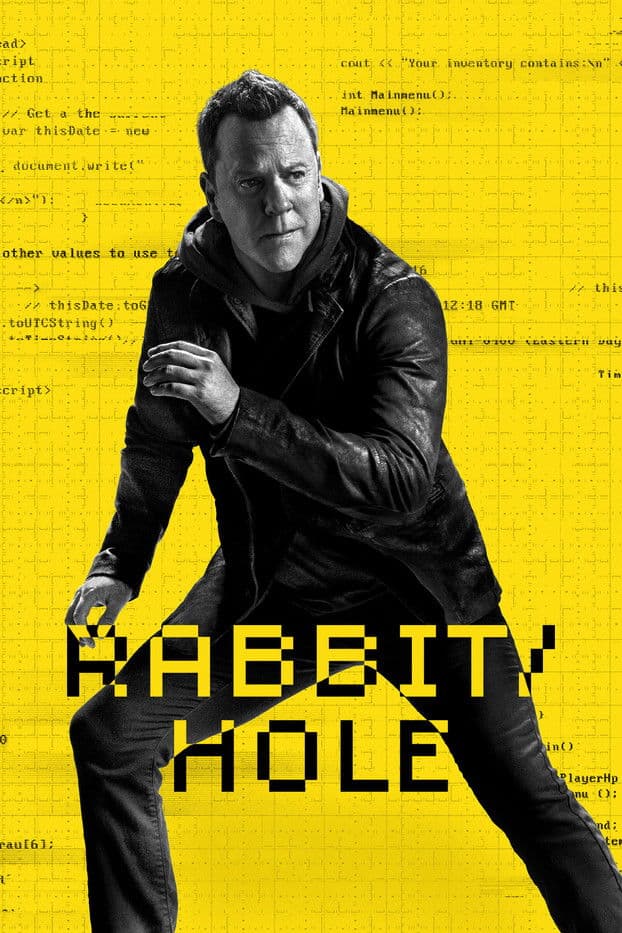
Started March 26, 2023 · Canceled · Based on 1 season, 8 episodes through May 7, 2023 · TV-MA
John Weir is a skilled corporate spy who uses lies, fake news, and data to move markets. After a client job ends in murder, John is framed and hunted through New York. He gathers Hailey, Treasury investigator Edward Homm, and Ben to find the people behind the plot. The eight-episode season mixes tense chases with dry jokes, family secrets, and constant twists.
The main threat is a plan to use private data, social media, and false stories to control voters and weaken American democracy. The plot follows a bill that lets private companies collect huge amounts of personal information from the government. The story treats powerful business owners, corrupt officials, and bought judges as dangers to public freedom. The finale also says the villain wants women kept in homes and homosexuals forced back into closets, but the show uses that idea only briefly and does not build its story around a queer character.
Community feedback
Was our 34% Woke rating accurate?
Breakdown
These are the editorial factors and ratings behind our score for Rabbit Hole.
Woke representation / casting
Hailey Winton is a black woman and one of the main people driving the escape and counterattack. She matches John’s skills in deception and becomes a major action partner. Agent Jo Madi is another prominent woman who drives the federal case against him. The present-day New York setting makes this casting plausible, and the show does not frame it as a diversity campaign.
18%
Woke political dialogue
Characters repeatedly discuss election control, false news, data sharing, and the danger of powerful people shaping public opinion. Ben explains how intelligence methods can polarize citizens, weaken trust in experts, and help a controlled candidate take power. The Shared Data Act and the fight over democracy drive the last half of the season. The message is political and anti-corruption, but it is not built around race, gender, or a party campaign.
38%
Identity-driven story themes
The finale says Crowley wants a country where women stay in homes and homosexuals stay in closets. The line presents the loss of LGBTQ freedom and women’s public roles as part of his bad future. This identity material appears in one and does not follow a queer character or shape the season.
12%
Western institutional / cultural critique
The season repeatedly attacks companies that sell personal data and officials who let private firms use it. The plot also treats bought judges and a captured government as threats to public freedom. Crowley’s planned return to women in homes and homosexuals in closets adds a brief attack on older social limits. The show does not mock Christianity, family life, or men as a group.
32%
Woke character or canon changes
Not relevant. Rabbit Hole is an original story, not an adaptation of an established character or historical event.
0%
Anti-woke backlash and complaints
Not present. Public discussion centers on plot twists, pacing, and confusion rather than claims that the series pushes woke or DEI content. The separate X search found no clear anti-woke complaints, boycott, or review-bombing tied to the show.
0%
Creator track record context
Ficarra and Requa are mainly known for mainstream comedy and drama, and the creator records show no strong activist pattern. The writers and most directors also have little or no public record of identity-driven work. Gwyneth Horder-Payton has discussed barriers for women directors and supported mentorship, which is a small identity-related context signal. The overall creator context remains low.
15%
Production
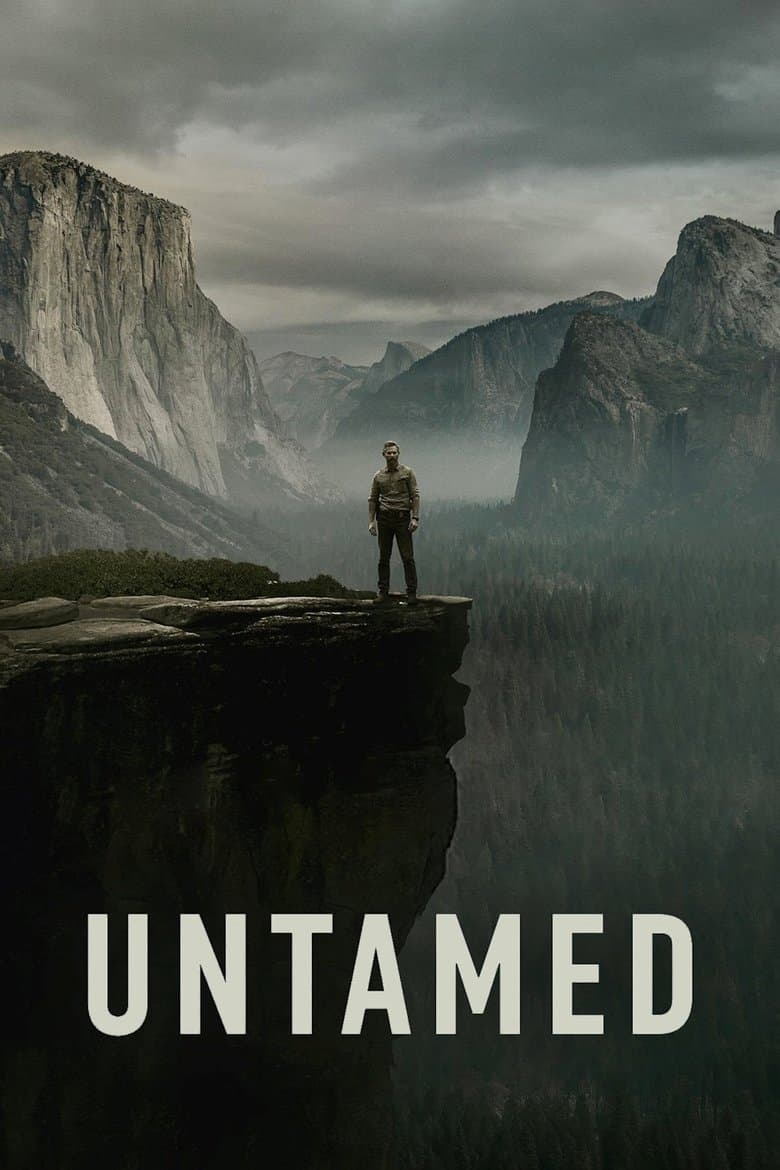
TV Show · 2025
In the vast expanse of Yosemite National Park, a woman's death draws a federal agent into lawless terrain — where nature obeys no rules but its own.
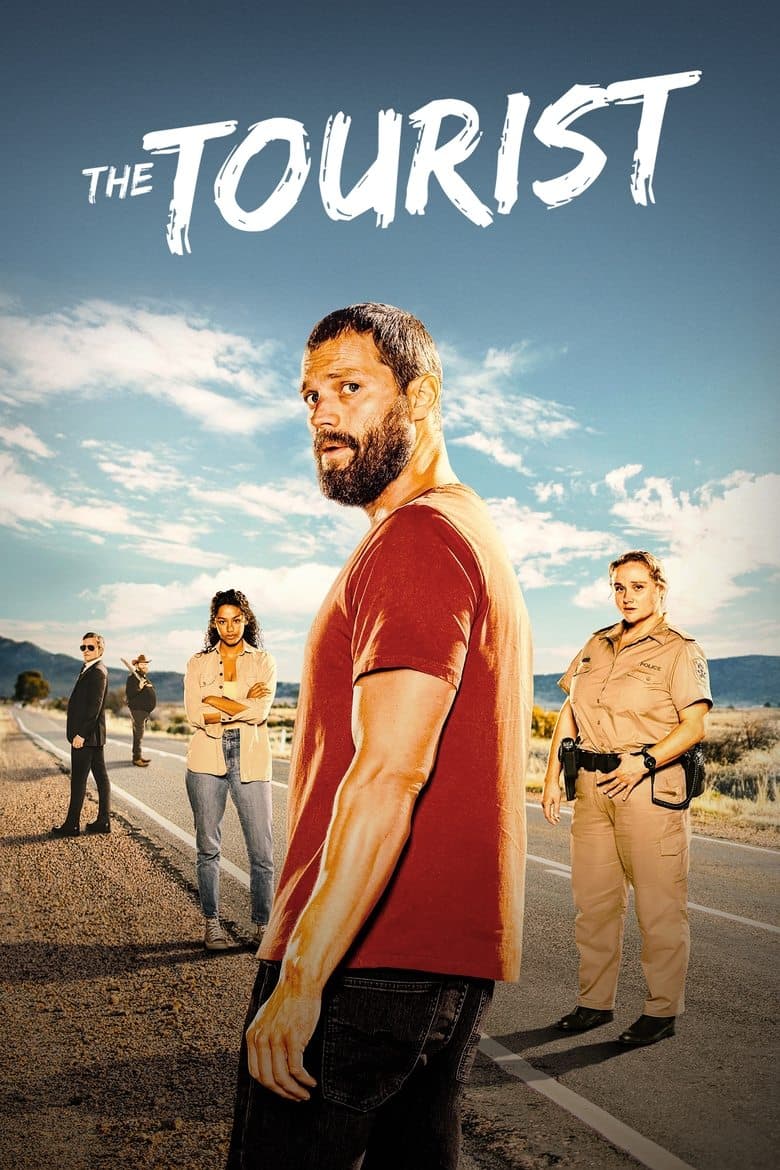
TV Show · 2022
When a man wakes up in the Australian outback with no memory, he must use the few clues he has to discover his identity before his past catches up with him.
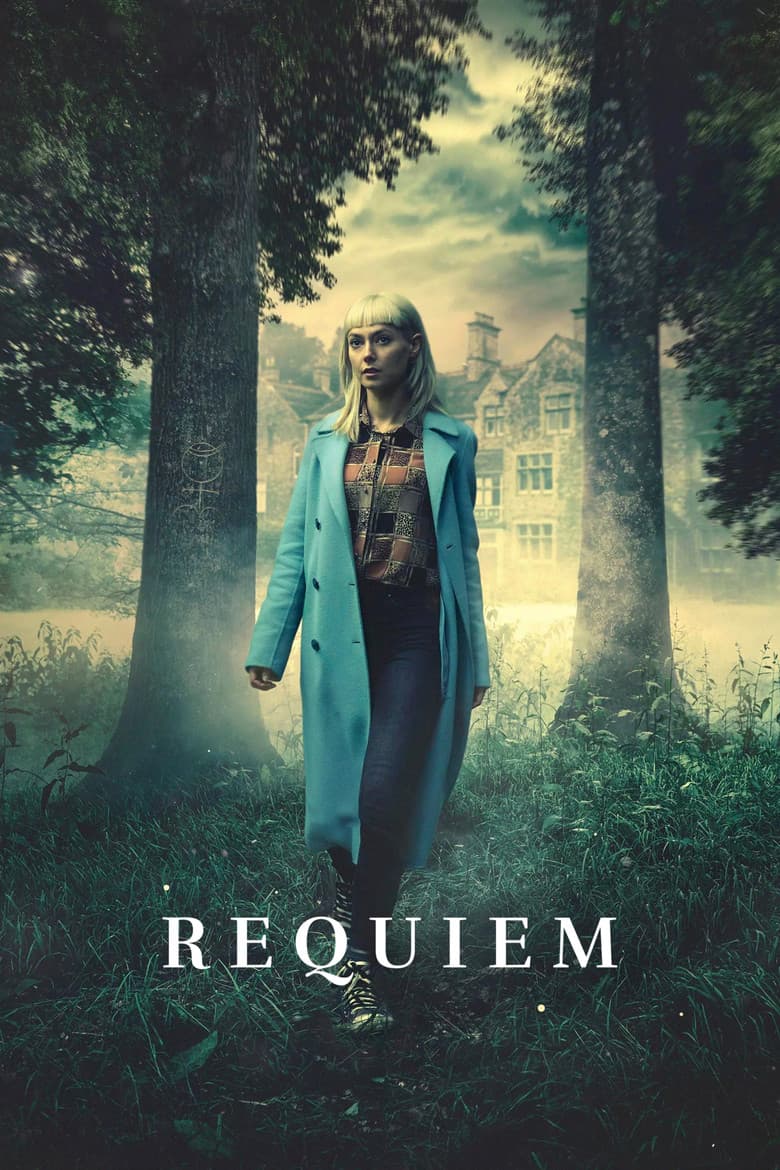
TV Show · 2018
In 1994, a toddler disappeared from a small Welsh village, never to be seen again. 23 years later, in London, the mother of rising cello star Matilda Gray commits suicide, without…
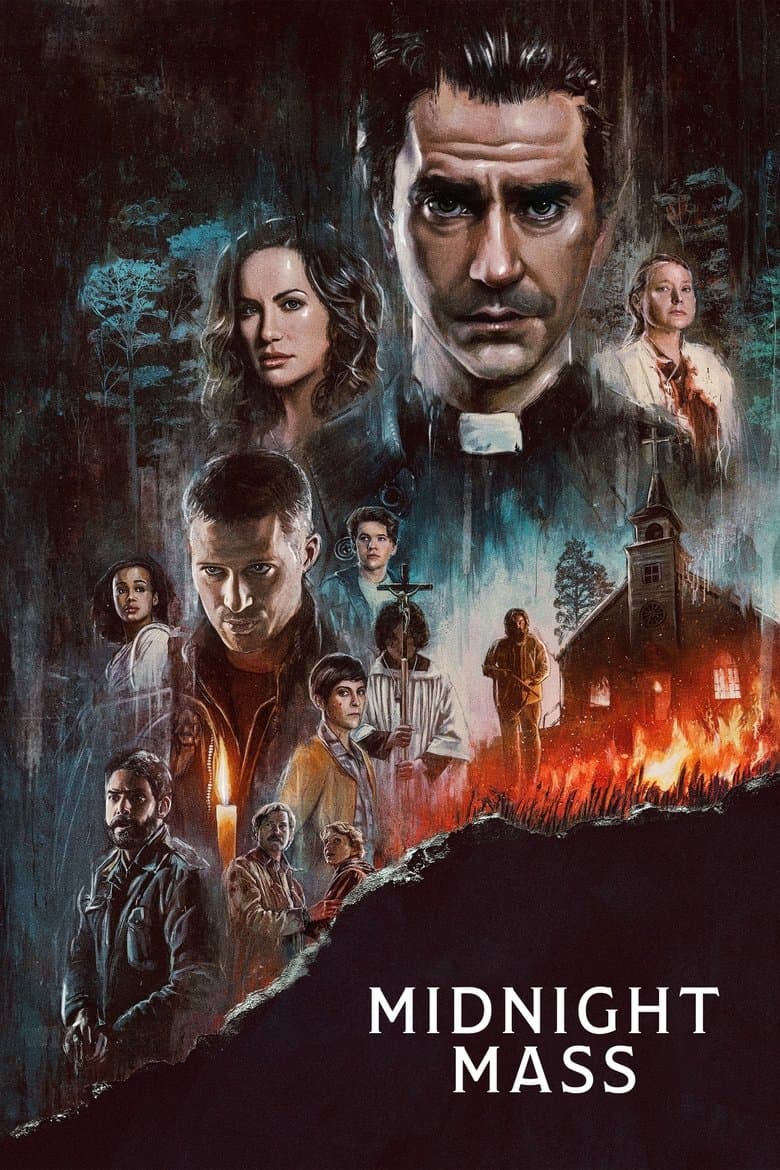
TV Show · 2021
The arrival of a charismatic young priest brings glorious miracles, ominous mysteries and renewed religious fervor to a dying town desperate to believe.

TV Show · 2026
The mayor of a New England town resolves to turn it into the next tourist hot spot, despite local warnings that it's cursed.
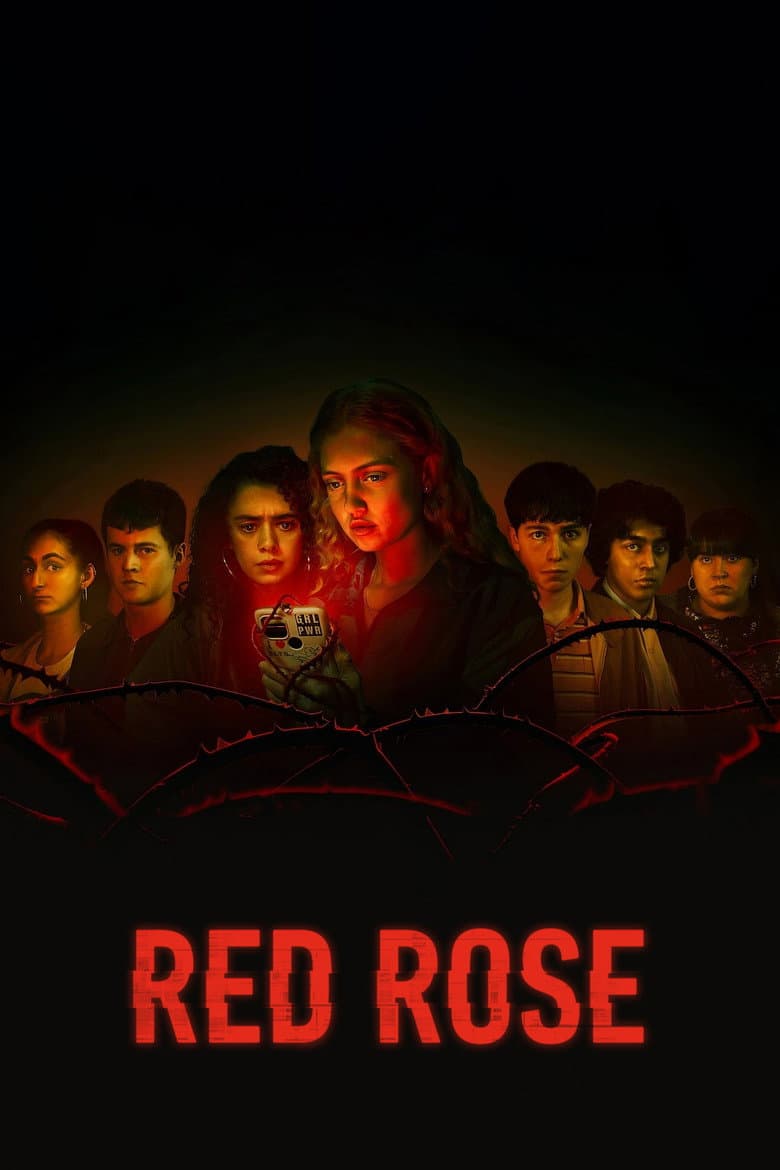
TV Show · 2022
When one of a group of friends downloads the mysterious Red Rose app, plans change. What starts innocently as a game of admiration rapidly descends into something much darker.
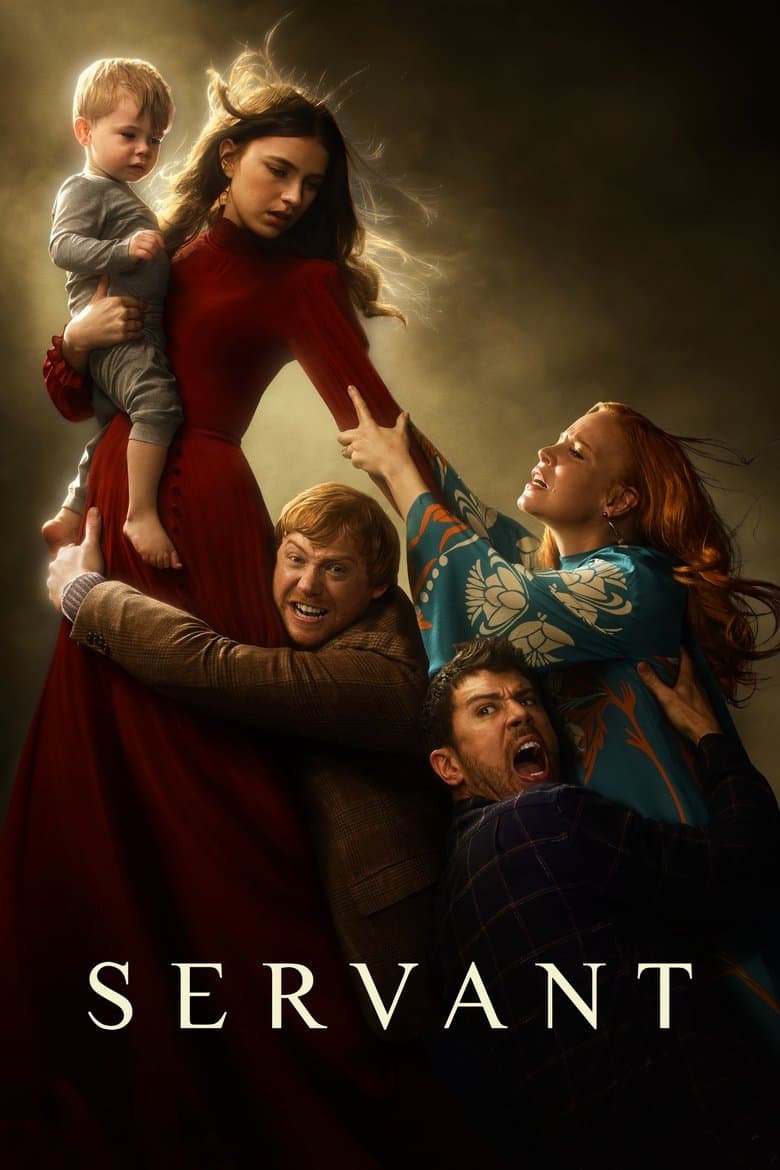
TV Show · 2019
A Philadelphia couple are in mourning after an unspeakable tragedy creates a rift in their marriage and opens the door for a mysterious force to enter their home.
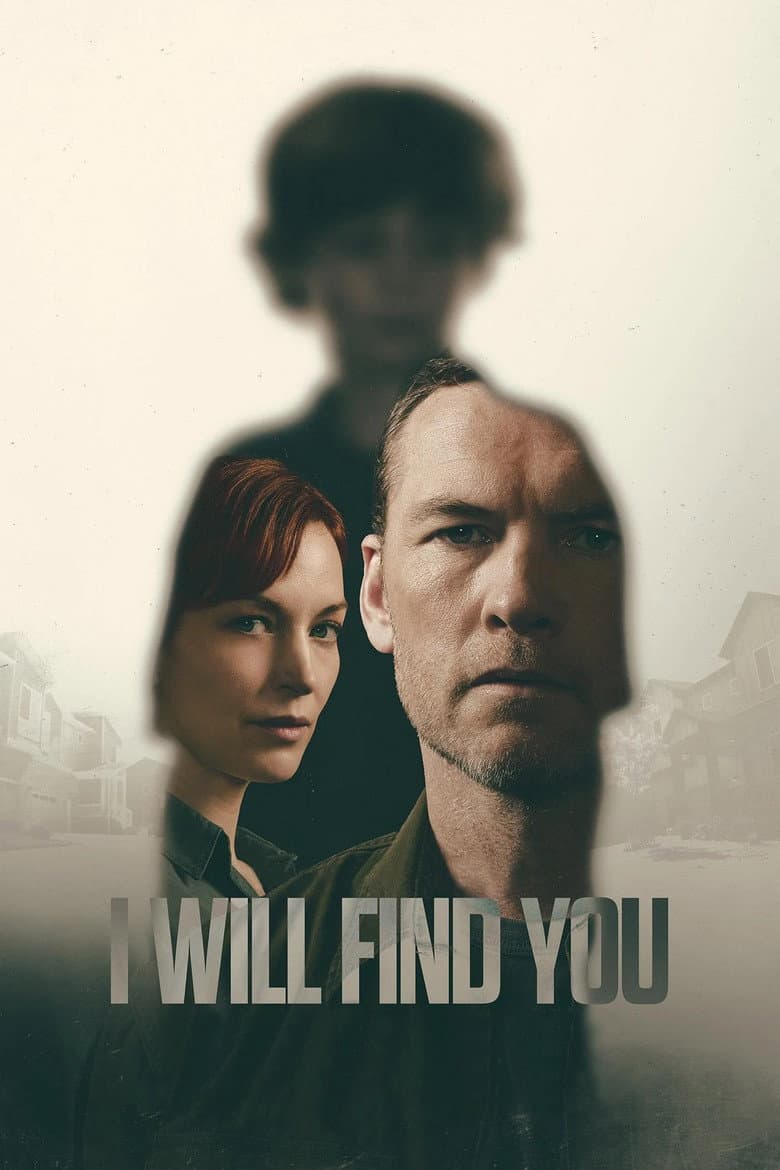
TV Show · 2026
Wrongfully imprisoned for murdering his own son, a father sets out on a desperate rescue mission after learning the boy may still be alive.
