
Started July 28, 2022 · Canceled · Based on 2 seasons, 18 episodes through June 20, 2024 · TV-MA
Pretty Little Liars: Original Sin follows five teen girls in Millwood, Pennsylvania, a worn-down town with a painful past. Imogen, Tabby, Noa, Mouse, and Faran become friends after a masked killer called A targets them over a death tied to their mothers. The girls also hide secrets involving sexual assault, teen pregnancy, family abuse, and trouble with the law. In season two, the friends face Bloody Rose while attending summer school and recovering from the first attack. The show mixes slasher horror with teen drama, mystery, romance, and jokes. The story puts female friendship and female survival at its center. It repeatedly deals with rape, teen pregnancy, racism, sexism, body pressure, bullying, and men protecting abusers. Mouse is queer and has two mothers, Ash is transgender, and Noa’s season-two relationship with Jen adds a major queer plot. Season two attacks a church-run anti-gay event and presents a straight white man’s anger as an excuse for violence. Tabby also fights to control how her assault and race are shown in a movie.
Community feedback
Was our 85% Woke rating accurate?
Breakdown
These are the editorial factors and ratings behind our score for Pretty Little Liars: Original Sin.
Woke representation / casting
Five girls hold the main roles, with two black leads, a Latina lead, and a Filipina lead. The show repeatedly centers women as the heroes, investigators, and survivors. Publicity and interviews call the group diverse and stress a female point of view. This is a clear identity-focused casting pattern, although the group is possible in a modern American town.
65%
Woke political dialogue
Tabby often talks about racism, misogyny, and how horror films treat women and black characters. The girls also name sexism, sexual assault, bullying, and homophobia when they confront boys, adults, and the school. Season two treats Wes’s claim that straight white men are victims of the system as a false excuse for violence. These ideas recur in both seasons but remain part of a slasher mystery.
57%
Identity-driven story themes
Female friendship and survival guide the story, while the girls deal with rape, teen pregnancy, body pressure, and male abuse. Mouse is queer, has two mothers, and dates Ash, a transgender boy. Season two gives Noa and Jen a major romance plot and includes a Pride party opposing a church’s anti-gay event. Tabby fights to tell her own story as a black assault survivor and filmmaker. These identity themes are central across both seasons.
82%
Western institutional / cultural critique
The school, police, parents, and one church often fail the girls or protect harmful men. Season one treats grooming, rape, male entitlement, and pressure to look perfect as serious problems. Season two has the girls fight a church’s anti-gay message and oppose a straight white man who blames women and society for his failures. The girls are usually shown as right when they challenge these rules. This critique returns across both seasons.
76%
Woke character or canon changes
Not relevant. The series uses new girls and a new town instead of recasting the original Liars. Its major changes to A and the horror style are plot changes, not changes to an older character’s race, sex, or identity.
0%
Anti-woke backlash and complaints
A few small X accounts called the multiracial cast and queer plots diversity for diversity’s sake. Other small posts called the show woke or progressive and said its cancellation was deserved. The separate X pass found no sustained boycott, review-bomb campaign, or large right-leaning account making the show a cause. The evidence is fringe and incomplete, so the backlash was very limited.
15%
Creator track record context
stored context gives Roberto Aguirre-Sacasa a score of 44 and Lindsay Calhoon Bring a score of 25. Michael Grassi is scored 67, and Megan Griffiths is scored 75 for queer or feminist work. Other listed creators have lower or unclear scores. The team’s record supports the show’s visible female, queer, and representation-focused themes.
44%
Production
TV Show · 2026
Wrongfully imprisoned for murdering his own son, a father sets out on a desperate rescue mission after learning the boy may still be alive.
TV Show · 2026
A desperate father searching for his runaway daughter gets caught up in a murder case — and stumbles upon secrets which could destroy his family for good.
TV Show · 2024
John Sugar is a dashing private eye navigating the dark corners of sunny LA. Though he sees only the good in humanity, Sugar is haunted by a secret too dangerous to expose.
TV Show · 2020
When an insidious supernatural force edges its way into a seemingly straightforward investigation into the gruesome murder of a young boy, it leads a seasoned cop and an…
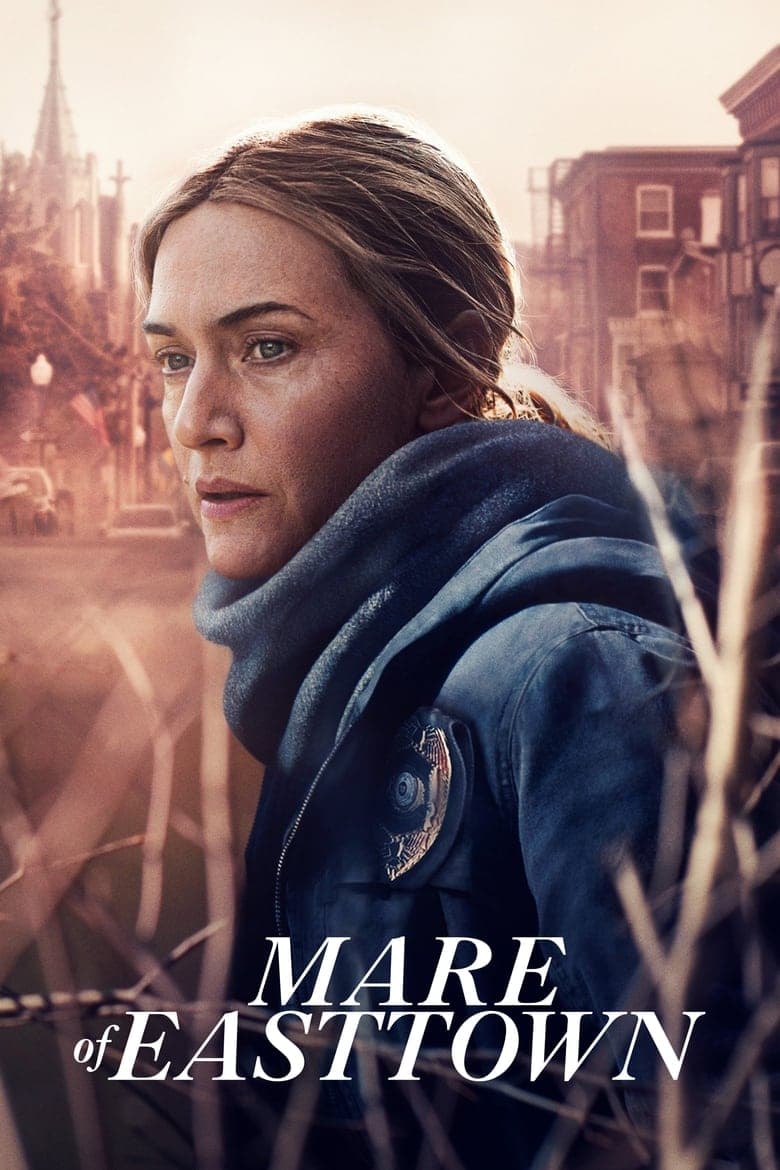
TV Show · 2021
A detective in a small Pennsylvania town investigates a local murder while trying to keep her life from falling apart.
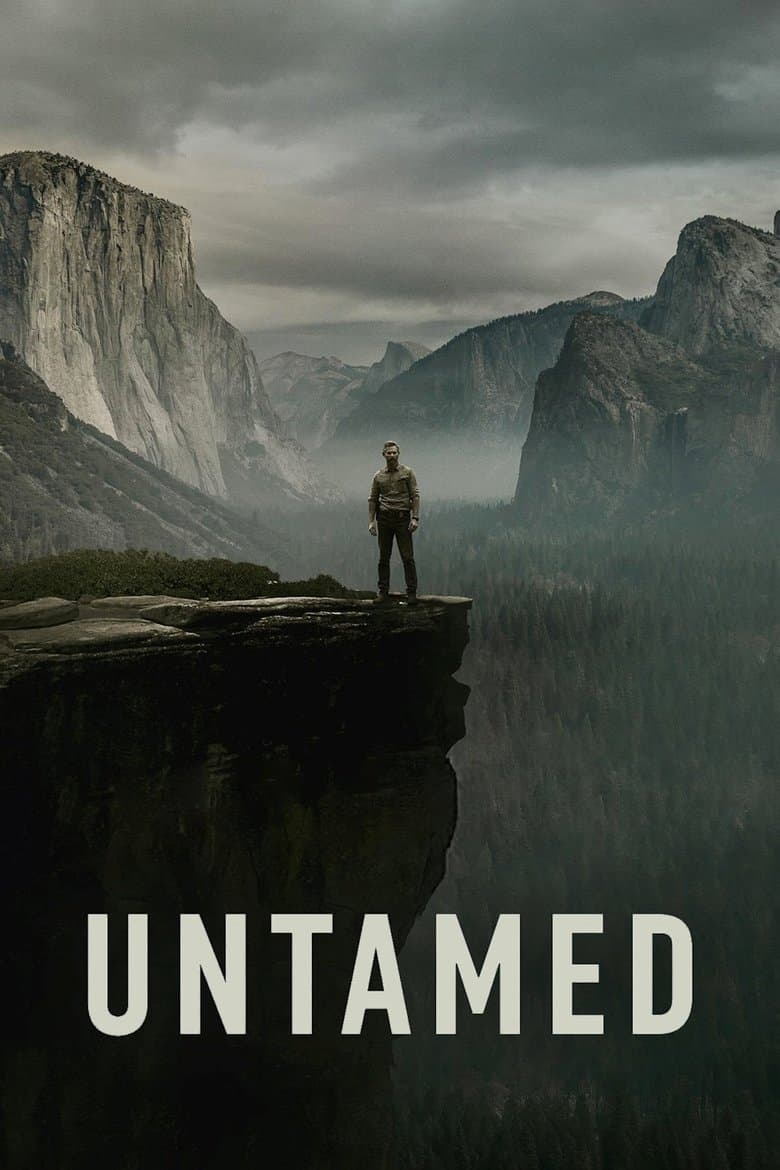
TV Show · 2025
In the vast expanse of Yosemite National Park, a woman's death draws a federal agent into lawless terrain — where nature obeys no rules but its own.
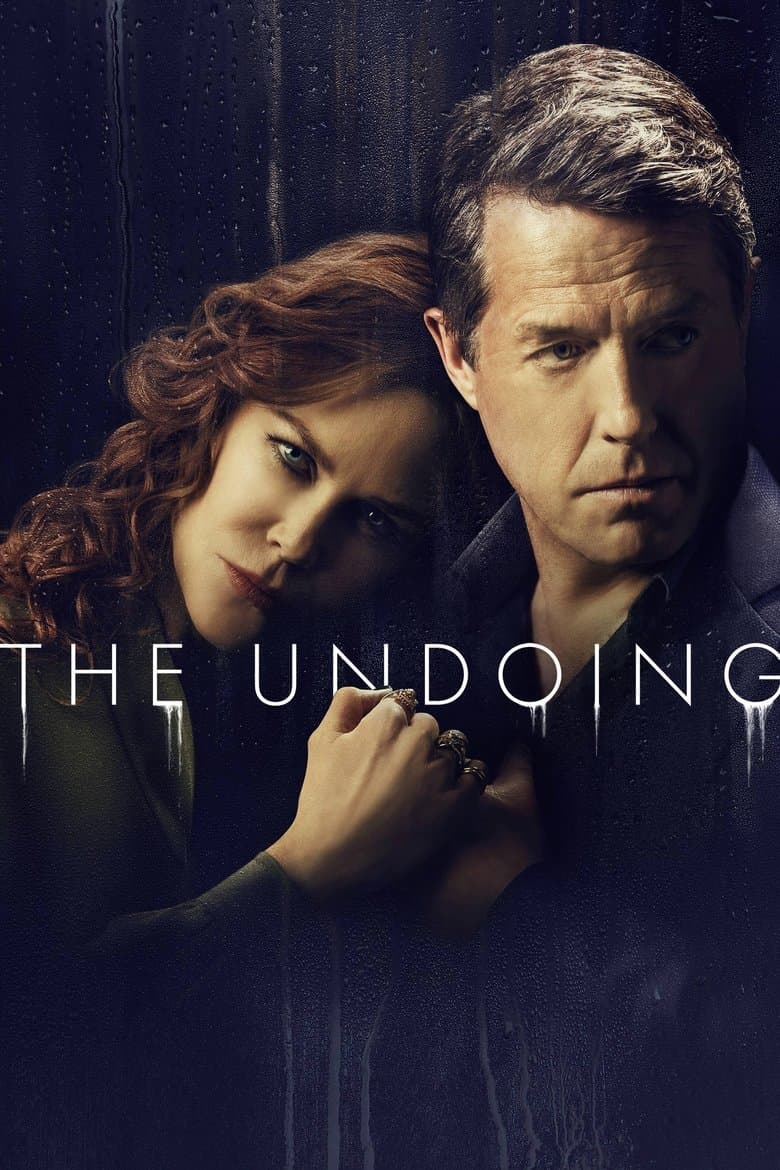
TV Show · 2020
Grace and Jonathan Fraser are living the only lives they ever wanted. Overnight a chasm opens in their lives: a violent death and a chain of terrible revelations.
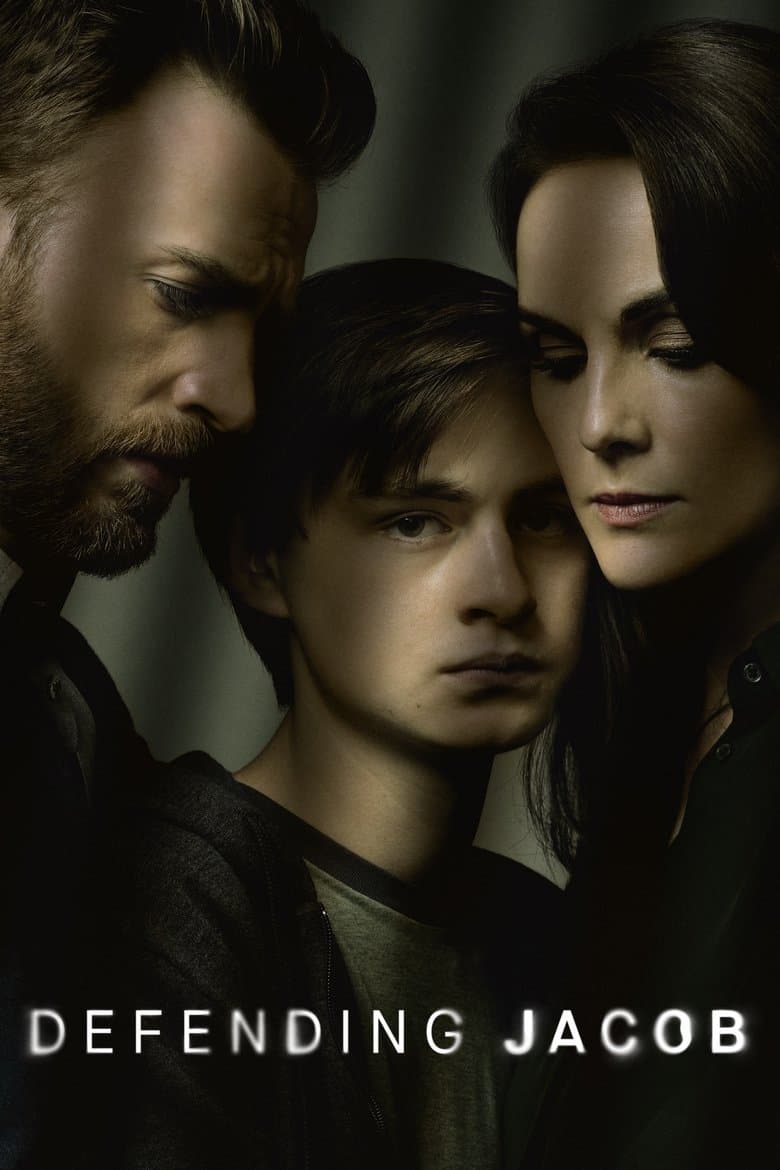
TV Show · 2020
A family's lives are irreparably disrupted when the 14-year-old son is accused of murdering a fellow classmate.
