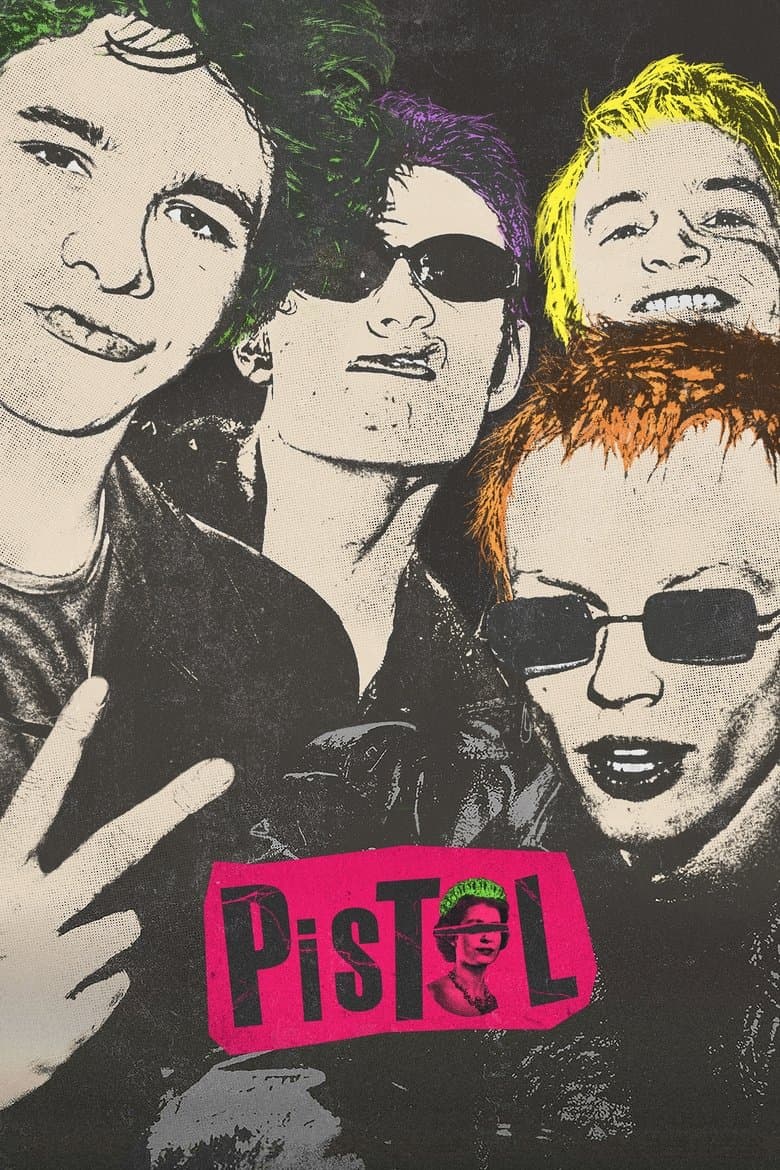
Started May 31, 2022 · Ended · Based on 1 season, 6 episodes through May 31, 2022 · TV-MA
Pistol follows Steve Jones as he grows from a troubled London teenager into the guitarist of the Sex Pistols. In mid-1970s Britain, Steve and his friends form a loud band while Malcolm McLaren turns their anger into public shock. Johnny Rotten challenges Steve, McLaren, the press, and the British establishment as the band rises. The story moves from first rehearsals to the Bill Grundy scandal, Sid Vicious’s arrival, the failed American tour, and the band’s collapse. The tone is fast, grimy, funny, cruel, and sad.
The show gives clear space to women who shaped the scene, including Vivienne Westwood, Jordan, Chrissie Hynde, and Nancy Spungen. Jordan treats clothing and her body as a public challenge to normal rules, and Vivienne links fashion to the way men look at women. The episode about “Bodies” follows a mentally ill woman after an abortion and connects her pain to the band’s anger. The series also attacks the monarchy, the press, record companies, and the wider British system, but Steve’s damaged past, his friendships, and the fight for control remain the main story.
Community feedback
Was our 35% Woke rating accurate?
Breakdown
These are the editorial factors and ratings behind our score for Pistol.
Woke representation / casting
Not present. The main cast matches the mostly white British people in the real Sex Pistols story and its 1970s London setting. Women have important parts because real people such as Vivienne Westwood, Jordan, Chrissie Hynde, and Nancy Spungen shaped the scene. The show does not present those casting choices as a wider diversity message.
0%
Woke political dialogue
The show repeatedly uses anti-establishment and revolutionary talk through Malcolm, Johnny, and the band’s songs. The dialogue attacks the monarchy, the press, record companies, and the British state in the 1970s. The story treats punk rebellion as a way for young people to reject the future set out for them. The message is a recurring historical left-wing signal, but it is not a present-day identity campaign.
28%
Identity-driven story themes
The show treats Jordan’s clothing and body as a public political challenge. The story gives Jordan, Vivienne, Chrissie, and Nancy important links to the band’s culture. The episode about “Bodies” centers abortion, mental illness, and the way outsiders are treated. These ideas recur around punk’s outcasts, but they remain tied to the 1970s story rather than a modern identity campaign.
31%
Western institutional / cultural critique
The show repeatedly presents the 1970s British Establishment, monarchy, police, media, and record companies as stale or controlling. Jordan and Vivienne use fashion to challenge normal rules about women’s bodies and public behavior. The series builds this criticism into the band’s rise, but the message stays rooted in punk’s period setting instead of becoming a broad modern attack on Western institutions.
27%
Woke character or canon changes
Not relevant. The show changes events and viewpoints from Steve Jones’s memoir, but those are normal choices for a music drama. It does not make a clear woke or identity-driven change to an established character or historical event.
0%
Anti-woke backlash and complaints
A Telegraph column called the series an “anti-punk woke wash” because John Lydon was left out. The complaint was shared on X but drew modest attention. The X research found no sustained campaign about DEI, race or gender swaps, girlboss writing, or review bombing. Wider complaints focused on accuracy, Lydon’s lawsuit, and the Steve-centered point of view.
10%
Creator track record context
Craig Pearce has no high-confidence public record of activist or identity-focused advocacy. Danny Boyle is publicly left-leaning and has spoken about cultural identity in past creative choices. Producer Paul Lee has a strong record of backing diverse, minority-led television. The other listed creators and casting directors have little or no documented activist record. This gives Pistol some supporting context, but it does not show that the series is built around woke messaging.
30%
Production
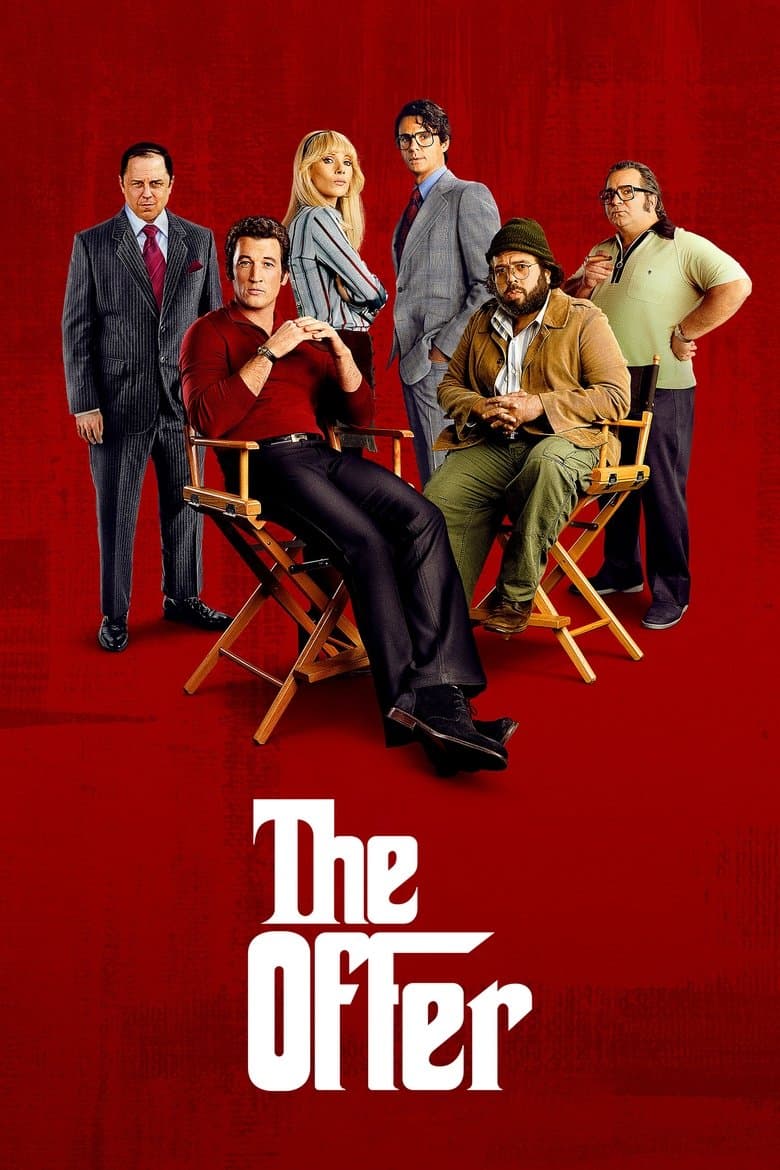
TV Show · 2022
Oscar-winning producer Al Ruddy’s never before revealed experiences of making the iconic 1972 film The Godfather that Francis Ford Coppola directed and adapted with Mario Puzo.
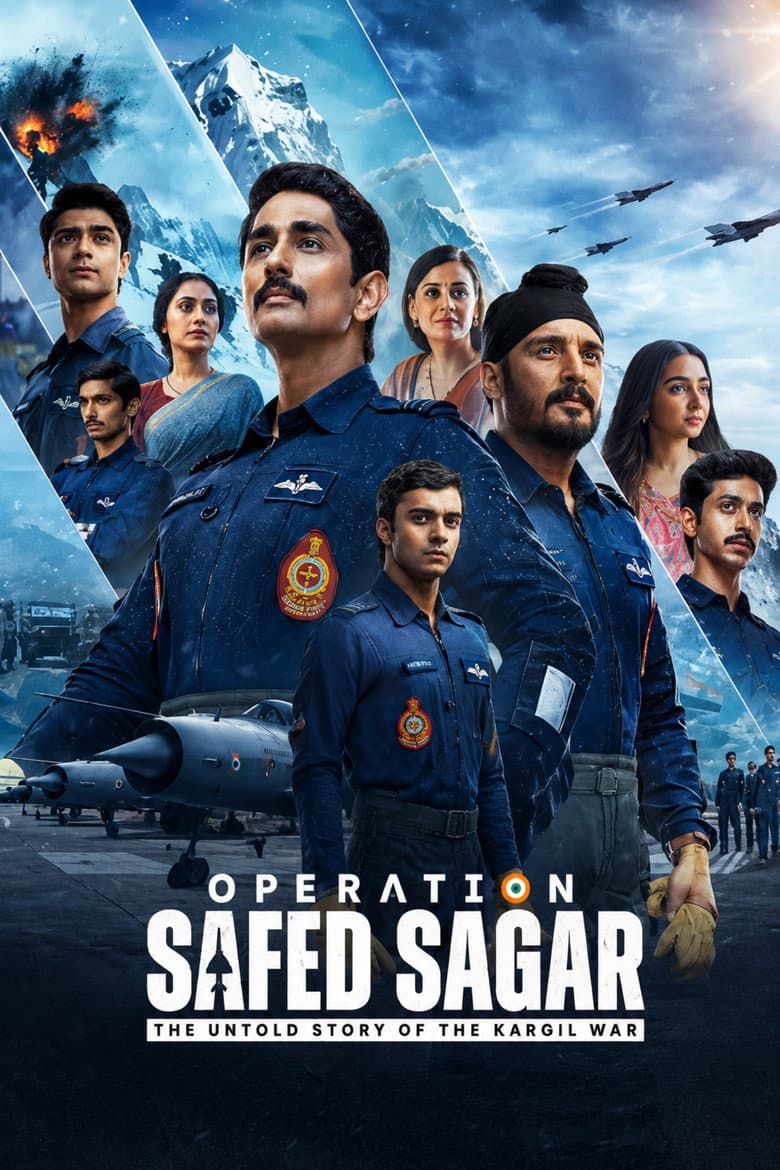
TV Show · 2026
As the Kargil War erupts between India and Pakistan, the Golden Arrows squadron of the Air Force takes flight on a dangerous mission behind enemy lines.
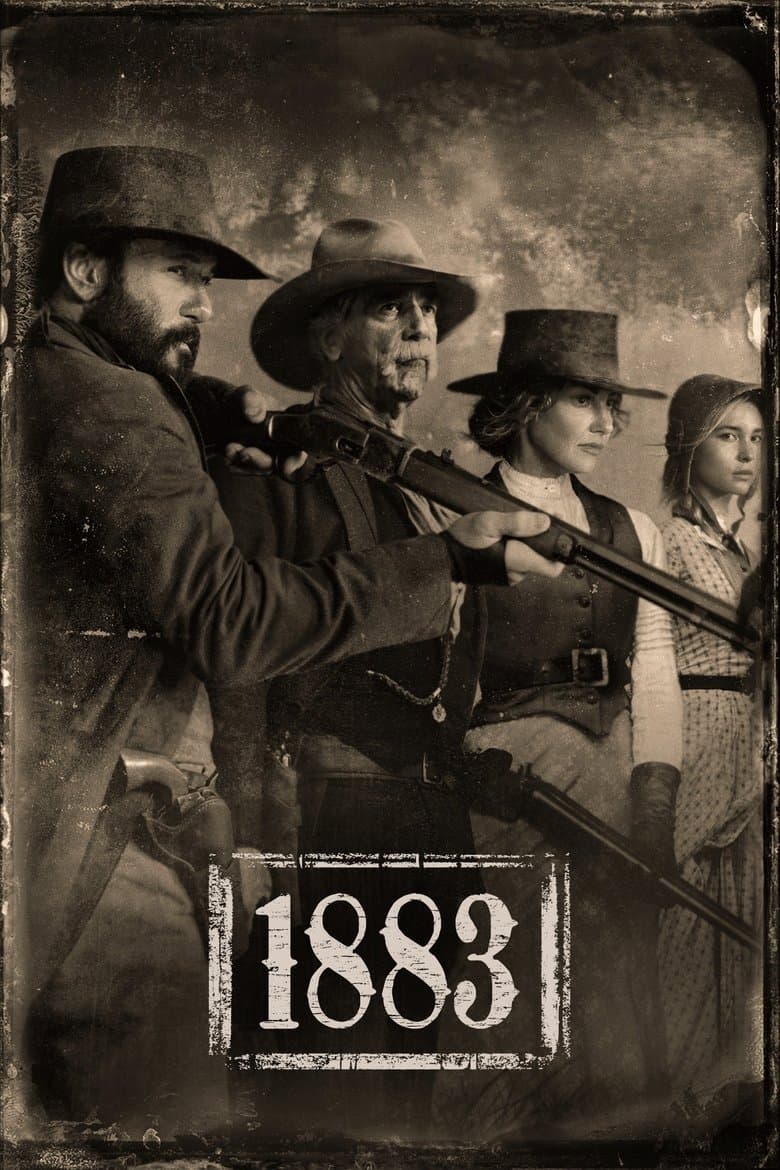
TV Show · 2021
Follow the Dutton family as they embark on a journey west through the Great Plains toward the last bastion of untamed America.
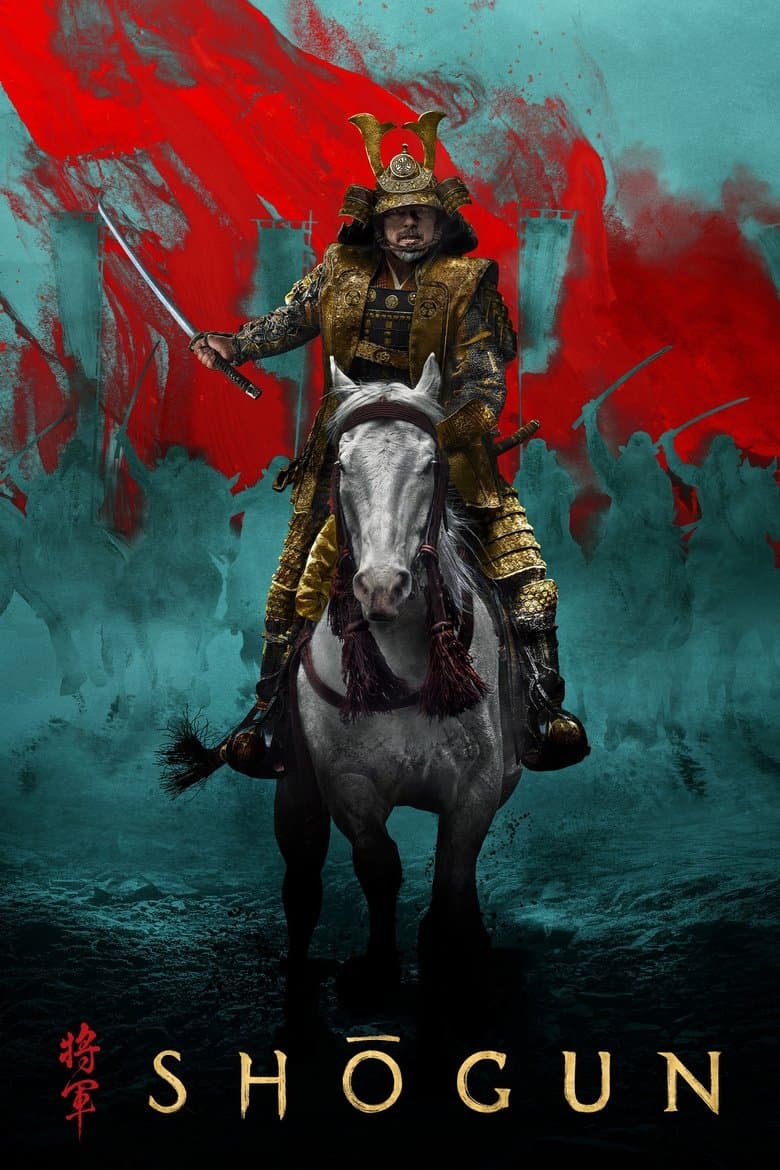
TV Show · 2024
In Japan in the year 1600, at the dawn of a century-defining civil war, Lord Yoshii Toranaga is fighting for his life as his enemies on the Council of Regents unite against him…
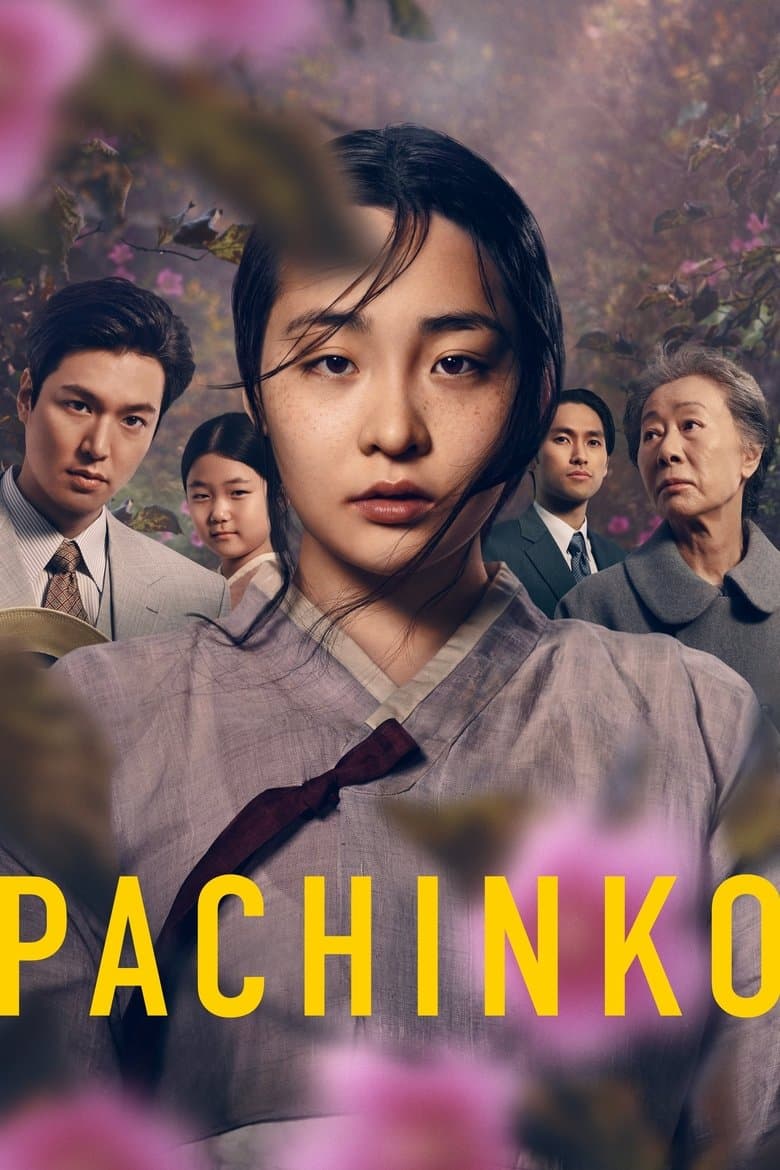
TV Show · 2022
This sweeping saga chronicles the hopes and dreams of a Korean immigrant family across four generations as they leave their homeland in an indomitable quest to survive and thrive.
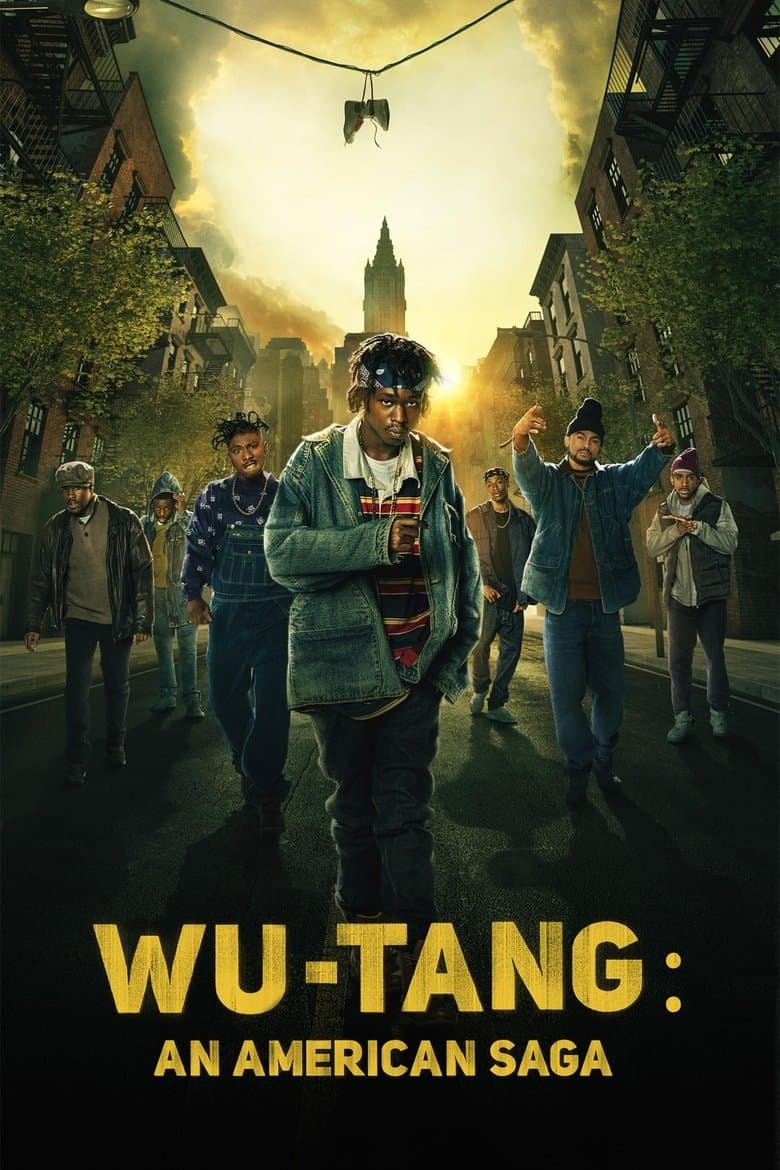
TV Show · 2019
In the early 1990s in New York, during the height of the crack cocaine epidemic, a visionary musician named Bobby Diggs aka The RZA begins to form a super group of a dozen young…
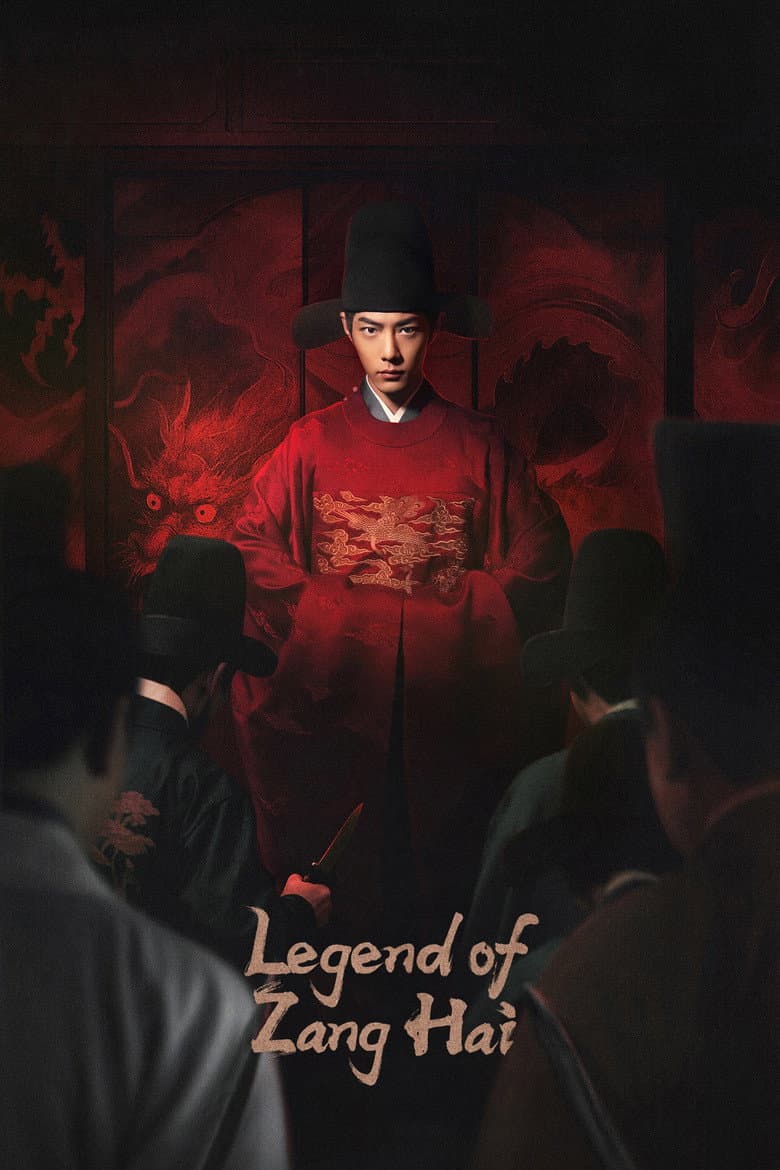
TV Show · 2025
"Legend of Zang Hai" follows the son of Imperial Astronomer Kuai Duo. Consumed by vengeance, he spends a decade honing his skills.
TV Show · 2024
Fascinated by cars since childhood, Brazilian racer Ayrton Senna became a sports legend — until tragedy struck, changing Formula 1 forever.
