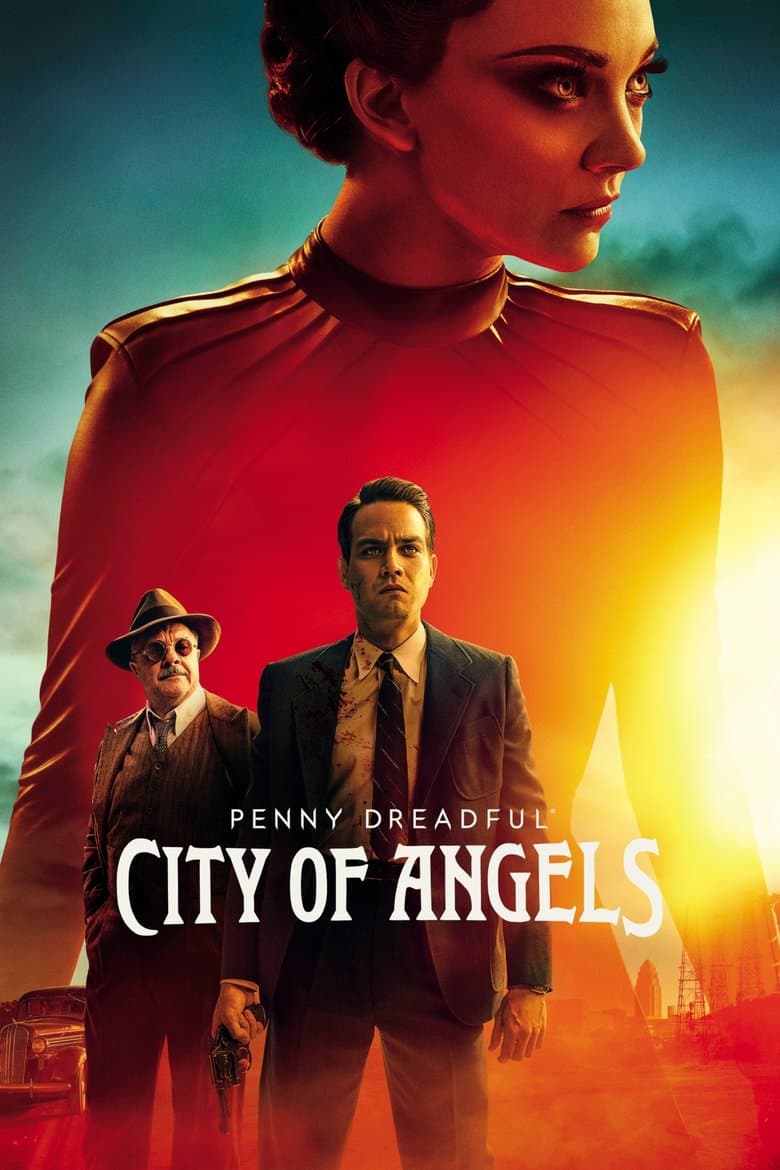
Started April 26, 2020 · Canceled · Based on 1 season, 10 episodes through June 28, 2020 · TV-MA · 60 min
Set in Los Angeles in 1938, the series follows Tiago Vega, the LAPD’s first Mexican-American detective. Tiago and his Jewish partner, Lewis Michener, investigate a brutal family murder while Tiago struggles with his family, his faith, and his place in the police force. Tiago’s brothers fight over a freeway project that threatens their neighborhood. A shape-shifting demon named Magda pushes people toward hatred as her sister, Santa Muerte, tries to protect the dead and guide the living. The tone is dark, violent, and slow, with crime drama, family conflict, folklore, and horror mixed together.
The season makes race and ethnic identity central to its story. Mexican-American pride, police racism, Nazi influence, anti-Semitism, and the destruction of a Chicano neighborhood appear again and again. The show presents the LAPD and city leaders as institutions that can use fear and violence against outsiders. It also includes a closeted gay councilman, a bisexual pachuco leader, and an interracial romance. These identity themes drive the main conflict and become strongest in the police lynching, the riot, and the freeway’s arrival at the Vega home.
Community feedback
Was our 73% Woke rating accurate?
Breakdown
These are the editorial factors and ratings behind our score for Penny Dreadful: City of Angels.
Woke representation / casting
The show places a Mexican-American family at the center and makes Tiago the first Chicano detective in the LAPD. The pachuco gang, Jewish detective, gay councilman, and other identity-linked roles keep representation visible across the season. The 1938 Los Angeles setting gives the main Latino roles a clear story reason, so the score stays moderate.
30%
Woke political dialogue
The show repeatedly has characters speak about racial hatred, police violence, anti-Semitism, Nazi power, and the freeway’s harm to Mexican neighborhoods. Raul argues against the city plan, while Nazi organizers use nationalist language and officials exploit fear. Tiago and Lewis later face a police lynching and a violent protest. The season also uses 1938 events to speak directly about racism and police abuse in the present.
65%
Identity-driven story themes
The story makes race and ethnic identity the main link between its crime plots and supernatural conflict. The Vega family, pachuco youth, Jewish detective, Nazi sympathizers, and interracial romance all turn identity into major story pressure. Magda turns fear of ethnic groups into a race war, while the show gives Mexican-American pride and survival a major sympathetic role. The finale joins a police lynching, a riot, and the destruction of a Chicano neighborhood.
68%
Western institutional / cultural critique
The LAPD is shown as racist and violent even when Tiago and Lewis are presented as good officers. The city uses a freeway plan to divide and remove a Mexican-American neighborhood. Nazi groups and radio politics spread fear, while officials exploit ethnic tension for power. The finale makes institutional failure part of the conflict when officials demolish the Vega family area. The season treats these institutions as a warning that still matters, not just as old history.
55%
Woke character or canon changes
Not relevant. The spin-off uses new characters and a new 1938 Los Angeles story rather than changing established Penny Dreadful characters or canon.
0%
Anti-woke backlash and complaints
A few small X accounts called the spin-off a “white man bad” race diatribe and said it painted dissenters as racist. Other small posts called the race writing preachy and badly researched. One audience review called the show politically driven and said it checked diversity boxes. The reaction stayed fringe, with no clear boycott, review-bombing drive, or large right-leaning campaign.
15%
Creator track record context
John Logan has a recorded pattern of writing outsider characters and racial displacement, and he tied this show to present-day social conflict. Jose Rivera has a stronger history of writing about Latino identity, immigration, poverty, and anti-war politics. Producer Pippa Harris has backed a writing program for Black, Asian, and other minority writers, while most other cached crew profiles show little public activist work.
40%
Production
TV Show · 2017
A missing child sets four families on a frantic hunt for answers as they unearth a mind-bending mystery that spans three generations.
TV Show · 2024
A mysterious event traps people on a rural Georgia farm, forcing them to unite against an unknown, deadly force. A young boy named Arlo becomes central to uncovering the truth.
TV Show · 2021
This terrifying thriller follows widow Lisey Landon as a series of disturbing events revives memories of her marriage to author Scott Landon and the darkness that plagued him.
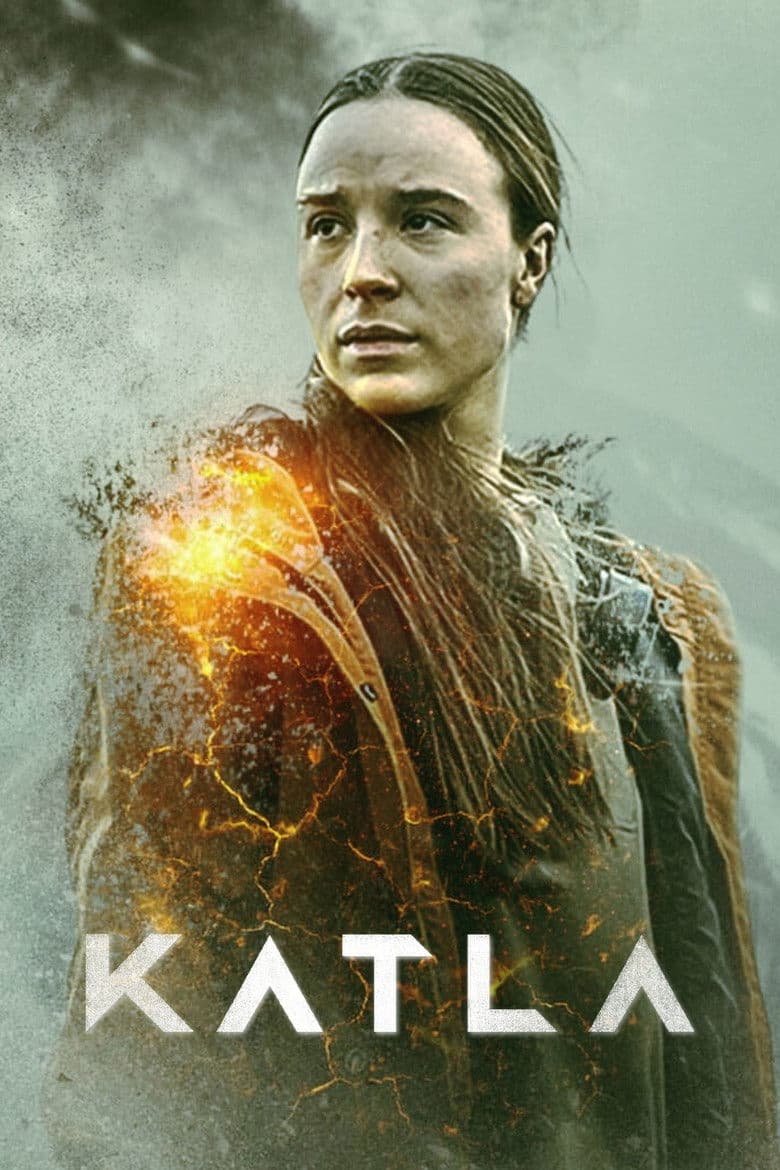
TV Show · 2021
A year after a subglacial volcano erupts, mysterious elements from prehistoric times emerge from the melting ice, bringing unforeseen consequences.
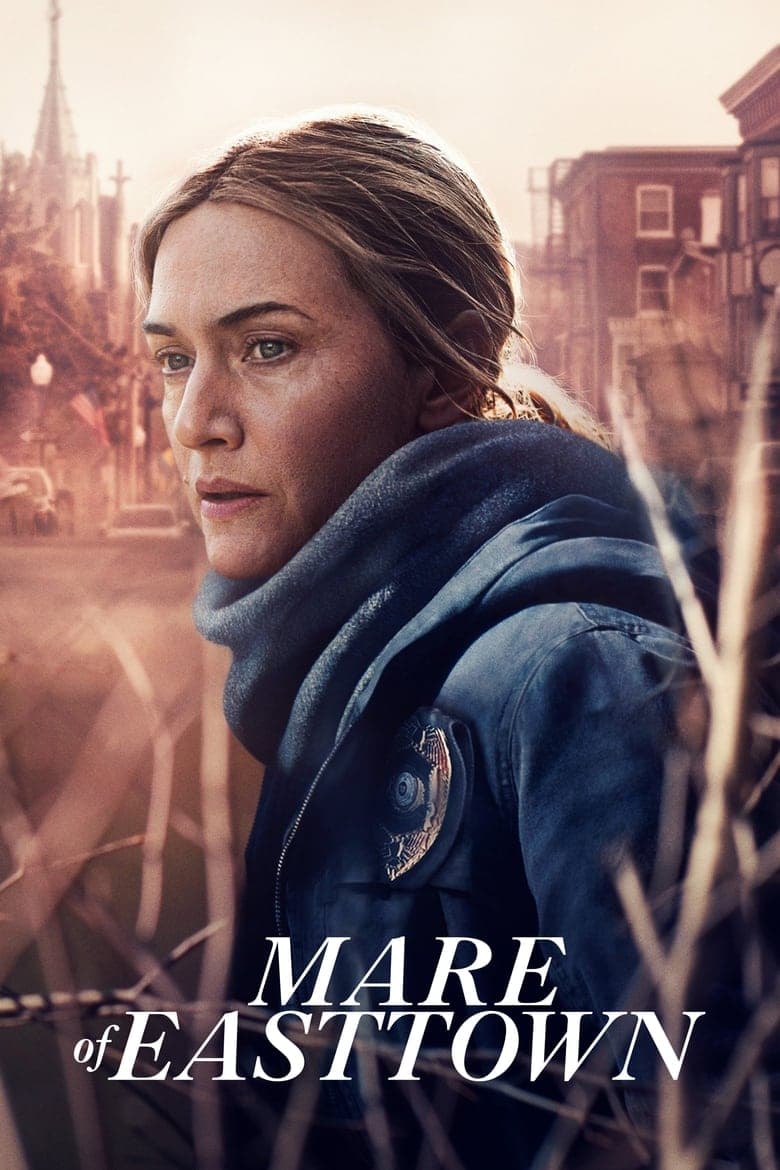
TV Show · 2021
A detective in a small Pennsylvania town investigates a local murder while trying to keep her life from falling apart.
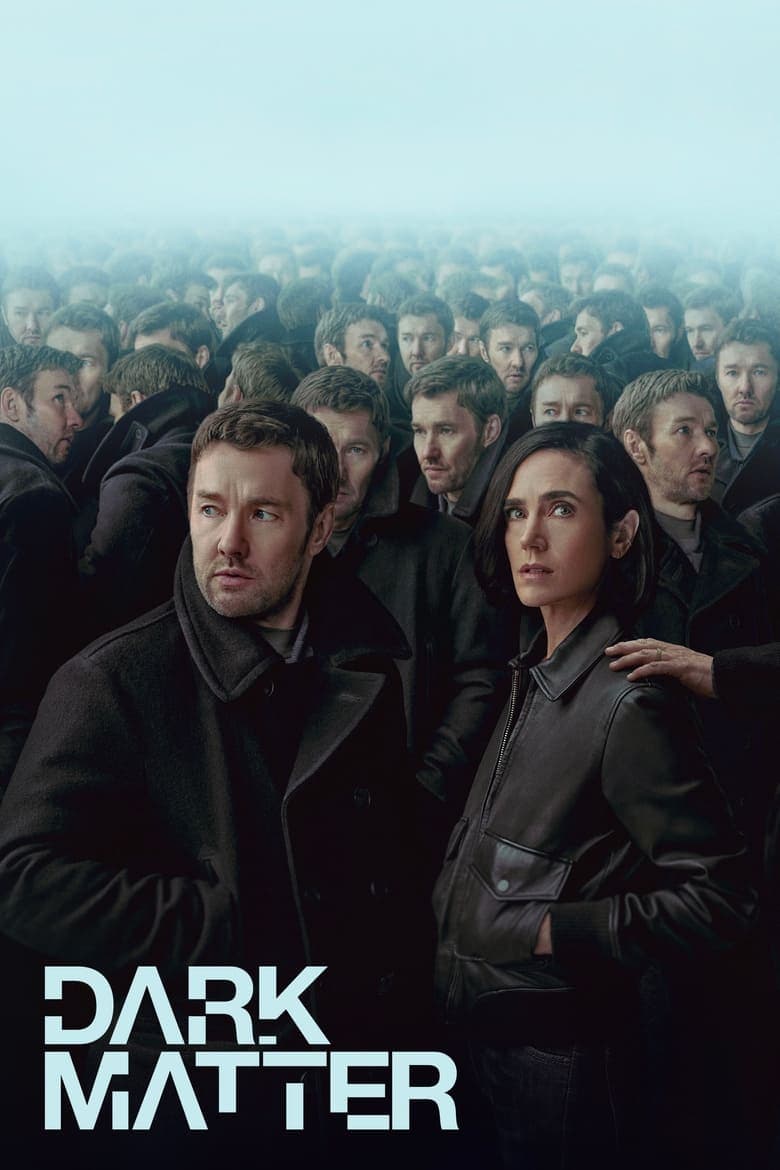
TV Show · 2024
Jason Dessen is abducted into an alternate version of his life. To get back to his true family, he embarks on a harrowing journey to save them from the most terrifying foe…
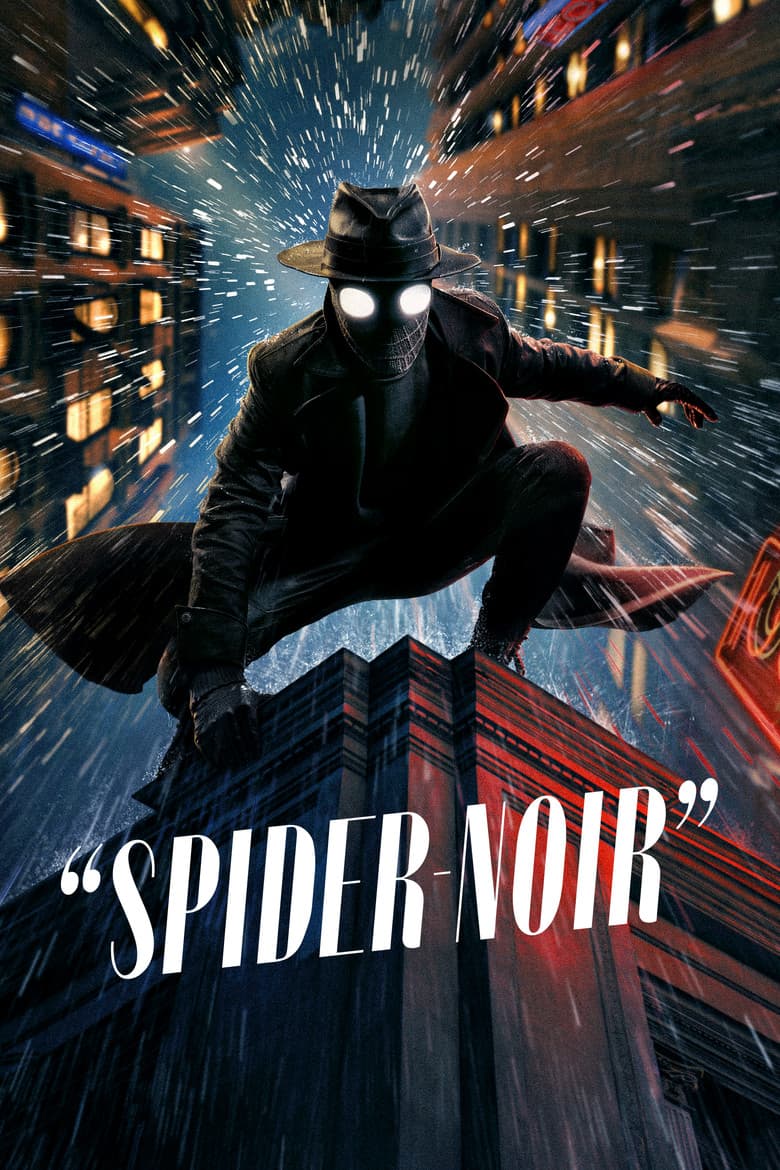
TV Show · 2026
Ben Reilly, an aging and down on his luck private investigator in 1930s New York, is forced to grapple with his past life as the city's one and only superhero.
TV Show · 2016
In the near future a family must make difficult decisions as they balance staying together with trying to survive.
