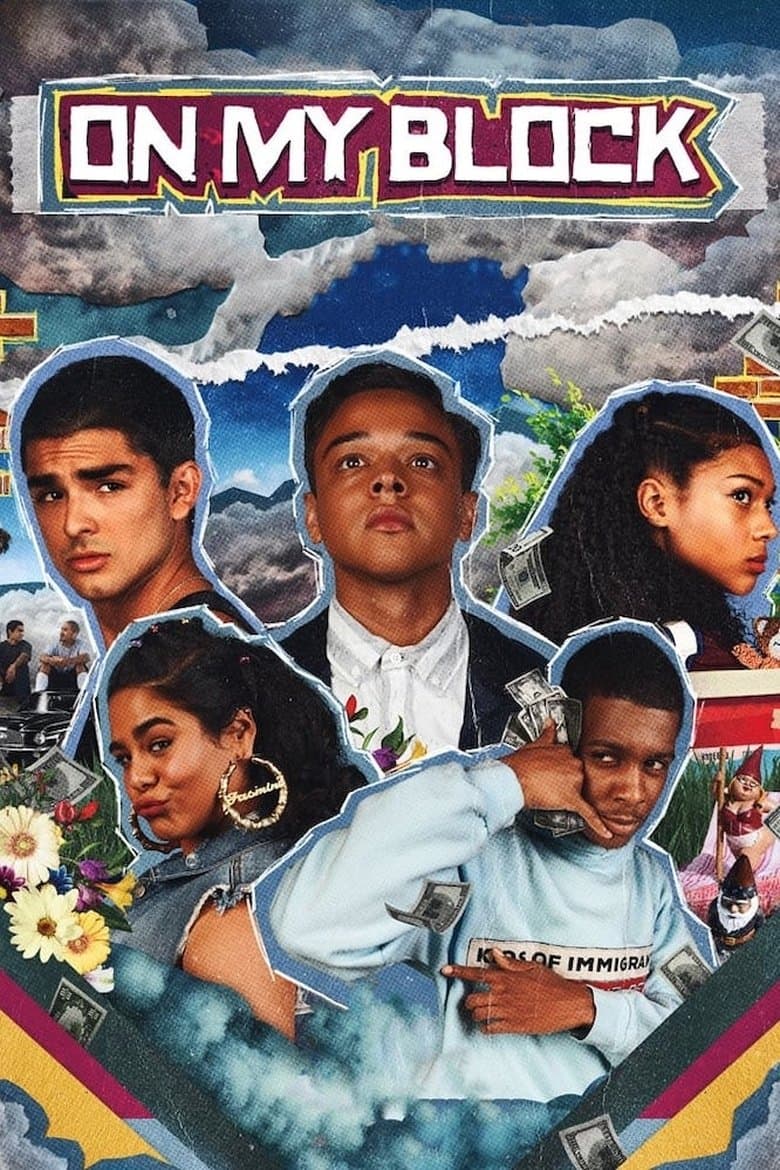
Started March 16, 2018 · Ended · Based on 4 seasons, 38 episodes through October 4, 2021 · TV-14
On My Block follows four smart friends, Monse, Cesar, Ruby, and Jamal, as they start high school in Freeridge, a rough Los Angeles neighborhood. Their friendship is tested by gang pressure, buried money, romance, grief, and secrets about their families. Cesar is pushed toward the Santos gang, while the others try to protect him and keep their group together. The show mixes sharp teen comedy with gun violence, death, fear, and painful growing-up stories.
The show gives strong space to Black, Latino, and Afro-Latino teens and treats their neighborhood as a home with joy, family, and danger. Stories about deportation, race, class, and trying to fit into a richer white world appear beside the gang plot. Monse's fight with her mother centers on race and abandonment, and the last season stresses that Monse and Jasmine can grow without needing a man to complete them. These ideas are visible and return across the series, but friendship, romance, gang conflict, grief, and the RollerWorld mystery remain more important than political speeches.
Community feedback
Was our 39% Woke rating accurate?
Breakdown
These are the editorial factors and ratings behind our score for On My Block.
Woke representation / casting
The main cast places Black, Latino, and Afro-Latino teens at the center of a story set in a mostly black and Latino South Central Los Angeles neighborhood. The setting makes those choices mostly fit the story world. The creators also described the show as a way to put kids of color at the center and let them be the heroes instead of waiting for an outside white person to save them. The casting carries a clear representation message, but it does not show a major identity mismatch or an obviously built “one of each” group.
30%
Woke political dialogue
The dialogue sometimes uses direct race and identity language. A season 2 scene jokes that police use a racial quota and says Jamal is more than a number or statistic. The same season uses gun-control language, talks about privilege, and compares speaking up with the work of Martin Luther King Jr. and Cesar Chavez. Season 4 adds a class-election joke about a POC platform, a “woke enough to be fluid” line, and a campaign ad calling a boy toxic, but these moments are scattered and often played for laughs.
30%
Identity-driven story themes
The show centers Black, Latino, and Afro-Latino teens and gives their families, language, and neighborhood a full place in the story. Season 1 and season 2 include deportation, race, grief after gun violence, and arguments about class and privilege. Monse's story asks whether her mother left because Monse did not fit the richer white world, and season 4 gives Monse and Jasmine a strong message about growing without needing men. Friendship, gang danger, romance, and mystery still drive more of the show than identity politics.
35%
Western institutional / cultural critique
The show presents police as a possible source of unfair treatment, including a scene about racial quotas and being treated as a statistic. Jamal also says religion is the world's number one problem after surviving a shooting, but the story does not make that view its main message. Monse's move between Freeridge and wealthy Brentwood creates a small contrast between communities and family life. Gang violence, family conflict, and teen choices matter more than a continuing attack on Western institutions or traditional norms.
25%
Woke character or canon changes
Not relevant. The series is an original story about teenagers in Freeridge. The plot does not change a known book, franchise character, or real historical event.
0%
Anti-woke backlash and complaints
Not present. The supplied X pass found no anti-woke complaints. Web coverage found fan arguments about the final season and a casting dispute centered on demands for more accurate representation, not claims that the show pushes DEI or left-wing politics.
0%
Creator track record context
Lauren Iungerich has publicly backed authentic representation and wider chances for female, Black, and Latino talent. Eddie Gonzalez has publicly called for greater Latino inclusion in Hollywood. Jeremy Haft has no high-confidence record of activist or identity-driven politics, while the cached director and casting context is also limited. The combined creator track record gives a moderate signal, not a strong activist one.
35%
Production
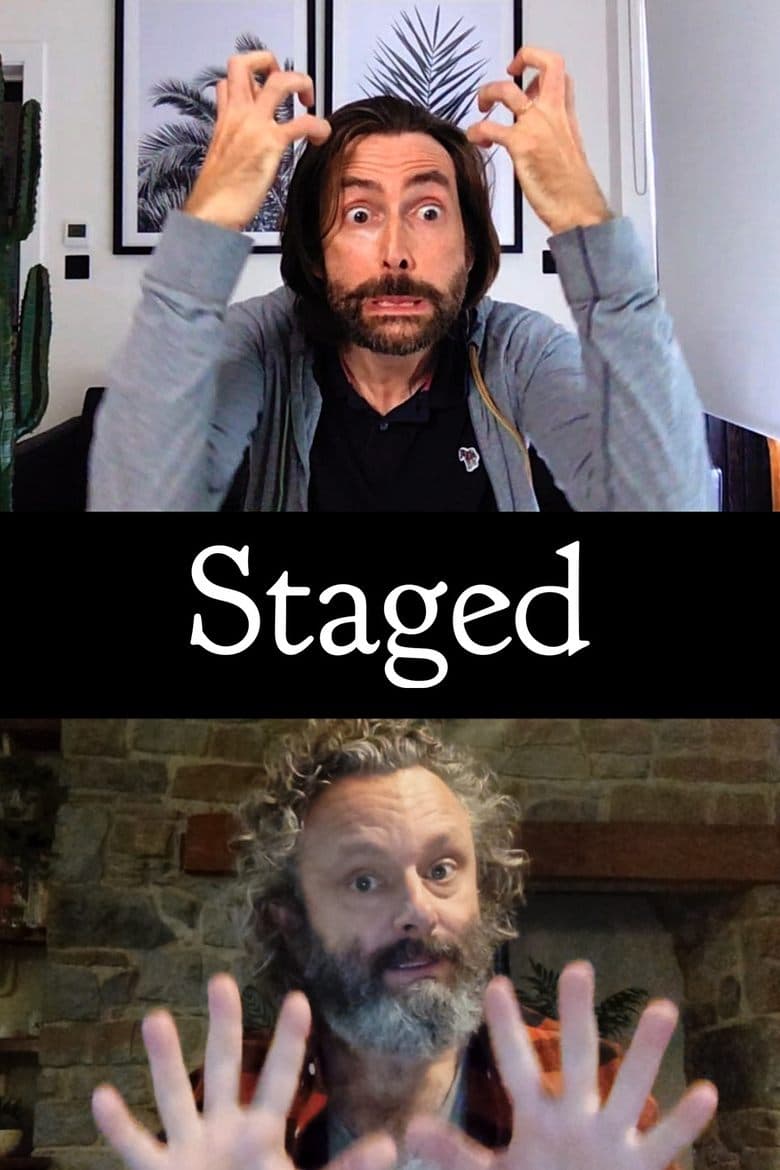
TV Show · 2020
David Tennant and Michael Sheen (playing themselves) were due to star in a production of 'Six Characters in Search of an Author' in the West End.
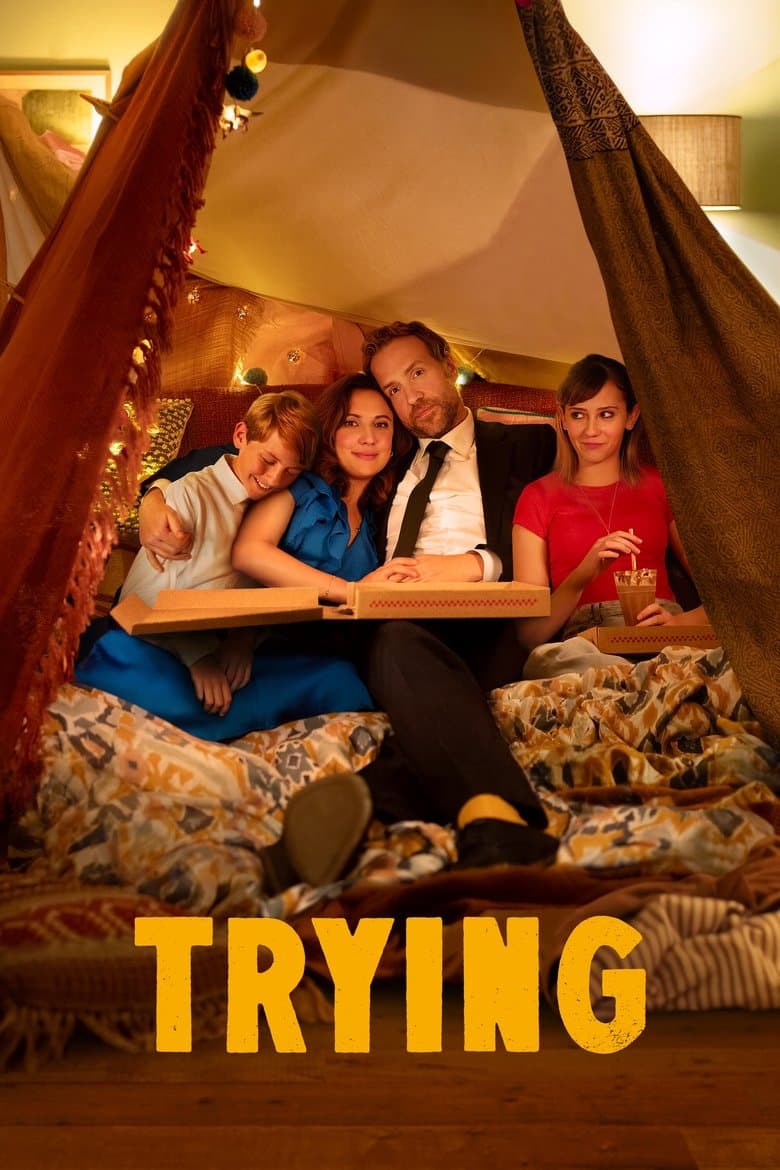
TV Show · 2020
All Nikki and Jason want is a baby—the one thing they can't have. So they decide to adopt. With their dysfunctional friends, screwball families, and chaotic lives, will the…

TV Show · 2016
Jeremy Clarkson, Richard Hammond and James May are back with a show about adventure, excitement and friendship...
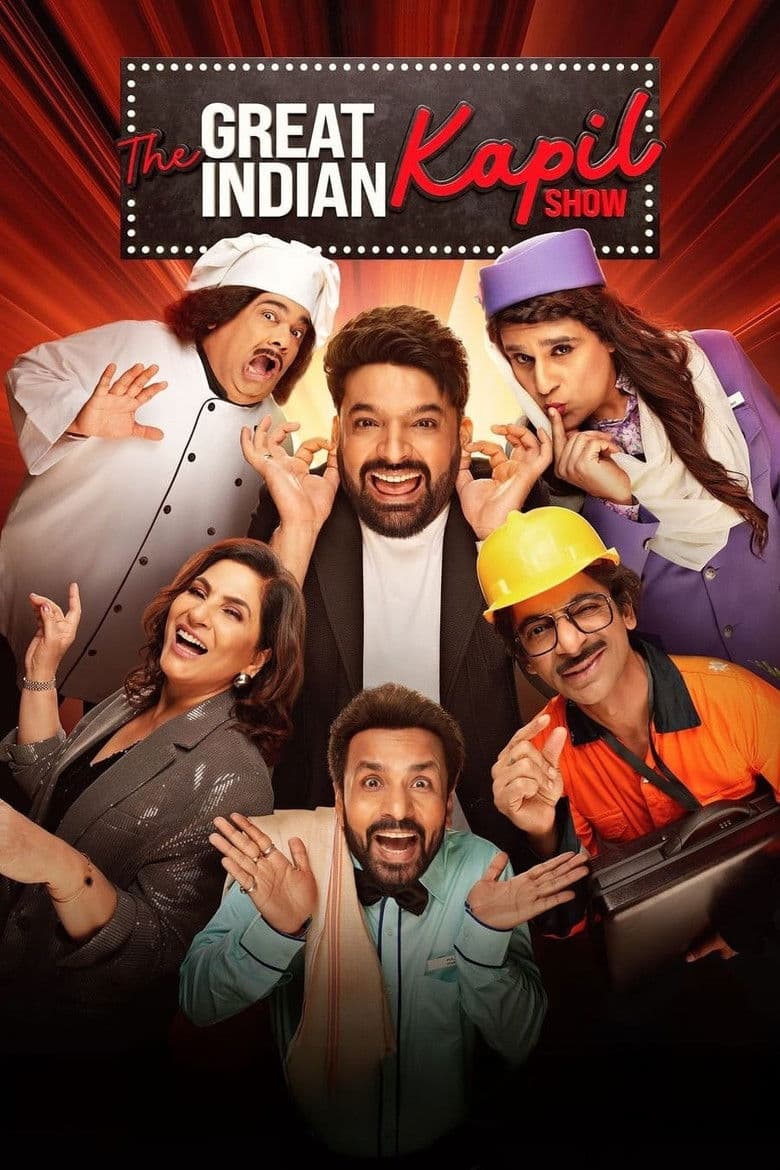
TV Show · 2024
Comedian Kapil Sharma hosts this laugh-out-loud variety talk show with celebrity guests, hilarious antics and his signature supporting cast.
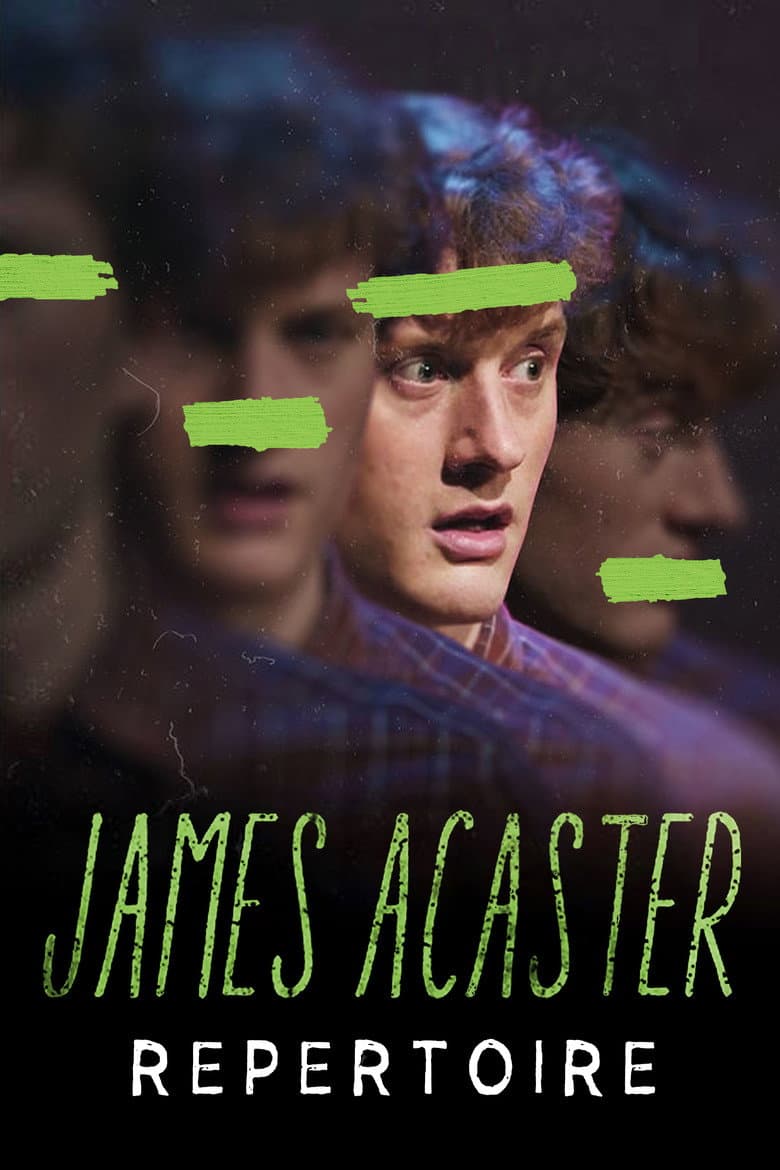
TV Show · 2018
Offbeat comic James Acaster covers the strange, the mundane and everything in between in this collection of four wide-ranging stand-up specials.
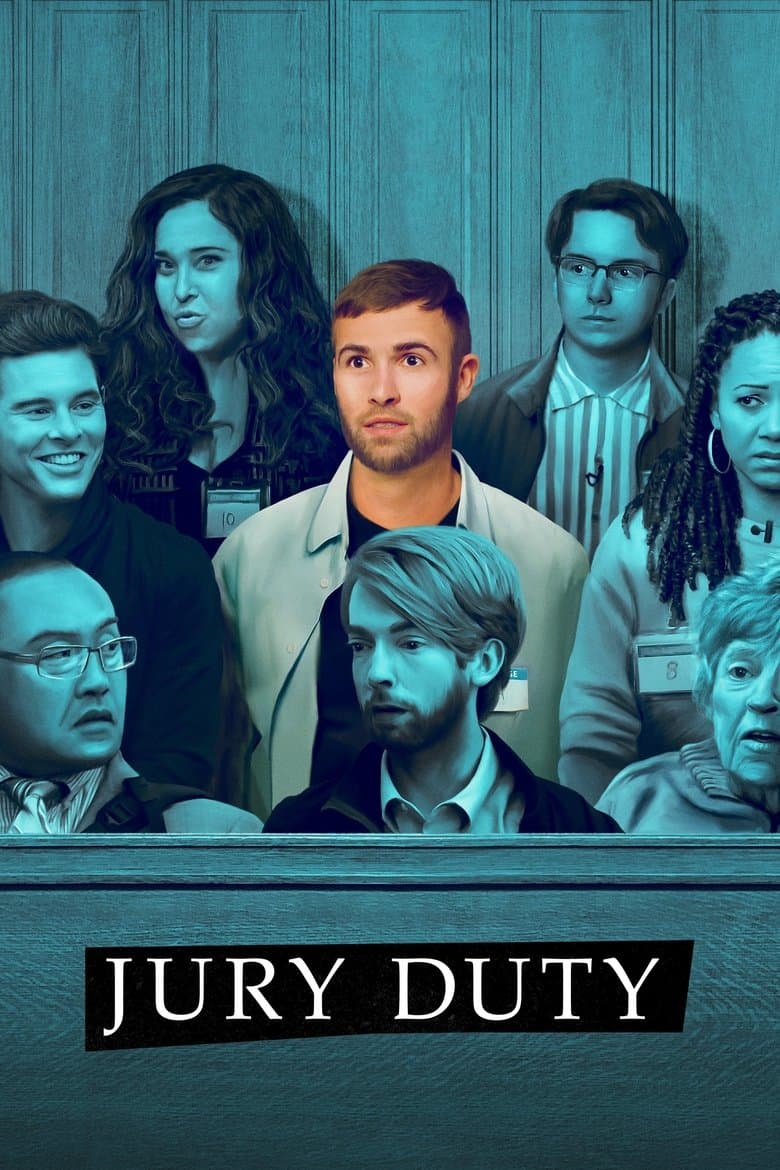
TV Show · 2023
The inner workings of an American jury trial through the eyes of one particular juror, Ronald Gladden. Gladden is unaware the entire case is fake, everyone except him is an actor…
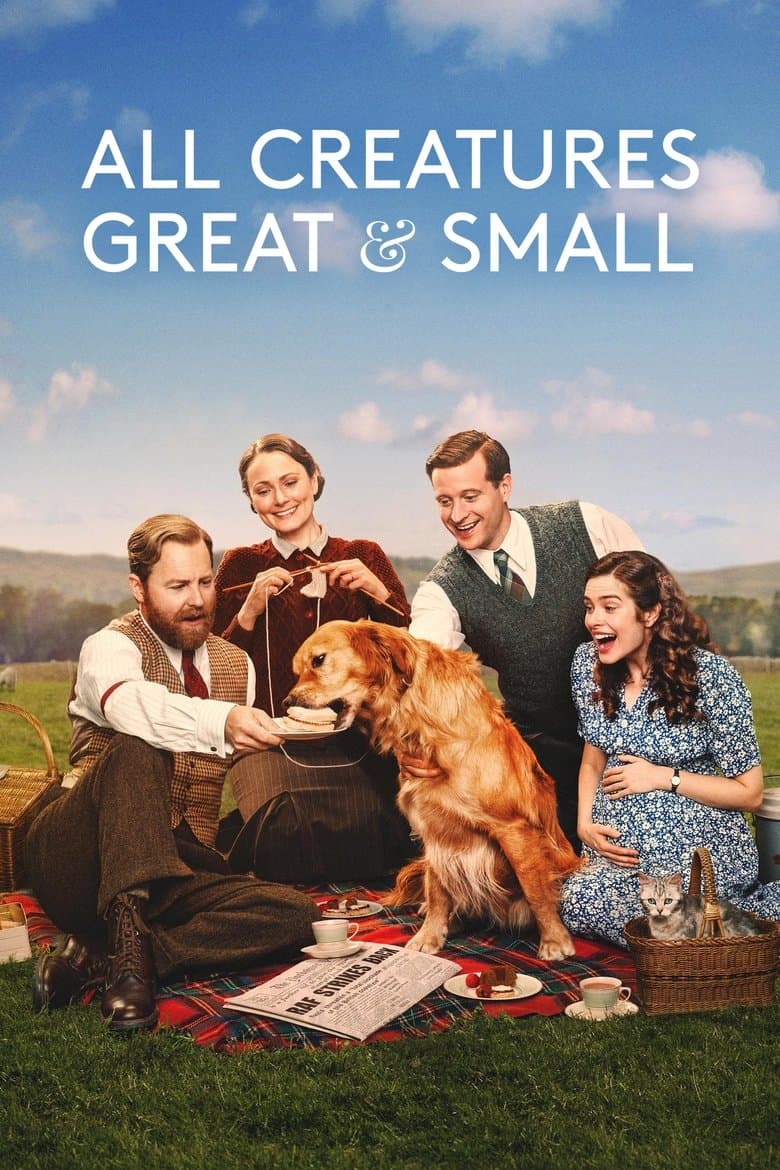
TV Show · 2020
The heartwarming and humorous adventures of a young country vet in the Yorkshire Dales in the 1930s. A remake of the 1978 series.
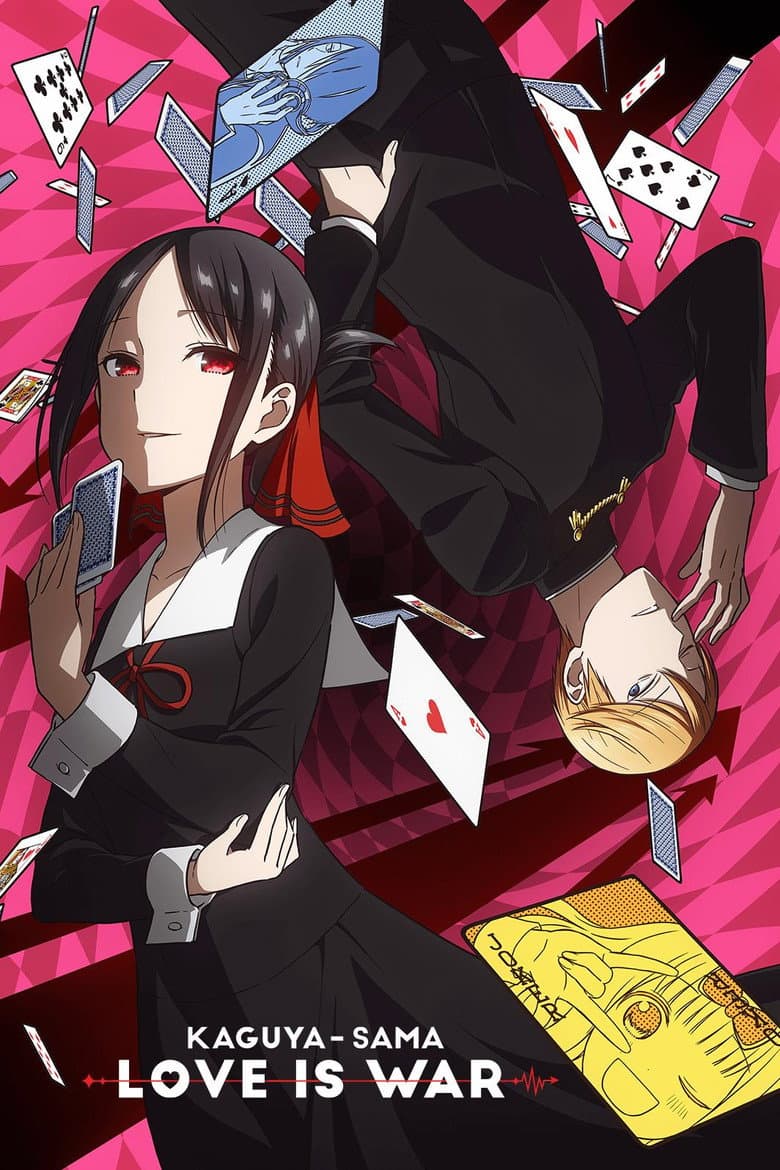
TV Show · 2019
Considered a genius due to having the highest grades in the country, Miyuki Shirogane leads the prestigious Shuchiin Academy's student council as its president, working alongside…
