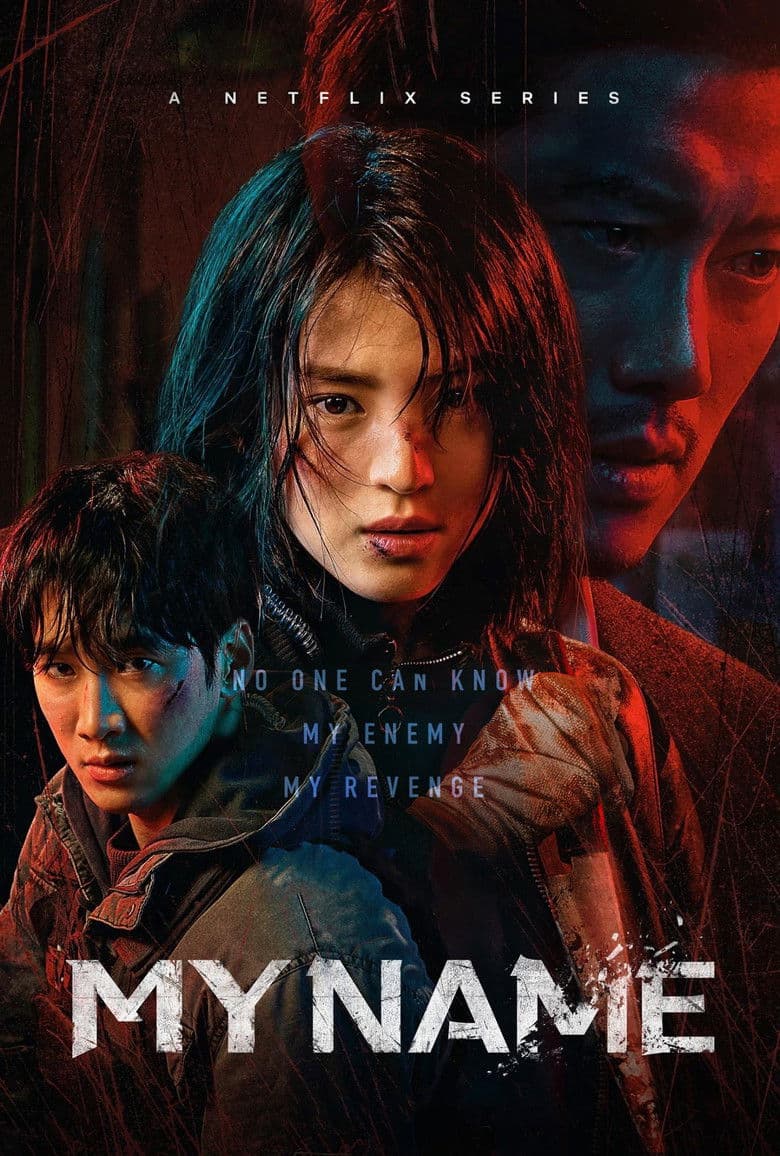
Started October 15, 2021 · Ended · Based on 1 season, 8 episodes through October 15, 2021 · TV-MA · 50 min · Korean
My Name follows Yoon Ji-woo, a 17-year-old girl who sees her gangster father get shot outside their home. She joins his crime boss friend, Choi Mu-jin, and trains to find the killer. Five years later, she uses a new name to enter a police drug unit while secretly serving the gang. The eight-episode season is a dark, bloody revenge thriller about lies, loyalty, family, and the cost of living for revenge.
The main audience-visible identity element is a strong female lead placed at the center of a male crime world. Ji-woo is repeatedly shown beating male gang members, escaping an attempted rape, leading dangerous missions, and taking the final fight to the killer. The show uses sexist insults and a sexual assault threat to contrast her power with male violence. These ideas recur through the season, but the plot stays focused on personal revenge rather than speeches about politics, race, or social programs.
Community feedback
Was our 45% Woke rating accurate?
Breakdown
These are the editorial factors and ratings behind our score for My Name.
Woke representation / casting
The show places a Korean woman in the lead police and crime roles and makes her the main fighter in a male-dominated world. The director said the female lead was a key reason to take the project, and release coverage called it a female-led noir. The modern Korean setting makes a woman police officer possible, so the choice is a focused gender signal rather than a mixed-race or diversity-first cast. The identity emphasis is clear in the lead role but does not spread across most major characters.
34%
Woke political dialogue
The gang members repeatedly use gendered insults toward Ji-woo in episode 2. Men mock her for beating a man and call her sexual names before attempting to assault her. These lines show gender hostility, but the season does not include repeated activist speeches or policy debate.
19%
Identity-driven story themes
Ji-woo becomes the season’s main fighter and problem solver in a world run by male gang leaders and police officers. She trains, beats groups of men, escapes an attempted rape, and takes the final revenge fight into her own hands. The story repeatedly presents female toughness and refusal to accept male control as her path forward. The message is strong and recurring, but the plot remains a personal crime revenge story rather than a wider political movement.
58%
Western institutional / cultural critique
The gang members treat Ji-woo as weak and sexually available, then react with violence when she refuses them. Male crime bosses and police commanders also use her as a tool, which makes male authority look dangerous and untrustworthy. This gender conflict returns as she moves between the gang and police. The story does not turn it into an attack on Christianity, family life, capitalism, or Western society.
29%
Woke character or canon changes
Not relevant. This series is an original story about fictional people. It does not change a known character, book, franchise, or real event.
0%
Anti-woke backlash and complaints
Not present. No broad anti-woke complaint was found in release coverage or audience threads. A lone Filmweb comment praised the lack of woke content, but it did not attack the show.
0%
Creator track record context
Kim Ba-da, Oh Chung Pung, and Yeom Jun-ho have no known activist pattern in the cached context. Kim Jin-min has a low creator-context score and is mainly known for commercial Korean thrillers. The group adds only a very small creator-context signal.
5%
Production

TV Show · 2024
A young boy growing up in the suburbs of 1980s Brisbane faces the harsh realities of life — and the looming dangers that threaten his family.
TV Show · 2018
After his daughter goes missing, a widower begins uncovering the dark secrets of the people closest to him.
TV Show · 2020
Grace and Jonathan Fraser are living the only lives they ever wanted. Overnight a chasm opens in their lives: a violent death and a chain of terrible revelations.
TV Show · 2025
A brash but brilliant cop becomes head of a new police department, where he leads an unlikely team of misfits in solving Edinburgh's cold cases.
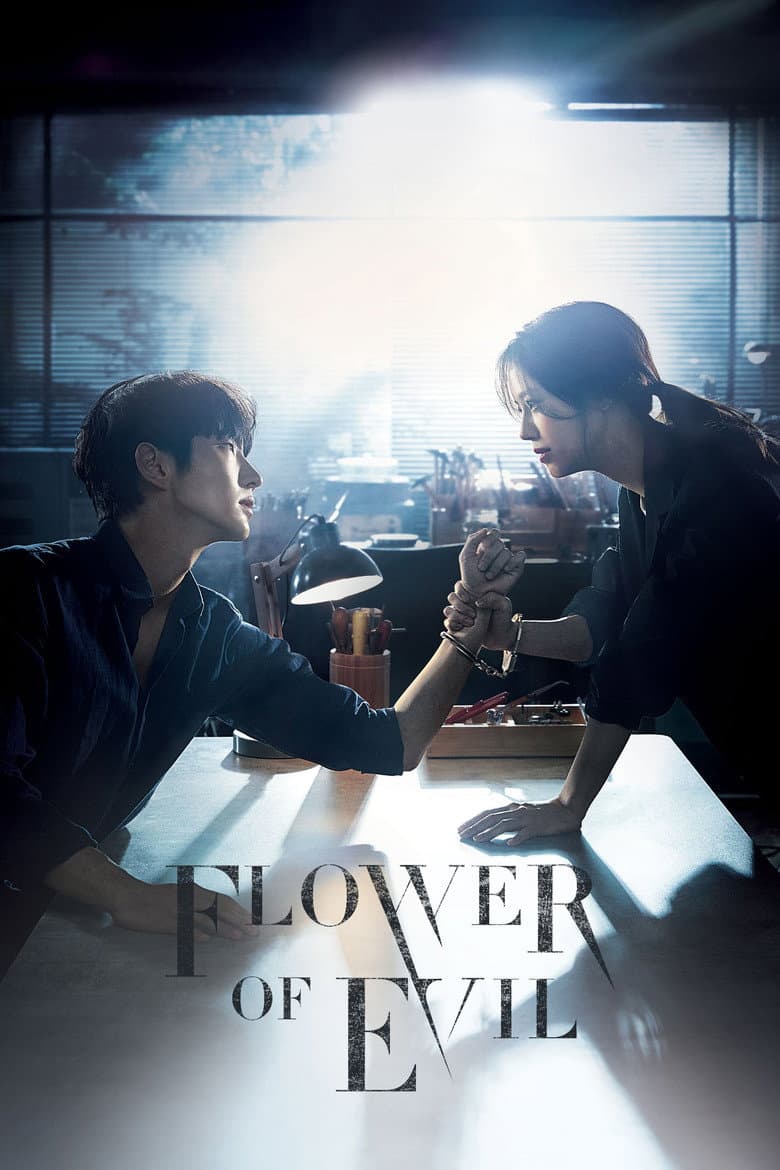
TV Show · 2020
Hiding a twisted past, a man maintains his facade as the perfect husband to his detective wife — until she begins investigating a series of murders.
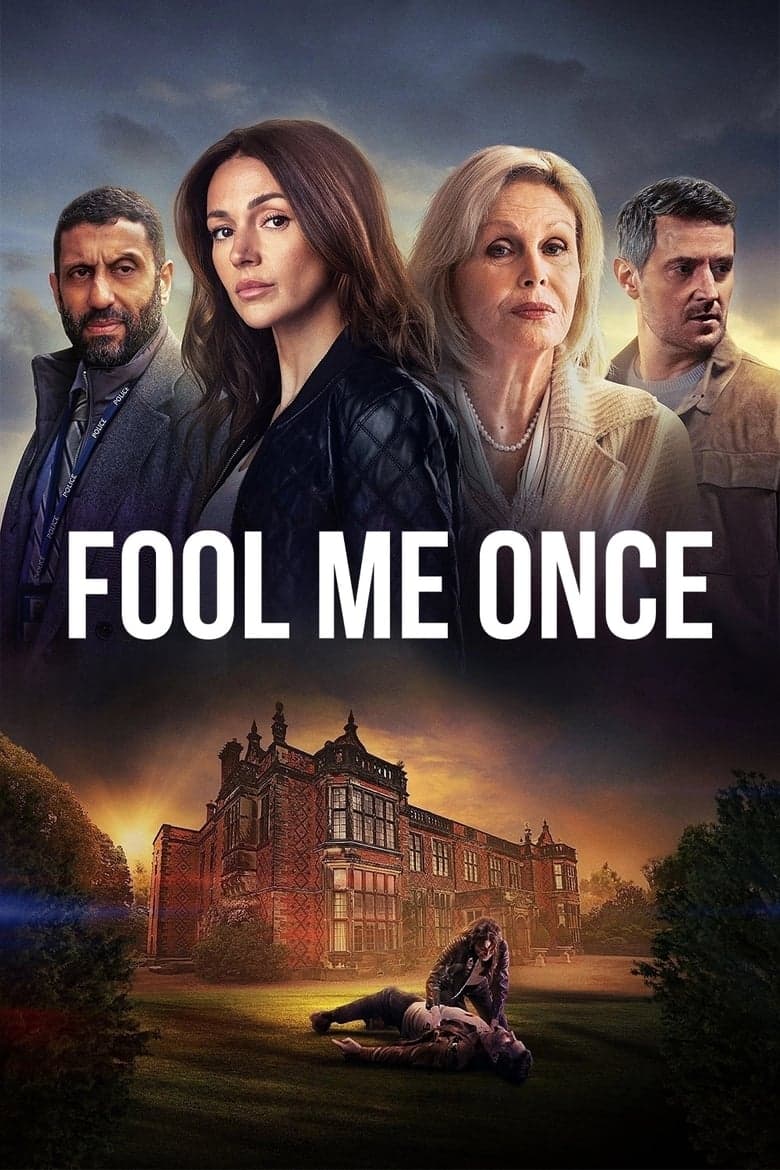
TV Show · 2024
When ex-soldier Maya sees her murdered husband on a secret nanny cam, she uncovers a deadly conspiracy that stretches deep into the past.
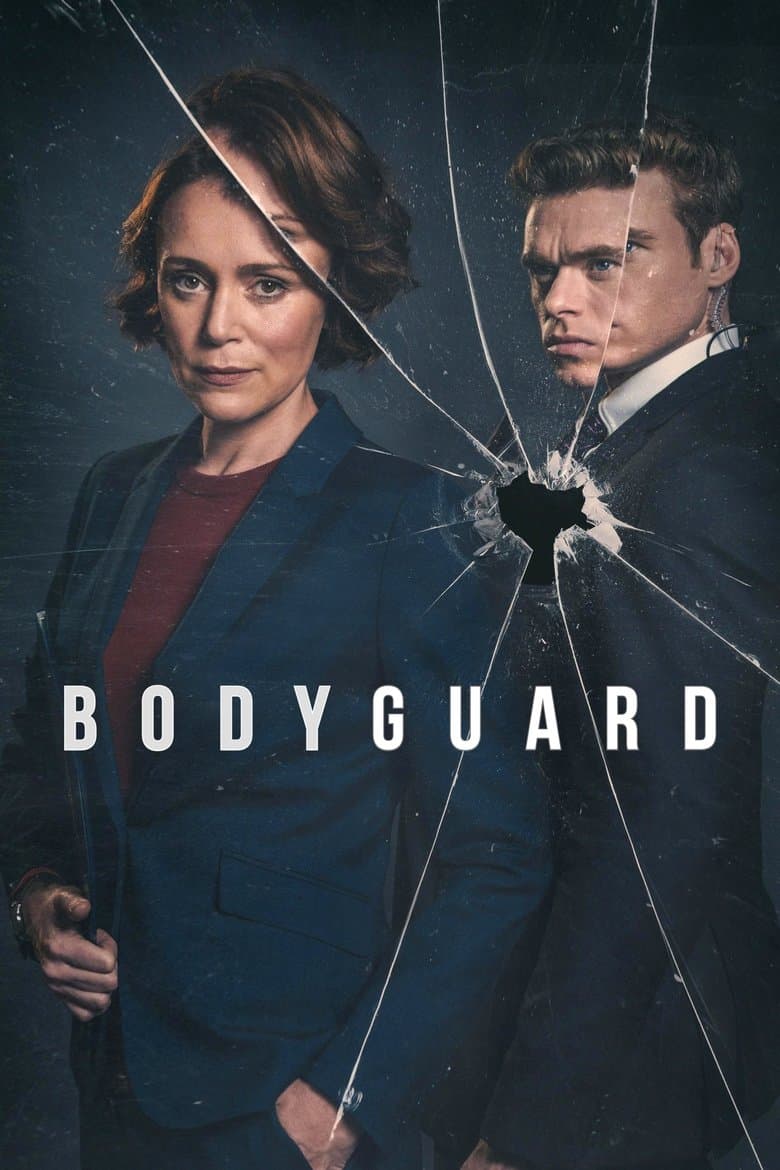
TV Show · 2018
A troubled war veteran is assigned to protect a controversial politician who may be the target of a terror plot.
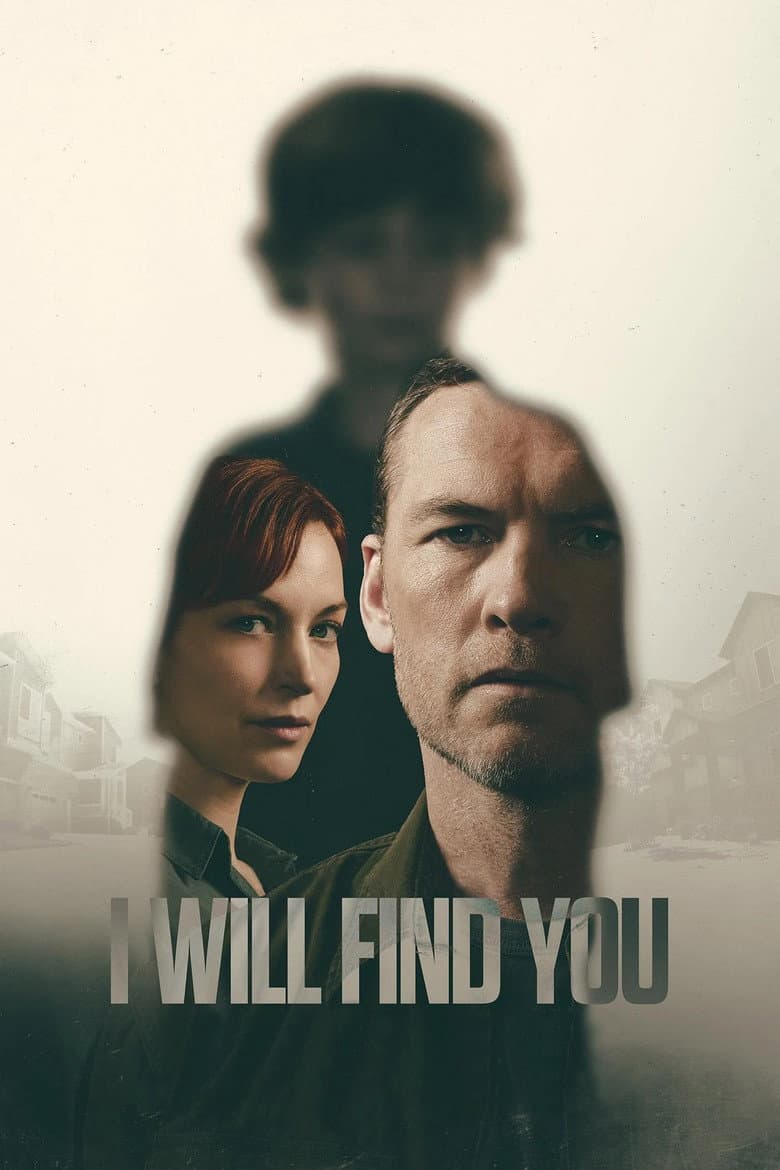
TV Show · 2026
Wrongfully imprisoned for murdering his own son, a father sets out on a desperate rescue mission after learning the boy may still be alive.
