Started June 27, 2024 · Canceled · Based on 1 season, 8 episodes through June 27, 2024 · TV-14
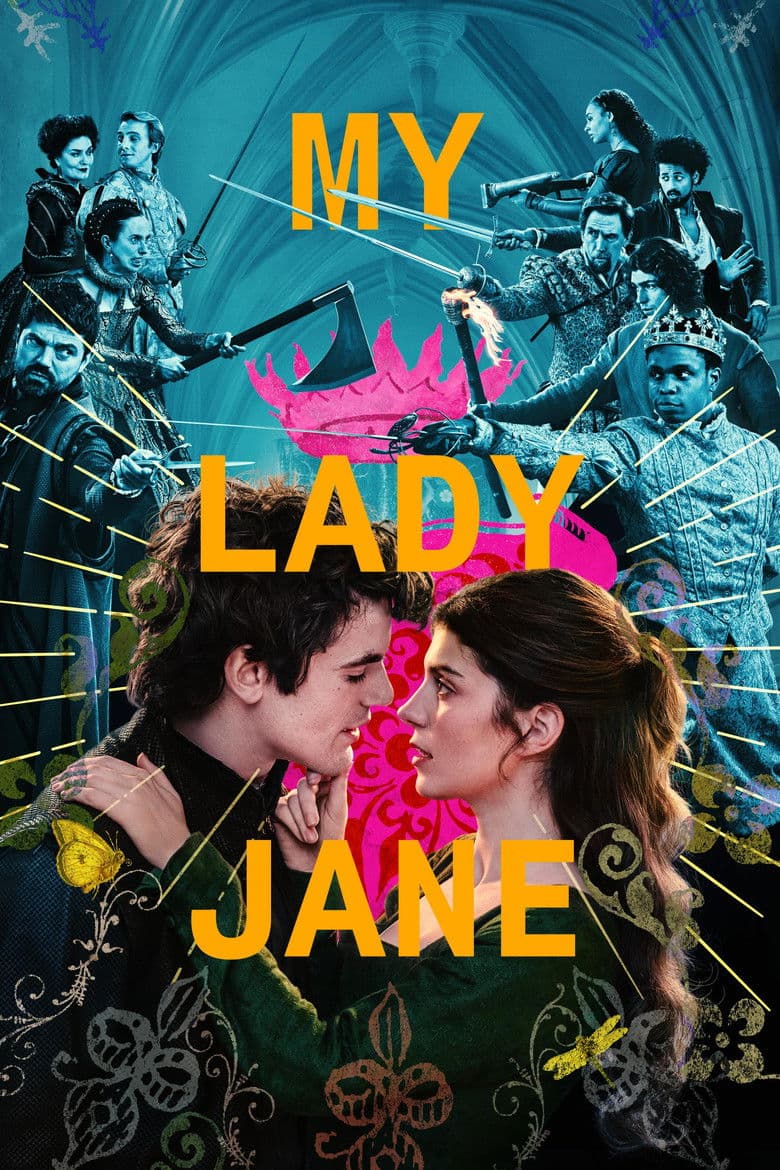
My Lady Jane is a fast, rude fantasy comedy set in an alternate England in 1553. Jane Grey is a smart young noblewoman who wants to study herbs and choose her own life, but her mother forces her into marriage with Guildford Dudley. Jane becomes queen after her cousin Edward is poisoned, and she must face Queen Mary, court plots, and a kingdom split between ordinary people and Ethians who can turn into animals. Jane and Guildford fight to survive while their marriage grows into love, and the show turns a tragic history into a playful adventure.
The show makes women's freedom and control over marriage a main part of Jane's story. Jane keeps rejecting the idea that women should obey men, and she takes action instead of waiting to be rescued. The Ethians are treated as an unwanted lower group, so Jane's support for them gives the fantasy plot an identity and equality message. Edward is black, gay, and uses a wheelchair while he is sick, and his romance with Fitz becomes a clear queer story. These elements matter, but romance, jokes, magic, and court danger remain the main focus.
Community feedback
Was our 80% Woke rating accurate?
Breakdown
These are the editorial factors and ratings behind our score for My Lady Jane.
Woke representation / casting
The show casts Jordan Peters, a black actor, as Edward VI, a real Tudor king who was white. Edward holds a central royal role and appears in the main court story across the season. The show ties his wheelchair use to the illness and poisoning plot, while his race is not explained by the story. Most of the signal comes from this one highly visible historical casting choice.
40%
Woke political dialogue
The opening narrator rejects the idea that Jane should remain a damsel in distress. Jane argues about forced marriage, female rule, and ending laws that separate Ethians from ordinary people. Edward and Jane also speak about Ethian rights and the need to unite the kingdom. These ideas return in several episodes, but jokes, romance, and court plotting take more space.
34%
Identity-driven story themes
Jane's arc centers on refusing a forced marriage and choosing her own future. The Ethians are hunted, jailed, and treated as a lower group, and Jane changes her rule to protect them. Edward discovers he is gay and ends the season with his male lover Fitz. The season treats these identity struggles as part of its message about freedom and equal worth. Romance and magic remain just as important as the message.
55%
Western institutional / cultural critique
The council treats women as wives, mothers, or mothers of future kings instead of full rulers. Jane challenges that rule by leading as Queen, rejecting the need for a male King, and refusing to obey her mother. Court leaders also enforce the Division Laws and run a secret prison for Ethians. The show does not make Christianity a target, and its wider attack on royal power stays tied to the fantasy plot.
46%
Woke character or canon changes
The show changes the real Edward VI into a black king who uses a wheelchair while the court thinks he has a deadly illness. The season also makes Edward gay and gives him a male lover, Fitz. The real Edward died as a teenager, but this story has him survive and join the fight against Mary. The show also lets Jane and Guildford escape their historical executions, but that change mainly serves the fantasy plot. Edward's identity changes are a major part of the season.
75%
Anti-woke backlash and complaints
Public X posts called the show a DEI rewrite because the historical Edward is shown as Black, gay, and disabled. Some posts tied the cancellation to the idea that this identity mix was not popular with viewers. Other posts called the series a queer or identity vehicle and grouped it with race-swapped history shows. The reaction was scattered, and no clear boycott, review-bomb, or organized campaign was found.
36%
Creator track record context
Alyssa Lerner has a strong record of LGBTQ stories, and director Jamie Babbit is known for queer films. Gemma Burgess and Jodi Meadows show a milder pattern of women-centered and gender-aware work. Other listed writers, directors, and producers have little or no strong activist record in the available public material. This mix supports the show's feminist and queer material, but the wider team is mixed.
50%
Production
TV Show · 2021
On a perilous adventure across a post-apocalyptic world, a lovable boy who's half-human and half-deer searches for a new beginning with a gruff protector.
TV Show · 2016
An aging police sheriff who has recently lost his position due to an angry outburst begrudgingly joins an alliance with new sheriff, Evie Barret to battle angry demons haunting…
TV Show · 2017
Holden wakes up from a coma after 12 years and discovers new abilities that propel him into the middle of a dangerous conspiracy.
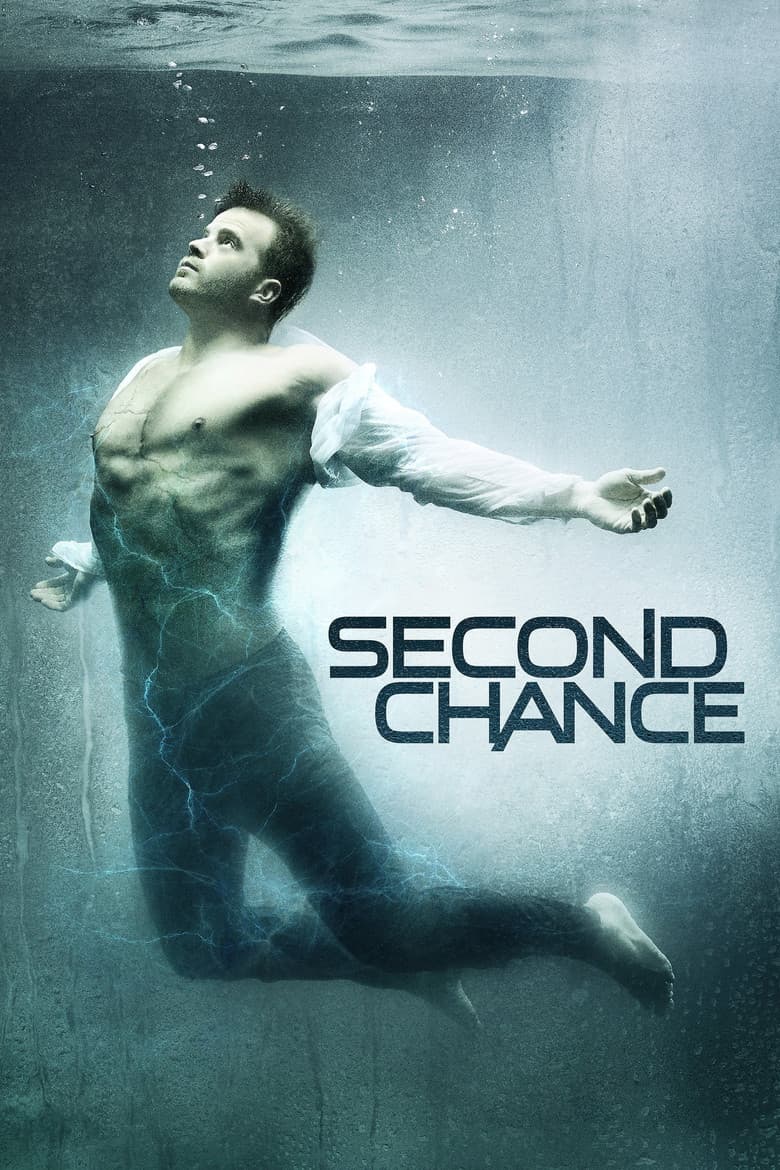
TV Show · 2016
A disgraced, 75-year-old ex-sheriff, whose life ends at the hands of corrupt cops, is brought back to life and given a second chance by a pair of young tech scientists, as a…
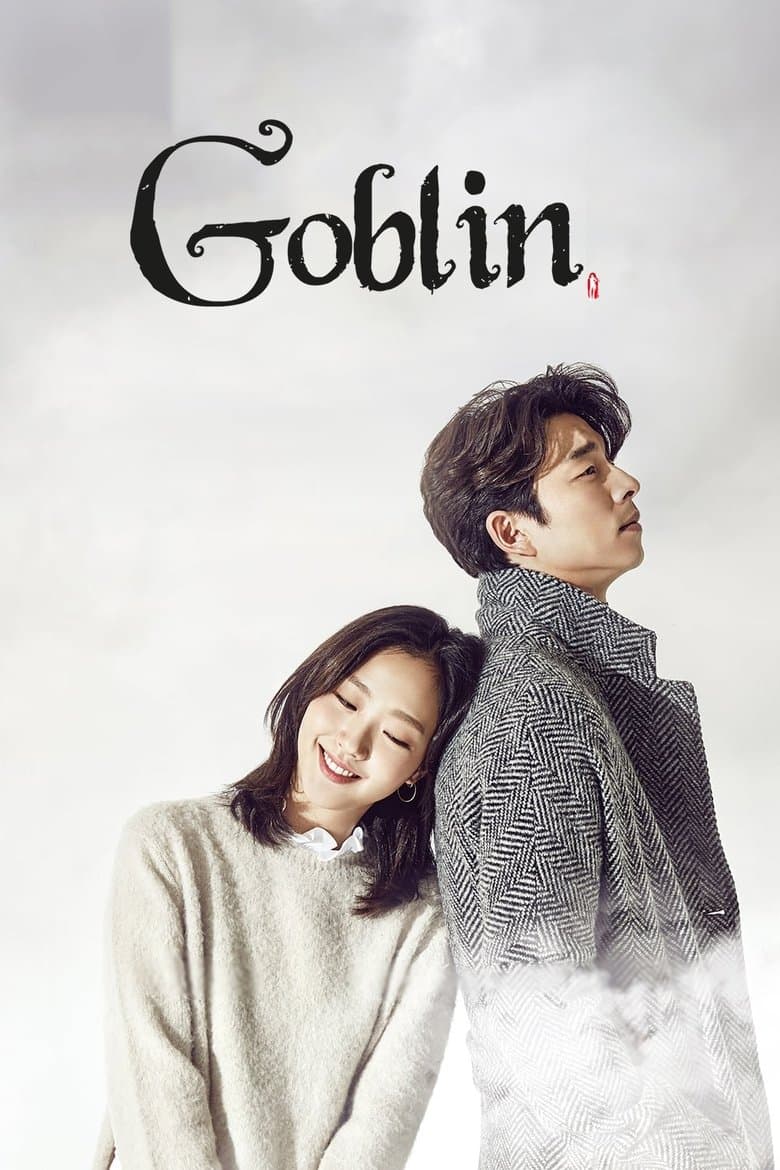
TV Show · 2016
In his quest for a bride to break his immortal curse, a 939-year-old guardian of souls meets a grim reaper and a sprightly student with a tragic past.
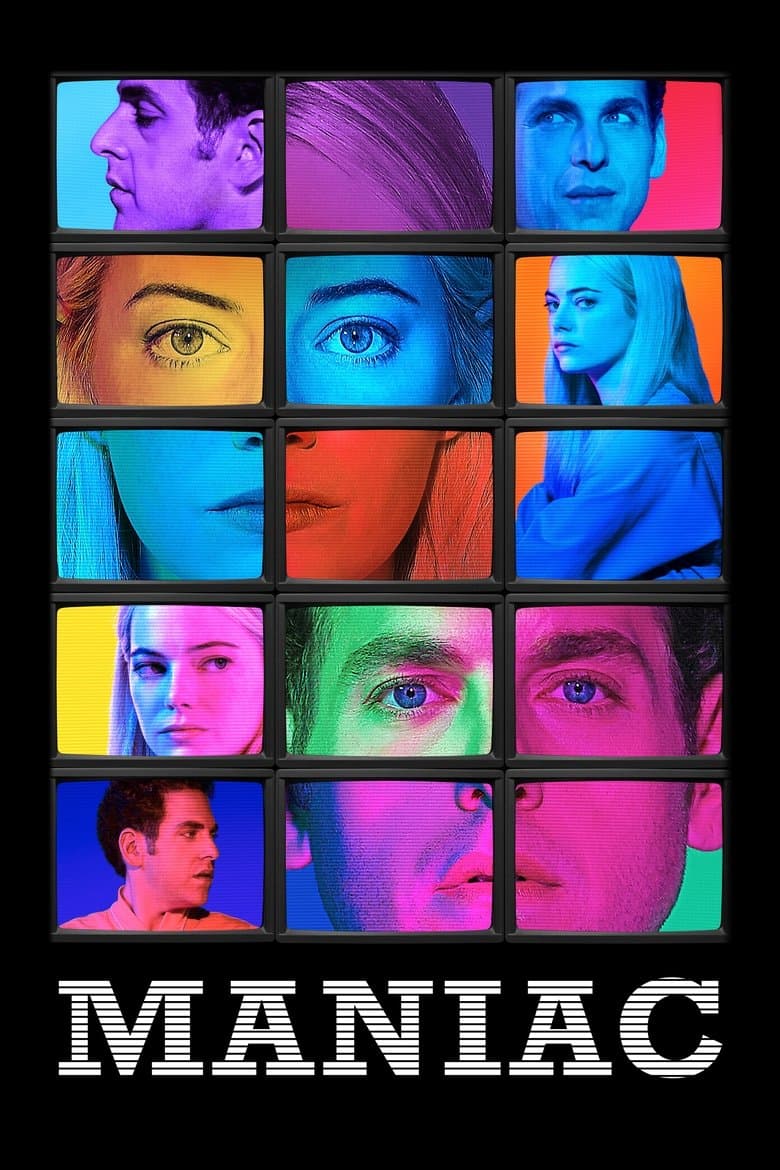
TV Show · 2018
Two strangers are drawn to a mysterious pharmaceutical trial that will, they're assured, with no complications or side-effects whatsoever, solve all of their problems…

TV Show · 2022
Irene and Franklin York, a retired couple, have a secret: a Chamber buried in their backyard that miraculously leads to a strange, deserted planet.
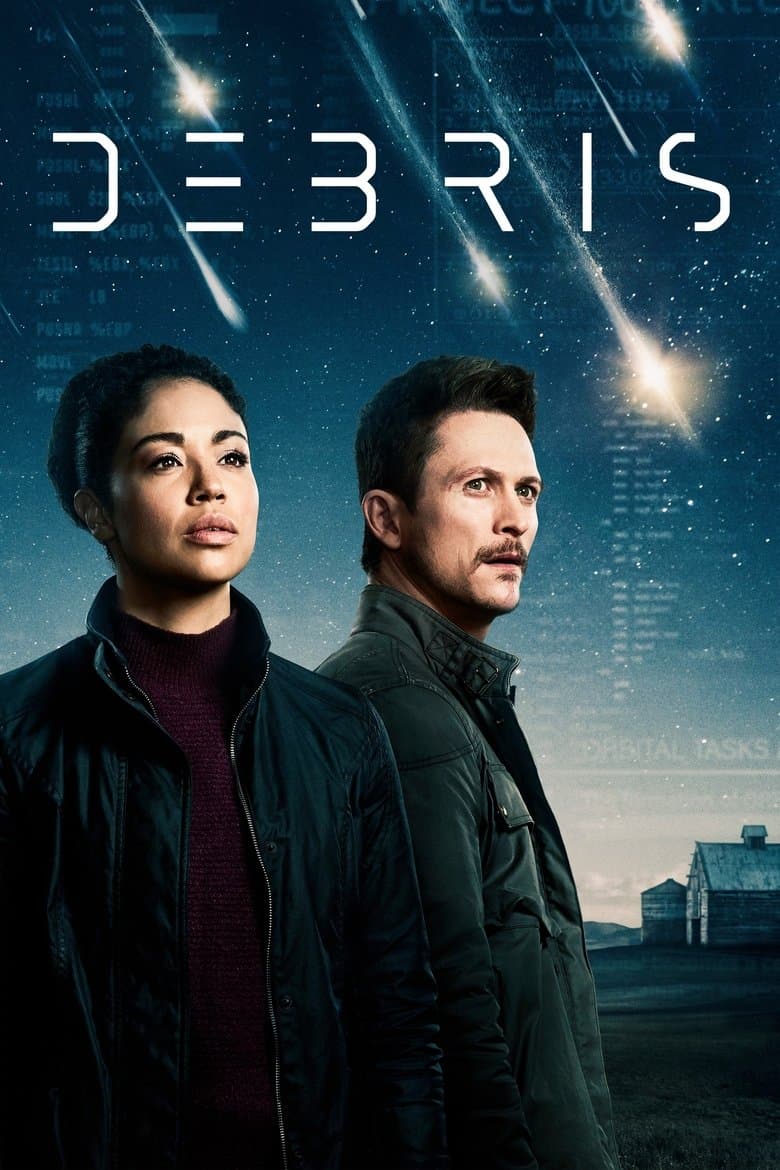
TV Show · 2021
Two federal agents from two different continents, and two different mindsets, must work together to investigate when wreckage from a destroyed alien spacecraft has mysterious…
