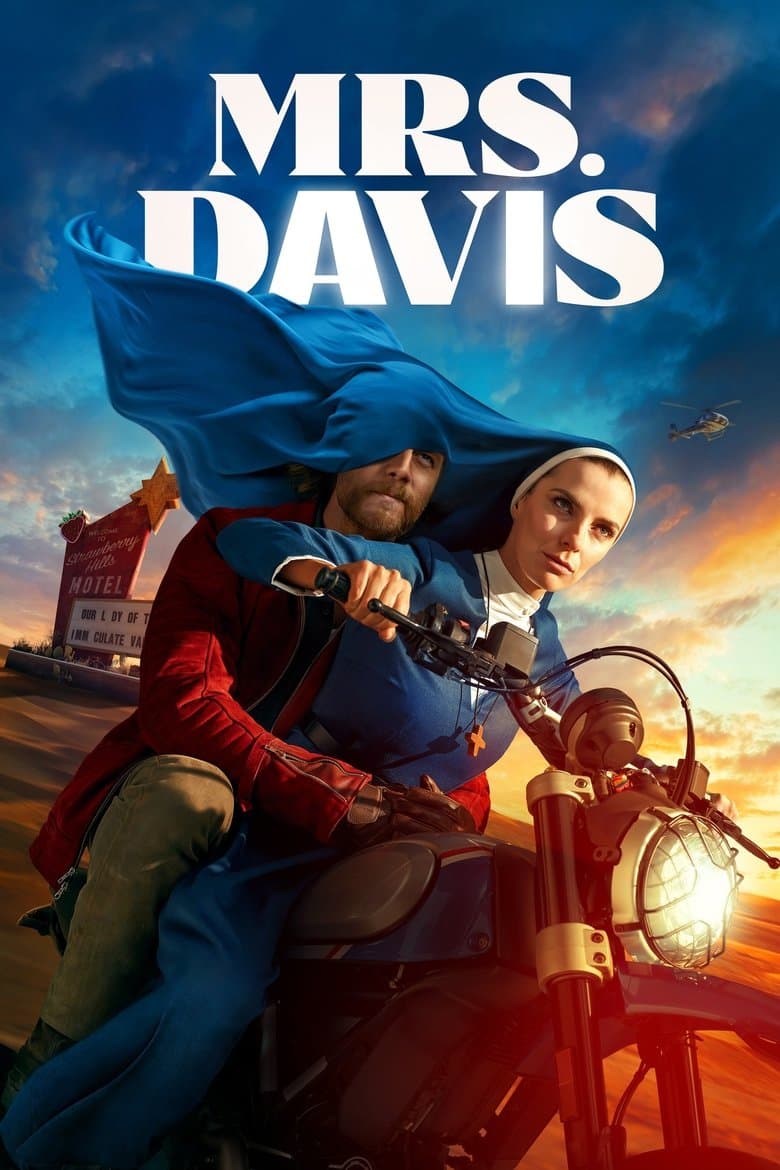
Started April 20, 2023 · Ended · Based on 1 season, 8 episodes through May 18, 2023 · TV-MA
Mrs. Davis follows Sister Simone, a nun from Nevada who rides a motorcycle and rejects the world's most powerful artificial intelligence. Mrs. Davis reaches people through an earbud and offers quests, rewards, and promises of happiness. Simone makes a deal with the machine and travels with her former boyfriend, Wiley, to find the Holy Grail and destroy the AI. The story combines science fiction, comedy, action, romance, family pain, and unusual religious ideas.
The visible woke elements focus on Simone as a strong female hero and on women gaining power outside male control. One episode says that the Catholic Church treats women unfairly because they cannot become popes. Simone also objects when Jesus treats her like an errand girl instead of a wife. The show gives Joy, a black woman, the central role of creating the AI, and it presents a black actor as Jesus. These ideas matter, but the main story gives more attention to faith, love, free will, family wounds, and the risks of trusting technology.
Community feedback
Was our 51% Woke rating accurate?
Breakdown
These are the editorial factors and ratings behind our score for Mrs. Davis.
Woke representation / casting
Andy McQueen plays Jesus, who is a major figure in Simone's faith and marriage. The story gives no plot reason for Jay's appearance, so viewers can easily notice the casting choice. The story also makes Joy, a black woman, the key creator of the AI. Women hold many leadership roles in the convent, among the Grail protectors, and in the main adventure. The series does not present these choices as a diversity campaign, so they are clear but not dominant.
45%
Woke political dialogue
Maria, a baker in Rome, directly explains why women cannot become popes. The episode calls the male church hierarchy unfair and connects Simone's marriage to obedience and unequal rules. Simone says that she is Jesus' wife and not his errand girl after she learns that he has other relationships. These lines create a clear feminist political thread, but that thread is strongest in one episode.
29%
Identity-driven story themes
The show presents female independence, sisterhood, and control over one's own life as strengths. Women run the convent, protect the Grail, lead a security company, and create the AI. The story also follows conflict between mothers and daughters and shows women resisting male rules. These themes appear in many episodes, but faith, romance, family, and AI receive more attention than identity politics.
40%
Western institutional / cultural critique
The show questions male-led systems and old rules, especially through its church stories and Grail protectors. Episode 4 calls the church patriarchal and unfair because women cannot become popes. Simone rejects obedience without an equal voice when Jesus sends her on missions and keeps other wives. The convent and other women-led groups appear strong, while male institutions often appear confused, jealous, or self-serving. The AI plot focuses mostly on technology rather than church or social rules.
45%
Woke character or canon changes
Not relevant. The show is an original story with no earlier movie, book, or show canon to change. Its use of Jesus and the Holy Grail creates a new fantasy version rather than changing an existing screen story.
0%
Anti-woke backlash and complaints
Not present. No sustained anti-woke complaints, boycott, review-bombing, or large right-leaning campaign was found. Religious objections to the show's treatment of Jesus were not presented as complaints about woke or identity politics.
0%
Creator track record context
Damon Lindelof has a cached woke score of 59/100, while Tara Hernandez has 0/100. Lindelof has a history of stories about race, faith, and major social problems. Writers Jonny Sun and Noelle Viñas have cached scores of 75/100 and 80/100. Other key crew members have mostly low or moderate cached scores, so the overall record is mixed but moderately woke.
39%
Production
TV Show · 2018
Two strangers are drawn to a mysterious pharmaceutical trial that will, they're assured, with no complications or side-effects whatsoever, solve all of their problems…
TV Show · 2026
A century before the events of Game of Thrones, two unlikely heroes wandered Westeros: a young, naive but courageous knight, Ser Duncan the Tall, and his diminutive squire, Egg.
TV Show · 2026
After accidentally creating a new multiverse, comic book store owner Stuart Bloom must locate a quantum-interference device to restore reality.
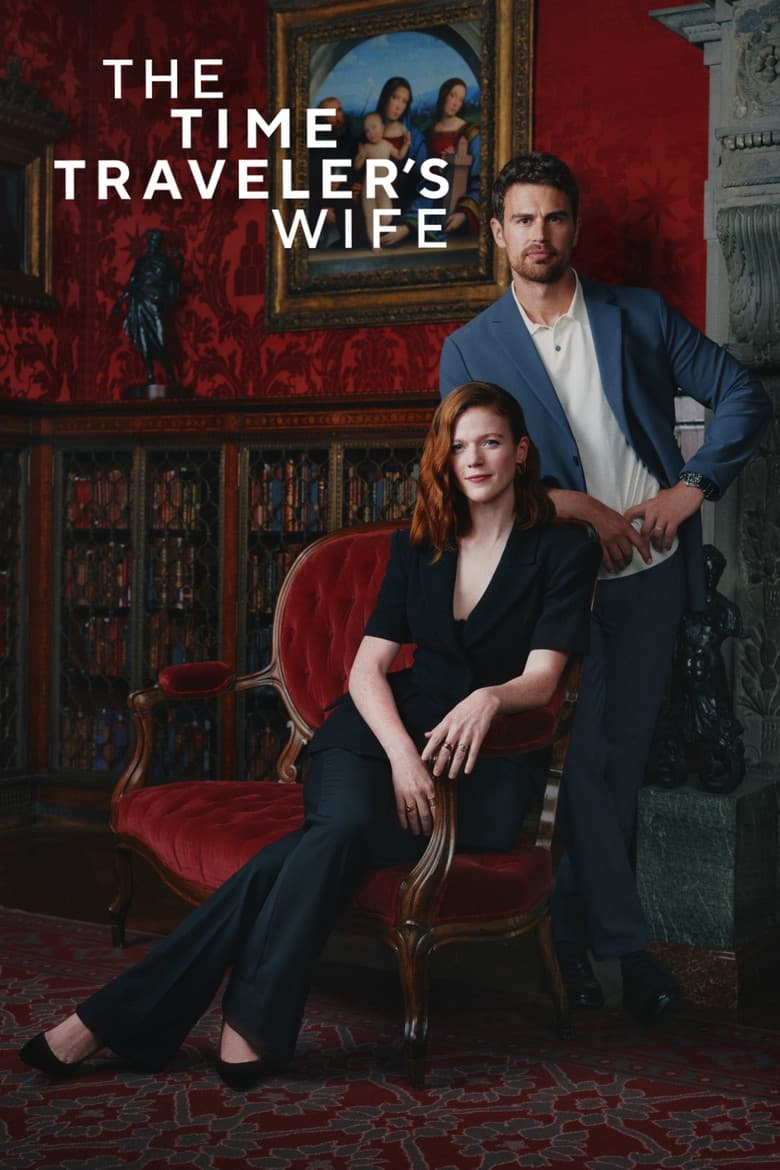
TV Show · 2022
The intricate and magical love story of Clare and Henry, and a marriage with a problem… time travel.
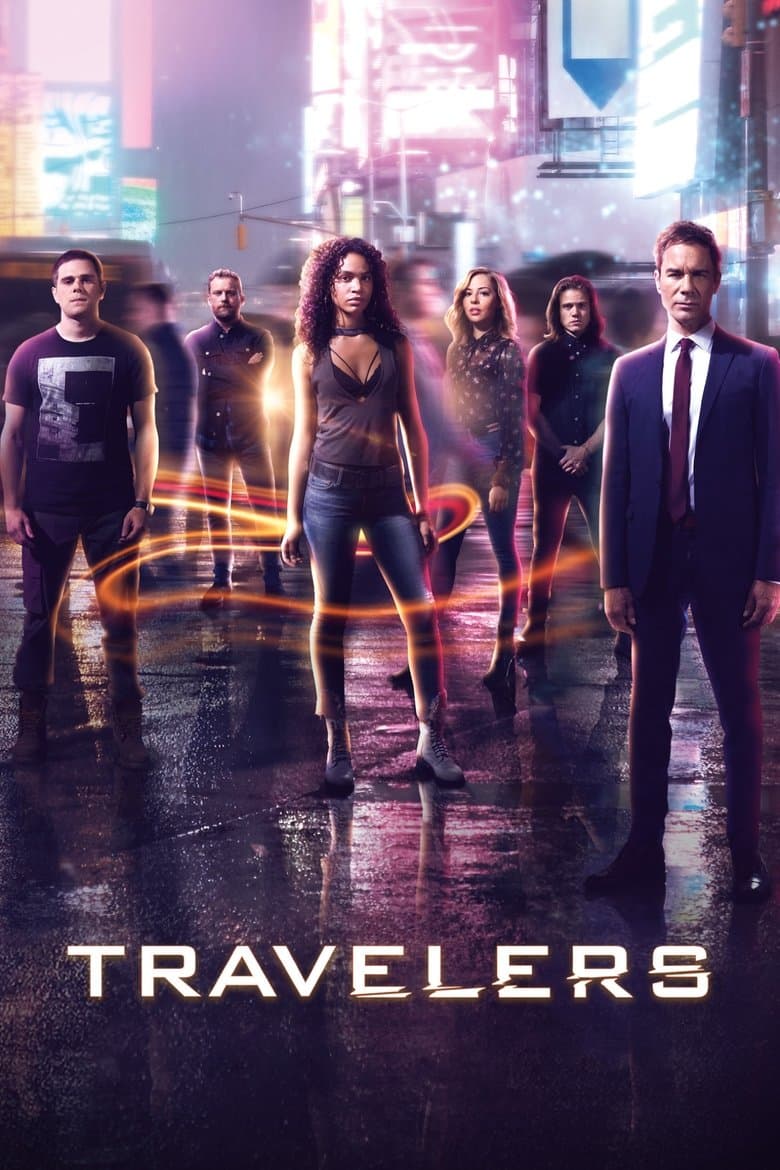
TV Show · 2016
Hundreds of years from now, the last surviving humans discover the means of sending consciousness back through time, directly into people in the 21st century.
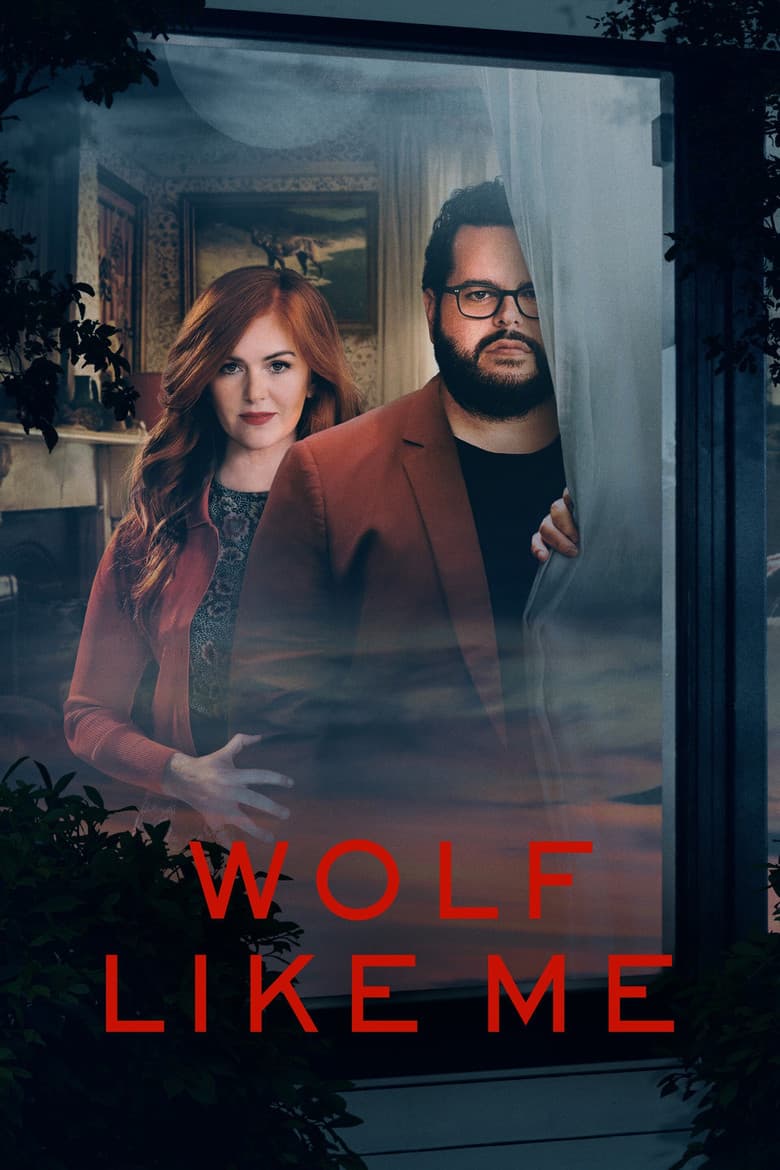
TV Show · 2022
Gary is an emotional wreck and struggles to provide for his daughter since the death of his wife. Mary has a secret she can't bring herself to share with anyone.
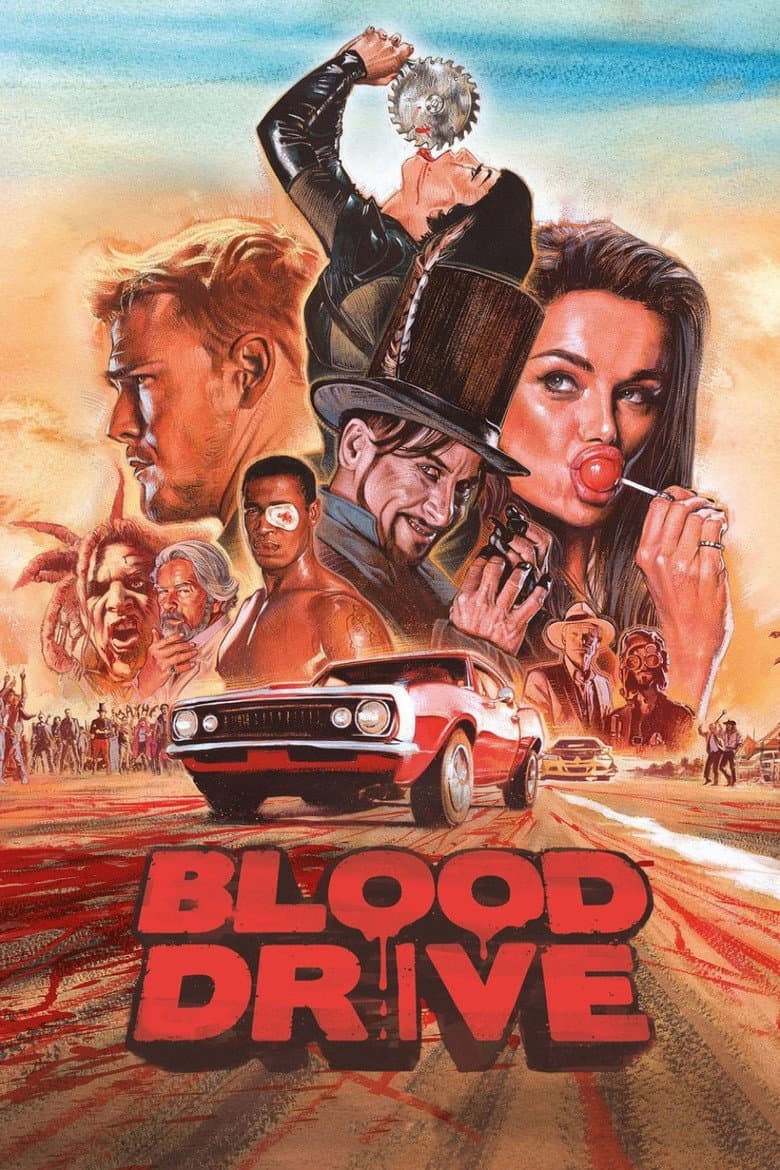
TV Show · 2017
Set in a near-dystopian future, a former cop is forced to take part in a death race where the cars run on human blood. You lose a leg and you lose your head.
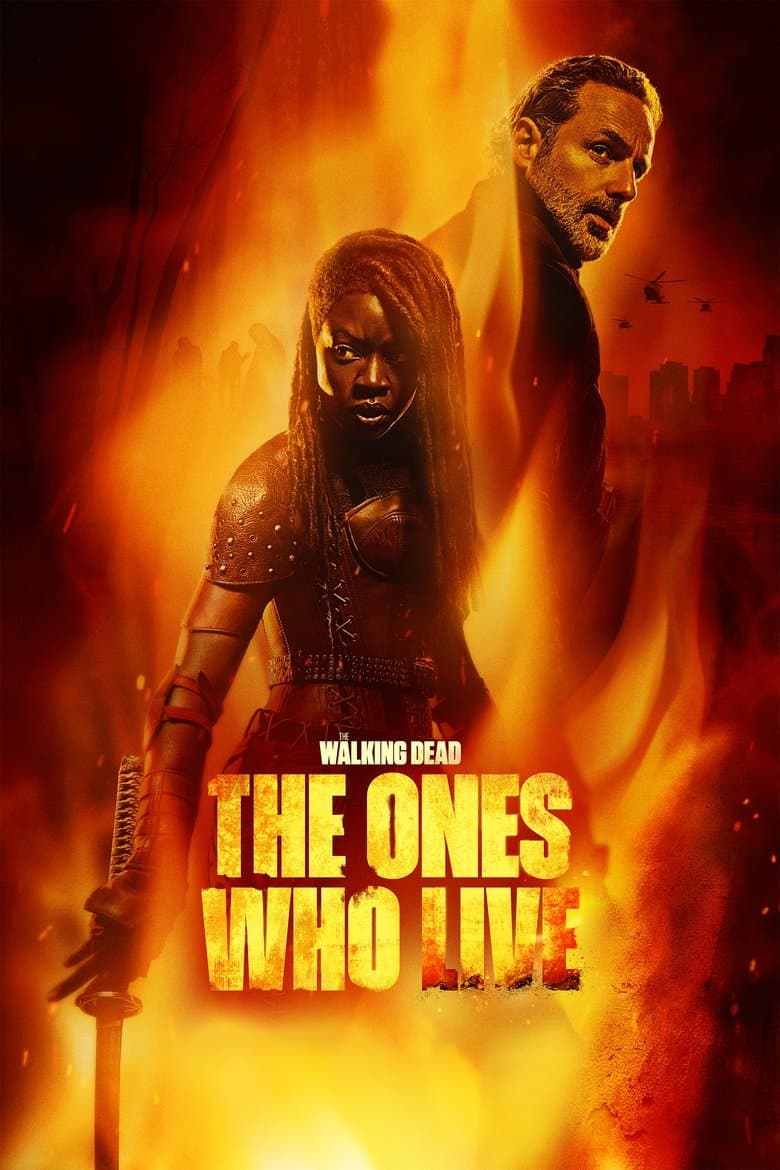
TV Show · 2024
Rick and Michonne are thrown into another world, built on a war against the dead... And ultimately, a war against the living.
