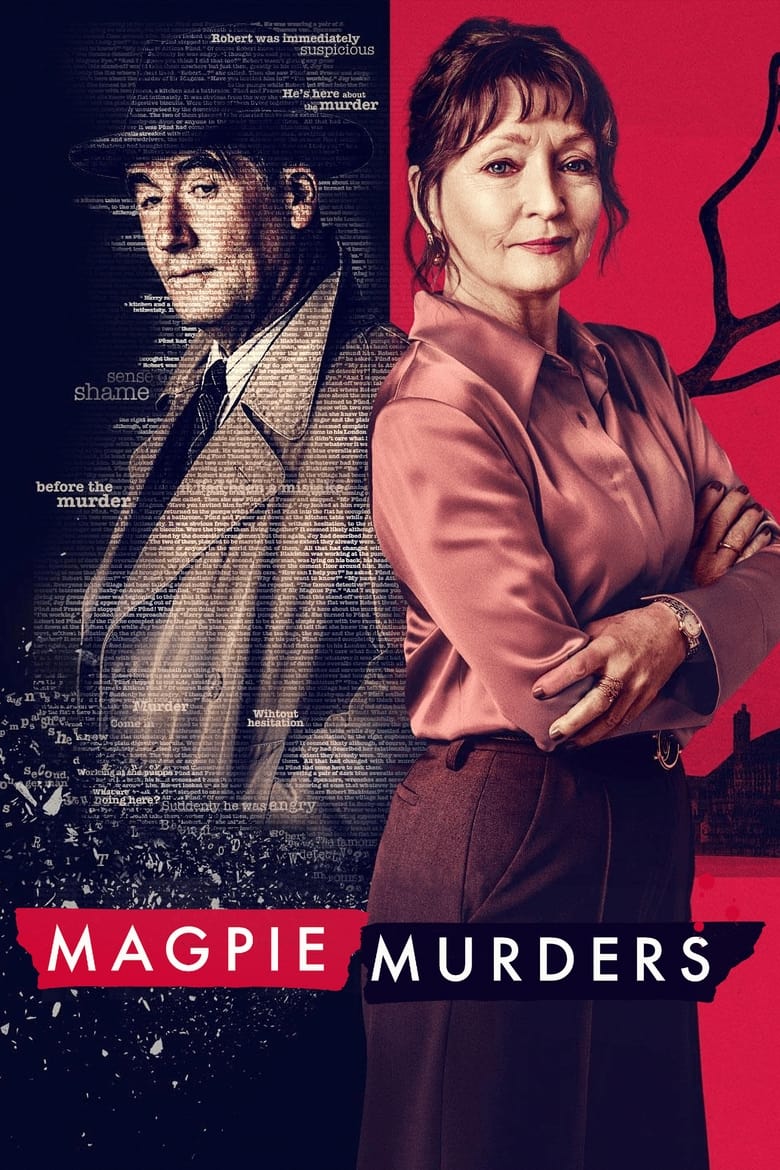
Started February 10, 2022 · Ended · Based on 1 season, 6 episodes through February 10, 2022 · TV-14 · 44 min
Magpie Murders follows Susan Ryeland, a London book editor who investigates the death of mystery writer Alan Conway. Susan also searches for the missing final chapter of Alan’s unfinished novel. The story moves between modern England and a fictional English village in 1955. The series uses two linked mysteries to explore murder clues, family secrets, greed, betrayal, and the craft of writing. The show includes a gay writer, his former male partners, an interracial engagement, and a racist family objection. These elements affect the mystery, but they do not control the whole series. The diverse casting is noticeable in the modern story and in the 1955 village, although the show does not present it as a campaign. Susan also faces a personal choice between leading a publishing company and moving to Crete with her boyfriend. Most episodes focus on the murder puzzles and the secrets behind them, so the identity themes matter without replacing the main story.
Community feedback
Was our 33% Woke rating accurate?
Breakdown
These are the editorial factors and ratings behind our score for Magpie Murders.
Woke representation / casting
The modern cast includes several minority characters, including Sajid Khan and Dr. Kamal. The 1955 story gives important roles to a black woman, a black vicar, and Black antiques shop characters in a small English village. The casting looks more diverse than the setting would normally suggest. The pattern is visible across the mystery, but the show does not present it as a stated diversity campaign.
38%
Woke political dialogue
The show includes a racist objection to Joy and Robert’s engagement. The show also mentions bullying after Alan comes out as gay. These lines create character conflict and explain parts of the mystery. The series does not use repeated speeches about modern identity politics or activist ideas.
12%
Identity-driven story themes
Alan’s gay relationships affect his family life. Those relationships also help explain why some characters resent him. Joy’s interracial engagement creates a major family conflict in the 1955 story. These themes return across several episodes, but the main story remains a murder puzzle about secrets, money, and betrayal.
29%
Western institutional / cultural critique
The show presents some powerful men as selfish, controlling, or dishonest. Alan mistreats people, Susan’s father fails his family, and Charles abuses his position at the publishing company. The story treats these actions as personal faults. The story does not make a broad attack on Western institutions or traditional culture.
8%
Woke character or canon changes
Not present in this title.
0%
Anti-woke backlash and complaints
One small anonymous X account called the BBC adaptation “insane woke Beeb” because of black characters in the 1955 setting. The post received no visible likes or wider pickup. Other right leaning viewers praised the show as not woke. Their praise provides evidence against a major controversy rather than evidence of widespread backlash.
7%
Creator track record context
Anthony Horowitz has a low stored score and often criticizes modern identity politics and sensitivity rules. Peter Cattaneo and Anna Valdez Hanks show little evidence of an activist pattern. Lesley Manville has supported women’s rights and #MeToo. Her public work is not mainly identity driven.
12%
Production
TV Show · 2020
Hiding a twisted past, a man maintains his facade as the perfect husband to his detective wife — until she begins investigating a series of murders.
TV Show · 2025
A brash but brilliant cop becomes head of a new police department, where he leads an unlikely team of misfits in solving Edinburgh's cold cases.

TV Show · 2021
Facing an existential threat that could bring down the Crime Lab, a brilliant team of forensic investigators must welcome back old friends and deploy new techniques to preserve…

TV Show · 2020
A 6-year old girl is kidnapped by a mysterious masked man, who demands an unusual ransom. To save his daughter, Dr. Avinash Sabharwal must kill someone!
TV Show · 2022
Determined to protect a young patient who escaped a mysterious cult, a psychiatrist takes the girl in, putting her own family — and life — in danger.
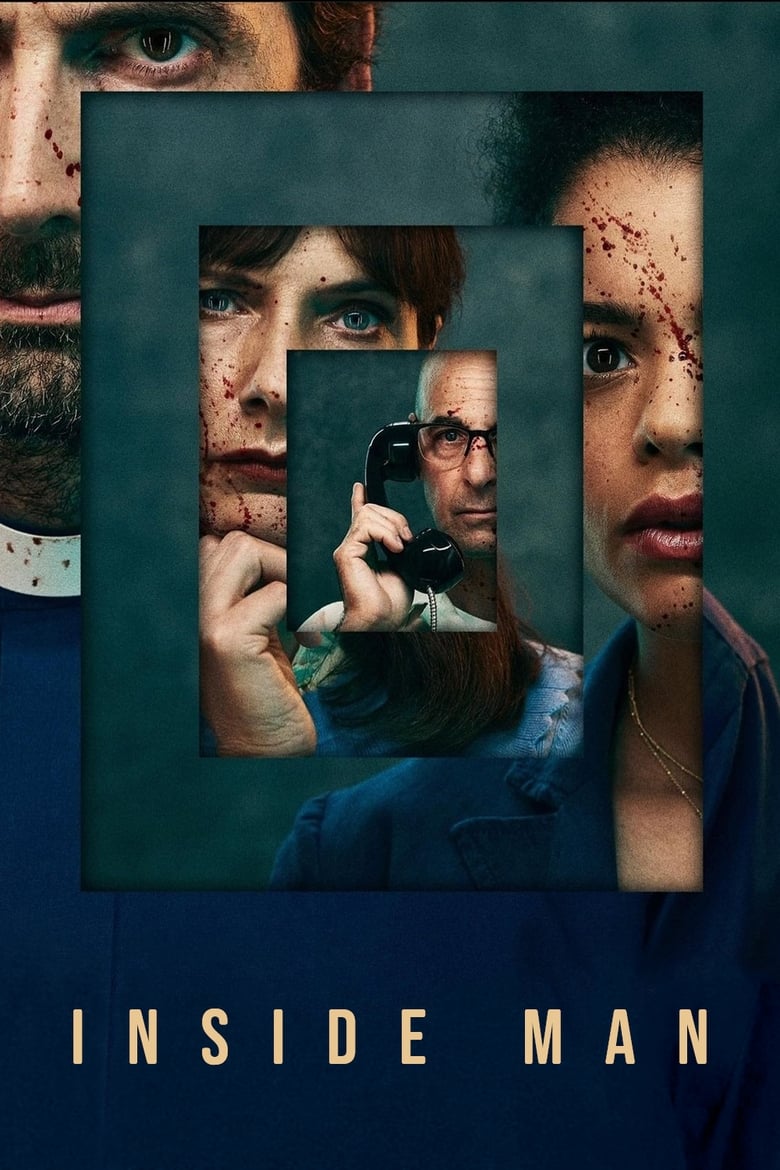
TV Show · 2022
A prisoner on death row in the US, a vicar in a quiet English town, and a maths teacher trapped in a cellar cross paths in the most unexpected way.
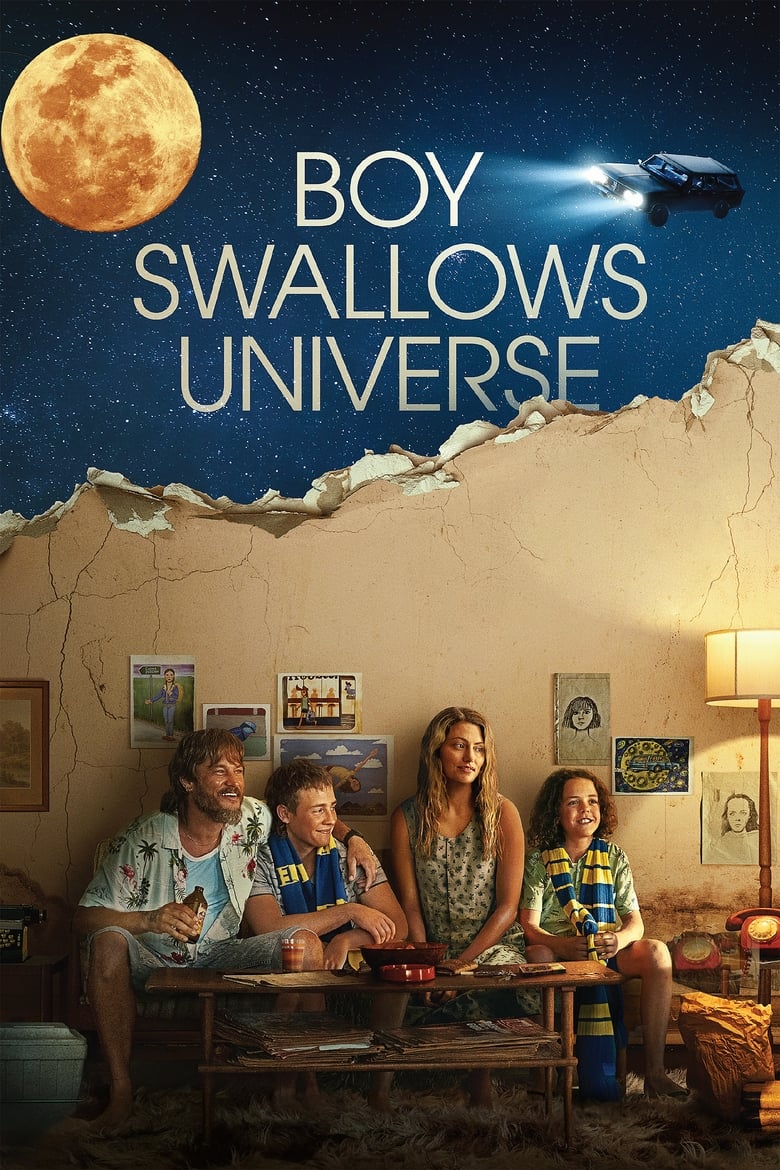
TV Show · 2024
A young boy growing up in the suburbs of 1980s Brisbane faces the harsh realities of life — and the looming dangers that threaten his family.
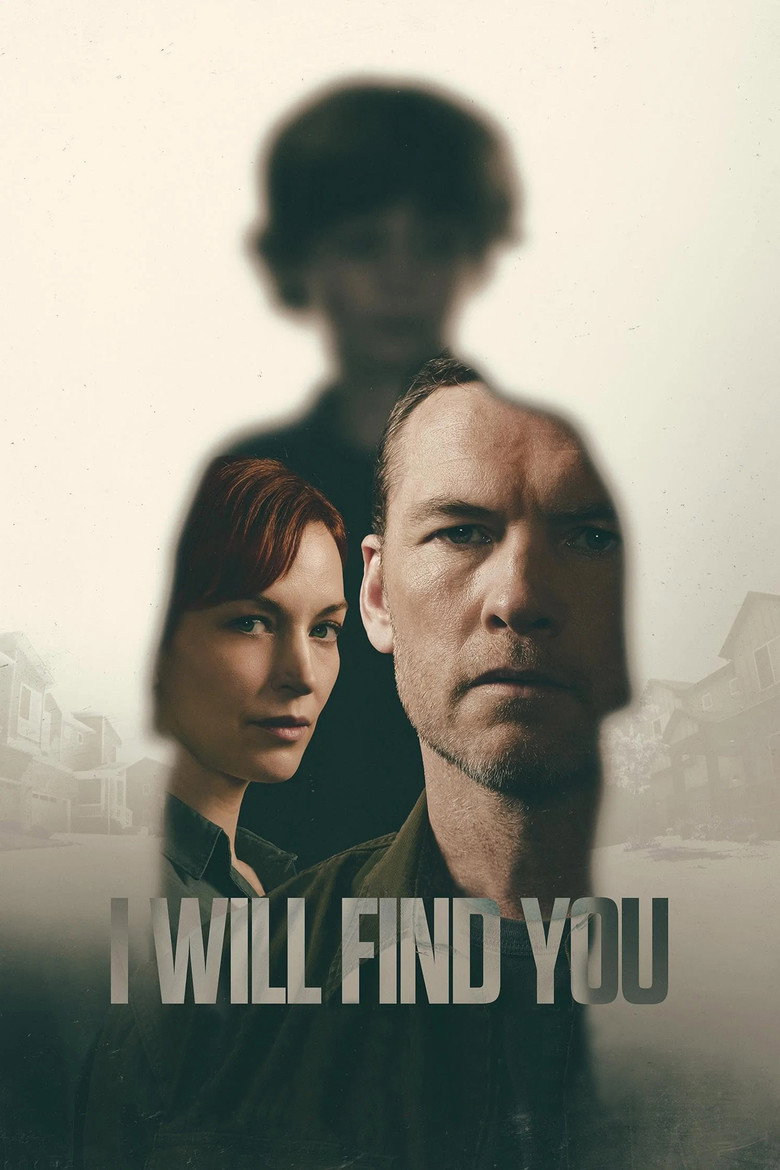
TV Show · 2026
Wrongfully imprisoned for murdering his own son, a father sets out on a desperate rescue mission after learning the boy may still be alive.
