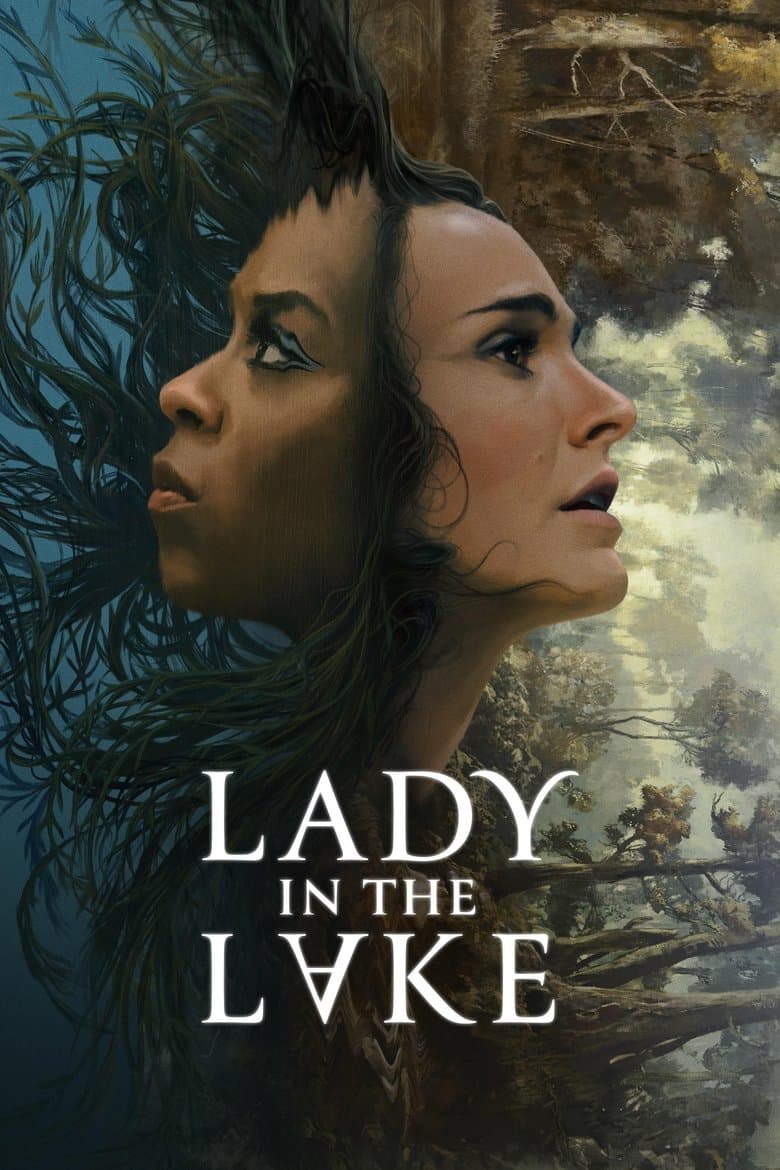
Started July 18, 2024 · Ended · Based on 1 season, 7 episodes through August 22, 2024 · TV-MA
Maddie Schwartz is a Jewish housewife in 1966 Baltimore who feels trapped by her marriage, family, and wealthy neighborhood. After a young girl disappears, Maddie leaves home and pushes her way into newspaper work. Cleo Sherwood is a black mother who works several jobs while helping a black political campaign and keeping dangerous books for a crime boss. The show follows both women as their lives meet through two deaths, and it uses a dark, dreamlike crime-drama tone.
The story makes race, sex, class, and Jewish identity central to the mystery. It shows white leaders and news editors giving more attention to the dead Jewish girl than to Cleo, whose life is treated as less valuable. Maddie seeks freedom from a strict housewife role, while Cleo fights racist limits, male control, and a criminal system that uses Black political hopes for profit. The show often treats these pressures as products of unfair institutions, so its social message is clear even when the plot stays rooted in 1960s Baltimore.
Community feedback
Was our 65% Woke rating accurate?
Breakdown
These are the editorial factors and ratings behind our score for Lady in the Lake.
Woke representation / casting
The show places a Jewish woman and a black woman at the center of a major crime story. Both women are given strong inner lives, personal goals, and important choices. The setting makes this pairing believable for 1960s Baltimore. The repeated focus on female ambition and female leadership adds a clear identity signal.
22%
Woke political dialogue
The show includes talk about Black political power, racism, segregation, and white backlash. Cleo helps the campaign of Myrtle Summer, a black female senator. Characters also discuss Jewish persecution and civil rights. The dialogue is tied to the period, but the message clearly supports modern viewers seeing racial and gender unfairness as political issues.
38%
Identity-driven story themes
The show makes race, gender, class, and Jewish identity central to both mysteries. Maddie tries to escape the role of a wealthy housewife. Cleo fights racism, poverty, male control, and political exploitation. The story asks why Cleo’s death receives less attention than the death of a white Jewish girl. These themes shape the main characters and the ending.
57%
Western institutional / cultural critique
The show presents newspapers, police, wealthy communities, and political groups as unfair or corrupt. The story shows male leaders using women and treating them as less important. The show also criticizes racism, sexism, and the way Black political hopes are used for profit. A church figure exploits Cleo’s fear about her sick child. These ideas are strong parts of the story.
52%
Woke character or canon changes
Not present in this title.
0%
Anti-woke backlash and complaints
Not present in this title.
0%
Creator track record context
Alma Har’el has a highly visible record of feminist and DEI activism. Her Free The Bid and Free The Work projects promote women, BIPOC, LGBTQ+, and other underrepresented creators. Laura Lippman’s work often examines race, class, gender, and prejudice. Natalie Portman is also a public feminist activist. This title’s themes match that creative background.
78%
Production

TV Show · 2025
In the working-class suburbs of Philadelphia, an FBI agent heads a task force assembled to put an end to a string of violent robberies led by an unsuspecting family man.
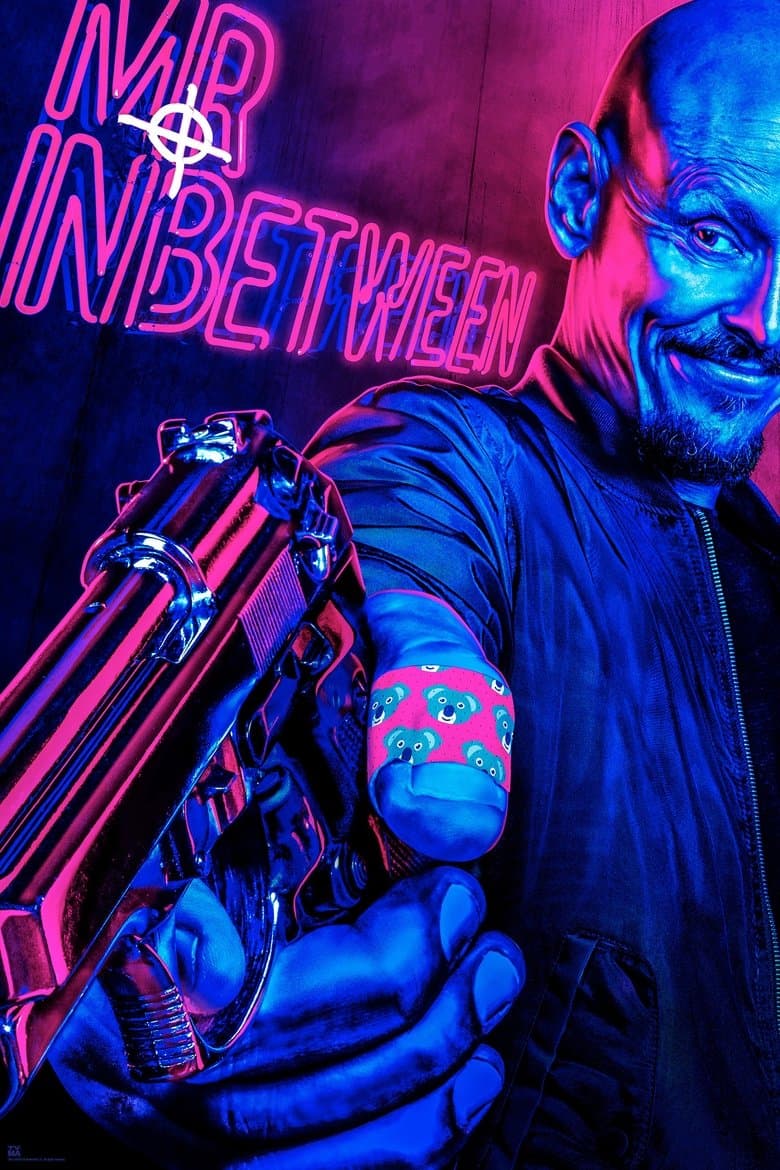
TV Show · 2018
Ray Shoesmith is a father, ex-husband, boyfriend and best friend: tough roles to juggle in the modern age. Even harder when you’re a criminal for hire.

TV Show · 2018
The stranger-than-fiction account of a prison break in upstate New York in the summer of 2015, which spawned a massive manhunt for two convicted murderers who were aided in their…
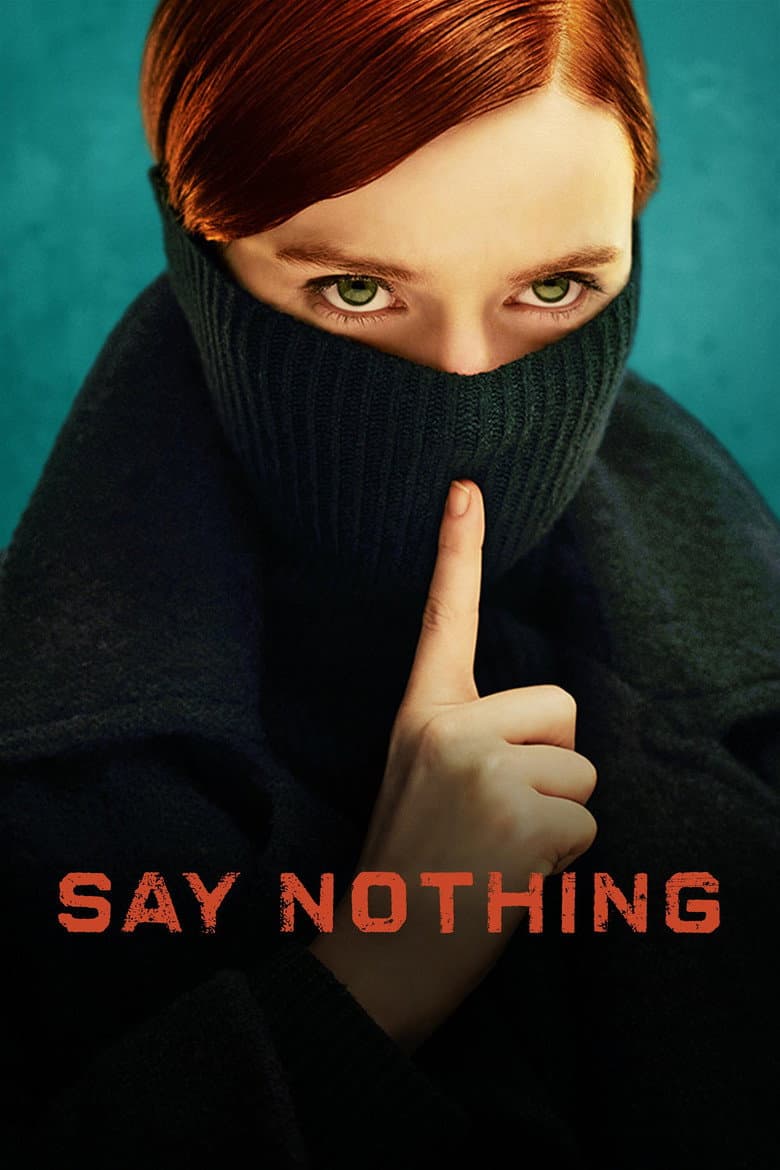
TV Show · 2024
Through the eyes of various Irish Republican Army (IRA) members, explore the extremes some people will go to in the name of their beliefs, the way a deeply divided society can…
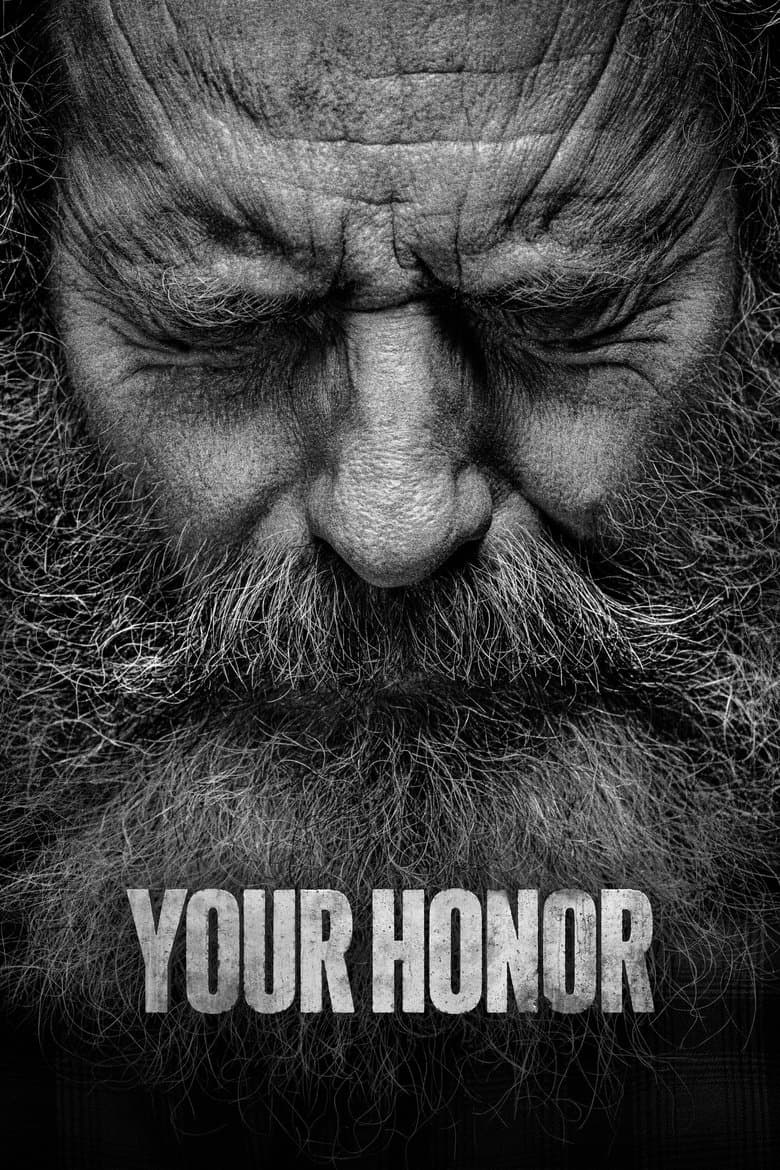
TV Show · 2020
New Orleans judge Michael Desiato is forced to confront his own deepest convictions when his son is involved in a hit and run that embroils an organized crime family.
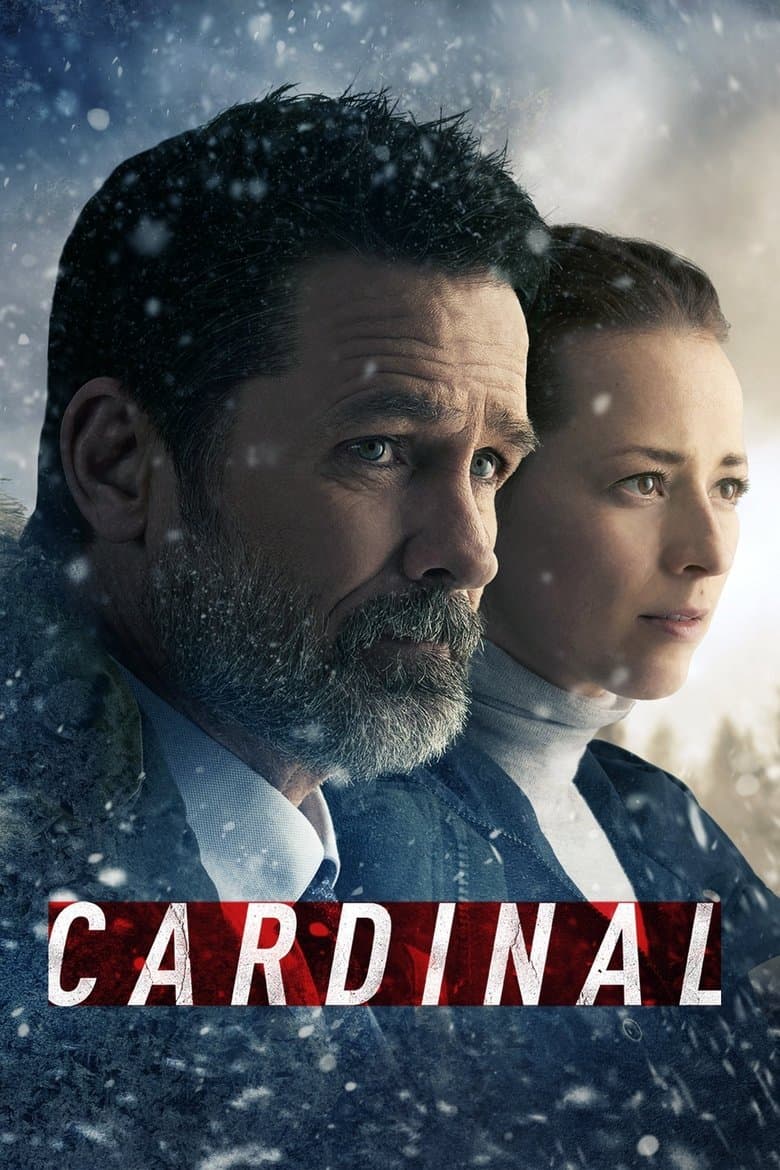
TV Show · 2017
Detective John Cardinal attempts to uncover the mystery of what happened to the missing 13-year-old girl whose body is discovered in the shaft-head of an abandoned mine.
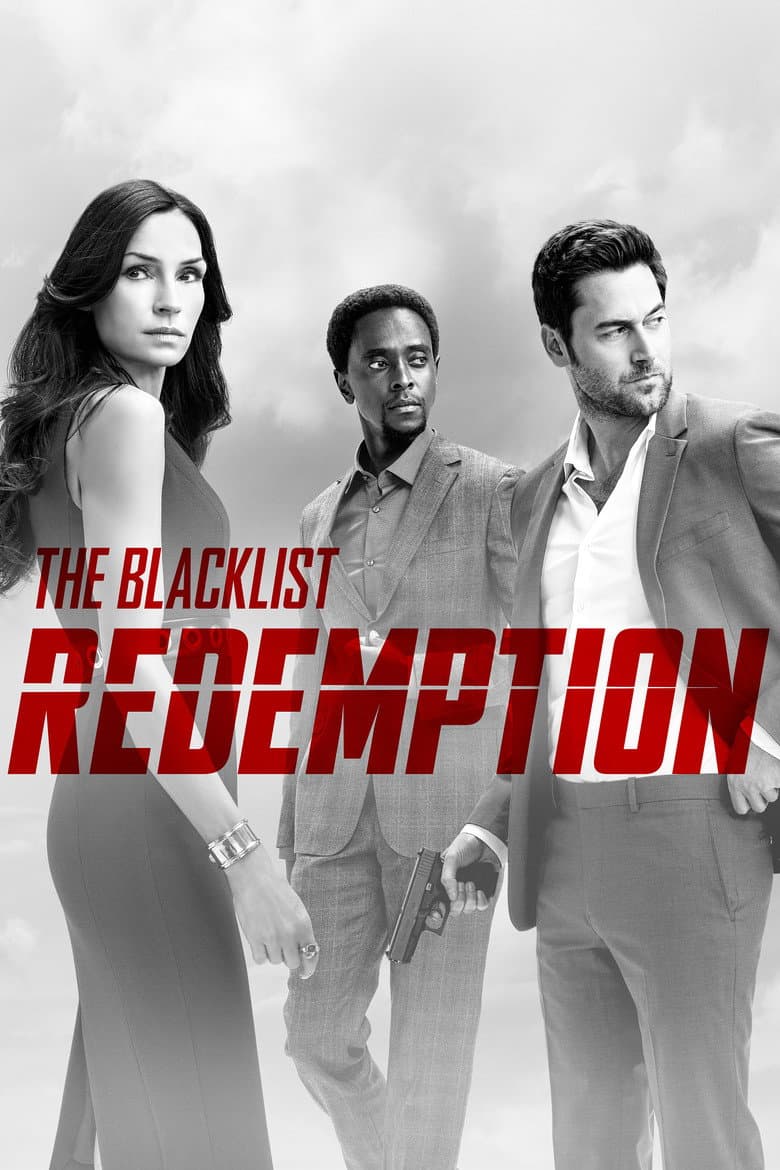
TV Show · 2017
Covert operative Tom Keen joins forces with Susan "Scottie" Hargrave, the brilliant and cunning chief of a covert mercenary organization that solves problems that are too…
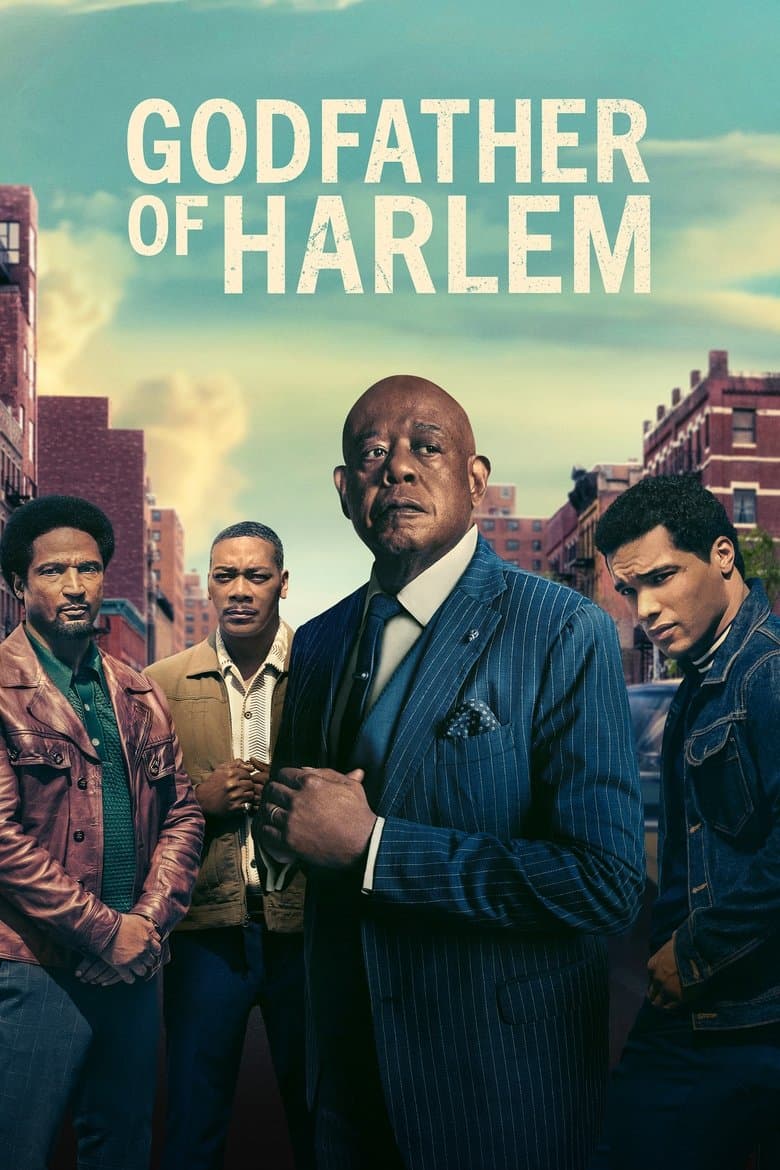
TV Show · 2019
Loosely based on infamous crime boss Bumpy Johnson, who in the early 1960s returned from ten years in prison to find the neighborhood he once ruled in shambles.
