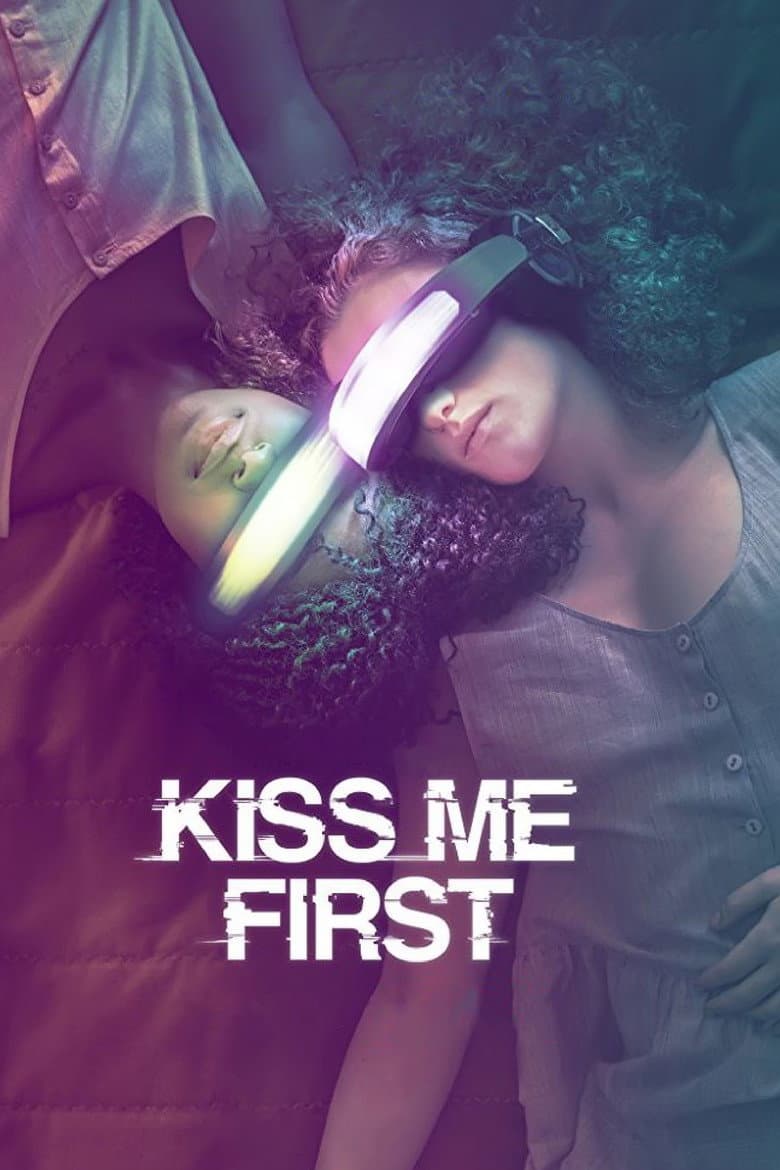
Started April 2, 2018 · Ended · Based on 1 season, 6 episodes through May 7, 2018 · TV-MA · 47 min
Seventeen-year-old Leila is alone in London after her mother dies. She works in a cafe, rents out a room, and spends most of her time in Azana, a bright virtual reality game where she can fight and fly. In a hidden part of the game called Red Pill, she meets Tess, a troubled and exciting girl who soon becomes her closest friend. When members of the group begin to die or vanish, Leila moves between the real world and the game to find the truth about Adrian, the group's cruel leader. The show has a dark, tense tone, with grief, sex, drugs, mental illness, violence, and strange computer images.
The show puts two young women at the center of the story and gives Leila the main rescue and hacking role. It presents Tess's mental illness, loneliness, and need for acceptance as major parts of her bond with Leila. A short but clear queer subplot appears when Jack's female avatar Jocasta is revealed to be male and Jack tells Kyle that love is love no matter the gender. The season also treats Leila's neglect by care systems and other adult failures as part of the danger, but it stays focused on a personal thriller rather than a broad political campaign.
Community feedback
Was our 47% Woke rating accurate?
Breakdown
These are the editorial factors and ratings behind our score for Kiss Me First.
Woke representation / casting
The show puts two young women at the center, with Leila as the main hacker and rescuer. Tess and Tippi also hold key places in the hidden group. The mixed group includes black and Asian characters, along with a male character who uses a female avatar. The gender pattern is noticeable, while the show does not clearly frame the ethnic mix as a diversity statement.
32%
Woke political dialogue
Jack tells Kyle that love is love no matter the gender after Kyle learns that Jocasta is a man using a female avatar. The line clearly supports same-sex love. The Red Pill group also speaks about outsiders and people who do not fit in, but the show does not build these talks into repeated DEI or activist speeches. Most dialogue is about grief, sex, mental health, control, and the game.
24%
Identity-driven story themes
Leila’s full season journey follows a lonely young woman who gains control, fights a male cult leader, and chooses to save people who have been used by him. Tess’s mental health, need for acceptance, and bond with Leila remain central to the mystery. The show also treats virtual gender, same-sex desire, and outsider identity as important parts of how the group connects. These themes are repeated, but the story stays mainly a dark thriller about grief, technology, and manipulation.
48%
Western institutional / cultural critique
The story shows young people being failed by families, care services, a children’s home, and a game company. Leila is left alone after her mother dies, and Ben lives with an abusive foster father. Azana executives later try to blame Leila and contain the scandal instead of facing their own failures. These scenes give the show a skeptical view of institutions, but they do not become a broad attack on Christianity, capitalism, or traditional family life.
31%
Woke character or canon changes
Not relevant. The show is a loose adaptation of Lottie Moggach’s novel, but no clear race, gender, sexuality, or hero-role change to an established character is reported.
0%
Anti-woke backlash and complaints
Not present. No clear anti-woke or right-leaning backlash appeared in the reviewed news, audience pages, or search results. The X research also found no anti-woke complaints, boycotts, or review-bombing.
0%
Creator track record context
Bryan Elsley has a repeated record of youth stories about sex, sexuality, identity, loneliness, and outsiders. Lauren Sequeira and Melanie Stokes have clear past work about women, youth, and representation. Rachel Hirons often centers women’s experiences. Laura Deeley, Lottie Moggach, and the directors have little public activist record, giving the creative group a moderate identity-focused background.
38%
Production
TV Show · 2021
A single mother enters a world of twisted mind games when she begins an affair with her psychiatrist boss while secretly befriending his mysterious wife.
TV Show · 2016
Kyle Barnes has been plagued by possession since he was a child. Now an adult, he embarks on a spiritual journey to find answers, but what he uncovers could mean the end of life…
TV Show · 2021
A year after a subglacial volcano erupts, mysterious elements from prehistoric times emerge from the melting ice, bringing unforeseen consequences.
TV Show · 2017
A demented serial killer taunts a retired police detective with a series of lurid letters and emails, forcing the ex-cop to undertake a private, and potentially felonious, crusade…
TV Show · 2017
A missing child sets four families on a frantic hunt for answers as they unearth a mind-bending mystery that spans three generations.
TV Show · 2018
After 250 years on ice, a prisoner returns to life in a new body with one chance to win his freedom: by solving a mind-bending murder.
TV Show · 2016
Hundreds of years from now, the last surviving humans discover the means of sending consciousness back through time, directly into people in the 21st century.
TV Show · 2020
A unique story told over two distinct halves, "Summer" follows Sam, a man drawn to a mysterious island off the British coast where he encounters a group of islanders set on…
