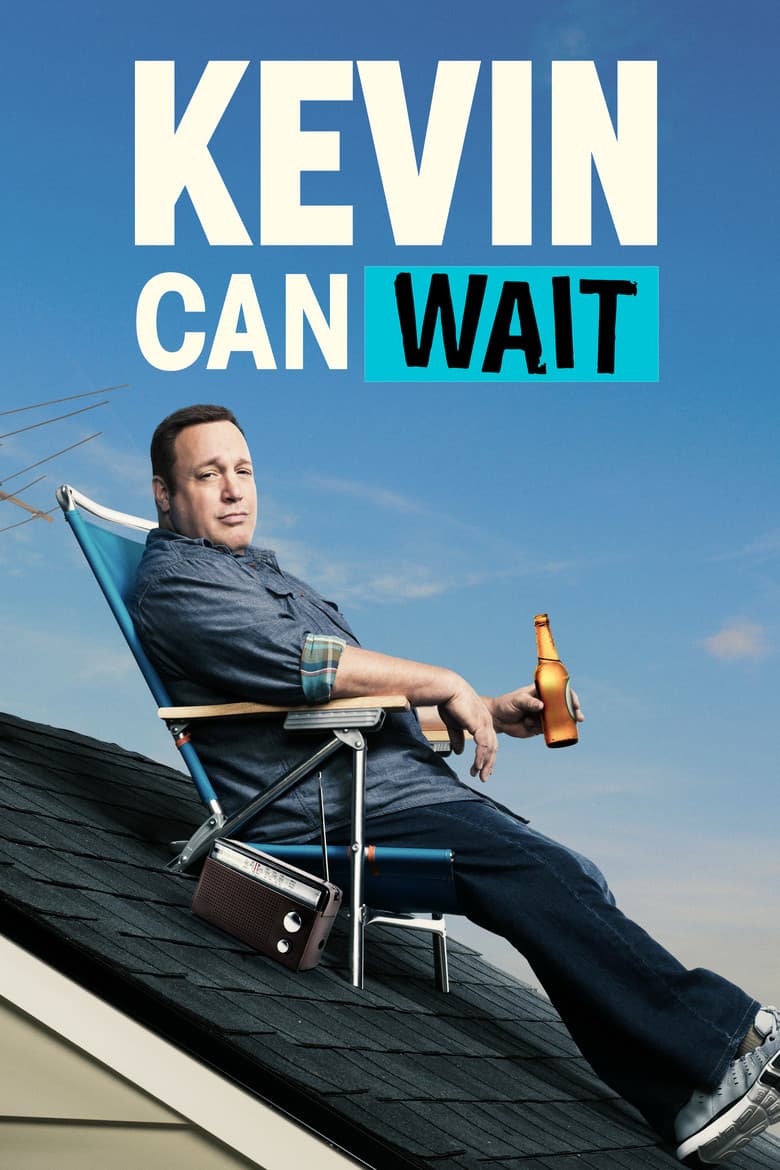
Started September 19, 2016 · Canceled · Based on 2 seasons, 48 episodes through May 7, 2018 · TV-14 · 21 min
Kevin Gable is a newly retired police officer who expects a quiet life on Long Island. He wants to spend more time with his wife, Donna, and their three children, but family problems quickly replace his old police work. Kevin tries to solve home troubles, help his children, and keep his friends close while he searches for new jobs and new plans. The show uses a bright, broad sitcom style built around family arguments, marriage jokes, work trouble, food, sports, and Kevin's childish mistakes. Season one follows Kevin in his marriage, while season two jumps ahead after Donna dies and follows him as a single father and security worker.
The show's clearest identity-related plot comes in the season two opener, when Chale's expired visa puts him at risk of deportation. The family rushes Kendra and Chale into a wedding so he can stay, while Kevin makes a foolish terrorist joke during the immigration interview. Season two also gives Vanessa a strong work role as a former police officer who owns the security firm and often has to manage Kevin. These ideas appear as short comedy plots or character jokes, and the show returns more often to dating, family life, jobs, grief, and male pride than to activist messages.
Community feedback
Was our 24% Woke rating accurate?
Breakdown
These are the editorial factors and ratings behind our score for Kevin Can Wait.
Woke representation / casting
Not present. The main cast shows an ordinary modern Long Island family, friends, and co-workers. Vanessa's police and business roles are part of her story, not a diversity or identity message.
0%
Woke political dialogue
Season two opens with Chale facing deportation after his visa expires. Kevin jokes during an immigration interview that Chale is a terrorist. A guest character also says that a man buying her a drink is about power, but the show does not build a lasting political debate.
16%
Identity-driven story themes
Chale's expired visa creates a clear identity-related family problem in the season-two opener. The family treats his possible deportation as serious and solves it with a rushed wedding. The show uses this issue for comedy and does not return to immigration as an ongoing story.
22%
Western institutional / cultural critique
Kevin repeatedly avoids chores and family duties. Kevin lies to Donna and meddles in his children's lives. Kevin becomes jealous when Vanessa gets credit for her business. Donna, Kendra, and Vanessa often push back, while Vanessa runs the security company and Kevin works for her. The show presents these moments as broad sitcom jokes rather than a sustained attack on men, marriage, religion, or Western institutions.
26%
Woke character or canon changes
Not relevant. The show is an original sitcom with no established source characters or real historical figures to change.
0%
Anti-woke backlash and complaints
Not present. Public complaints focused on firing Erinn Hayes, killing Donna, the Leah Remini recast, and weak comedy. No reported complaint treated the show as pushing woke, DEI, or identity politics.
0%
Creator track record context
Most listed writers, creator Barton Dean, and director Andy Fickman have no well-documented activist or DEI pattern. Dan Staley has a GLAAD-nominated episode about same-sex parents, and Tom Anderson worked on Living Single. Casting director Marc Hirschfeld led network diversity programs, while Michael Loftus has a center-right public record. The mixed record gives only mild context for this show.
16%
Production
TV Show · 2020
All Nikki and Jason want is a baby—the one thing they can't have. So they decide to adopt. With their dysfunctional friends, screwball families, and chaotic lives, will the…
TV Show · 2020
David Tennant and Michael Sheen (playing themselves) were due to star in a production of 'Six Characters in Search of an Author' in the West End.

TV Show · 2016
Jeremy Clarkson, Richard Hammond and James May are back with a show about adventure, excitement and friendship...
TV Show · 2024
Comedian Kapil Sharma hosts this laugh-out-loud variety talk show with celebrity guests, hilarious antics and his signature supporting cast.
TV Show · 2023
The inner workings of an American jury trial through the eyes of one particular juror, Ronald Gladden. Gladden is unaware the entire case is fake, everyone except him is an actor…

TV Show · 2019
Considered a genius due to having the highest grades in the country, Miyuki Shirogane leads the prestigious Shuchiin Academy's student council as its president, working alongside…
TV Show · 2020
A ghost-hunting duo team up to uncover and film paranormal sightings across the U.K. and share their adventures on an online channel.

TV Show · 2016
After being pulled into the webtoon world created by her father, a surgical resident gets entangled in a murder mystery involving the story's hero.
