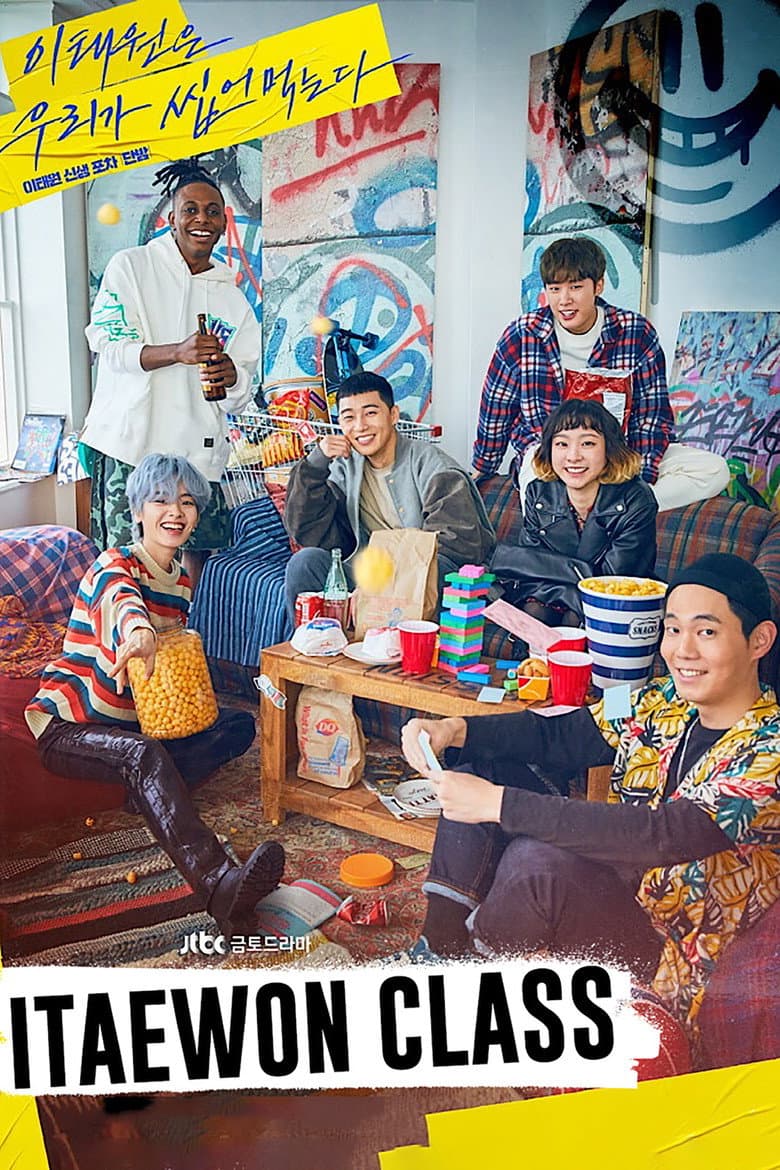
Started January 31, 2020 · Ended · Based on 1 season, 16 episodes through March 21, 2020 · TV-14 · 69 min · Korean
Park Sae-ro-yi is a stubborn young man who loses his father, leaves prison, and opens the DanBam bar in Seoul’s Itaewon district. He spends years trying to defeat Jangga, the food company run by the cruel man whose son caused his father’s death. Sae-ro-yi builds a team from an ex-convict, a sharp social media star, a transgender cook, and a Black Korean man. The show mixes revenge, business rivalry, romance, and bright nightlife with sudden violence and sad family scenes.
The show gives clear story space to identity and social treatment. Ma Hyun-yi is a transgender woman whose identity is exposed before a cooking contest, and her friends defend her choice to live openly. Kim Toni is a Black Korean man who is denied entry to a club because of his skin and is repeatedly told that he does not look Korean. Jo Yi-seo is a highly skilled young manager who leads men and breaks old manners, while the team keeps challenging the rich and powerful people who abuse their position.
Community feedback
Was our 70% Woke rating accurate?
Breakdown
These are the editorial factors and ratings behind our score for Itaewon Class.
Woke representation / casting
Ma Hyun-yi is a transgender woman and the head cook at the main bar. Kim Toni is a Black Korean and Guinean character who joins the team and receives a clear identity story. Jo Yi-seo is a young woman who becomes the team’s main manager and often directs the men around her. Itaewon is shown as an international nightlife area, so the mix has a story reason, but the repeated use of outsider identities in the core team makes representation easy to notice.
56%
Woke political dialogue
The club guard and Yi-seo speak about Toni’s skin, Korean identity, and who may enter. The team also talks about Hyun-yi’s gender, and Sae-ro-yi tells her she did nothing wrong. Yi-seo’s poem and Hyun-yi’s contest speech openly defend her right to live as herself. These lines recur in the Toni and Hyun-yi subplots, but they do not drive most of the revenge story.
45%
Identity-driven story themes
The DanBam team is built around people who do not fit common social expectations. Hyun-yi’s outing, fear, public contest, and comeback form a major late-season subplot. Toni’s search for family and fight against racial exclusion add a second identity thread. Yi-seo’s leadership and rejection of older manners also challenge expected gender and age roles. The main plot still centers on revenge, business, class, and family, so identity themes are important but not the whole show.
58%
Western institutional / cultural critique
Yi-seo openly rejects respect rules for older men and becomes the manager who controls the main team. The show also calls racial exclusion and rigid gender rules harmful. Most of this criticism targets Korean business and social customs, not Western institutions or Christianity. The theme is mild beside the personal revenge and business plot.
20%
Woke character or canon changes
Toni Kim, a Black Korean character, was added to the TV version and was not in the original webtoon. His added role brings a race and belonging subplot to the adaptation. The show otherwise keeps the main characters and revenge setup from the source. The change is important to identity themes but is limited to one supporting character.
40%
Anti-woke backlash and complaints
One small X account called the trans subplot propaganda and treated it as a forced coming-out scene. The supplied X pass found only fringe accounts and no large campaign. Most English-language X discussion praised the workplace trans-rights scenes. The evidence supports a low score because the anti-woke complaints are real but very small.
17%
Creator track record context
Cho Kwang-jin has a moderate representation-focused record. He has described building stories around outsiders and portraying a transgender character as a full person. The directors and listed producers have no strong public record of activist or DEI work. The creator context supports the show’s identity material, but it does not show a broad activist campaign.
35%
Production
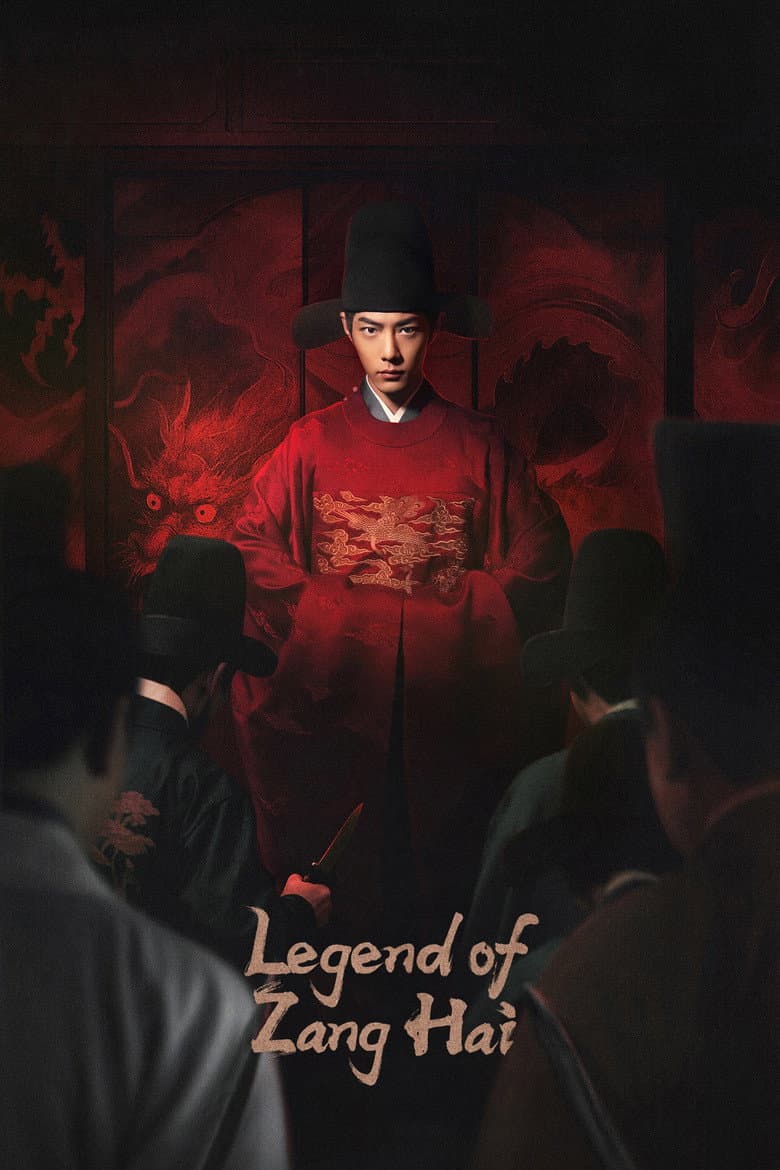
TV Show · 2025
"Legend of Zang Hai" follows the son of Imperial Astronomer Kuai Duo. Consumed by vengeance, he spends a decade honing his skills.
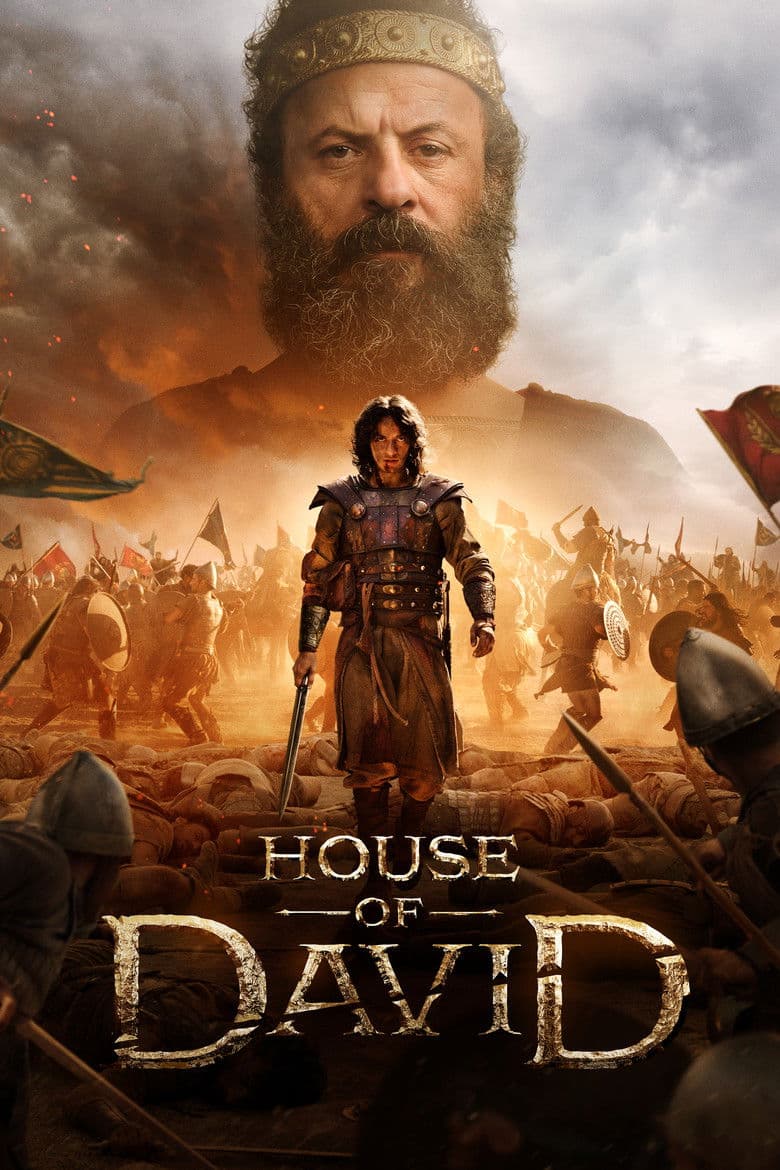
TV Show · 2025
Tells the story of the ascent of the biblical figure, David, who becomes the most celebrated king of Israel. The series follows the once-mighty King Saul as he falls victim to his…

TV Show · 2021
Inspired by the true story of Marty and the therapist who turned his life around...then took it over. When he first meets Dr. Ike, Marty just wants to get better at boundaries.

TV Show · 2024
The powerful real-life story of Lali Sokolov, a Jewish prisoner who was tasked with tattooing ID numbers on prisoners' arms in the Auschwitz-Birkenau concentration camp during…

TV Show · 2020
A wary CIA officer investigates a charismatic man who sparks a spiritual movement and stirs political unrest. Who exactly is he? And what does he want?
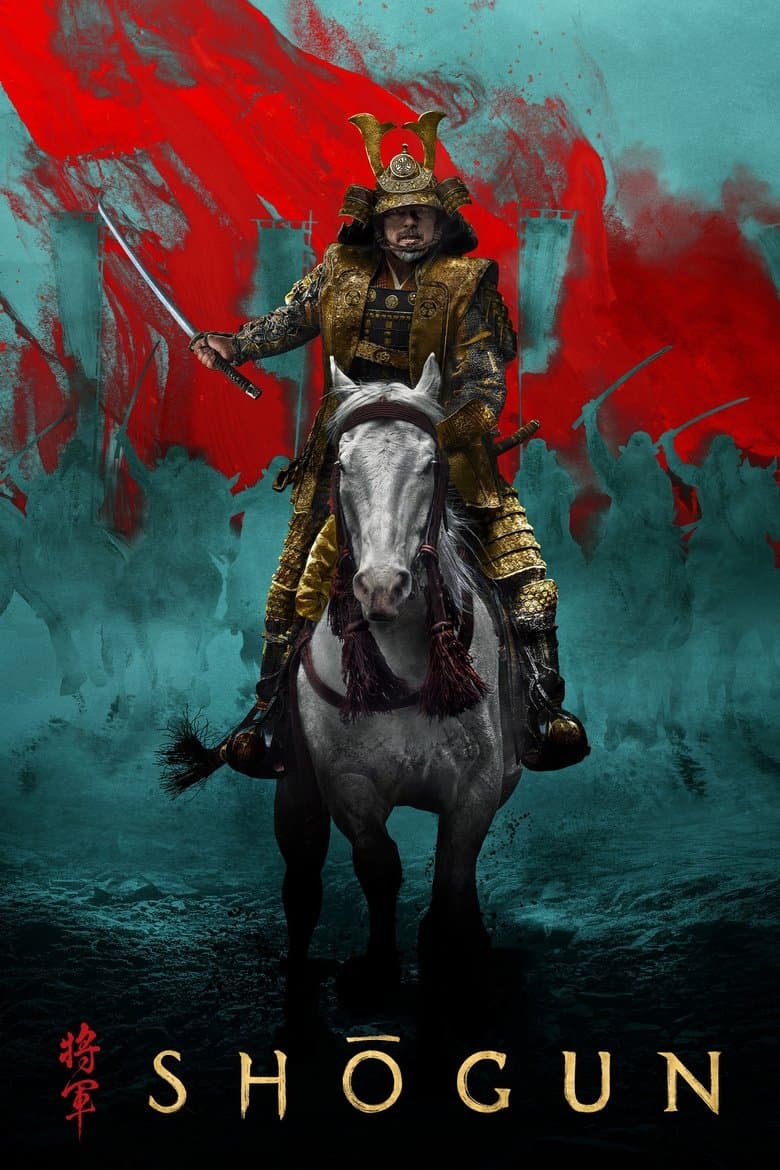
TV Show · 2024
In Japan in the year 1600, at the dawn of a century-defining civil war, Lord Yoshii Toranaga is fighting for his life as his enemies on the Council of Regents unite against him…

TV Show · 2026
As the Kargil War erupts between India and Pakistan, the Golden Arrows squadron of the Air Force takes flight on a dangerous mission behind enemy lines.

TV Show · 2023
The story of Bass Reeves, the legendary lawman of the wild West, is brought to life. Reeves worked in the post-Reconstruction era as a federal peace officer in the Indian…
