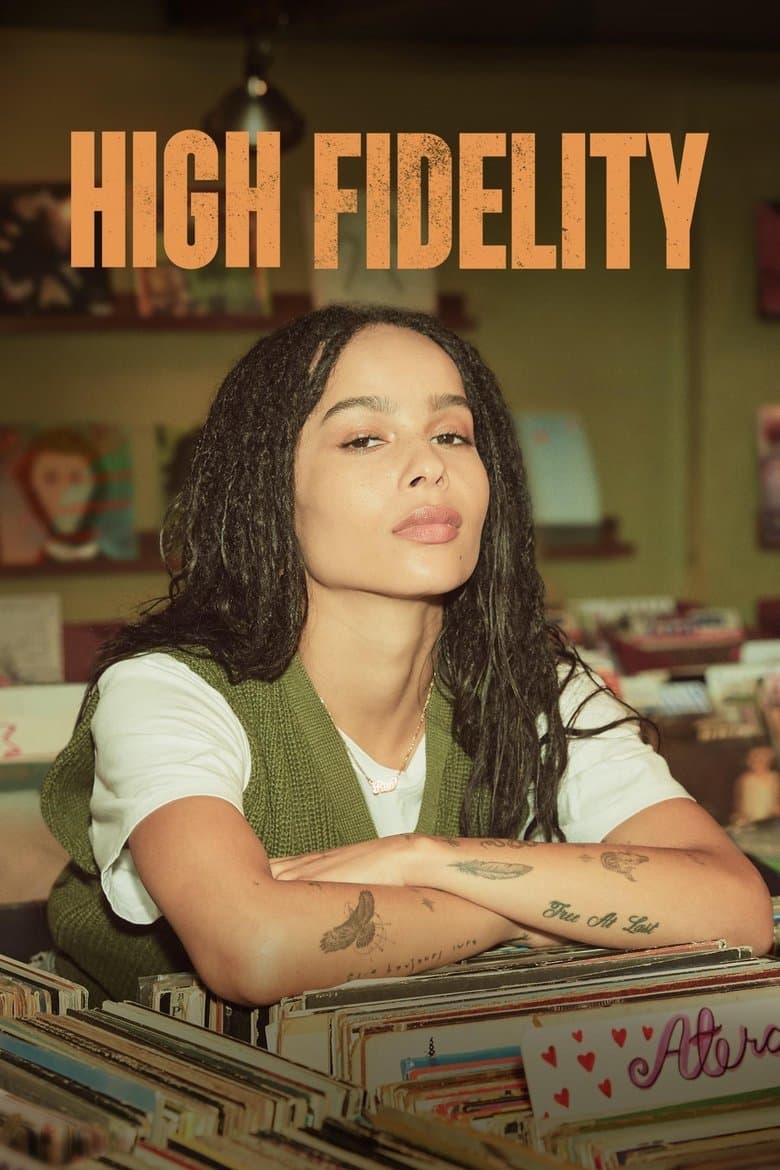
Started February 14, 2020 · Canceled · Based on 1 season, 10 episodes through February 14, 2020 · TV-MA
Robyn “Rob” Brooks owns a small record store in Crown Heights, Brooklyn. She still cannot get over Mac, the former fiancé who left her and now has a new fiancée. Rob uses music, old relationships, and direct talks with the camera to explain her choices while she dates other people and tries to keep the shop open. The show uses a stylish, funny, and sometimes sad tone as Rob learns that her selfish choices helped ruin her love life.
The clearest woke element is the identity-centered recasting of the old male lead as a black woman who dates men and has dated a woman. The story also gives major roles to a black woman employee, a black male ex, and a gay male employee, and Simon gets a full episode about his first serious boyfriend and the New York gay dating scene. The show treats these relationships as normal parts of adult life, while most episodes focus on music, breakups, and self-reflection. A few jokes mention male privilege and voting, but the series does not turn into a repeated political debate.
Community feedback
Was our 63% Woke rating accurate?
Breakdown
These are the editorial factors and ratings behind our score for High Fidelity.
Woke representation / casting
The series puts Zoë Kravitz, a black woman, in the lead role once held by a white man. The story also gives major roles to a black woman employee, a black male ex, and a gay male employee. Modern Brooklyn can support this mix, but the repeated focus on women, black characters, and queer characters is an audience-visible identity choice. Press coverage presents the cast as a new point of view on the old story.
45%
Woke political dialogue
A comedian says that he knows his male privilege and calls himself woke. A brief scene also tells a character not to forget to vote. The season uses these lines as jokes or background talk, and they do not drive the main story.
14%
Identity-driven story themes
Rob dates men and has a female ex, so bisexuality is part of her dating history and heartbreak list. Simon gets a full episode about his first boyfriend, his gay dating life, and his choice to reject an unhealthy relationship. These stories recur around the main cast, but the season mostly follows music, breakups, and Rob’s struggle to change. The show presents queer life as normal instead of making identity politics the main conflict.
39%
Western institutional / cultural critique
The show moves the old self-centered male music nerd’s behavior onto a woman, which lightly questions the idea that only men can be selfish, sexually careless, or music snobs. A comedy scene names male privilege, and another compares a man’s treatment of Rob to a woman in a Michael Bay movie. The season does not build a repeated attack on men, family, religion, or Western institutions.
18%
Woke character or canon changes
The novel and 2000 film center on a white man named Rob. The series changes Rob into Robyn, a black woman, and gives her relationships with both men and a woman. The creators and Kravitz openly describe the choice as a woman’s point of view and as a way to give women the kind of role usually given to men. This change shapes the lead character, the supporting cast, and the way the series is sold.
78%
Anti-woke backlash and complaints
A few small accounts called the Hulu remake politically correct or said it woke-ified the cast and dialogue. Other low-reach posts objected to gender-swapping Rob or complained about the racial mix after the cancellation. One right-leaning account praised the show even while usually disliking gender-swap remakes. No boycott, review-bombing drive, or organized campaign appeared.
12%
Creator track record context
Veronica West and Sarah Kucserka have low to mild cached scores and no strong activist record. Kravitz and several credited writers and directors have stronger links to women’s, queer, black identity, or social-justice work. Other listed producers and directors have little such record. The mixed team gives supporting context, but it does not make the series itself political.
44%
Production

TV Show · 2026
The mayor of a New England town resolves to turn it into the next tourist hot spot, despite local warnings that it's cursed.
TV Show · 2016
In his funky California beach enclave, Chip's the go-to guy for personal insights. But he isn't quite as enlightened when it comes to his own baggage.
TV Show · 2018
A hit man from the Midwest moves to Los Angeles and gets caught up in the city's theatre arts scene.
TV Show · 2019
To win back his ex-girlfriend, a nerdy teen starts selling ecstasy online out of his bedroom -- and becomes one of Europe's biggest dealers.

TV Show · 2019
A paragliding mishap drops a South Korean heiress in North Korea -- and into the life of an army officer, who decides he will help her hide.
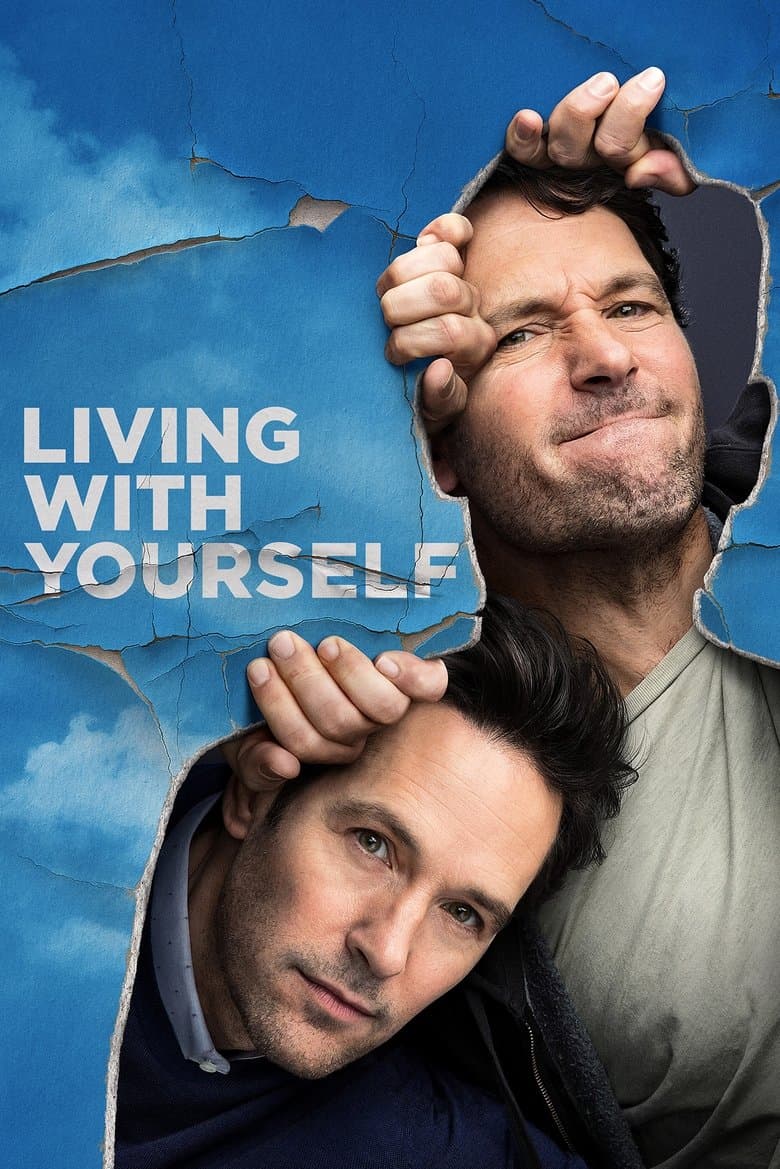
TV Show · 2019
Burned out on life, Miles undergoes a strange procedure at a strip mall spa -- and wakes to find he's been replaced by a better version of himself.
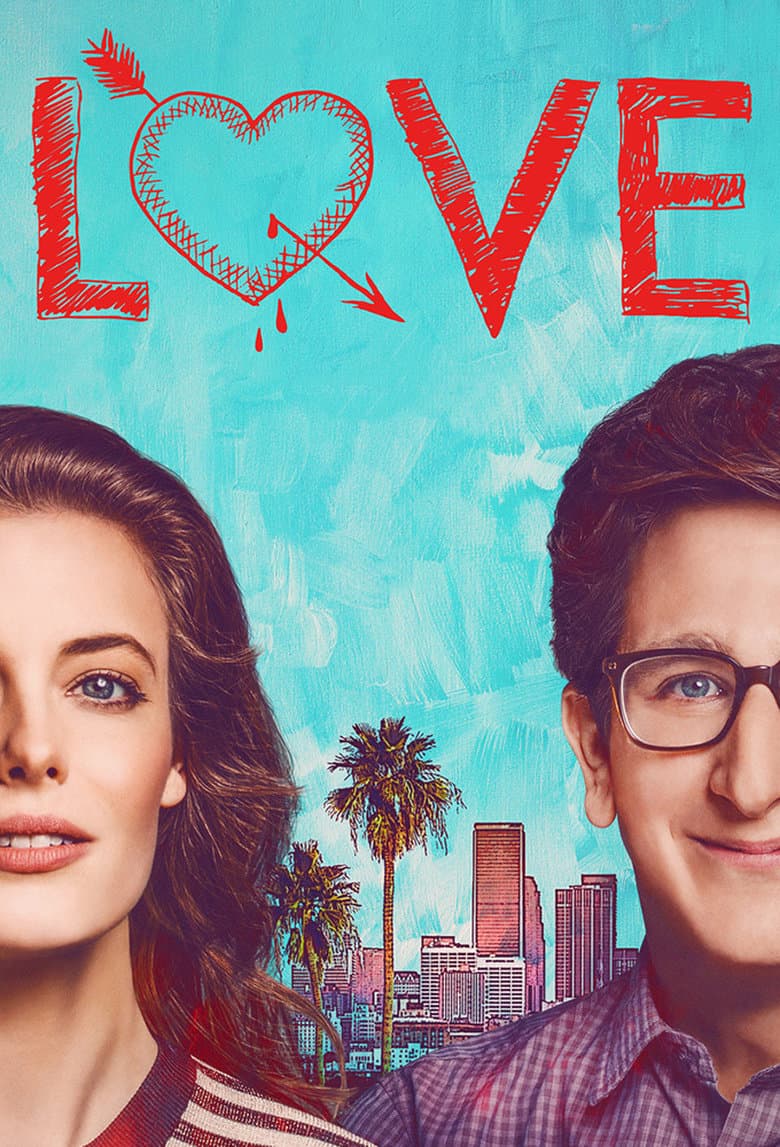
TV Show · 2016
Rebellious Mickey and good-natured Gus navigate the thrills and agonies of modern relationships.
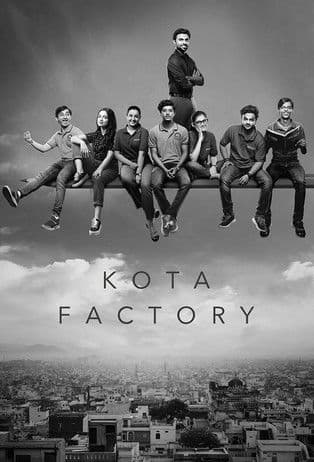
TV Show · 2019
In a city of coaching centers known to train India’s finest collegiate minds, an earnest but unexceptional student and his friends navigate campus life.
