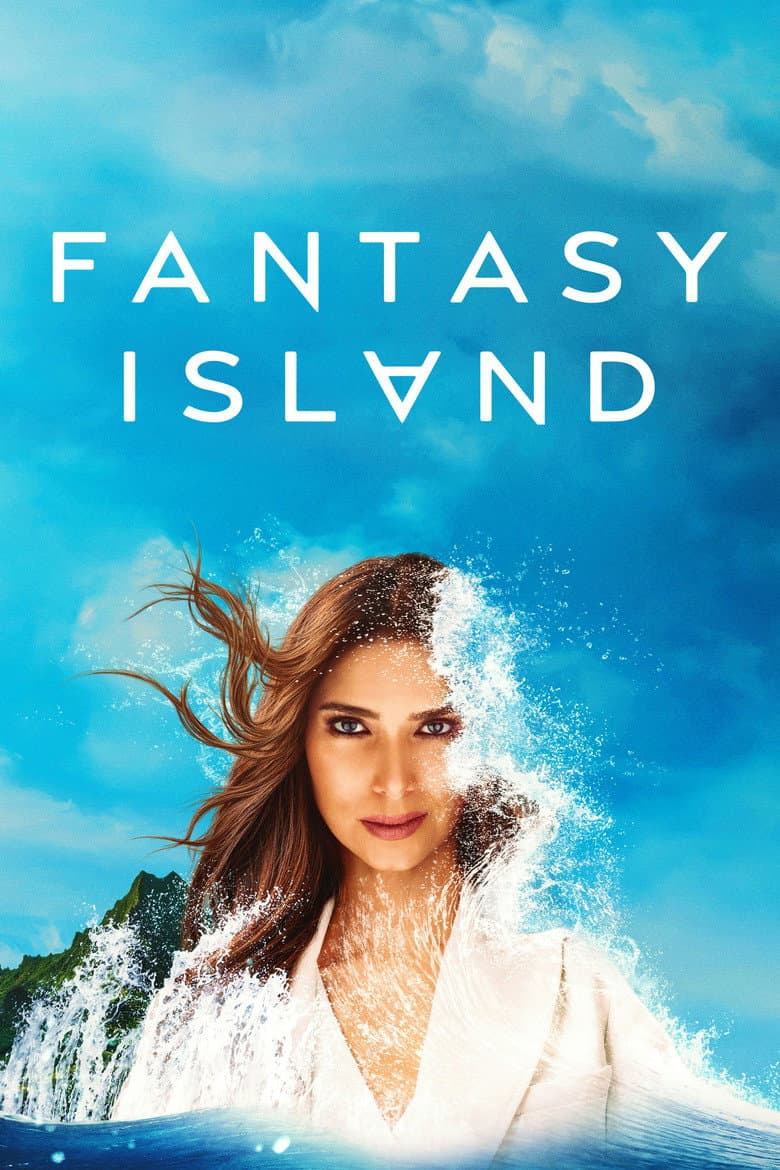
Started August 10, 2021 · Canceled · Based on 2 seasons, 23 episodes through May 8, 2023 · TV-14 · 43 min
Fantasy Island follows Elena Roarke, a guarded woman who runs a magical resort in Puerto Rico. Elena gave up her old dreams and the love of her life to protect her family’s island legacy. Guests arrive with wishes about love, family, work, youth, grief, or fame. The island grants each wish in a strange way, then makes the guest face a deeper problem. The show uses warm drama, romance, light mystery, and magical stories rather than horror. The clearest woke elements are a long queer story about Ruby, a black woman who moves from a marriage to relationships with women, including the mermaid Isla. Season 2 also follows a gay man whose boyfriend rejects his proposal, and it gives him a full romantic story. Several episodes say that women are judged by their bodies, pushed toward motherhood, or blocked from success by men, and the stories usually side with the women. The remake also makes the famous island host a Latina woman and places women in charge, which gives the series a strong representation and female-empowerment tone.
Community feedback
Was our 74% Woke rating accurate?
Breakdown
These are the editorial factors and ratings behind our score for Fantasy Island.
Woke representation / casting
The show makes a Latina woman the main host and gives a black woman the long-term assistant role. The show also uses a Latino pilot and a wide range of guest identities. The Puerto Rico setting makes a mixed cast believable, so ethnicity alone does not make this a high score. The launch still stressed a female host, a strong female presence, and diversity as key changes, which gives the casting a clear representation signal.
46%
Woke political dialogue
The show uses direct lines about gender roles in several episodes. In “The Big Five Oh,” a woman says the world treats women as incomplete without children and calls a woman without a man a threat to the status quo. In “The Romance and the Bromance,” a publisher says a woman’s book is foolish while a man’s book is genius. These scenes support women’s independence, but the show does not build its main plot around political speeches.
42%
Identity-driven story themes
Ruby’s sexuality forms a continuing story across both seasons. Ruby remembers loving a woman, dates Gina, and later falls for Isla while staying tied to her husband and family. Season 2 also gives Oliver and Emilio a full story about a same-sex proposal and rejection. Other stories ask women to reject pressure about beauty, motherhood, or marriage. The show treats self-discovery and accepting a different life as positive answers.
50%
Western institutional / cultural critique
The show repeatedly questions old gender rules in its guest stories. It criticizes pressure on women to stay young, have children, or define themselves through men. It presents a male-dominated book business as blocking a talented woman, and Elena helps break that barrier. It also treats controlling men, cheating husbands, and unequal home duties as problems, but it does not attack Christianity or Western society as a whole.
43%
Woke character or canon changes
The reboot changes the original Mr. Roarke into Elena Roarke, a Latina woman who runs the island. The famous Tattoo-style helper becomes Ruby, a black woman with a queer story and a permanent place on the staff. The original series centered a male host and a male sidekick, so these are major identity changes to known roles. The new characters still keep the island’s basic fantasy premise and family link.
70%
Anti-woke backlash and complaints
A few small X accounts called the reboot a woke LGBT remake and complained about a female Roarke and lesbian plots. A few later viewers said they stopped watching because episodes felt too woke or focused on lesbian stories. One web review mentioned seeing similar complaints, but no large outlet, boycott, review bomb, or organized campaign followed. The available evidence is fringe and has little reach, so the backlash score stays low.
18%
Creator track record context
The original creator, Gene Levitt, has a low stored score and no known activist history. The current showrunners, Sarah Fain and Elizabeth Craft, have a repeated record of supporting women and people of color in television jobs. The writing team also includes Yona Speidel, whose past work centers transgender and queer lives, plus other writers and directors with moderate representation records. The record supports a noticeable representation signal, but it is not a single activist campaign by the whole team.
49%
Production
TV Show · 2016
A disgraced, 75-year-old ex-sheriff, whose life ends at the hands of corrupt cops, is brought back to life and given a second chance by a pair of young tech scientists, as a…
TV Show · 2017
Holden wakes up from a coma after 12 years and discovers new abilities that propel him into the middle of a dangerous conspiracy.
TV Show · 2021
On a perilous adventure across a post-apocalyptic world, a lovable boy who's half-human and half-deer searches for a new beginning with a gruff protector.
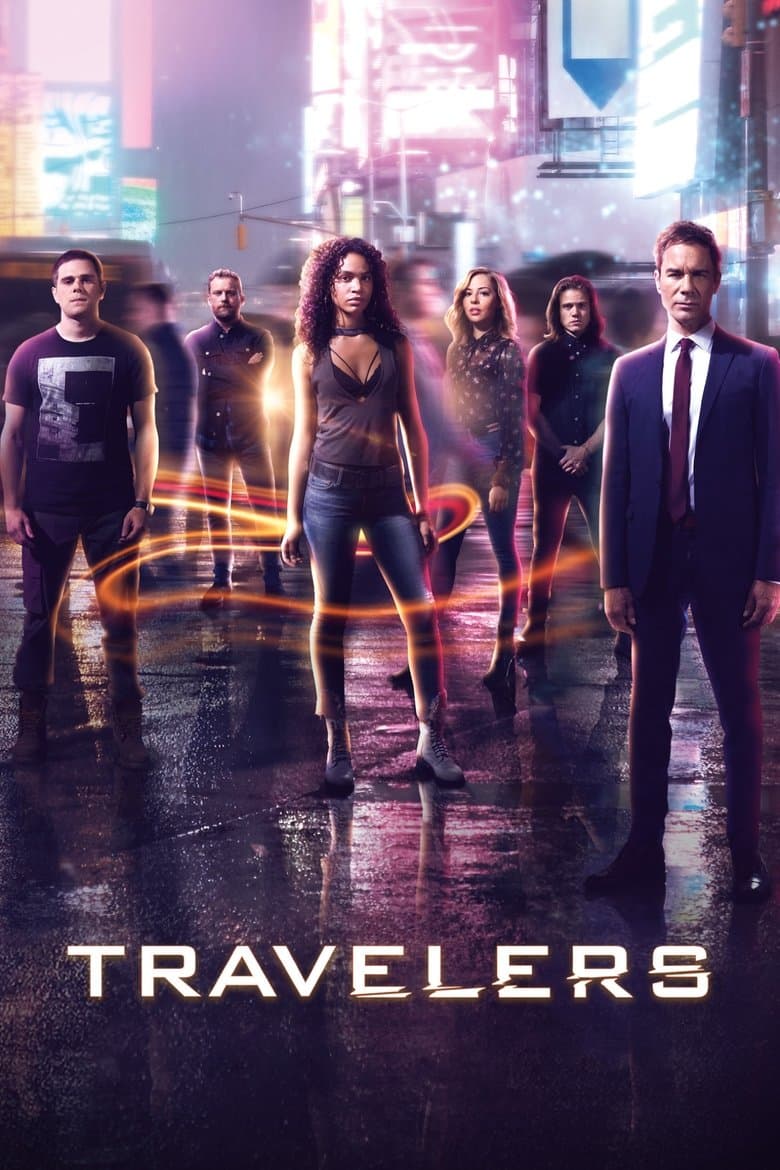
TV Show · 2016
Hundreds of years from now, the last surviving humans discover the means of sending consciousness back through time, directly into people in the 21st century.
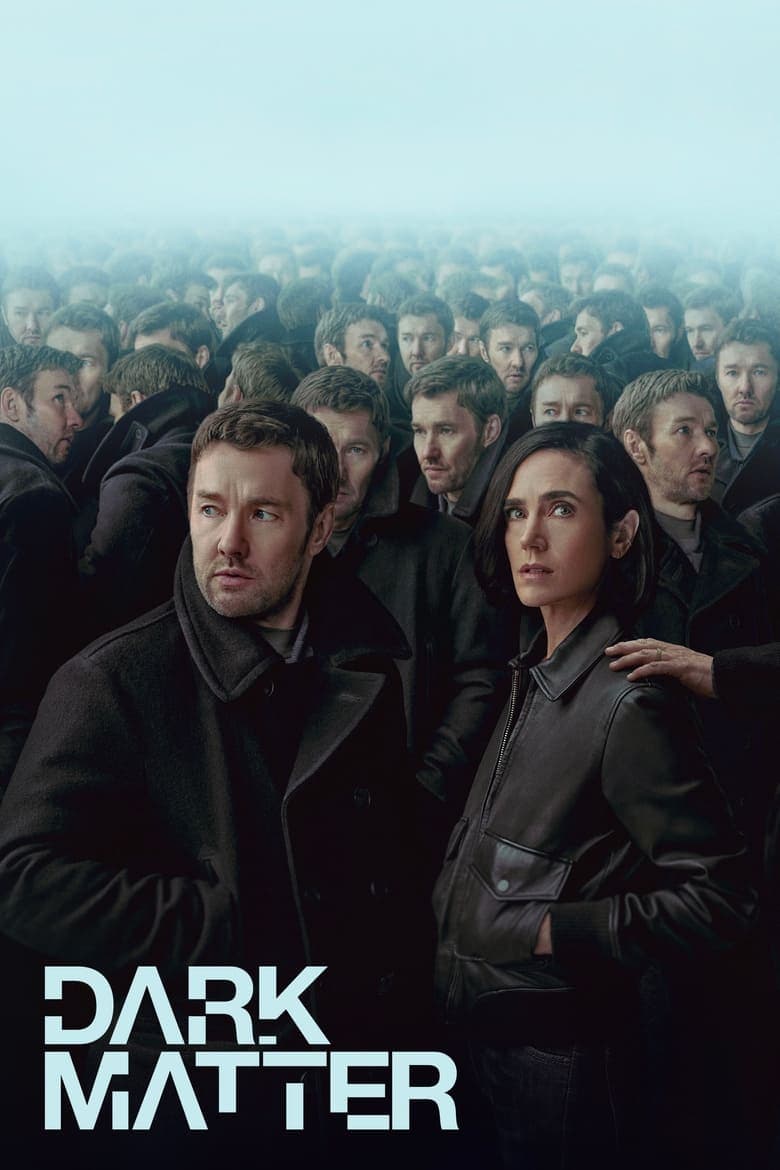
TV Show · 2024
Jason Dessen is abducted into an alternate version of his life. To get back to his true family, he embarks on a harrowing journey to save them from the most terrifying foe…
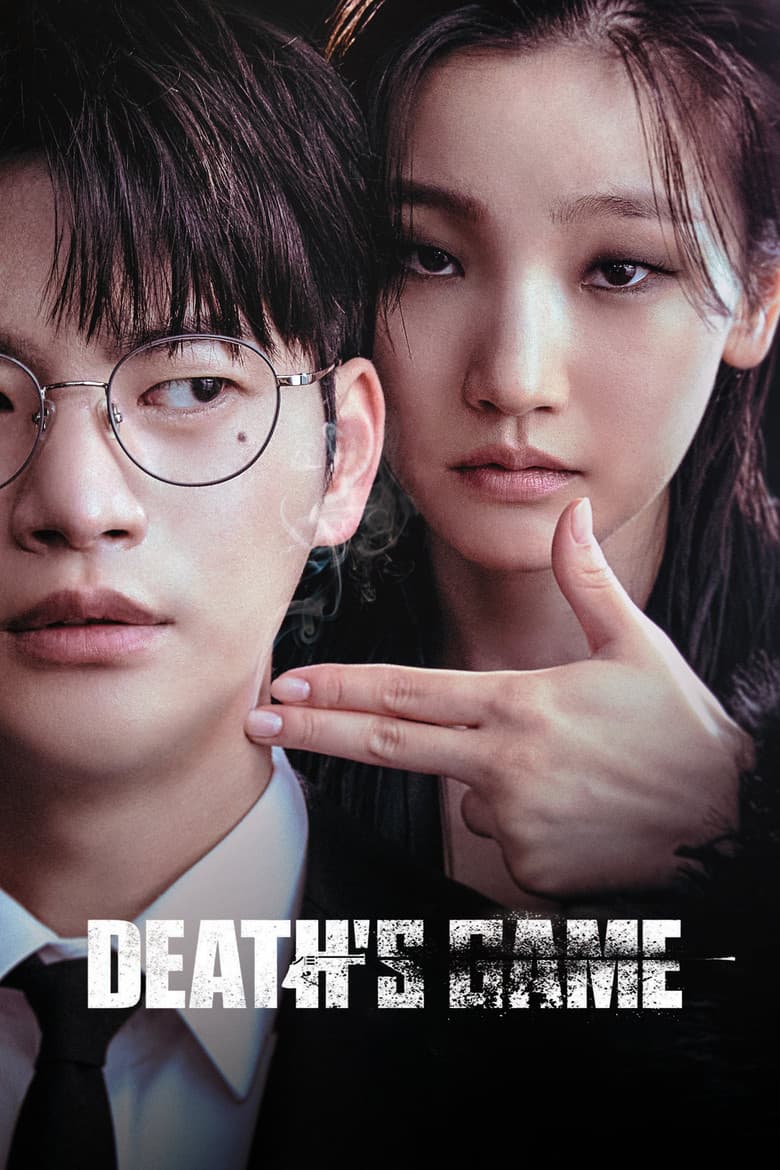
TV Show · 2023
At the brink of going to hell, Yee-jae must cycle through twelve separate lives and twelve separate deaths in this reincarnation drama.
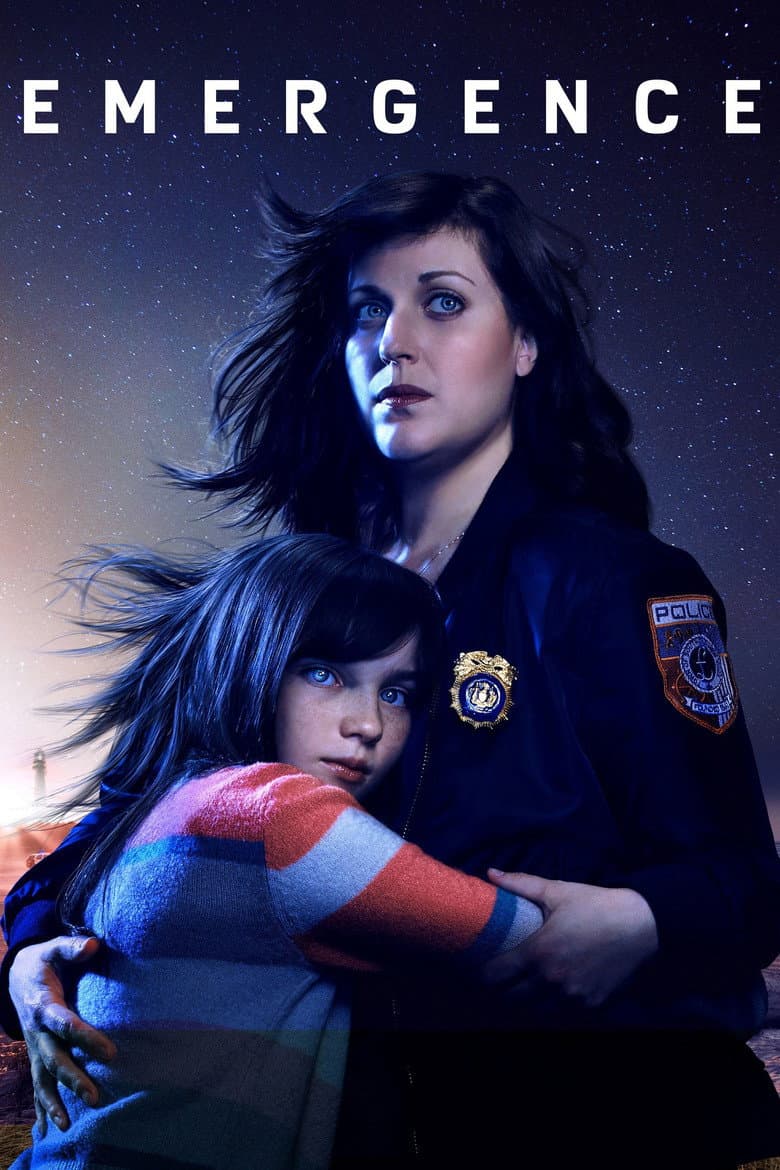
TV Show · 2019
A police chief takes in a young child she finds near the site of a mysterious accident who has no memory of what has happened.
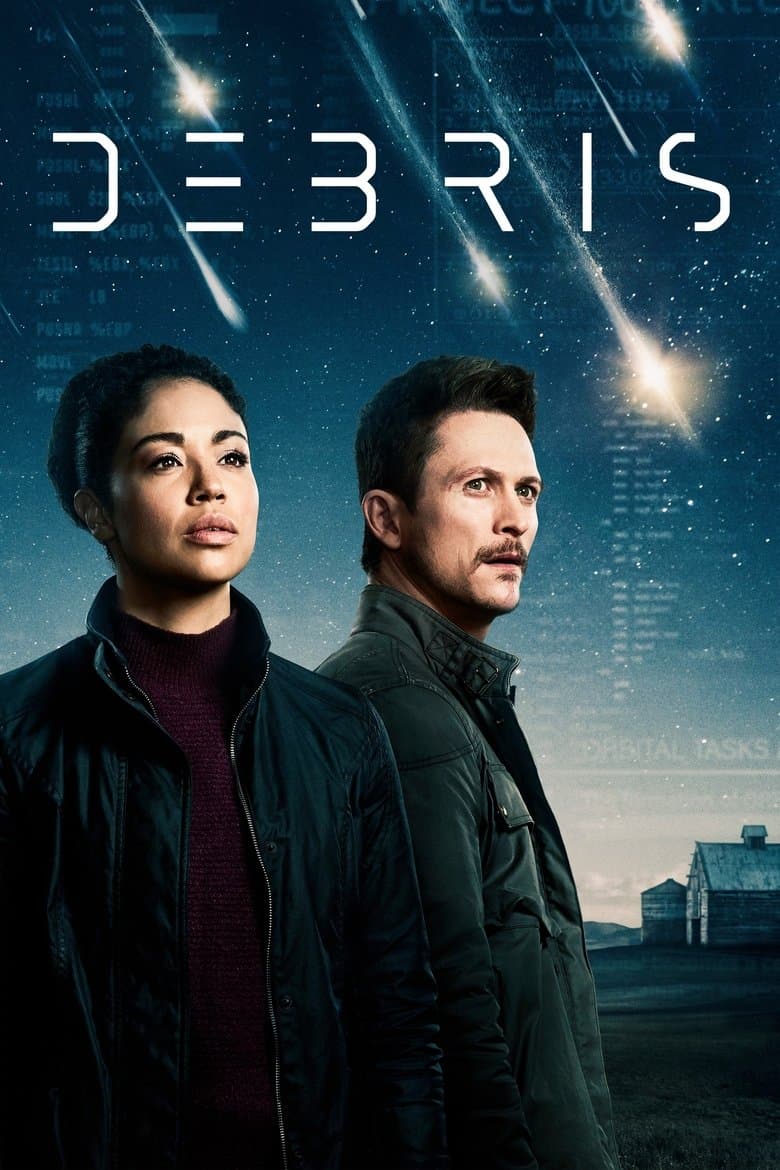
TV Show · 2021
Two federal agents from two different continents, and two different mindsets, must work together to investigate when wreckage from a destroyed alien spacecraft has mysterious…
