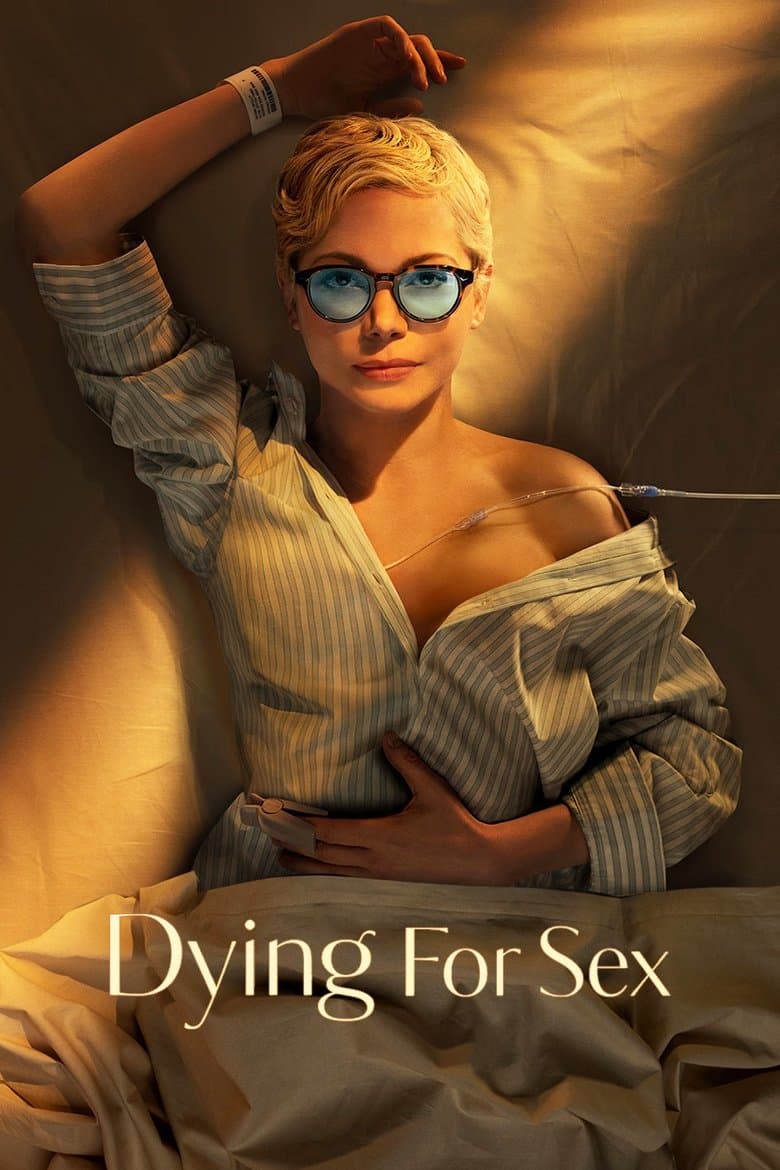
Started April 4, 2025 · Ended · Based on 1 season, 8 episodes through April 4, 2025 · TV-MA
After Stage IV metastatic breast cancer returns, Molly leaves her sexless marriage. With her best friend Nikki, she pursues orgasms, kink, and control over her body that she never had before. The story is framed as living fully before dying. It is based on the Wondery podcast by Molly Kochan and Nikki Boyer. The series follows that real path through desire, friendship, and the end of life.
The show centers female sexual liberation and the right to pleasure without shame. Molly’s arc runs through a queer and polyamorous kink gathering, a same-sex BDSM training scene with lesbian dom G, and mentorship from black queer palliative worker Sonya. Dialogue covers women not being believed in medicine, medical sexism, and older care that dismisses female desire. Marriage and conventional heterosexual norms often read as deadening or inadequate. LGBTQ elements and empowerment themes are structural to the plot, not background color.
Community feedback
Was our 80% Woke rating accurate?
Breakdown
These are the editorial factors and ratings behind our score for Dying for Sex.
Woke representation / casting
The leads match the real Molly and Nikki through Michelle Williams and Jenny Slate. Mixed casting fits a modern New York setting. Supporting roles still form a clear pattern with black queer palliative worker Sonya, lesbian BDSM mentor G, and other queer-coded care figures. Identity-forward mentor casting raises the score without making the leads a checklist ensemble.
36%
Woke political dialogue
The show has clear lines about women not being believed in medicine, including women of color. An older male oncologist treats vaginal dryness as a mental issue and brushes it off. Dialogue also covers shame about female bodies and desire. These beats frame care and gender as activist themes without constant speechifying.
40%
Identity-driven story themes
The whole arc is female sexual liberation, reclaiming pleasure, ending shame, and agency after abuse and cancer. Friendship is the primary love, and the story rejects the idea of normal sex. Molly moves through queer and polyamorous kink scenes and same-sex BDSM training with lesbian dom G. LGBTQ and empowerment messaging structure the plot rather than sit in the background.
76%
Western institutional / cultural critique
Marriage and conventional heterosexual partnership often look deadening or inadequate. The husband cannot meet Molly’s desire, and men are often losers, jerks, weirdos, or predators. Traditional sexual norms and medical paternalism block female fulfillment. The critique targets gender roles and normal sex as systems to leave behind, not churches or distant history.
60%
Woke character or canon changes
Not relevant. This adapts a real woman’s podcast and memoir. Story liberties are ordinary drama choices, not identity swaps of established characters.
0%
Anti-woke backlash and complaints
There was no mass DEI casting boycott. Right-leaning and anti-woke pushback still appeared, including Free Press criticism of the show’s view of men and heterosexual relationships. A widely liked X post said the show treats loved ones as obstacles to personal pleasure. That is moderate identity and gender-politics complaint, not a full culture-war wave.
30%
Creator track record context
Elizabeth Meriwether is a known feminist voice, and the room includes several feminist and queer-leaning writers and producers. Leslye Headland and others match openly queer storytelling. Kim Rosenstock scores lower, and some producers are more neutral. Overall the creative bench clearly leans feminist and queer in line with the show.
60%
Production

TV Show · 2020
New passions. New fashions. New Emily? A plucky American marketing whiz spreads her wings in life and love after landing her dream job in Paris.

TV Show · 2026
The mayor of a New England town resolves to turn it into the next tourist hot spot, despite local warnings that it's cursed.
TV Show · 2019
Burned out on life, Miles undergoes a strange procedure at a strip mall spa -- and wakes to find he's been replaced by a better version of himself.

TV Show · 2019
A paragliding mishap drops a South Korean heiress in North Korea -- and into the life of an army officer, who decides he will help her hide.
TV Show · 2021
A seemingly ordinary British couple become the focus of an extraordinary investigation when two dead bodies are discovered in the back garden of a house in Nottingham.
TV Show · 2019
A group of working-class friends finding unconventional ways to win at life in suburban northern England. These lads have dealt, scammed, bribed and conned their way through…
TV Show · 2019
In a city of coaching centers known to train India’s finest collegiate minds, an earnest but unexceptional student and his friends navigate campus life.
TV Show · 2020
After being bullied and discriminated because of her ugly looks, a high school girl transforms herself into a gorgeous "goddess" and quickly rises to fame after mastering the art…
