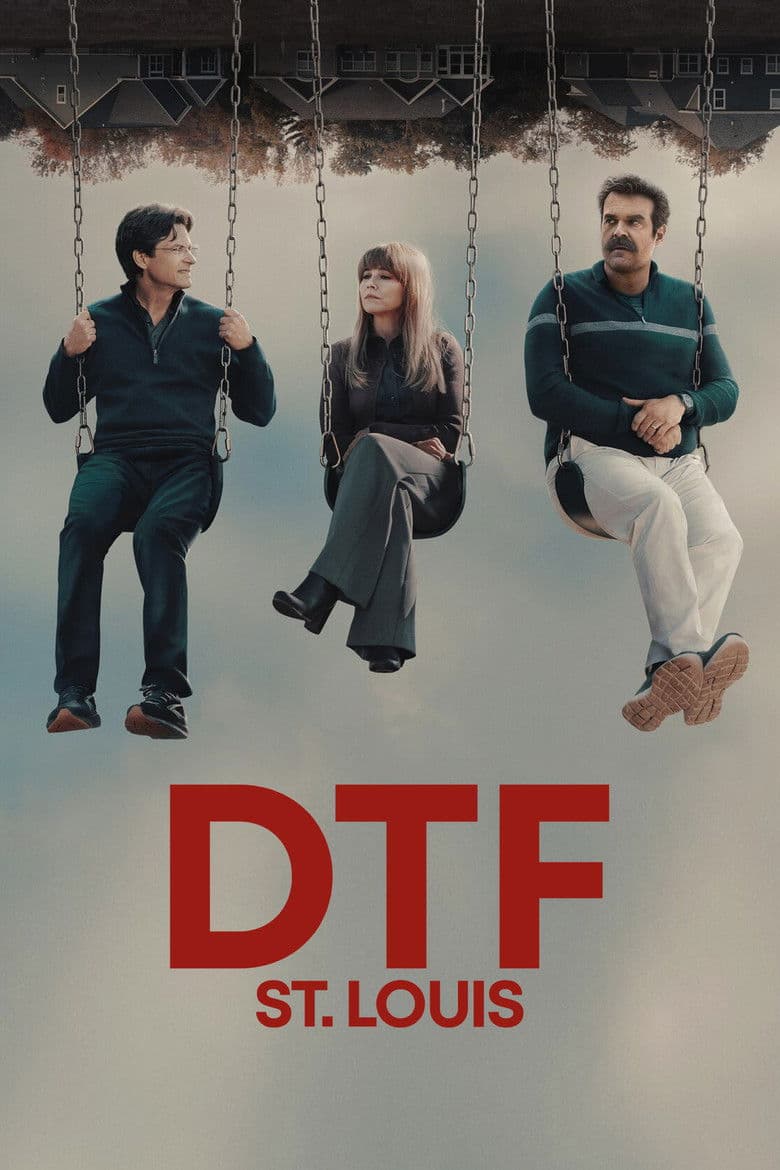
Started March 1, 2026 · Ended · Based on 1 season, 7 episodes through April 12, 2026 · TV-MA
DTF St. Louis follows Floyd Smernitch, a kind but lonely sign language interpreter who lives in a St. Louis suburb. His friend Clark Forrest works as a local weatherman and puts Floyd on a dating app for married people while secretly sleeping with Floyd’s wife, Carol. Floyd later dies in a public pool changing room, and two detectives reconstruct the events through interviews and flashbacks. The seven episode story combines bleak comedy, mystery, strange sex, and a sad view of loneliness in middle age.
The show gives Jodie Plumb, a black special crimes officer, a major role in the investigation. She often understands modern dating and sexual behavior better than her older white partner, Donoghue Homer, and she challenges his confidence. The season repeatedly shows affairs, open relationships, porn, unusual kinks, and a same sex kiss without treating every desire as a moral crime. The story also presents marriage, family duty, male pride, and suburban success as sources of frustration and emotional harm. These ideas matter because they shape the mystery while the show remains focused on loneliness, desire, friendship, and failed relationships.
Community feedback
Was our 39% Woke rating accurate?
Breakdown
These are the editorial factors and ratings behind our score for DTF St. Louis.
Woke representation / casting
Jodie Plumb is a black female special crimes officer and one of the two lead investigators. The show gives her repeated authority over an older white male detective, and she corrects him about modern sexual cases. The role is prominent, but the show does not present the casting as a diversity campaign.
22%
Woke political dialogue
Not present. The detectives and families talk about sex, affairs, marriage, and loneliness. The show has no clear speeches about elections, DEI, race politics, or activist causes.
0%
Identity-driven story themes
The dating app, affairs, swinging, kinks, porn, and a same sex kiss recur through the season. The show discusses unusual sexual desires openly and mostly without judgment. Floyd’s search for intimacy drives many turns in the mystery and links sex to loneliness and self worth. The story keeps these ideas tied to private pain and confused relationships instead of public activism.
32%
Western institutional / cultural critique
The show repeatedly presents suburban marriage, family duty, and middle class success as empty routines that can trap unhappy adults. Clark and Floyd struggle to act like strong and confident men, and the story treats their emotional weakness sympathetically. Jodie often cuts through Homer’s old male authority when they discuss sex cases. The season questions traditional male roles, but it does not make a broad attack on men, religion, or Western institutions.
34%
Woke character or canon changes
Not relevant. The released story uses its own fictional characters and setting. No established character, canon, or real historical figure is changed for identity or DEI reasons.
0%
Anti-woke backlash and complaints
Several right leaning X accounts called the show woke or said HBO had forced in woke themes. Some viewers quit after Jodie Plumb appeared and criticized what they saw as a bossy black female detective and weak or emasculated male leads. Other posts said the ending undercuts a self liberation view of casual sex. The reaction came from scattered accounts, with no boycott, review bombing drive, or organized campaign.
35%
Creator track record context
Steven Conrad has no clear activist pattern in his public work. David Harbour has called himself a socialist and defended marginalized people. Jason Bateman and some producers have milder left leaning signals. The title related interviews do not show a strong activist campaign around the series.
18%
Production

TV Show · 2016
Rebellious Mickey and good-natured Gus navigate the thrills and agonies of modern relationships.
TV Show · 2018
A hit man from the Midwest moves to Los Angeles and gets caught up in the city's theatre arts scene.
TV Show · 2019
Burned out on life, Miles undergoes a strange procedure at a strip mall spa -- and wakes to find he's been replaced by a better version of himself.

TV Show · 2019
A paragliding mishap drops a South Korean heiress in North Korea -- and into the life of an army officer, who decides he will help her hide.

TV Show · 2020
After being bullied and discriminated because of her ugly looks, a high school girl transforms herself into a gorgeous "goddess" and quickly rises to fame after mastering the art…

TV Show · 2019
Tony had a perfect life. But after his wife Lisa suddenly dies, Tony changes. After contemplating taking his own life, he decides instead to live long enough to punish the world…

TV Show · 2020
New passions. New fashions. New Emily? A plucky American marketing whiz spreads her wings in life and love after landing her dream job in Paris.

TV Show · 2019
To win back his ex-girlfriend, a nerdy teen starts selling ecstasy online out of his bedroom -- and becomes one of Europe's biggest dealers.
