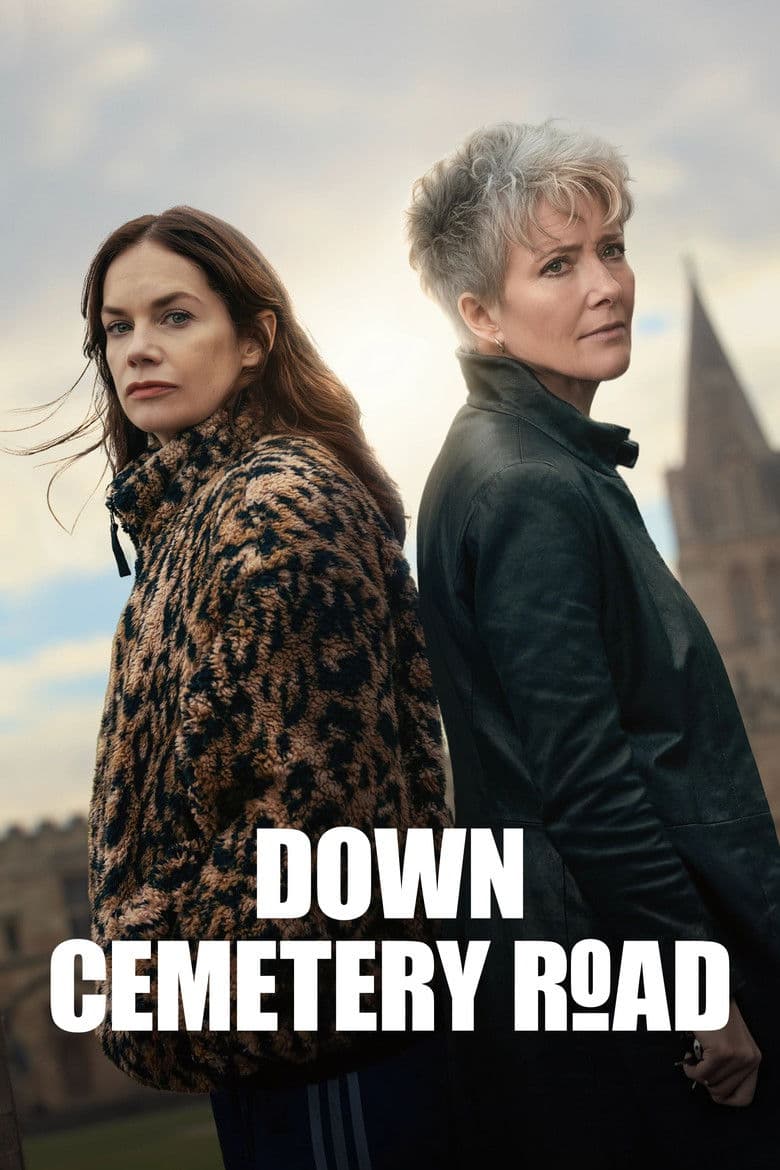
Started October 29, 2025 · Returning Series · Based on 1 season, 8 episodes through December 10, 2025 · TV-MA
Down Cemetery Road follows Sarah Trafford, an art restorer living a restless life with her banker husband in South Oxford. After a house explodes and a young girl vanishes from the hospital, Sarah hires private investigator Zoë Boehm. Zoë is grieving her own broken marriage, but she joins Sarah as the clues lead to dead soldiers, secret drug tests, and a military cover-up. The season moves from a dry suburban mystery to a violent chase thriller, with dark jokes, grief, guilt, and danger throughout.
The clearest woke element is the show’s repeated female-led power story. Sarah and Zoë drive the investigation, outsmart several men, reject bad marriages, and end the season choosing freedom and a new life. The show presents male bankers, husbands, police-linked figures, and government officers as selfish, foolish, or cruel, while the women carry the moral and practical weight of the rescue. It also changes Sarah from a jobless housewife in the 2003 book to a skilled art restorer, which makes her professional skill part of the story.
Community feedback
Was our 55% Woke rating accurate?
Breakdown
These are the editorial factors and ratings behind our score for Down Cemetery Road.
Woke representation / casting
The series puts two white women at the center as an art restorer and a private investigator, and a woman becomes the new Defence Secretary. Several racial-minority actors also hold important government, police, and military roles. These choices are visible, but they fit a modern Oxford setting and are not sold as a diversity message. The pattern is mild rather than representation-first.
18%
Woke political dialogue
Not present. The season has political talk about a military cover-up, chemical weapons, and public accountability. The characters do not push modern identity, DEI, gender-role, or activist ideas in spoken lines.
0%
Identity-driven story themes
Sarah and Zoë lead the case through all eight episodes. The show repeatedly presents them as brave, sharp, and more dependable than many of the men around them. Sarah leaves a cheating husband, and Zoë stays apart from her failed marriage. The finale treats Sarah's discarded wedding ring as a sign that she is free to start over. This makes female empowerment a strong thread, even though crime, grief, and trauma remain the main plot.
55%
Western institutional / cultural critique
The season shows the Ministry of Defence hiding a failed operation, harmful drug tests, and deaths. The story also shows a banker husband and other men acting selfishly or cruelly toward women. These choices create a mild critique of male power and official secrecy. The show does not turn them into a wider attack on capitalism, Christianity, or Western culture.
18%
Woke character or canon changes
The book presents Sarah as a bored housewife with no job. The show changes her into an art restorer whose trained eye helps solve the case. Ruth Wilson says the creative team made this update so Sarah would have useful skills. The series also expands Zoë from a smaller book role into a main lead. These are clear gender-role and female-lead changes, but they mainly serve the thriller.
30%
Anti-woke backlash and complaints
A few reviews complain that the show pushes a loud feminist message and makes the women heroes while many men are fools, cheats, or villains. One Dutch review uses woke as a complaint about the show's early dialogue and says that tone continues. Reddit discussion is mixed, with many viewers praising the women and others rejecting the writing. The evidence shows a small but clear backlash, not a large culture-war fight.
38%
Creator track record context
The supplied context gives Morwenna Banks a low score and finds no clear activist record. Mick Herron has a mild left-leaning record tied to anti-Brexit views and satire of right-wing figures. Emma Thompson and Hakan Kousetta have higher cached scores because of liberal and inclusion-related work, while the directors and most writers score low. This gives the project a moderate background signal, but it does not show a strongly activist creative team.
30%
Production
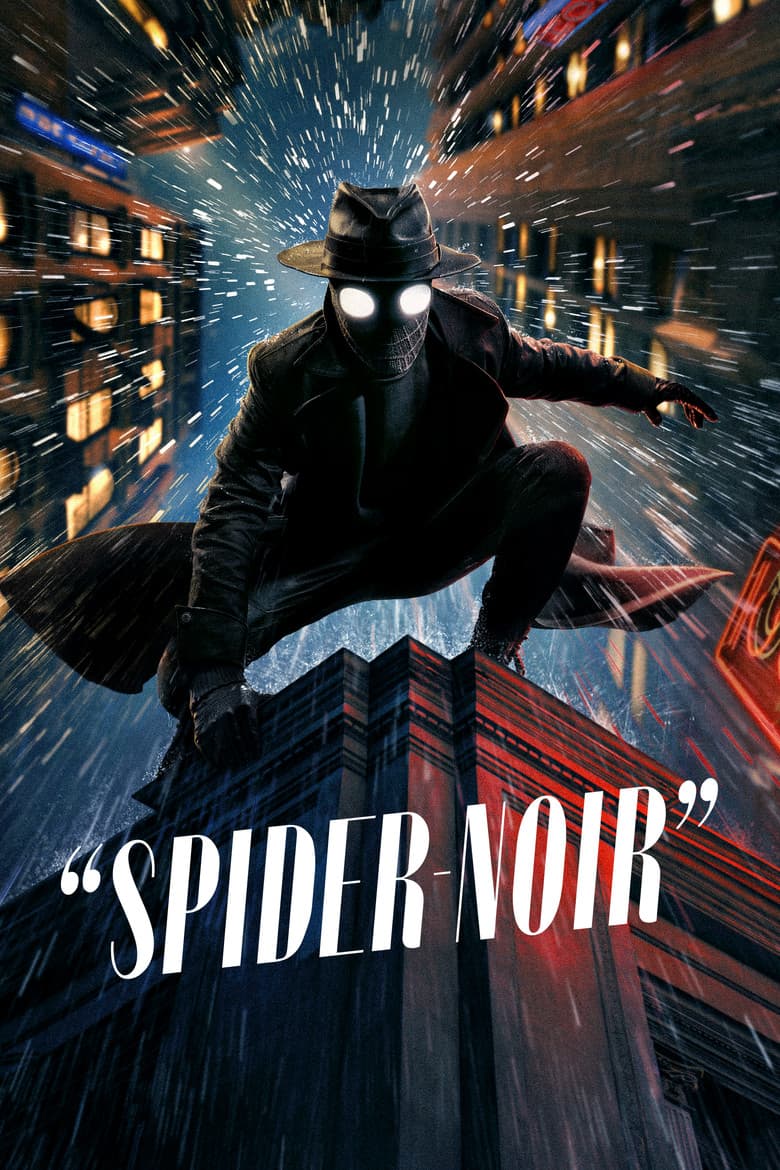
TV Show · 2026
Ben Reilly, an aging and down on his luck private investigator in 1930s New York, is forced to grapple with his past life as the city's one and only superhero.
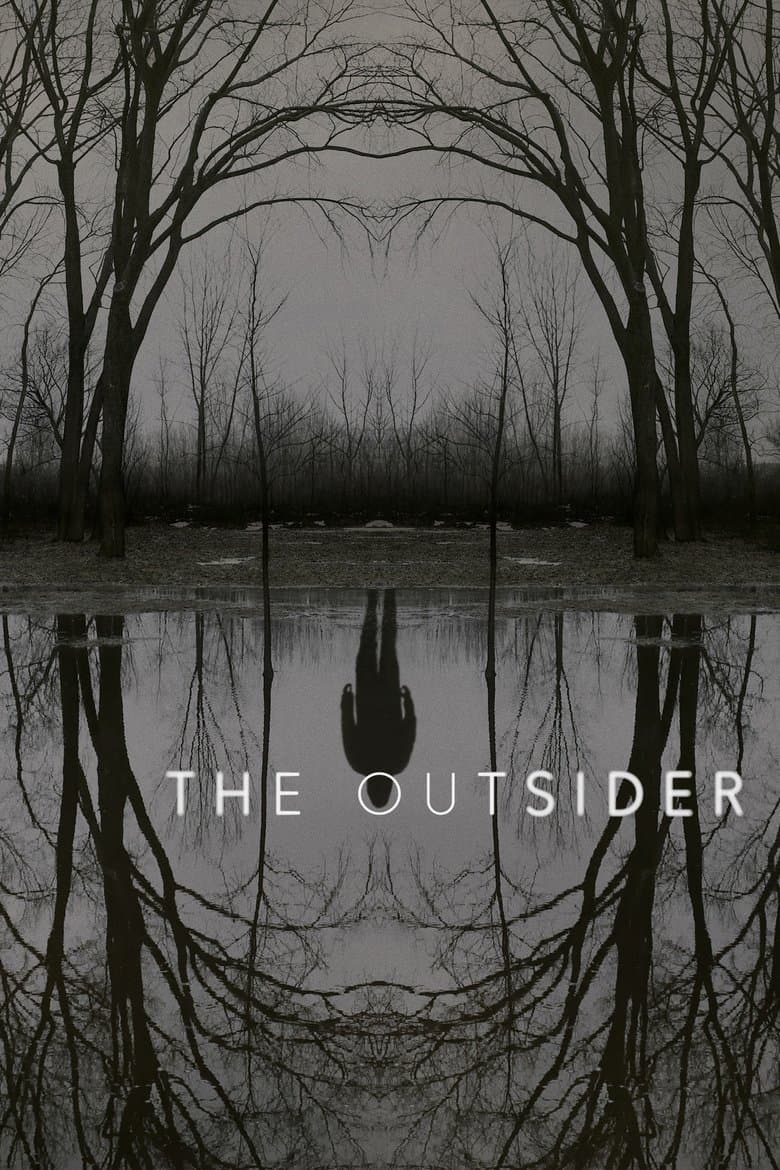
TV Show · 2020
When an insidious supernatural force edges its way into a seemingly straightforward investigation into the gruesome murder of a young boy, it leads a seasoned cop and an…
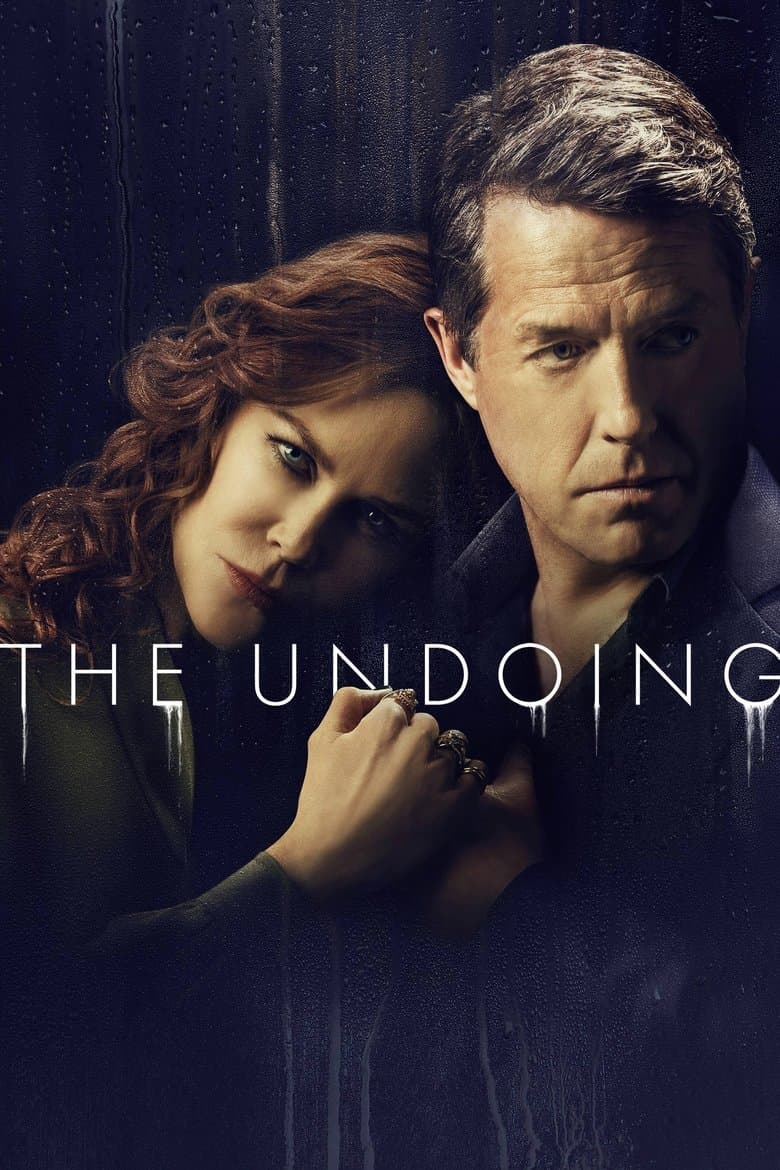
TV Show · 2020
Grace and Jonathan Fraser are living the only lives they ever wanted. Overnight a chasm opens in their lives: a violent death and a chain of terrible revelations.
TV Show · 2026
Wrongfully imprisoned for murdering his own son, a father sets out on a desperate rescue mission after learning the boy may still be alive.
TV Show · 2024
A young boy growing up in the suburbs of 1980s Brisbane faces the harsh realities of life — and the looming dangers that threaten his family.
TV Show · 2020
A family's lives are irreparably disrupted when the 14-year-old son is accused of murdering a fellow classmate.
TV Show · 2018
A troubled war veteran is assigned to protect a controversial politician who may be the target of a terror plot.
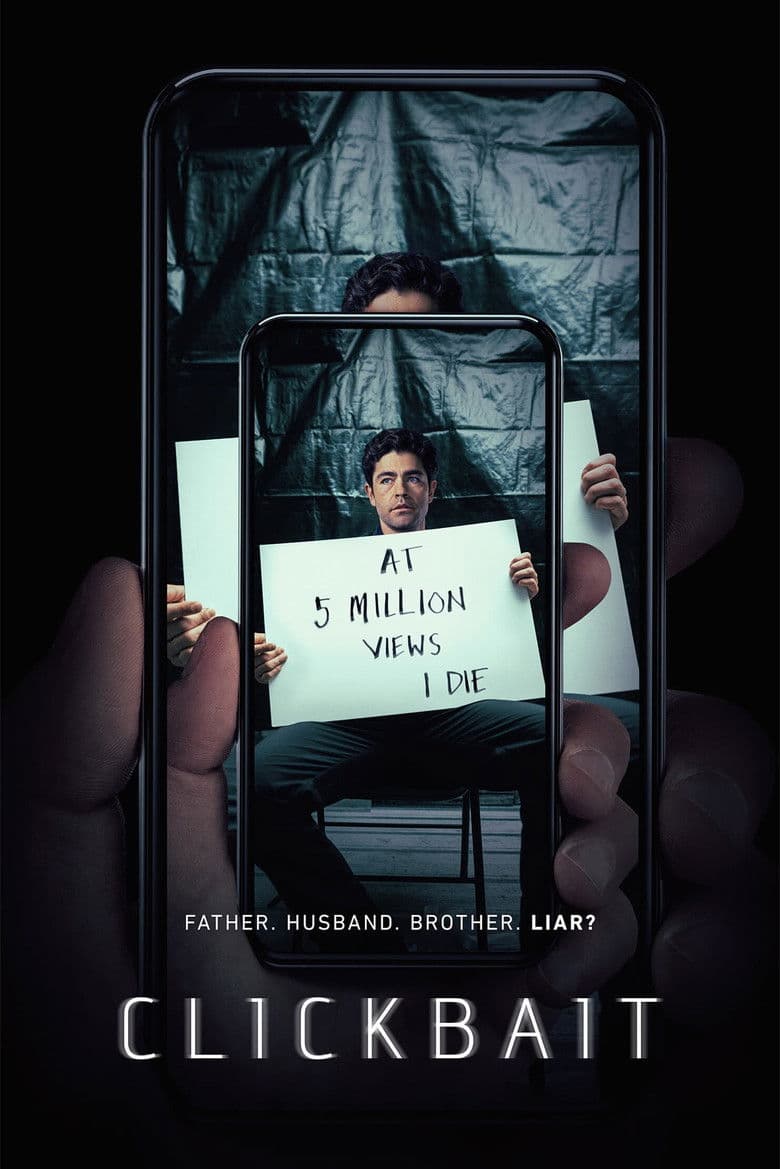
TV Show · 2021
When family man Nick Brewer is abducted in a crime with a sinister online twist, those closest to him race to uncover who is behind it and why.
