
Started October 16, 2025 · Ended · Based on 1 season, 8 episodes through October 16, 2025 · TV-MA · 57 min
Devil in Disguise: John Wayne Gacy is an eight-part crime drama set around Chicago in the late 1970s. John Wayne Gacy looks like a friendly contractor and local leader while he hides the murders of young men and boys. The story starts when teenager Robert Piest vanishes after meeting Gacy about a job. Detectives Rafael Tovar and Joe Kozenczak, lawyer Sam Amirante, and grieving families follow the case in a cold and disturbing story with little graphic violence. The show puts the victims and their families beside the police case instead of making Gacy the only focus. Episodes follow the lives of boys and young men before they meet him, including stories about coming out, sex work, poverty, grooming, and teenage love. The show presents gay victims as people whom police, newspapers, and courts judged or ignored, while some victims were straight or still figuring themselves out. Prejudice and failed institutions become major parts of the story, so identity and social-justice themes run through the season even though the main plot remains a true-crime investigation.
Community feedback
Was our 69% Woke rating accurate?
Breakdown
These are the editorial factors and ratings behind our score for Devil in Disguise: John Wayne Gacy.
Woke representation / casting
The show visibly includes Latino lead detective Rafael Tovar and black supporting officers and officials in a 1970s suburban case. The main roles remain tied to the investigation, families, and trial rather than a stated diversity goal. The casting does not create a repeated “one of each” team or put identity ahead of the crime story. A few X users called the casting “black-washing,” but reliable coverage did not confirm that claim.
16%
Woke political dialogue
The dialogue repeatedly shows gay and poor victims being treated as less worthy of attention. Police and lawyers discuss how missing boys were treated as runaways, sex workers, or gay men instead of people in danger. Jeffrey Rignall’s case includes the period claim that a man could not be raped. Detectives and families also say that the system failed them. These lines spread across the season, but they explain the period’s failures instead of giving a modern political speech.
43%
Identity-driven story themes
The season builds its structure around the lives of six victims before they meet Gacy. The stories include coming out, straight teenage love, sex work, poverty, and grooming. The show presents gay victims, young people, and poor people as people whom police and media pushed aside. Tovar’s search for names and the families’ grief make lost identity a continuing theme. These ideas shape most episodes, although the main plot remains Gacy’s crimes and trial.
67%
Western institutional / cultural critique
The show makes police and court failure a major part of the season. Detectives and lawyers show how poor communication, victim blaming, and bias let Gacy escape attention for years. The story criticizes the media and legal system for treating gay men, sex workers, runaways, and poor youths as less deserving of help. The final episode adds protests and debate over the death penalty. The show also honors detectives who worked to identify the dead, so its criticism targets failed systems more than every individual officer.
66%
Woke character or canon changes
Not relevant. The show changes and condenses some true events, but those changes concern timing, relationships, and drama structure. No confirmed race, gender, sexuality, or hero-role change is a main part of the show.
0%
Anti-woke backlash and complaints
Several small X accounts accused the show of “black-washing” the case and of making gay identity look celebrated. One post complained that black characters are shown as the smartest people in the room. The posts had very low views and no meaningful replies or news pickup. Reddit discussion and mainstream reviews were mostly positive, so no broad anti-woke backlash was reported.
8%
Creator track record context
Patrick Macmanus has a strong record of work about social issues and LGBTQ+ representation. Ashley Michel Hoban, Gregory Locklear, Sebastián Rea, Liz Cole, and Freya Krasnow also have notable identity or representation-focused records. Other listed creators have mixed or mostly mainstream records with little public activism. The combined signal is meaningful, but it is not shared equally across the whole team.
49%
Production
TV Show · 2016
Once a powerful lawyer, Billy McBride is now burned out and washed up, spending more time in a bar than a courtroom.
TV Show · 2017
Detective John Cardinal attempts to uncover the mystery of what happened to the missing 13-year-old girl whose body is discovered in the shaft-head of an abandoned mine.
TV Show · 2022
Under pressure, fraying at the edges. In relentless night-time Liverpool, copper Chris is paired with a rookie. Will they save or destroy each other?
TV Show · 2024
Through the eyes of various Irish Republican Army (IRA) members, explore the extremes some people will go to in the name of their beliefs, the way a deeply divided society can…
TV Show · 2022
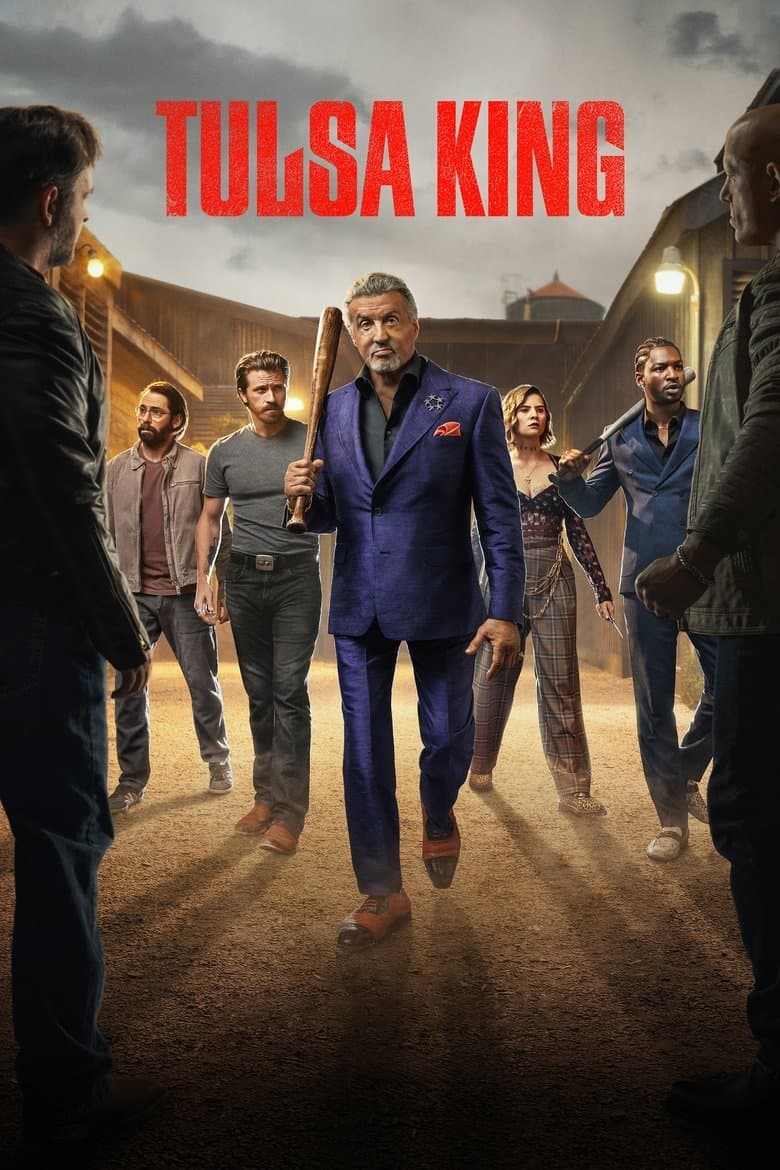
New York mafia capo Dwight "The General" Manfredi is released from prison after 25 years and exiled by his boss to set up shop in Tulsa, Oklahoma.
TV Show · 2026
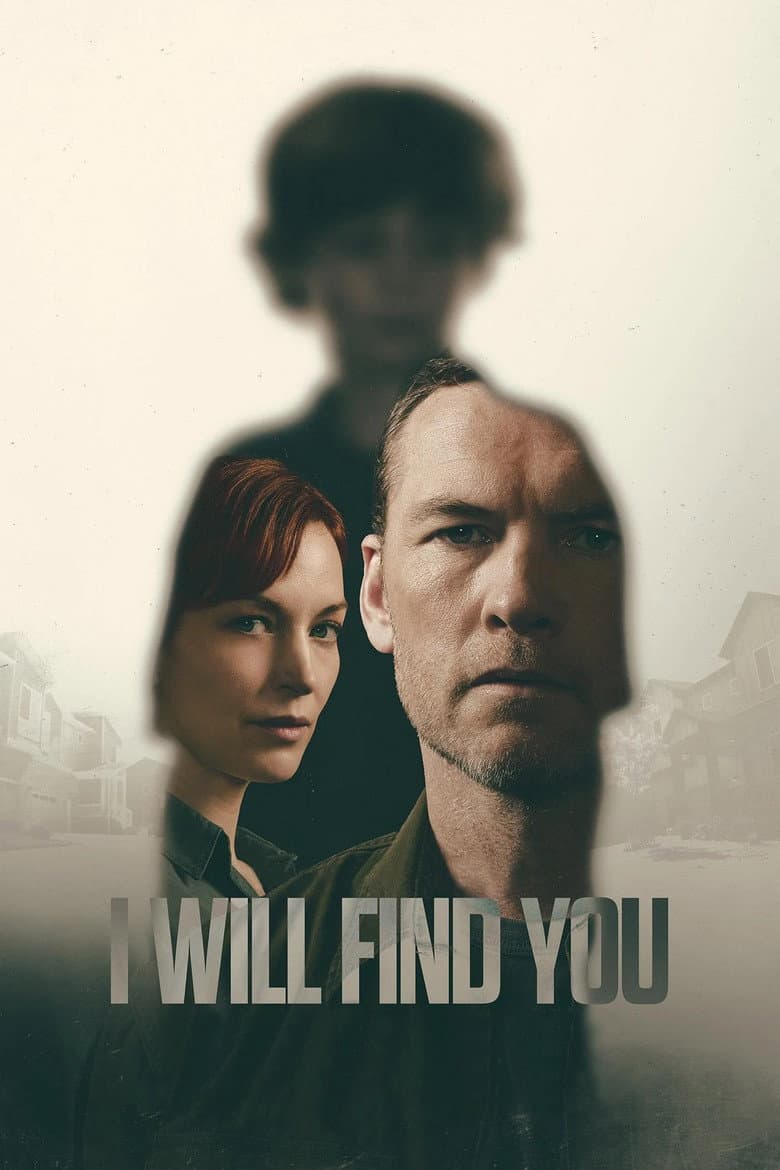
Wrongfully imprisoned for murdering his own son, a father sets out on a desperate rescue mission after learning the boy may still be alive.
TV Show · 2020
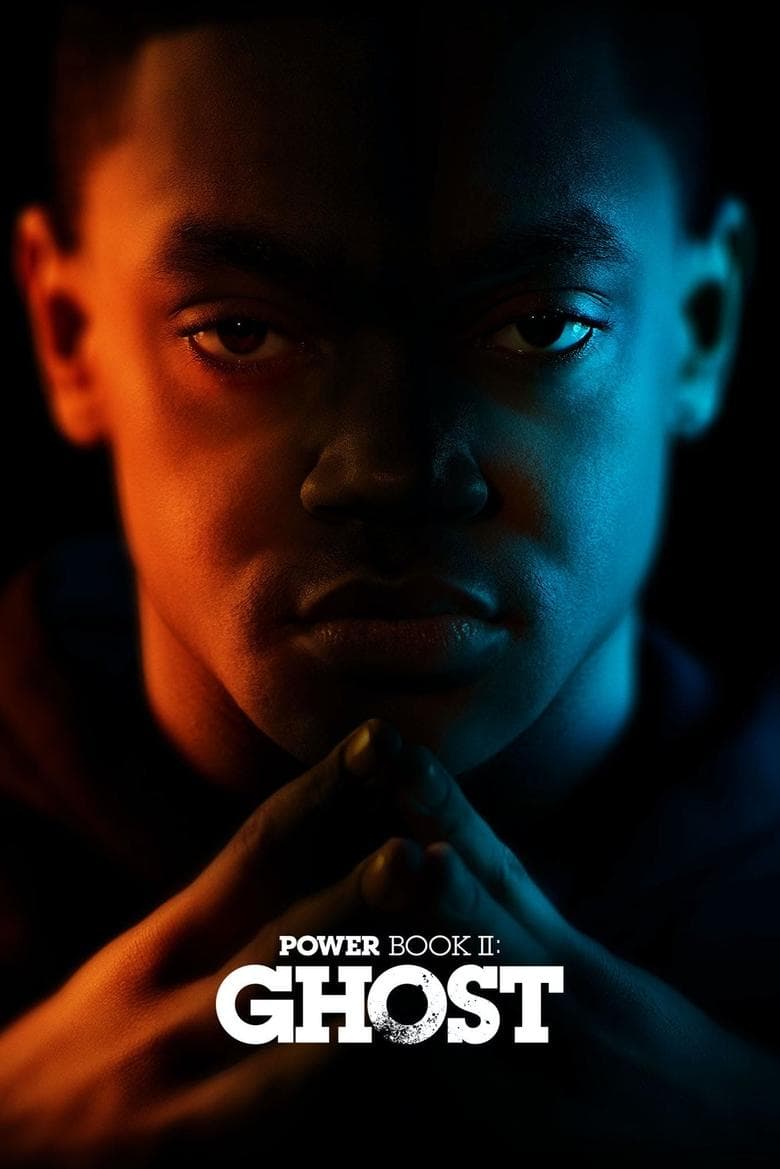
Picking up just days after the “Power” finale, this sequel series follows Tariq navigating his new life, in which his desire to shed his father’s legacy comes up against the…
TV Show · 2021
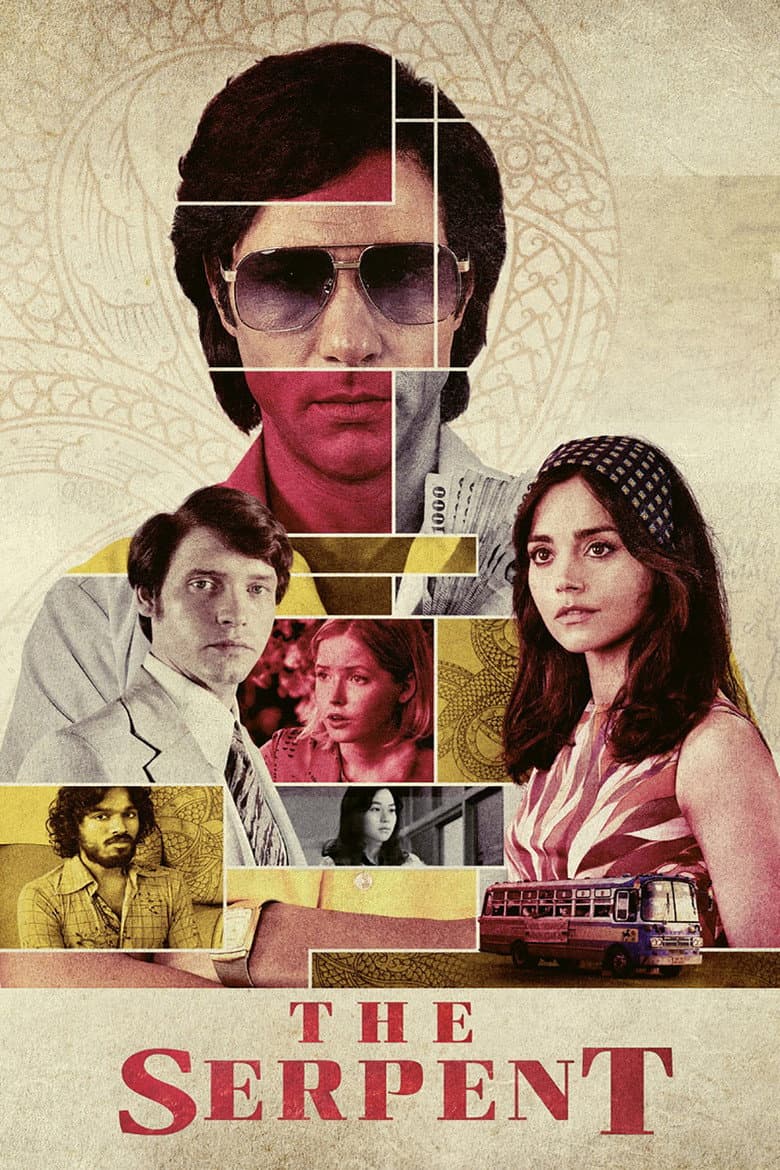
The remarkable story of how murderer Charles Sobhraj was captured. As the chief suspect in unsolved murders of young Western travellers across India, Thailand and Nepal’s ‘Hippie…
