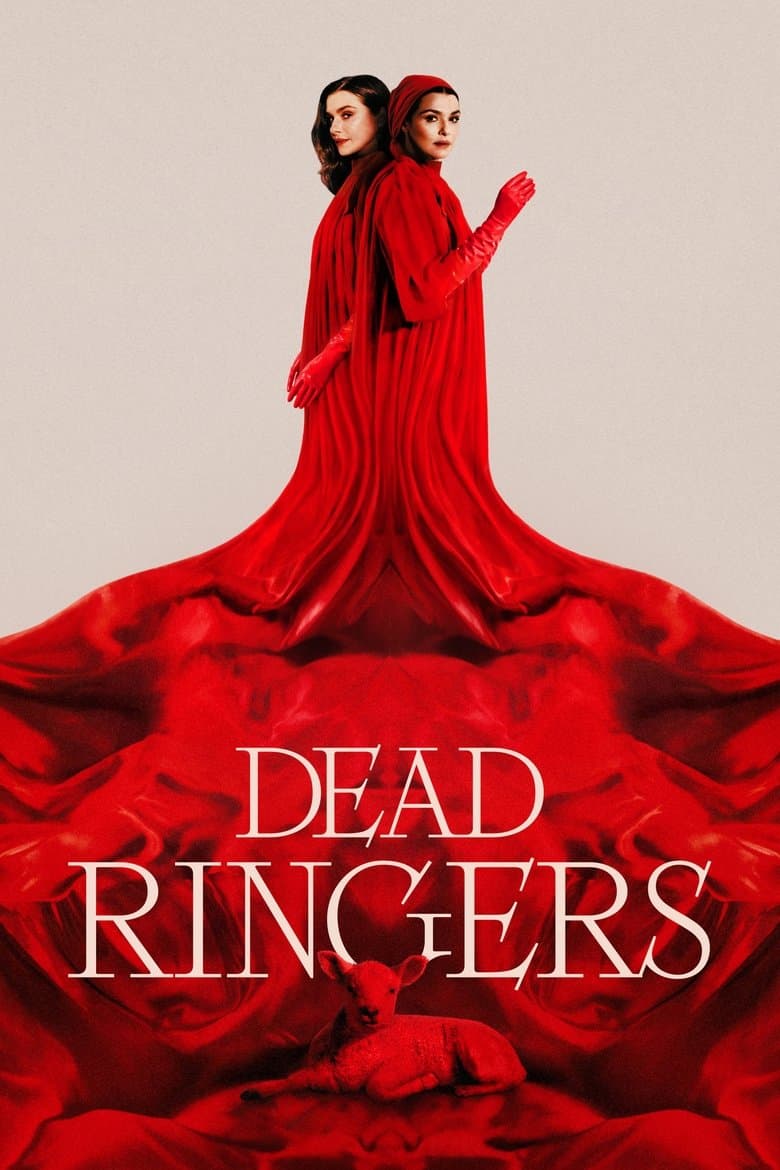
Started April 20, 2023 · Ended · Based on 1 season, 6 episodes through April 20, 2023 · TV-MA
Dead Ringers follows identical twin doctors Elliot and Beverly Mantle, both played by Rachel Weisz, in present-day Manhattan. They work in a busy hospital and plan a private birth center where they can control their own medical work. Elliot is reckless and hungry for new science, while Beverly wants calmer care and a life with actress Genevieve. Their drug use, identity swaps, secret experiments, and fierce bond turn the plan into a dark mystery about love, control, pregnancy, and death.
The show makes women's health and childbirth the center of its story. The twins argue about whether pregnancy care should be natural, high-tech, private, or open to rich investors, and the season links medical progress to the abuse of enslaved black women. Beverly is a lesbian and her romance with Genevieve becomes a major part of the twins' conflict. Female doctors, donors, and patients hold most of the power, but the show also shows the twins as cruel, dishonest, and deeply unstable rather than as simple heroes.
Community feedback
Was our 88% Woke rating accurate?
Breakdown
These are the editorial factors and ratings behind our score for Dead Ringers.
Woke representation / casting
Both lead doctors are women, and the main investor and her partner are also women. Present-day Manhattan can support women in these jobs, so the score is not based on simple realism. The series and its marketing treat the all-women lead setup as a feminist or female-perspective choice. That gives the prominent casting a clear identity signal, but it is not a broad diversity ensemble.
40%
Woke political dialogue
Across episodes, Beverly and Elliot repeatedly talk about women's healthcare, pregnancy not being a disease, abortion, menopause, infertility, medical ethics, and who benefits from medicine. Episode 5 uses J. Marion Sims and Anarcha to condemn racist medical experiments on enslaved black women. The dialogue also attacks wealthy drug investors and a medical system that values profit and progress over patient care. The show presents these debates through arguments and dark comedy rather than long speeches, so the message is recurring and clear but not the only subject.
51%
Identity-driven story themes
The core story is built around female reproductive bodies and women's control of childbirth. Beverly's miscarriages, pregnancy, lesbian relationship, and effort to build a women-focused center shape the plot across the season. Elliot's lab tries to grow embryos outside the womb, while the fifth episode links modern medicine to the abuse of enslaved black women. The show repeatedly treats gender, bodily autonomy, and unequal medical treatment as central problems, even though the twins' toxic bond and body horror remain the main dramatic engine.
74%
Western institutional / cultural critique
The hospital is shown as crowded and careless, and the twins say older medical practices fail women. The new center is tied to rich investors, drug money, profit, and the pressure to turn care into a business. Episode five contrasts modern medical pride with the torture of enslaved black women, and the story rejects the idea that useful science excuses abuse. The show also mocks male entitlement, but its main target is the medical and money system rather than Christianity or family life. These critiques recur through the hospital, investor talks, business launch, and Alabama trip.
50%
Woke character or canon changes
The series changes the established Mantle twins from men into women. The change is not only visual, because the twins become doctors who deliver babies and argue over women's healthcare. The remake also makes Beverly's love interest a woman and ends with a pregnant twin dying so the other can live under her identity. Interviews describe these choices as a new female viewpoint, making the identity-driven rewrite a major part of the title.
78%
Anti-woke backlash and complaints
Small anonymous X accounts called the gender-swapped Amazon remake a “woke series” or “woke lip service.” A few posts called the female twin remake a “girlboss” Hollywood move or a travesty. The posts had almost no engagement, and no large right-leaning account, boycott, or review-bomb push appeared in the supplied pass. Wider coverage and audience discussion focused more on the graphic births, pacing, queer relationship, and confusing ending than on anti-woke complaints.
12%
Creator track record context
The supplied creator records give Alice Birch a 64/100 score and describe a clear feminist writing history. Susan Soon He Stanton, Rachel De-Lahay, and Ming Peiffer have higher scores tied to race, gender, immigrant, queer, or women-focused work, while other writers are mixed or low. The director group is mixed, but Lauren Wolkstein and Karena Evans have strong women-centered or queer-focused records. Producers Rachel Weisz, Ali Krug, and Erica Kay add women-centered and queer-project context, so the creative background is clearly progressive overall.
64%
Production
TV Show · 2020
When an insidious supernatural force edges its way into a seemingly straightforward investigation into the gruesome murder of a young boy, it leads a seasoned cop and an…
TV Show · 2021
The arrival of a charismatic young priest brings glorious miracles, ominous mysteries and renewed religious fervor to a dying town desperate to believe.
TV Show · 2022
Identical twins Leni and Gina have secretly switched places for years. But when one sister disappears, both of their lives start to fall apart.
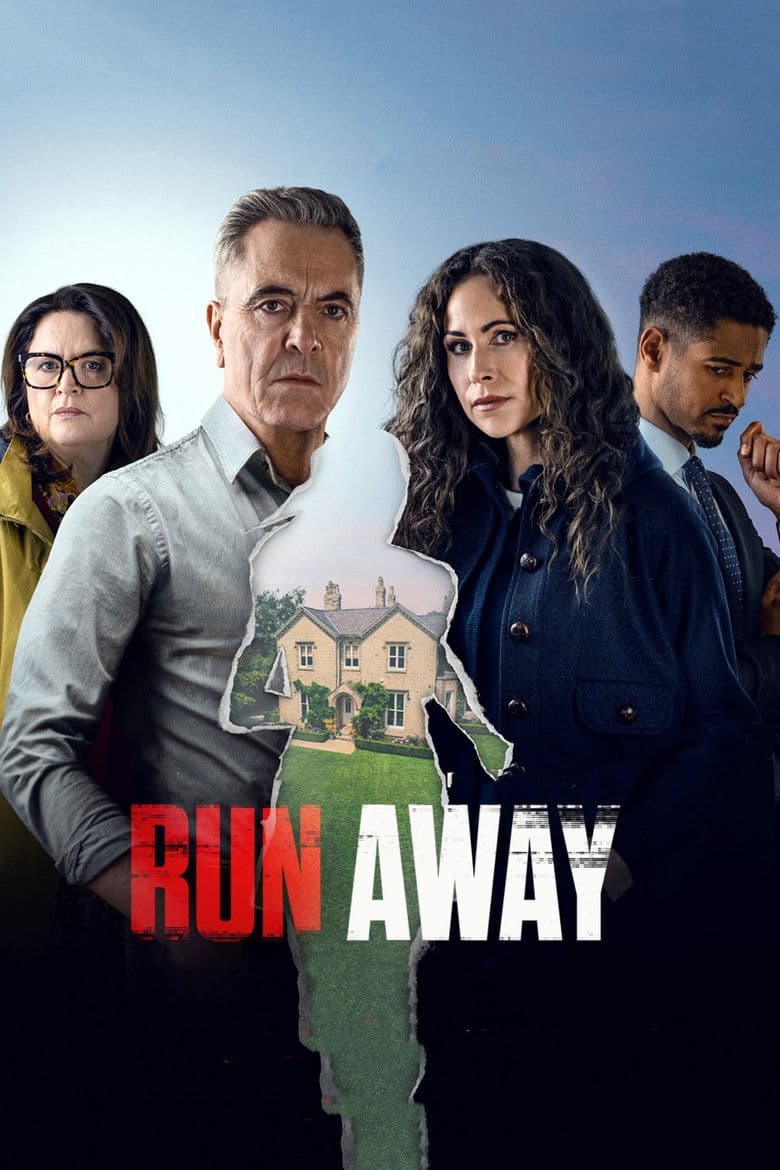
TV Show · 2026
A desperate father searching for his runaway daughter gets caught up in a murder case — and stumbles upon secrets which could destroy his family for good.
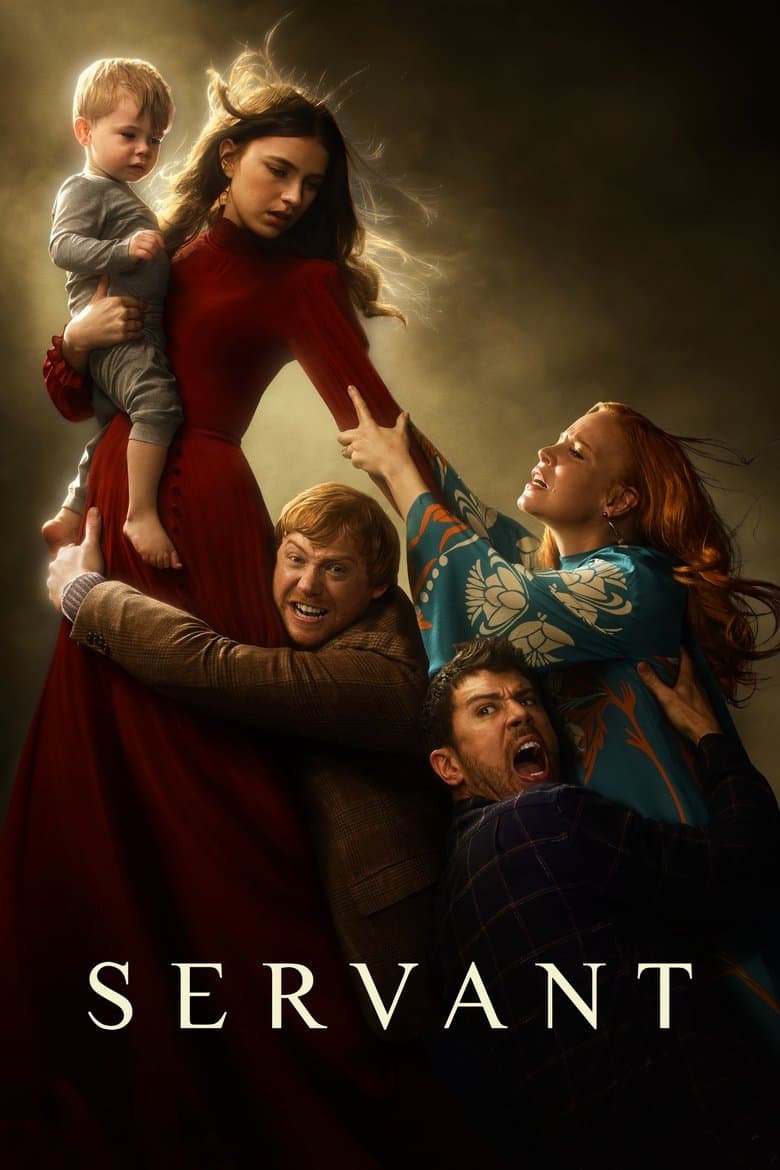
TV Show · 2019
A Philadelphia couple are in mourning after an unspeakable tragedy creates a rift in their marriage and opens the door for a mysterious force to enter their home.
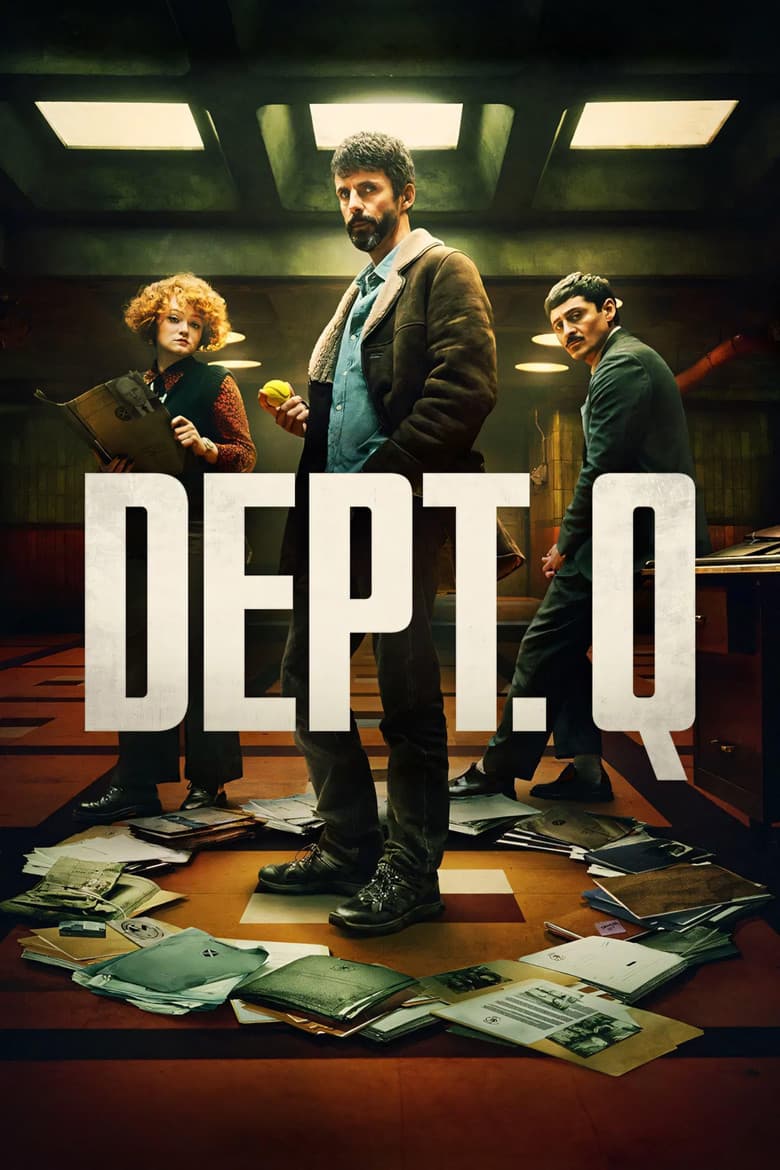
TV Show · 2025
A brash but brilliant cop becomes head of a new police department, where he leads an unlikely team of misfits in solving Edinburgh's cold cases.
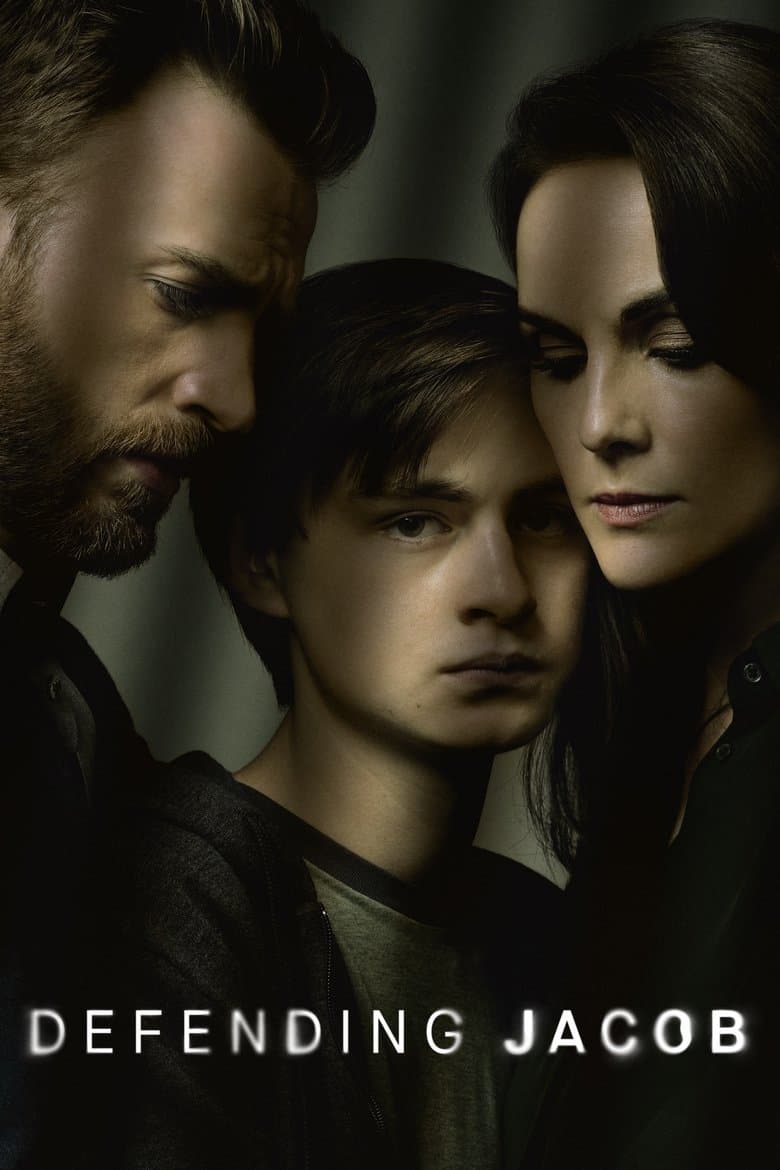
TV Show · 2020
A family's lives are irreparably disrupted when the 14-year-old son is accused of murdering a fellow classmate.
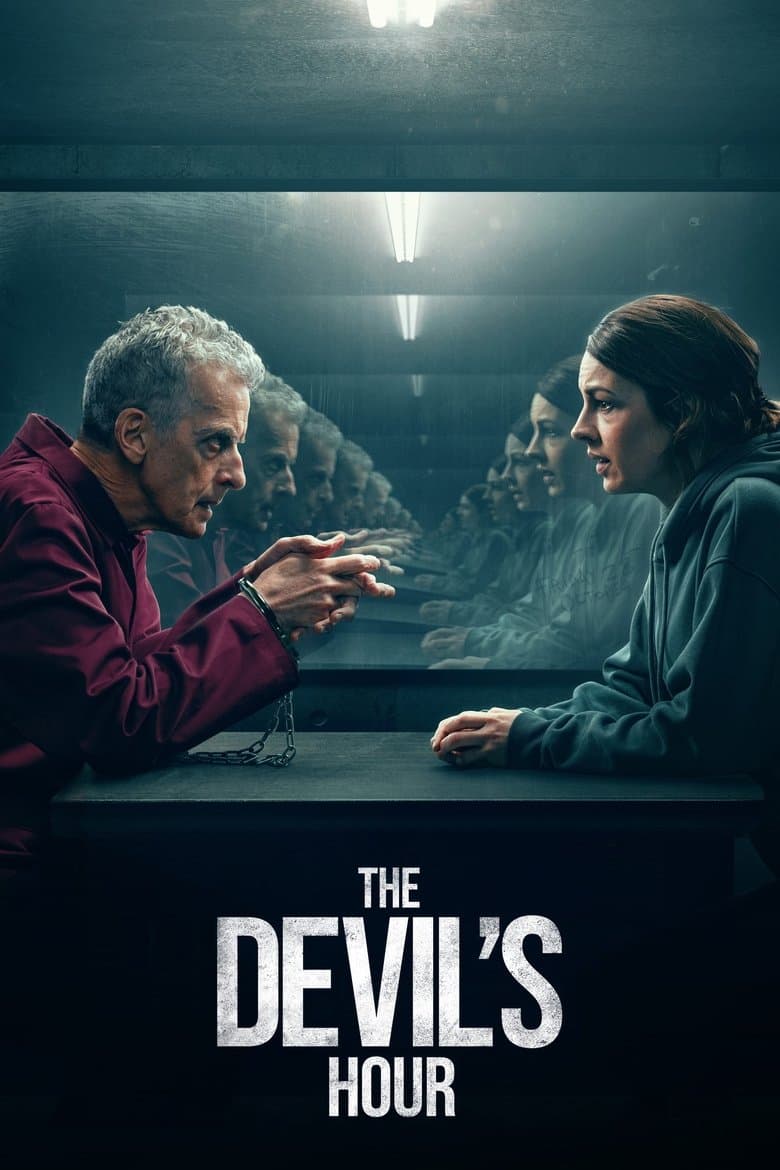
TV Show · 2022
Lucy wakes every night at exactly 3:33am. Nothing in her life has made sense for a long time. But the answers are out there, somewhere, at the end of a trail of brutal murders.
