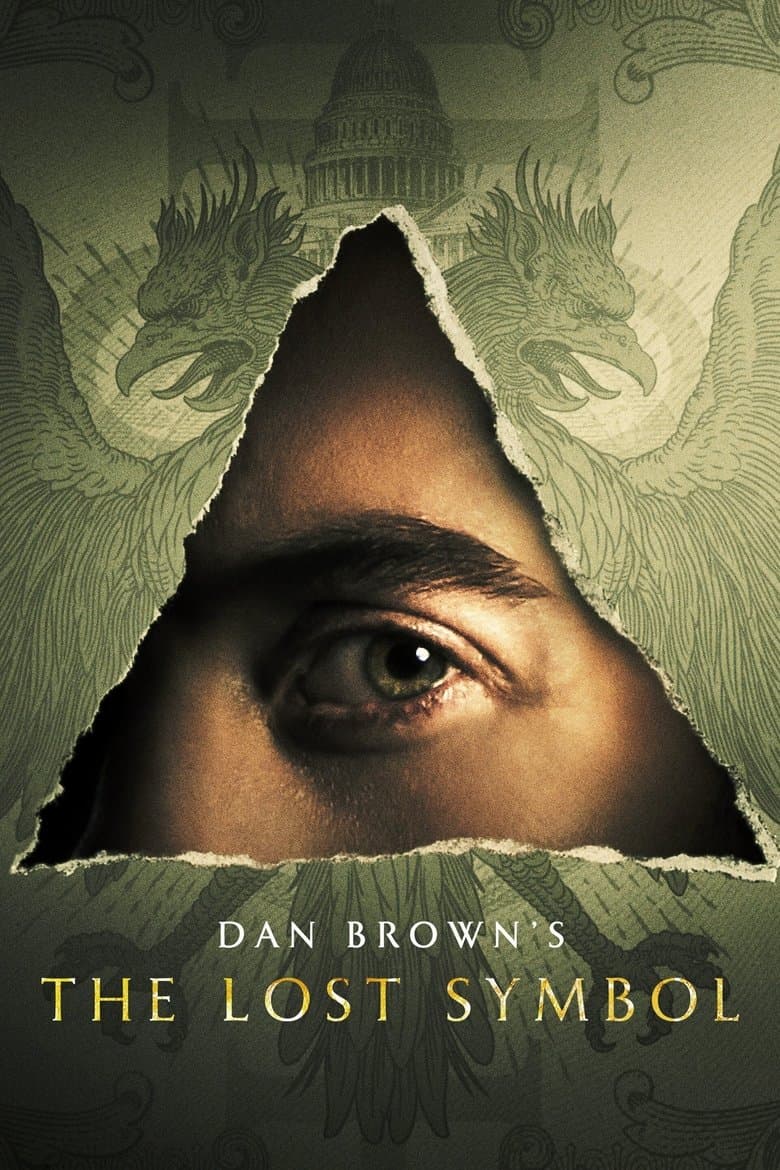
Started September 16, 2021 · Canceled · Based on 1 season, 10 episodes through November 18, 2021 · TV-14 · 47 min
Robert Langdon is a young Harvard professor who studies symbols, old writings, and hidden meanings. When his mentor Peter Solomon is kidnapped in Washington, D.C., Langdon joins Peter’s daughter Katherine, CIA officer Sato, and Capitol police officer Nunez. The group follows clues through secret rooms, Masonic signs, and dangerous machines while a tattooed killer hunts them. The season has a dark, fast-moving mystery tone, but it also makes room for family pain, old romance, and questions about faith and knowledge.
The clearest woke elements are a lecture about symbols being used by fascist and alt-right groups and a warning about a post-truth world. The season finale also has Peter call the Bible a book with contradictions, outdated beliefs, and absurdities. These moments push a modern left-leaning view of political misinformation and organized religion, but they appear in a few key scenes rather than driving the whole story. The main plot remains a puzzle chase about Freemasonry, mind research, a broken family, and a man who turns a search for hidden wisdom into a plan for power.
Community feedback
Was our 38% Woke rating accurate?
Breakdown
These are the editorial factors and ratings behind our score for Dan Brown's The Lost Symbol.
Woke representation / casting
Katherine is a central mind scientist, and the show presents her as highly skilled and often ahead of Langdon. Sato is played by Sumalee Montano and leads a CIA security office, while Bellamy, Adamu, and Nunez are prominent Black or Latino public-service figures. This gives the mystery a visibly diverse group of capable allies around a white male lead. Modern Washington makes much of this mix believable, and the interviews do not clearly present the casting as a diversity campaign.
25%
Woke political dialogue
Langdon’s opening lecture says symbols can spread false myths in a “post-truth” world and warns about fascist and alt-right use of symbols. The finale has Peter dismiss the Bible as full of contradictions, old beliefs, and absurd ideas before arguing that many religions hold hidden wisdom. Those lines are clear political and religious commentary. The dialogue appears at important bookends, but most episodes use it to support the mystery rather than to argue about current politics.
33%
Identity-driven story themes
Not present. The season follows a rescue puzzle and a family conflict around Peter, Katherine, and Zachary. Race, sexuality, and gender identity do not drive the main story.
0%
Western institutional / cultural critique
The opening lecture says modern people use the internet to spread myths as facts and links symbols to fascist and alt-right movements. The CIA, Freemasons, and government buildings are shown as secretive groups, but that is mainly the thriller setup. The finale also questions the Bible and treats several faith texts as stores of hidden human wisdom. The critique is visible, but it is limited to a few scenes and does not replace the rescue story.
31%
Woke character or canon changes
Not relevant. The series turns the book into a young Langdon origin story and changes family and plot details. No visible race, gender, or identity message explains those adaptation changes.
0%
Anti-woke backlash and complaints
NewsBusters attacked the finale for describing the Bible as full of contradictions, outdated beliefs, and absurdities. A small forum thread asked whether the show was a “woke fest,” and one reply noticed deliberate political lines but still recommended the show. The supplied X pass found one tiny account calling the series woke and objecting to liberal writers and Jan. 6 references. The evidence is fringe, with no sign of a large campaign, review bombing, or major right-wing attention.
18%
Creator track record context
Samie Kim Falvey has the strongest identity-related background, since her cached profile centers diversity, inclusion, and belonging in television. Andrew Saito’s cached profile covers race, historical injustice, and non-binary casting, but it does not show that those ideas drive this series. Dan Brown’s cached profile points more to spiritual and anti-church ideas than to DEI activism. Jay Beattie, Dan Dworkin, Dan Trachtenberg, Ron Howard, Brian Grazer, and Anna Culp have low or moderate cached scores, so the overall context is mixed.
34%
Production
TV Show · 2019
An antiquities expert teams up with an art thief to catch a terrorist who funds his attacks using stolen artifacts.
TV Show · 2022
With the aid of unexpected friends, a gifted but introverted student confronts bullies and violent foes — unaware of how dangerous his world will become.
TV Show · 2022
Navy SEAL Commander James Reece turns to vengeance as he investigates the mysterious forces behind the murder of his entire platoon.
TV Show · 2022
High school soccer players from across Japan gather for a controversial project designed to create the best — and most egoistic — striker in the world.
TV Show · 2017
Go deep into the clandestine world of the legendary brotherhood of warrior monks known as The Knights Templar.
TV Show · 2016
20-something Angus MacGyver creates a clandestine organization where he uses his knack for solving problems in unconventional ways to help prevent disasters from happening.
TV Show · 2016
Bob Lee Swagger is an expert marksman living in exile who is coaxed back into action after learning of a plot to kill the president.
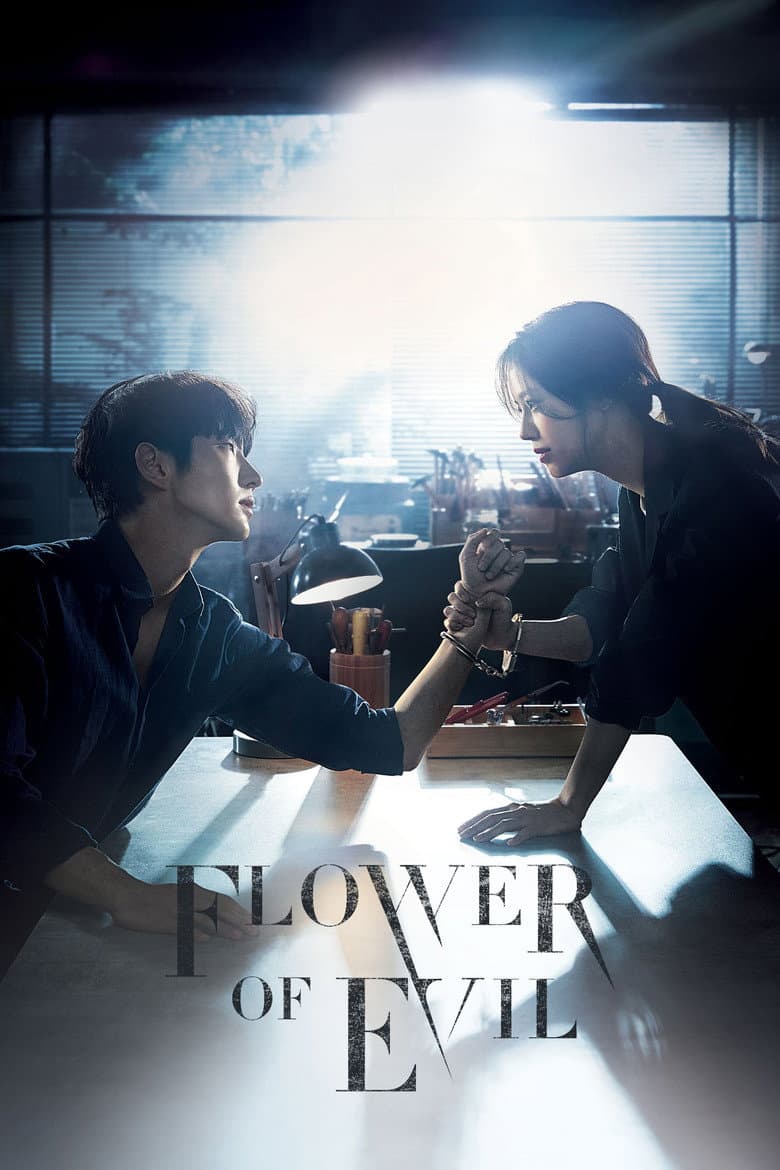
TV Show · 2020
Hiding a twisted past, a man maintains his facade as the perfect husband to his detective wife — until she begins investigating a series of murders.
