Started September 30, 2016 · Ended · Based on 1 season, 6 episodes through September 30, 2016 · TV-PG · 24 min
Crisis in Six Scenes is a comedy set in a wealthy Connecticut suburb in the late 1960s. Sidney Munsinger is a nervous former ad writer who wants to become a serious novelist, and Kay is his calm but lively wife who works as a marriage counselor. Their quiet home changes when Lennie Dale, a young fugitive wanted after a prison break and a bombing, arrives to hide from the police. Alan, a college student staying with them, falls for Lennie's bold ideas and starts to reject the business life planned by his family and his fiancée Ellie.
The story repeatedly shows Lennie attacking the Vietnam War, the government, consumer capitalism, and the comfortable middle class. Kay and Alan begin to support her, while a women's book club reads Mao, talks about Marx and Lenin, and imagines helping a revolution. The show also includes a bomb accident, a plan to escape to Cuba, an argument about racism and low-paid workers, and a final visit from two Black Panthers. These ideas drive the conflict across most of the six episodes, but the show presents them as exaggerated 1960s comedy and often makes the radicals look foolish or confused.
Community feedback
Was our 49% Woke rating accurate?
Breakdown
These are the editorial factors and ratings behind our score for Crisis in Six Scenes.
Woke representation / casting
Not present. The main cast matches the mostly white suburban setting and the story's period. The brief Black Panther roles fit the 1960s plot. No diversity-first casting message is tied to the title.
0%
Woke political dialogue
Lennie repeatedly calls the government fascist and says real change comes through force. Kay and Alan repeat anti-war, anti-capitalist, Marxist, and social justice arguments. The book club discusses Mao, Lenin, guerrilla tactics, and suspending civil liberties during a revolution. The show uses these speeches as broad comedy, so the politics are strong but tied to its 1960s setting.
52%
Identity-driven story themes
Lennie drives the plot as the main radical leader and sets the terms of each political argument. Kay becomes more daring than Sidney and pushes the household into helping Lennie. The older women in the book club follow Lennie's lead while the men look frightened, confused, or ready to follow. The show uses this female-led pattern for comedy rather than making a direct modern claim about women.
50%
Western institutional / cultural critique
Lennie attacks Sidney's advertising work as part of a system that sells people things they do not need. Kay says his comfortable life supports consumer capitalism and a small ruling group. Alan rejects his father's investment business and calls its low-paid workers slaves. The show also presents the government, the Vietnam War, and old family expectations as targets for rebellion. The critique recurs from the opening unrest through the finale.
52%
Woke character or canon changes
Not relevant. The show is an original story about invented characters. It does not change a known character, source story, or real historical figure.
0%
Anti-woke backlash and complaints
One Time review described Lennie as if she were programmed with radical propaganda and criticized the show's treatment of the era's politics. That review is a single critical voice, not a clear viewer campaign against woke content. The X pass found no anti-woke reaction, and Reddit comments mainly discussed pacing, acting, and the ending. The evidence remains limited.
8%
Creator track record context
Not present. The cached creator context gives Woody Allen a 0/100 score and shows no sustained DEI or identity-first creative agenda. His title interviews call the series a light comedy about 1960s unrest, not a diversity project.
0%
Production

TV Show · 2021
Follow Jeremy Clarkson as he embarks on his latest adventure, farming. The man who on several occasions claims to be allergic to manual labour takes on the most manually labour…
TV Show · 2016
Maya DiMeo is a mom on a mission who will do anything for her husband, Jimmy, and kids Ray, Dylan, and JJ, her eldest son with special needs.
TV Show · 2016
A dad finds out that parenting is harder than he thought after his wife goes back to work and he's left at home to take care of the kids.

TV Show · 2018
Lifelong best friends Alexa and Katie are eagerly anticipating the start of their freshman year of high school.

TV Show · 2022
Bumbling dad Trevor tries to get the best of a cunning bee while house-sitting a posh mansion — but only unleashes more chaos in this comedy series.
TV Show · 2016
Being a pro athlete didn't pan out for Colt. Now he's helping his dad and brother keep the ranch afloat, and figuring out how he fits into the family.
TV Show · 2016
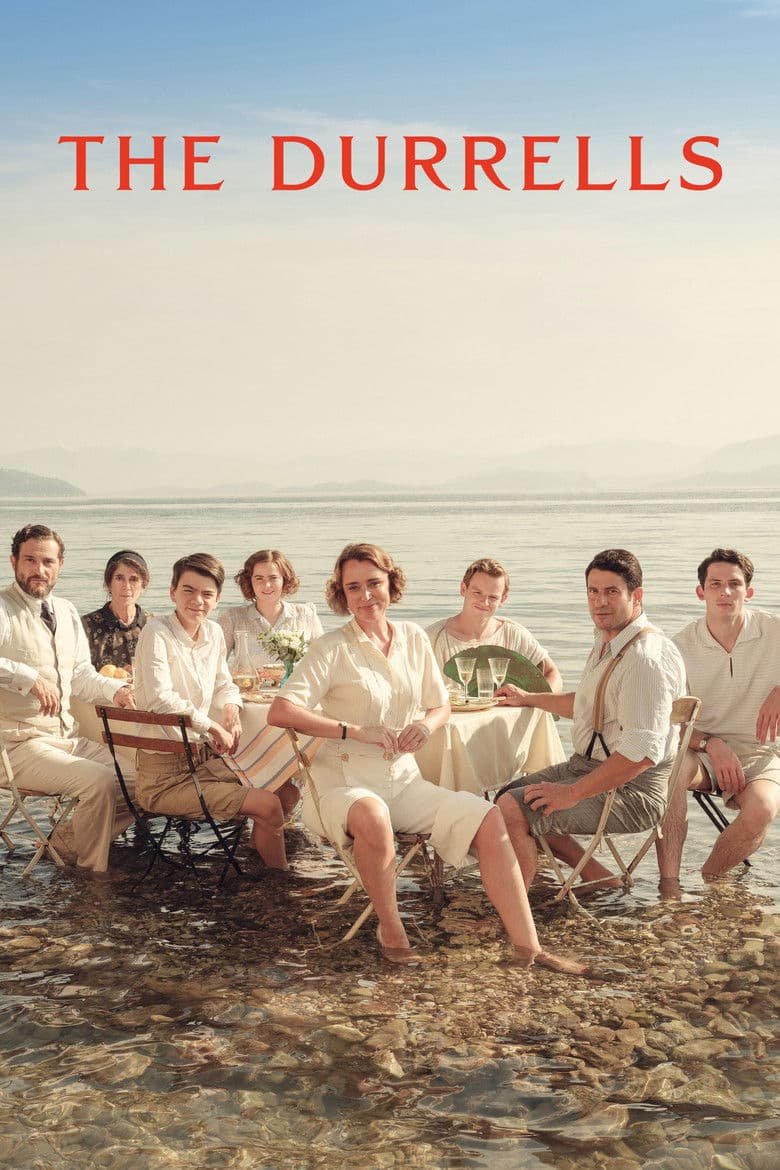
In 1935, financially strapped widow Louisa Durrell, whose life has fallen apart, decides to move from England, with her four children (three sons, one daughter), to the island of…
TV Show · 2017
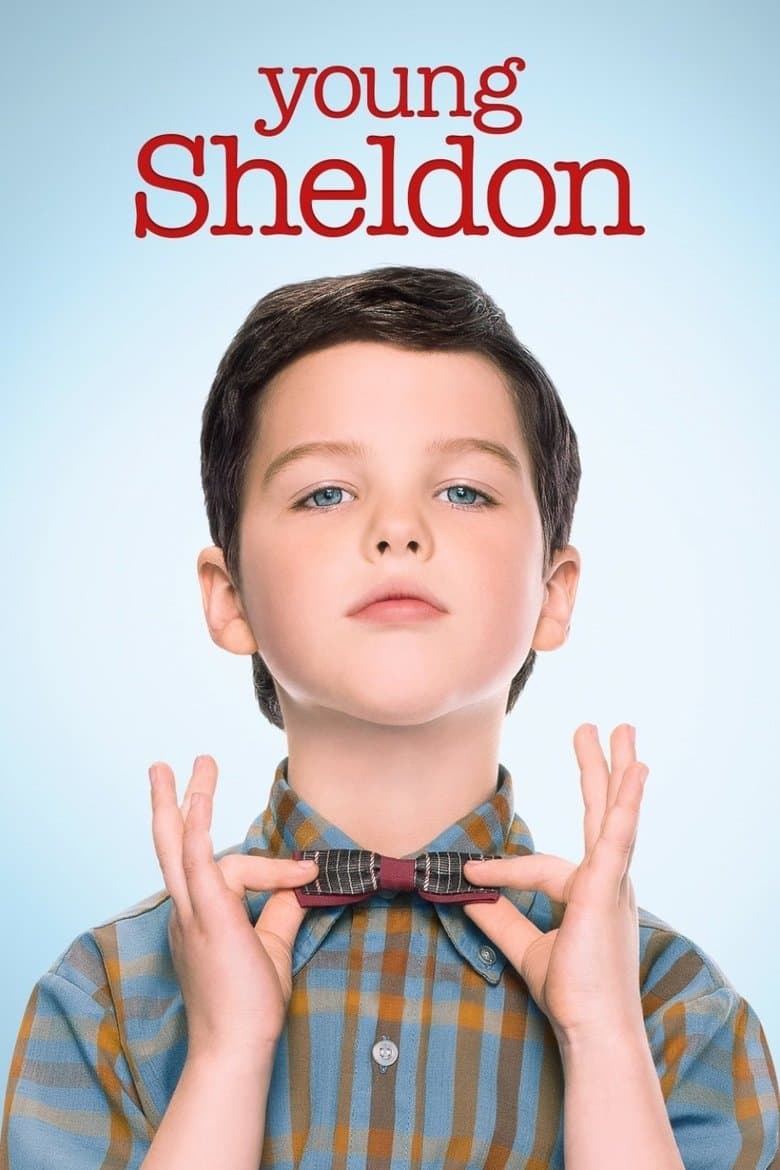
The early life of child genius Sheldon Cooper, later seen in The Big Bang Theory.
