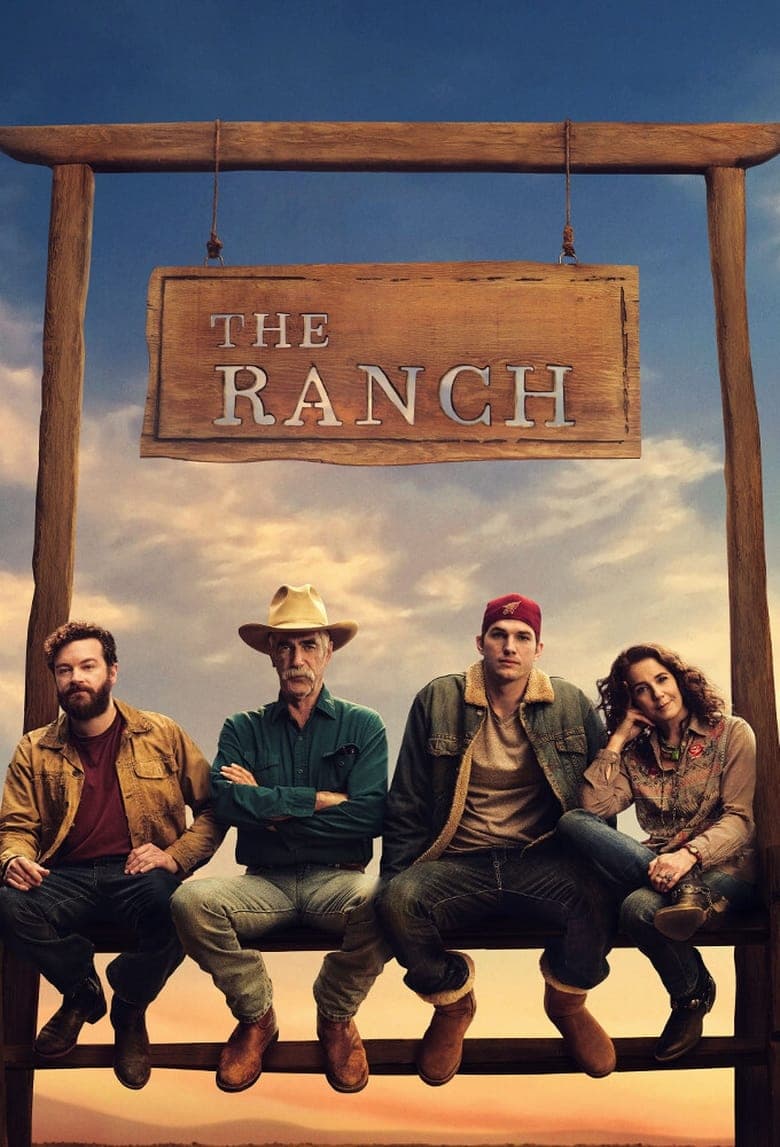
Started April 1, 2016 · Based on 4 seasons, 80 episodes · TV-MA
The Ranch is a multi-camera Netflix sitcom about Colt Bennett, a failed semi-pro quarterback who goes home to Iron River Ranch in rural Garrison, Colorado. He helps his hard-line father Beau and his brother Rooster keep the cattle ranch running. Across four seasons and eighty episodes, the show covers family fights, divorce, drinking, romance, ranch debt, and a rival big ranch company. The tone is blue-collar and country, with guns, small-town habits, crude sex jokes, and soap-style drama mixed in. Later seasons get heavier, and the finale settles ranch ownership, crime fallout, and Maggie leaving for Florida.
The show mostly presents rural conservatism with respect rather than left-leaning lectures. Progressive beats are limited, such as Maggie saying abortion is Heather’s choice and the family treating Umberto’s deportation as a personal wrong. The abortion arc stays a family crisis, not a campaign message. The clearest identity note is late and thin: Maggie’s offscreen relationship with a woman named Julie and her move toward a Florida commune. That is a brief ending beat, not a series-long social-justice story.
Community feedback
Was our 16% Woke rating accurate?
Breakdown
These are the editorial factors and ratings behind our score for The Ranch.
Woke representation / casting
The main cast looks ordinary for a rural Colorado ranch town. Most leads are white working-class people in local jobs. Non-white roles are few and tied to the story, such as ranch hand Umberto. The main identity note is late and thin, with Maggie’s offscreen female partner Julie near the end.
12%
Woke political dialogue
Much of the talk sounds conservative, especially Beau’s rants about politics, climate claims, and handouts. A few progressive lines appear, like Maggie saying abortion is Heather’s choice. The family also treats Umberto’s deportation as a personal wrong. Those beats feel like family empathy, not DEI lectures.
10%
Identity-driven story themes
The main story is family trouble, failed dreams, ranch survival, and father-son conflict. The abortion arc and Umberto’s deportation play as hard personal problems more than activist lessons. Maggie’s late offscreen relationship with a woman is the strongest identity flag. It is a short ending note, not a full-series queer or justice campaign.
18%
Western institutional / cultural critique
Rural life, guns, and traditional manhood are shown with respect and warmth. Beau is harsh but also stands for self-reliance. Fights with a big ranch company read as normal money stress. Soft jabs at Beau’s rigidity stay classic sitcom family conflict, not attacks on the West or faith.
8%
Woke character or canon changes
Not relevant. This is an original series with no legacy characters rewritten for identity politics.
0%
Anti-woke backlash and complaints
Not present. There was no major push calling the show too woke or DEI propaganda. Coverage often framed it as a rare red-state sitcom. Progressive critics more often faulted its politics, maleness, or lack of diversity. Masterson’s firing was about assault claims, not ideology in the scripts.
0%
Creator track record context
Creator scores supplied for the team are low. Kutcher, Reo, Patterson, Trainer, and the writers lack strong identity-activist branding. They sold the show as blue-collar and conservative Middle America TV. That framing is about rural authenticity, not progressive branding.
8%
Production
TV Show · 2022
Bumbling dad Trevor tries to get the best of a cunning bee while house-sitting a posh mansion — but only unleashes more chaos in this comedy series.
TV Show · 2021
A series of shorts that follows the humorous misadventures of Dug, the lovable dog from Disney and Pixar’s “Up.” Each short features everyday events that occur in Dug's backyard…
TV Show · 2017
The early life of child genius Sheldon Cooper, later seen in The Big Bang Theory.

TV Show · 2024
Knuckles embarks on a hilarious and action-packed journey of self-discovery as he agrees to train Wade as his protégé and teach him the ways of the Echidna warrior.

TV Show · 2016
David Attenborough presents a documentary series exploring how animals meet the challenges of surviving in the most iconic habitats on earth.
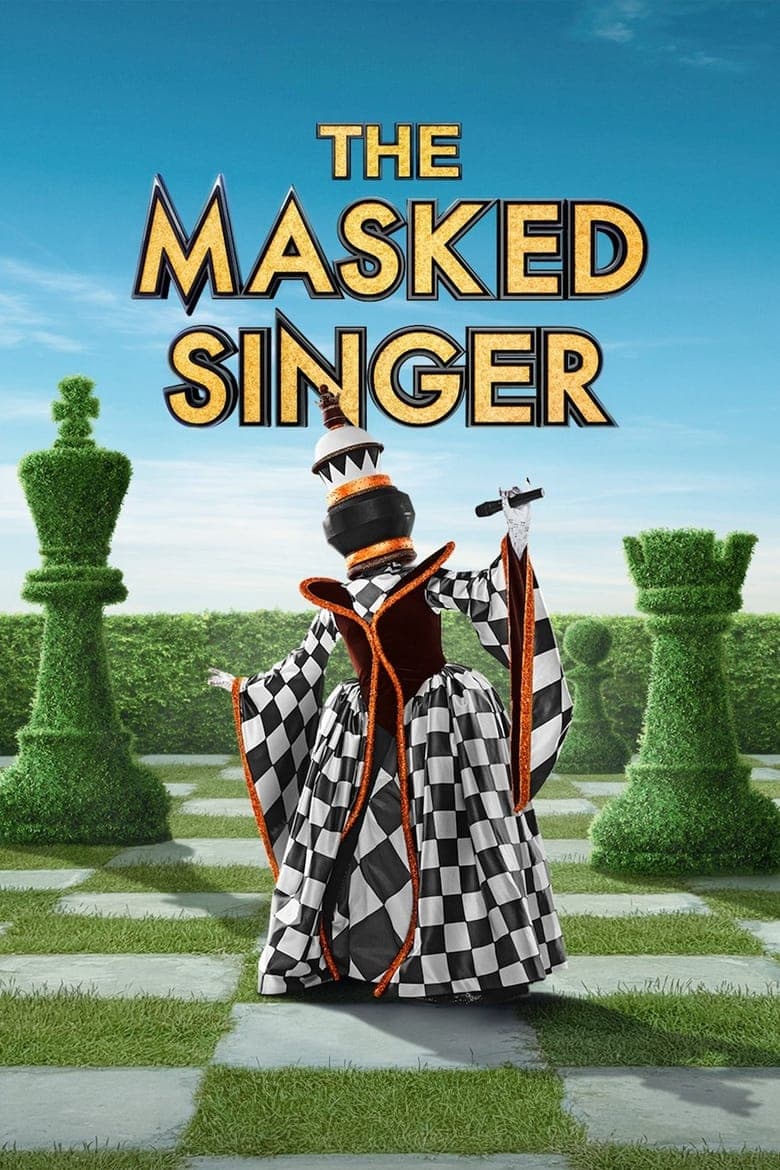
TV Show · 2019
Celebrities compete in a singing competition with one major twist: each singer is shrouded from head to toe in an elaborate costume, complete with full face mask to conceal his or…
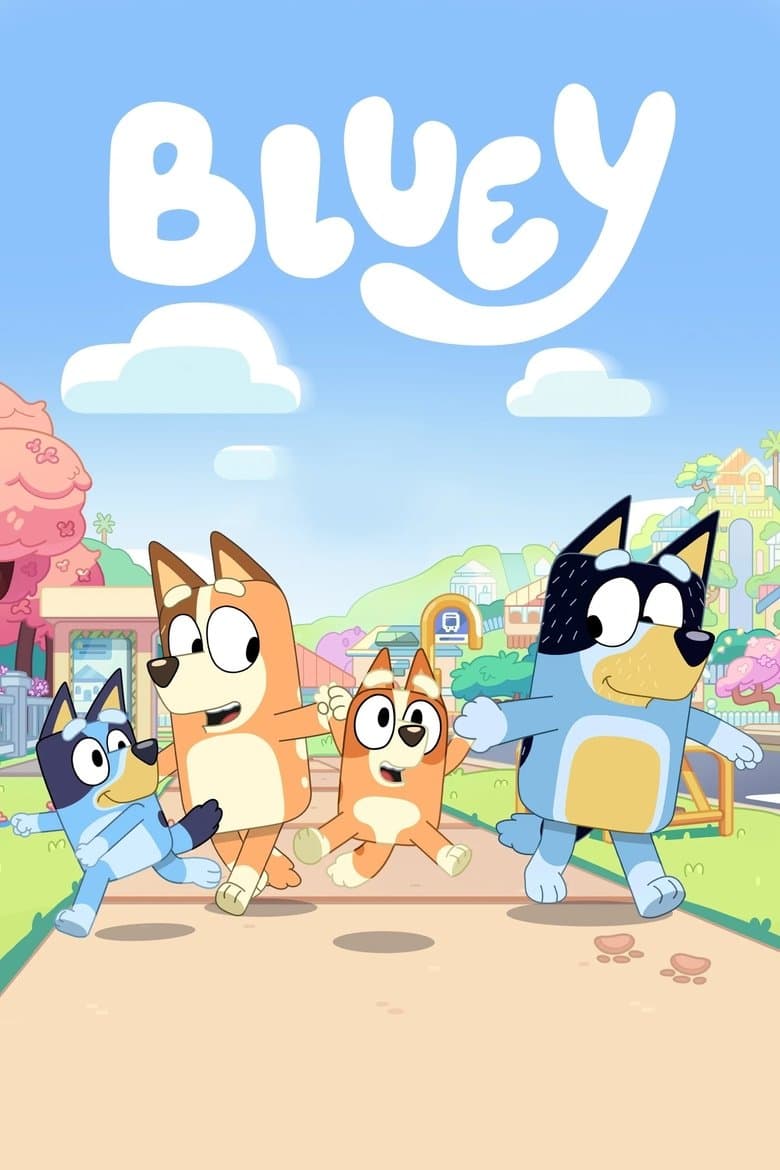
TV Show · 2018
Bluey is an inexhaustible six year-old Blue Heeler dog, who loves to play and turns everyday family life into extraordinary adventures, developing her imagination as well as her…
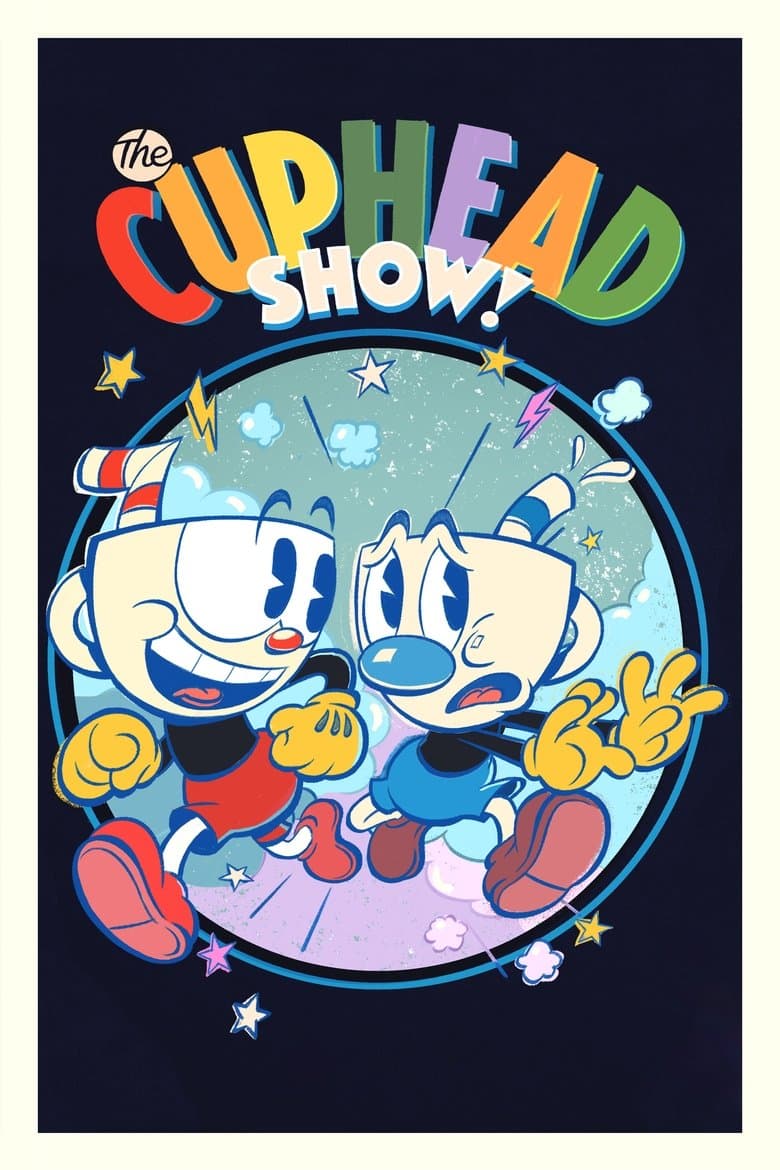
TV Show · 2022
Follow the misadventures of the impulsive Cuphead and his cautious but persuadable brother Mugman in this animated series based on the hit video game.
