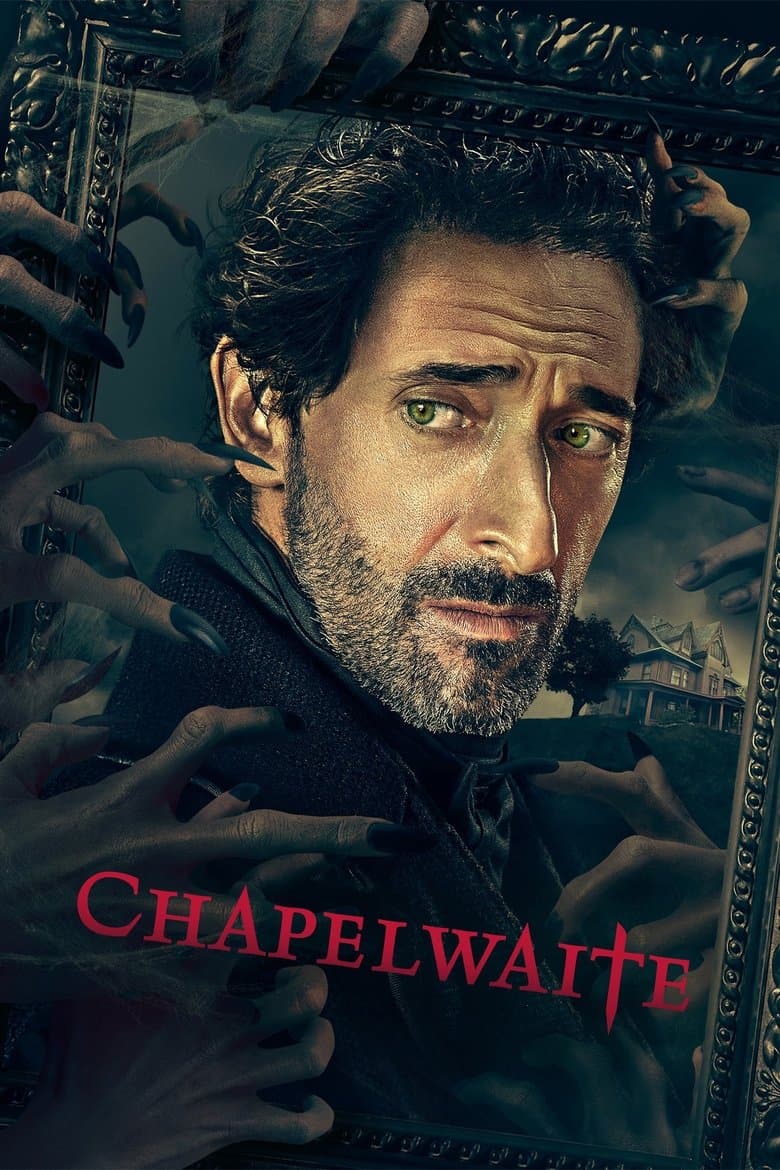
Started August 22, 2021 · Ended · Based on 1 season, 10 episodes through October 31, 2021 · TV-MA
Chapelwaite is a dark Gothic horror show set in Maine in the 1850s. Captain Charles Boone brings his three grieving children to his old family house after his wife dies at sea. The town distrusts the family, while strange illness, madness, worms, and vampires reveal a curse tied to the Boone bloodline. Charles, the children, and their governess Rebecca Morgan fight to survive and stop the evil from spreading.
The show gives major story space to the family’s mixed-race background and to the town’s fear of people who look different. Charles’s wife came from the Marquesas Islands, and the children face open prejudice in Maine. Honor also has a romance with Able Stewart, a black worker, while Rebecca is a college-educated writer who challenges the town’s old rules for women. These themes recur through the season, but the main story remains a family curse, grief, madness, and a fight against vampires rather than a modern political drama.
Community feedback
Was our 49% Woke rating accurate?
Breakdown
These are the editorial factors and ratings behind our score for Chapelwaite.
Woke representation / casting
The show centers a mixed-race Boone family in 1850s Maine, with a Polynesian mother and three children in major roles. The show also gives Able Stewart, a black sawmill worker, a key ally role and gives him a romance with Honor. The story explains the family through Charles’s whaling life, so the choices have a clear setting-based reason. The repeated focus on skin color, interracial love, and identity makes representation audience-visible.
32%
Woke political dialogue
The show repeatedly has characters discuss prejudice against the Boone children because they are mixed race. Rebecca says that women must break the roles that other people set for them. Charles and Able also talk about the danger of their interracial relationship in the town. The dialogue stays tied to the 1850s setting and does not become a long series of modern political speeches.
24%
Identity-driven story themes
The show makes the Boone family’s mixed-race identity part of its main conflict with Preacher’s Corners. The children face insults, school trouble, church exclusion, and suspicion because of their skin and family name. Rebecca’s education and writing career also challenge the town’s limits on women. These themes return across the season, but the curse, grief, madness, and family survival remain the main plot.
39%
Western institutional / cultural critique
The town’s church leaders, police, and male townspeople often treat the Boones as dangerous outsiders. The show presents Rebecca’s education and independence as a challenge to the town’s old rules for women. The show also presents racism and religious fear as social problems that help isolate the family. The criticism is repeated, but it stays within a 1850s horror story and does not become a broad attack on Western institutions.
33%
Woke character or canon changes
The adaptation changes Stephen King’s short story by giving Charles a Polynesian wife and three mixed-race children. The adaptation adds Rebecca Morgan as a college-educated writer and adds Honor’s romance with Black worker Able. The creators said these additions came from the mixed-race, multi-religion world of whaling and the prejudice of New England. The identity-focused additions stand apart from the ordinary change from letters to a larger family story.
37%
Anti-woke backlash and complaints
A few Spanish-language audience reviews called the show woke because it has empowered women and a black character in the town. Small Spanish, Portuguese, and English posts also called the mixed-race family or interracial romance forced inclusion. No large campaign, boycott, or review-bomb drive was reported. The backlash is fringe and does not show that every complaint is fair.
15%
Creator track record context
The key creators have mostly low or mild woke track records. Peter Filardi’s The Craft and Jason Filardi’s Drum add some female-empowerment and racial-history context. Stephen King has a liberal public record and has criticized Donald Trump, but his work is not mainly built around modern identity politics. The title interviews add clear identity framing about mixed-race children facing prejudice and Rebecca as a woman ahead of her time.
18%
Production
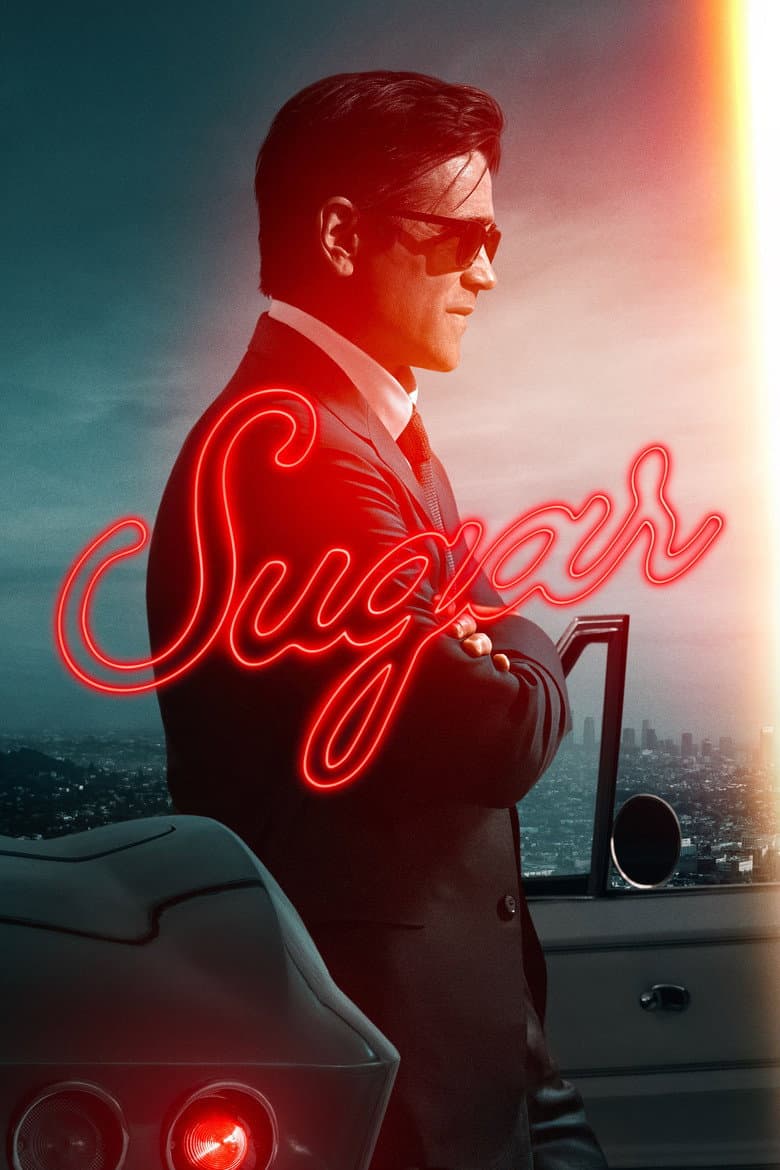
TV Show · 2024
John Sugar is a dashing private eye navigating the dark corners of sunny LA. Though he sees only the good in humanity, Sugar is haunted by a secret too dangerous to expose.
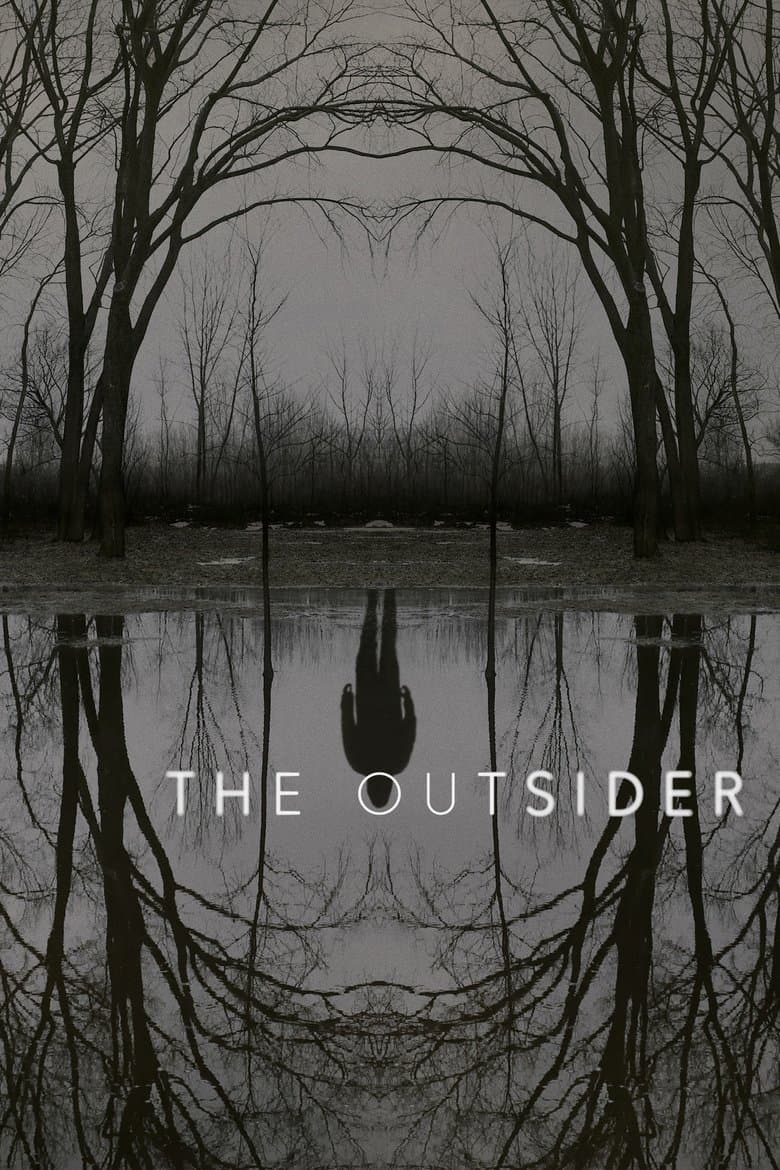
TV Show · 2020
When an insidious supernatural force edges its way into a seemingly straightforward investigation into the gruesome murder of a young boy, it leads a seasoned cop and an…
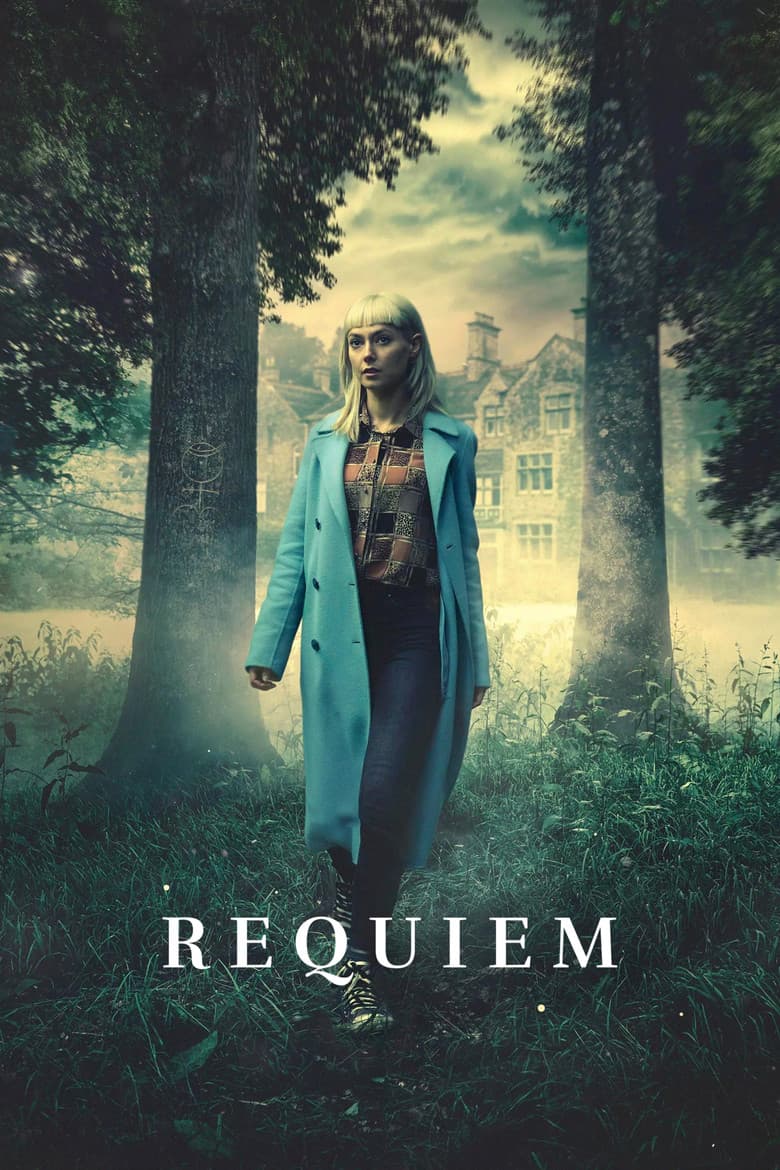
TV Show · 2018
In 1994, a toddler disappeared from a small Welsh village, never to be seen again. 23 years later, in London, the mother of rising cello star Matilda Gray commits suicide, without…
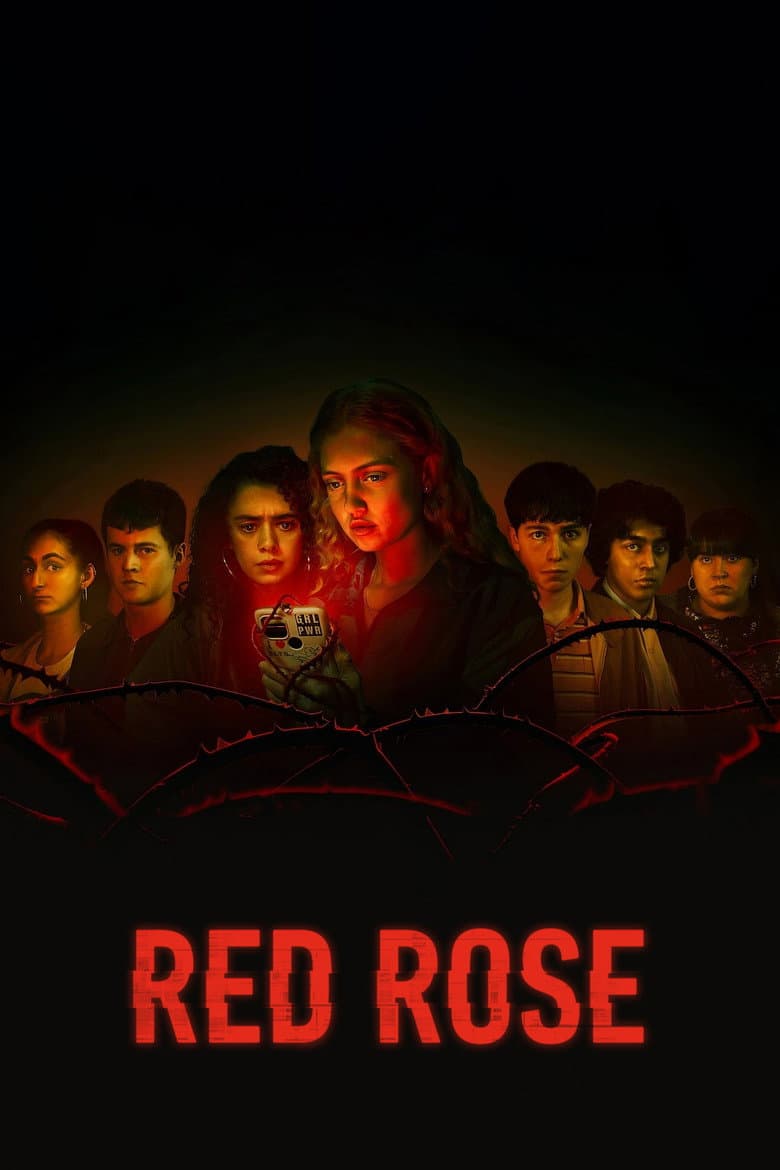
TV Show · 2022
When one of a group of friends downloads the mysterious Red Rose app, plans change. What starts innocently as a game of admiration rapidly descends into something much darker.
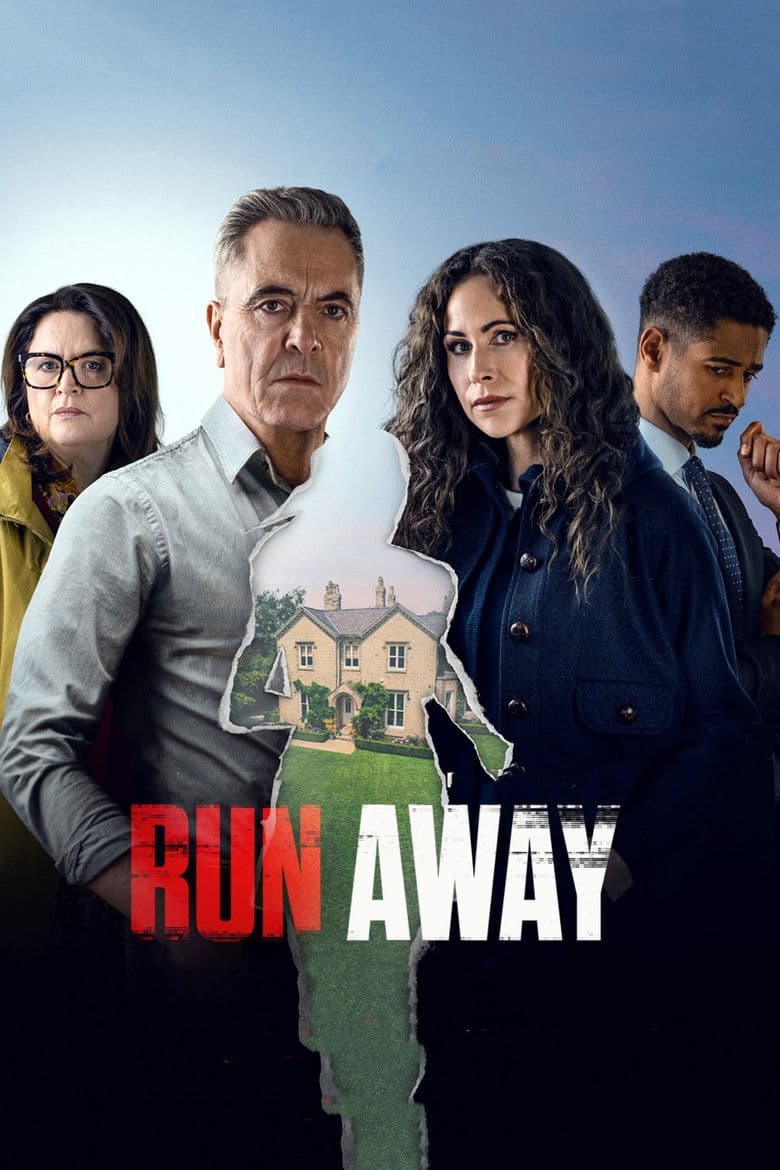
TV Show · 2026
A desperate father searching for his runaway daughter gets caught up in a murder case — and stumbles upon secrets which could destroy his family for good.
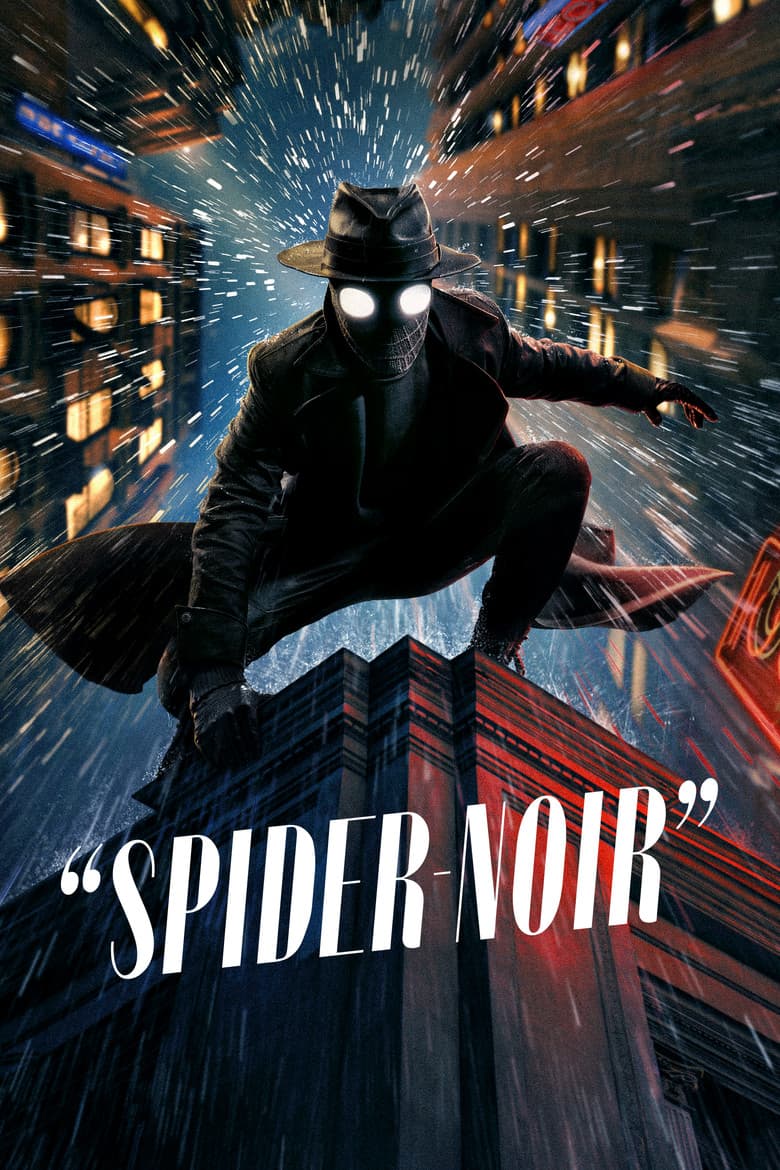
TV Show · 2026
Ben Reilly, an aging and down on his luck private investigator in 1930s New York, is forced to grapple with his past life as the city's one and only superhero.
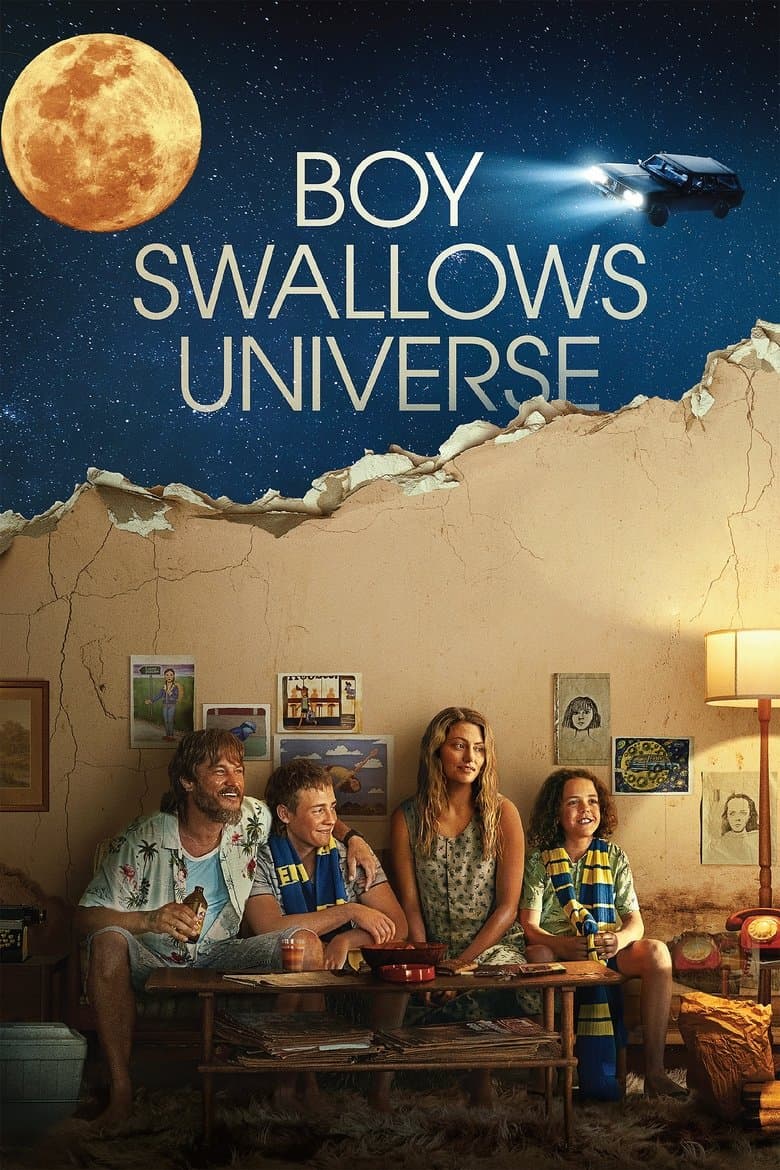
TV Show · 2024
A young boy growing up in the suburbs of 1980s Brisbane faces the harsh realities of life — and the looming dangers that threaten his family.
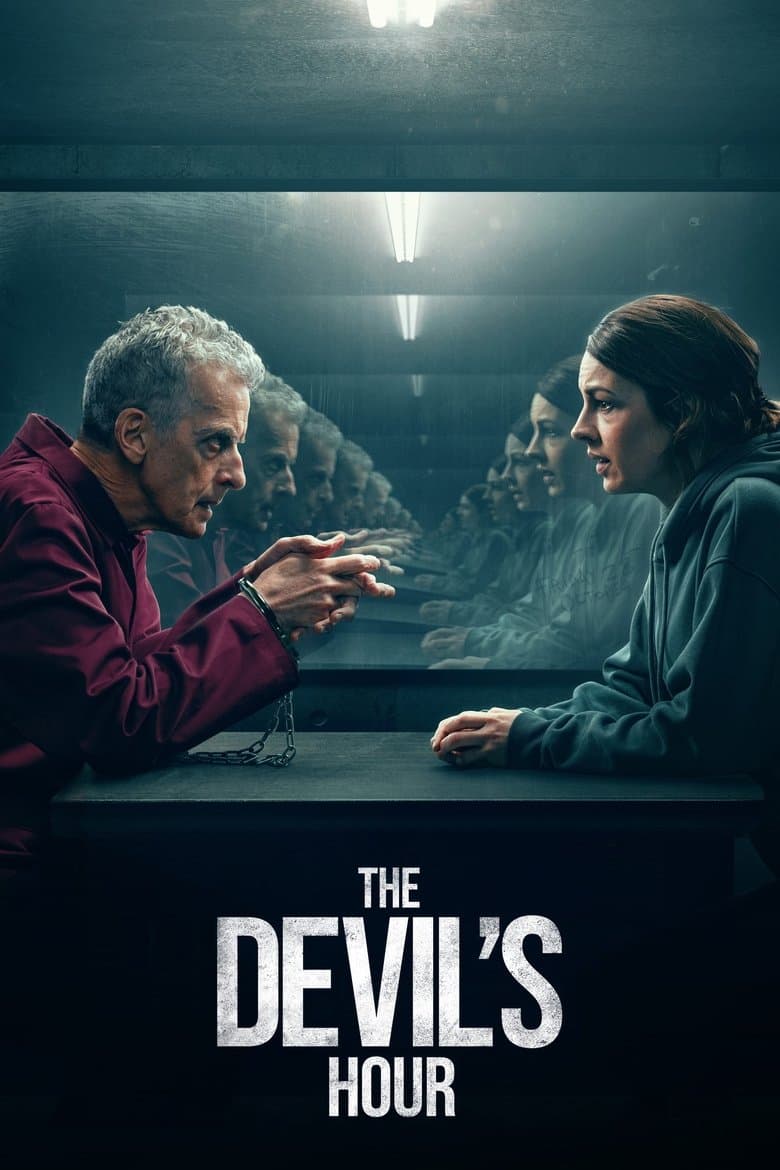
TV Show · 2022
Lucy wakes every night at exactly 3:33am. Nothing in her life has made sense for a long time. But the answers are out there, somewhere, at the end of a trail of brutal murders.
