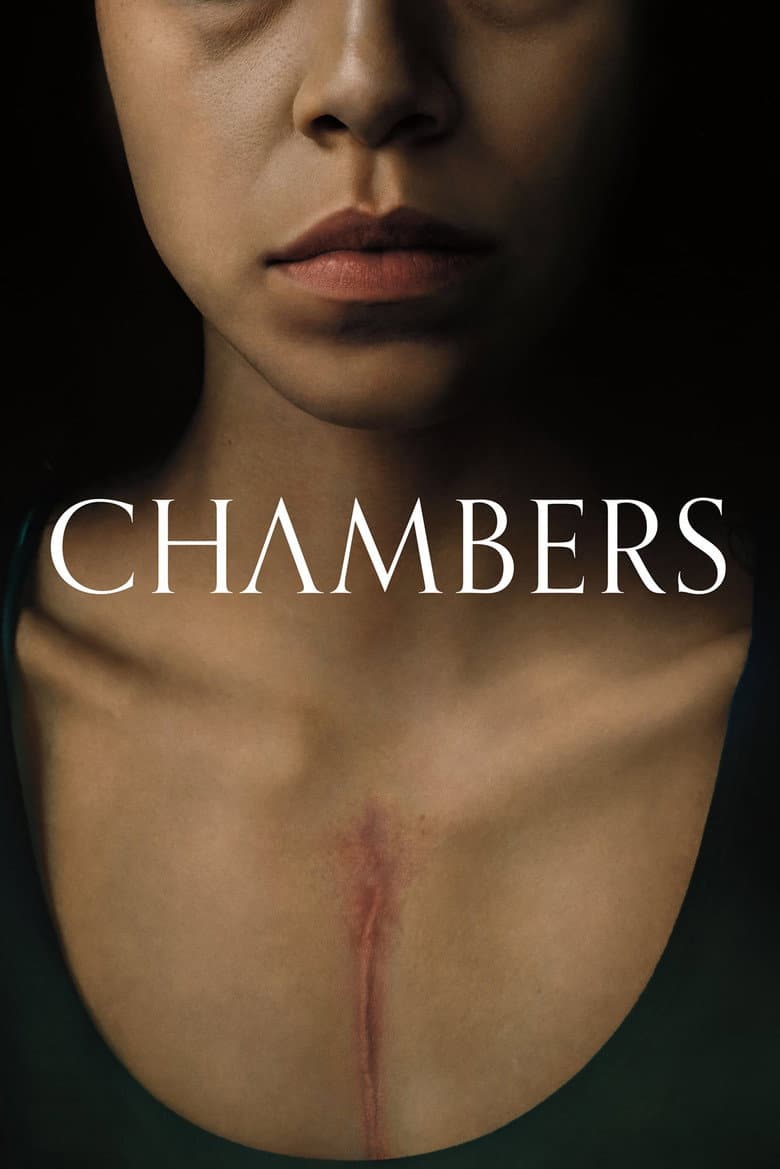
Started April 26, 2019 · Canceled · Based on 1 season, 10 episodes through April 26, 2019 · TV-MA
Chambers follows Sasha Yazzie, a 17-year-old native American girl from a poor Arizona town. She survives a sudden heart attack and receives the heart of Becky, a rich girl who died in strange circumstances. Sasha then sees Becky, copies her habits, and enters the LeFevre family’s wealthy world while trying to learn how Becky died. The season mixes teen drama, family grief, addiction, and slow supernatural horror.
Identity sits at the center of Sasha’s fight because the heart changes her looks, skills, memories, and sense of self. The story repeatedly contrasts Sasha’s native family and community with Becky’s wealthy white family and their New Age group. Several episodes question who has the right to shape a girl’s body, culture, and future. The finale presents Lilith as a female power that can heal an unfair world, while the men who try to control Sasha are struck down.
Community feedback
Was our 59% Woke rating accurate?
Breakdown
These are the editorial factors and ratings behind our score for Chambers.
Woke representation / casting
Chambers places a native American teenage girl at the center and gives her a black best friend and a native boyfriend. These characters carry the main relationships and much of the plot. Coverage presented Rose as the first native woman to lead a Netflix series, and Rose said the show aimed to show modern Native life beyond stereotypes. The repeated representation focus is easy for viewers to notice.
44%
Woke political dialogue
Most dialogue concerns supernatural events, grief, addiction, and family secrets. The finale says Lilith can fix an unfair world and gives her power outside male control. The season does not spend many scenes on current politics or party issues.
24%
Identity-driven story themes
Sasha’s fight over who she is drives the season. The heart makes her copy a wealthy white girl’s looks, skills, memories, and behavior. Episodes place Sasha between her native family, her community, and the rich LeFevre family. The finale presents female power as a way to heal the world and defeat men who try to control Sasha.
63%
Western institutional / cultural critique
The show contrasts Sasha’s poor native family with the wealthy white LeFevres. It shows the LeFevre group using New Age rituals that borrow from Native spiritual ideas. It also shows male leaders forcing a dangerous spirit into a girl and deciding what is best for her. These criticisms recur, but they remain inside a supernatural family story.
35%
Woke character or canon changes
Not relevant. Chambers is an original series, so it does not change an established character, canon, or historical person.
0%
Anti-woke backlash and complaints
A small right-leaning Reddit discussion called Chambers part of Netflix’s “woke” output and objected to its native female lead and diversity focus. The discussion was fringe and did not become a major news controversy. Mainstream coverage focused on mixed reviews, slow pacing, and weak buzz.
11%
Creator track record context
Leah Rachel’s public comments focus on young female identity and keeping control of personal identity. Sydney Freeland’s cached record centers native and trans representation, while Francesca Gregorini has spoken about gender inequality. Akela Cooper’s cached record is milder and includes resistance to adding social messages to horror. The other cached crew notes are mostly low or mild.
35%
Production

TV Show · 2024
The life of an American woman living in Kyoto, Japan, is upended when her husband and son disappear in a mysterious plane crash.
TV Show · 2021
The arrival of a charismatic young priest brings glorious miracles, ominous mysteries and renewed religious fervor to a dying town desperate to believe.
TV Show · 2022
Identical twins Leni and Gina have secretly switched places for years. But when one sister disappears, both of their lives start to fall apart.
TV Show · 2022
When one of a group of friends downloads the mysterious Red Rose app, plans change. What starts innocently as a game of admiration rapidly descends into something much darker.

TV Show · 2026
The mayor of a New England town resolves to turn it into the next tourist hot spot, despite local warnings that it's cursed.
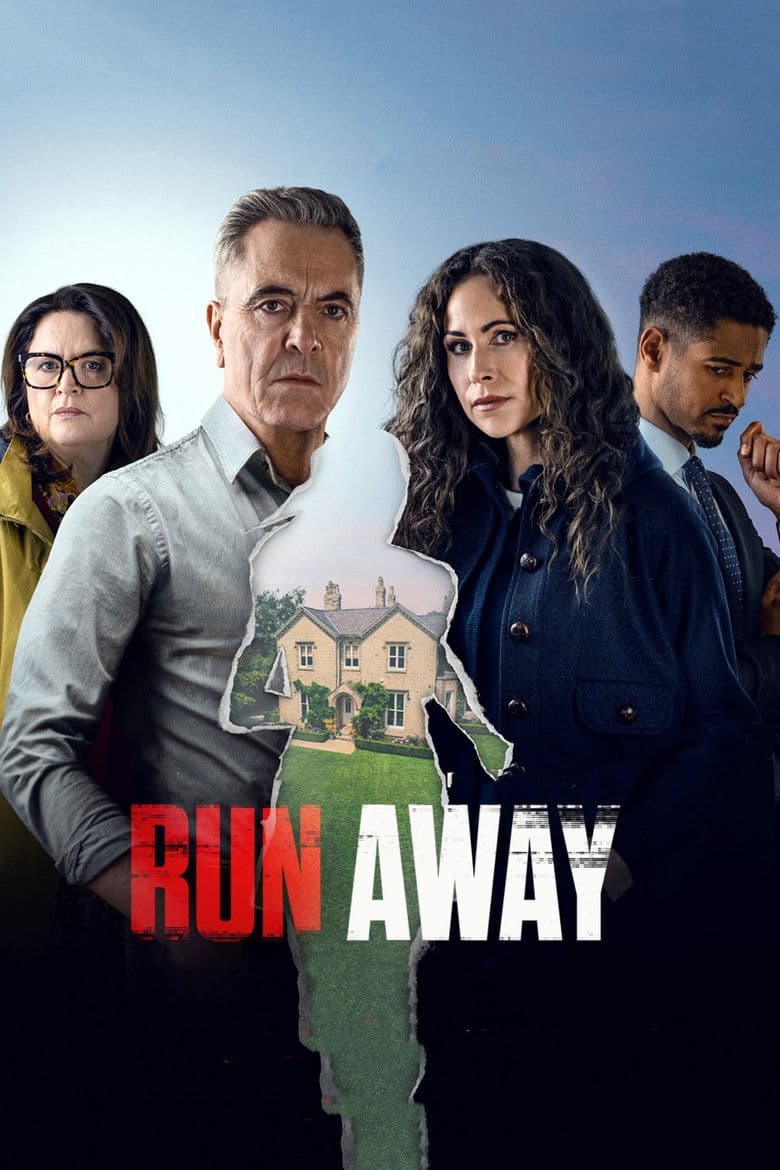
TV Show · 2026
A desperate father searching for his runaway daughter gets caught up in a murder case — and stumbles upon secrets which could destroy his family for good.
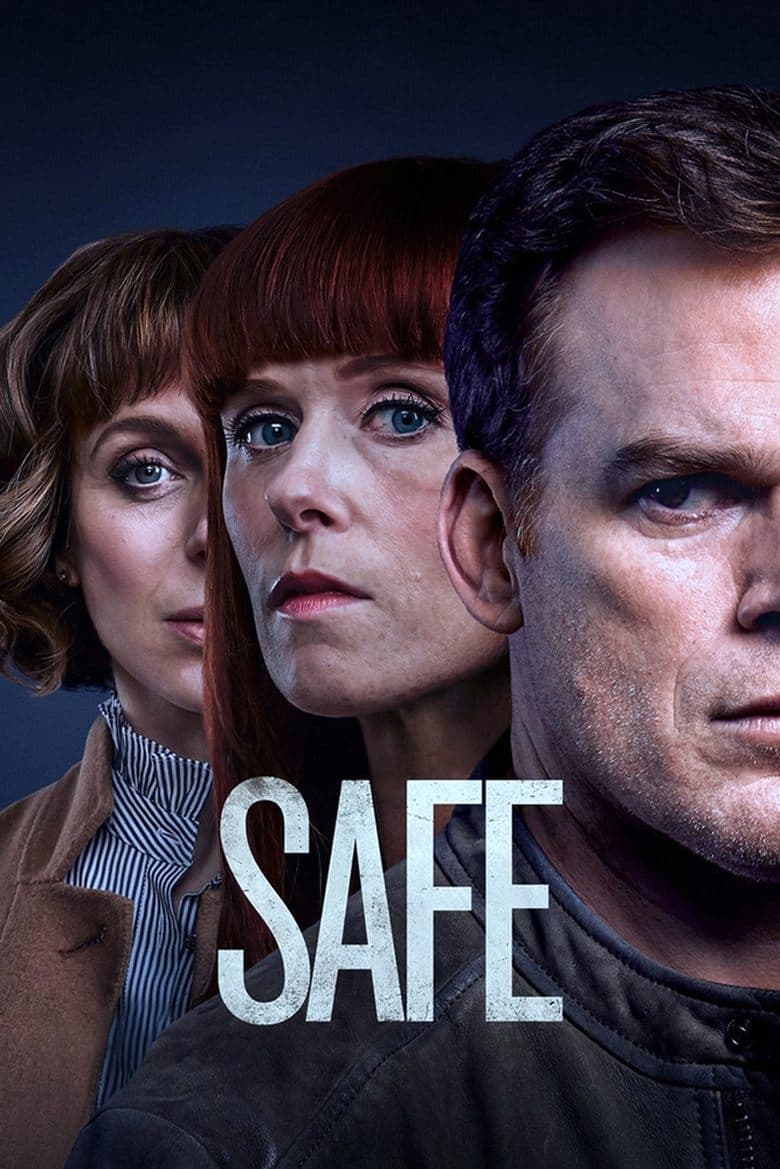
TV Show · 2018
After his daughter goes missing, a widower begins uncovering the dark secrets of the people closest to him.
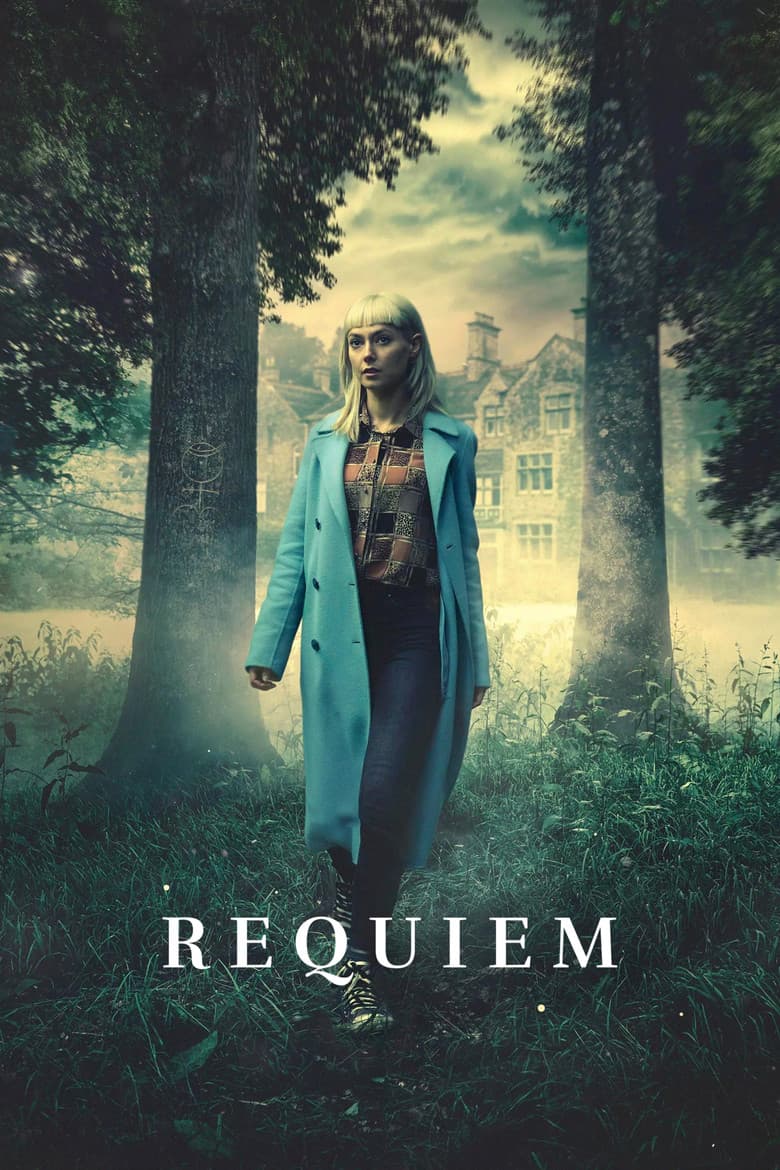
TV Show · 2018
In 1994, a toddler disappeared from a small Welsh village, never to be seen again. 23 years later, in London, the mother of rising cello star Matilda Gray commits suicide, without…
