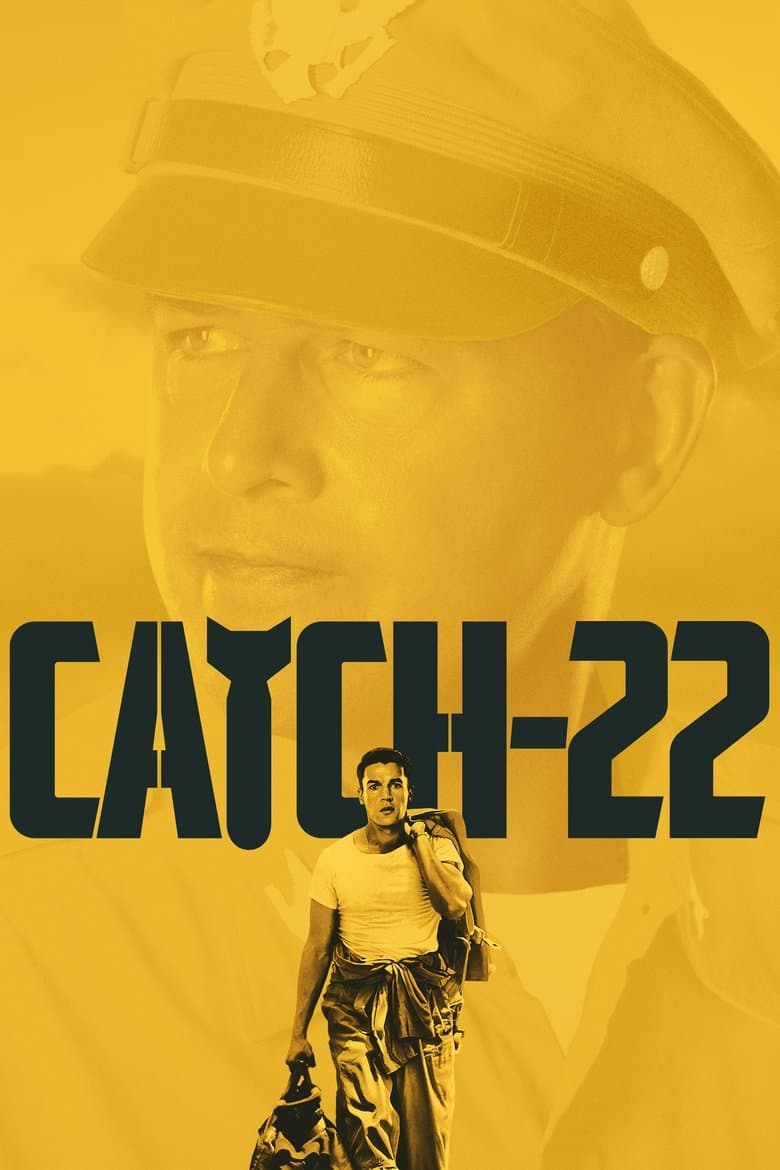
Started May 17, 2019 · Ended · Based on 1 season, 6 episodes through May 17, 2019 · TV-MA · 45 min
Catch-22 follows Captain John Yossarian, a United States Army bombardier stationed on Pianosa, an island near Italy, during World War II. Yossarian wants to survive and go home, but Colonel Cathcart keeps raising the number of bombing missions that the men must fly. A military rule says that a soldier who asks to stop flying must be sane, so the Army sends him back into danger. The six episodes mix dark jokes, fear, sex, grief, and sudden violence as Yossarian watches his friends disappear.
The show keeps the old story's attack on war, military bureaucracy, and war profiteering at the center. Yossarian openly questions God and rejects the idea that soldiers must die simply because officers call it duty. The series also expands Nurse Duckett into a grounded and moral person who becomes Yossarian's closest voice of reason, instead of leaving her as a small love interest. That gender-focused change is visible, but it stays inside one supporting story while the main plot remains a bleak war satire. The final episodes stress sexual exploitation, a rape and murder, trauma, and the cost of treating people as tools.
Community feedback
Was our 31% Woke rating accurate?
Breakdown
These are the editorial factors and ratings behind our score for Catch-22.
Woke representation / casting
Not present. The main cast is mostly white American and British men in a World War II bomber unit, with Italian locals and a few women in supporting roles. The choices fit the setting and are not presented as a diversity message.
0%
Woke political dialogue
The show repeatedly has Yossarian reject the idea that soldiers must keep flying just because officers give orders. The soldiers argue about duty, pointless missions, and rising quotas throughout the season. This creates a clear anti-war and anti-bureaucracy message, but it comes from Heller's older story and does not use modern identity or activist language.
25%
Identity-driven story themes
The series gives Nurse Duckett more personal agency and makes her a steady voice of reason. The season also gives several women more depth than the source story. These gender-focused choices appear in a supporting subplot, while the main plot stays focused on male soldiers and war. The story does not center on present-day identity politics.
20%
Western institutional / cultural critique
The series repeatedly portrays the U.S. military as a cruel system that protects its leaders and treats soldiers as numbers. Yossarian also attacks the idea of a good God in a long early scene. This is a visible institutional and religious critique. The critique stays tied to the older war satire rather than a modern attack on Western society.
22%
Woke character or canon changes
The series expands Nurse Duckett beyond her small role in the novel. She becomes a grounded, moral, and informed person who helps Yossarian stay connected to reality. The adaptation removes the book's assault on her and reshapes several women as fuller characters. This is a clear gender-focused change, but it remains limited to a supporting subplot.
28%
Anti-woke backlash and complaints
Not present. No anti-woke complaints or DEI-related backlash were found in the reviewed coverage. Audience comments focused on fidelity, pacing, tone, and the ending.
0%
Creator track record context
George Clooney has a public liberal profile through Democratic support and humanitarian activism. Joseph Heller had an anti-Vietnam War protest history, while Luke Davies, David Michôd, Grant Heslov, and Ellen Kuras have milder political or justice-related context. This gives the project a mild political signal, but the show itself stays focused on anti-war satire instead of modern identity politics.
20%
Production
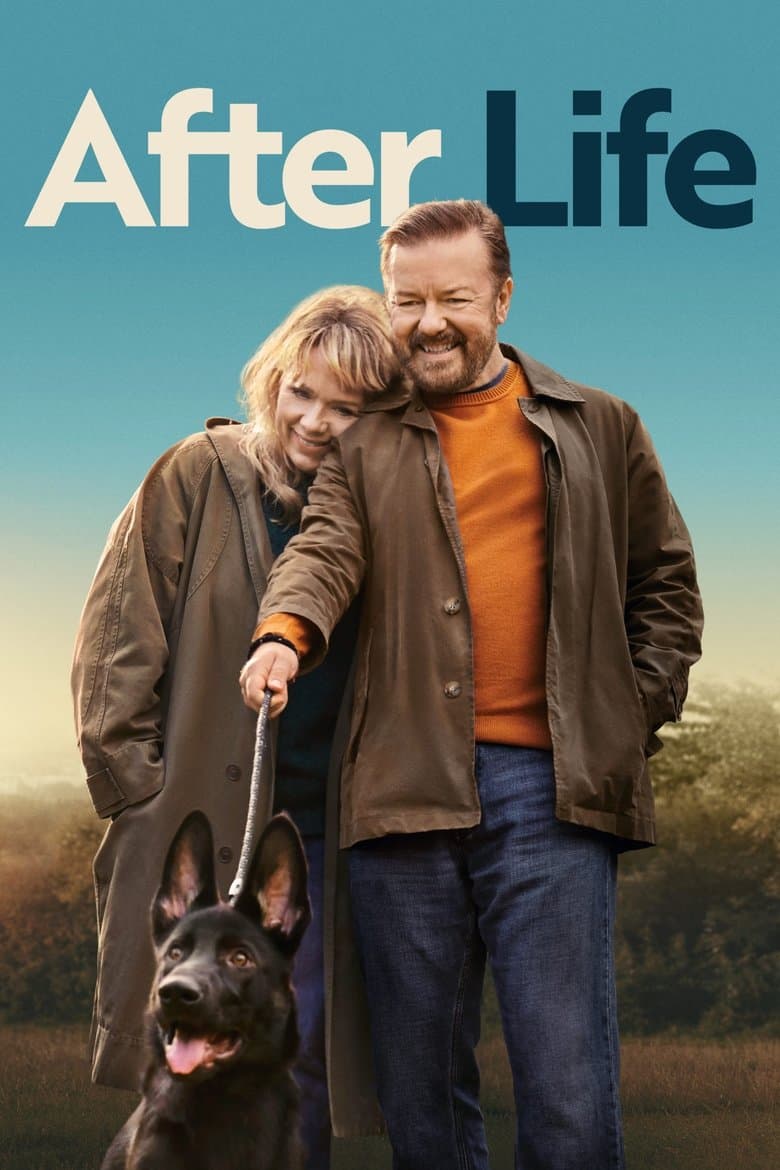
TV Show · 2019
Tony had a perfect life. But after his wife Lisa suddenly dies, Tony changes. After contemplating taking his own life, he decides instead to live long enough to punish the world…
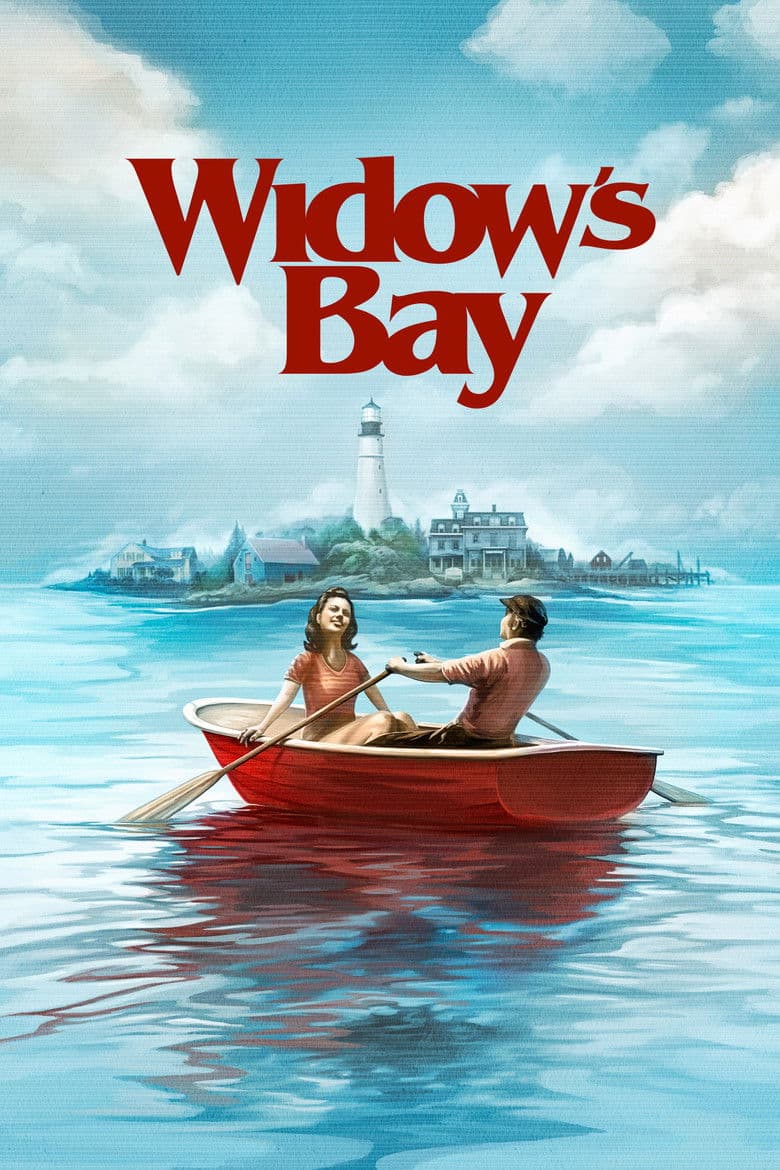
TV Show · 2026
The mayor of a New England town resolves to turn it into the next tourist hot spot, despite local warnings that it's cursed.
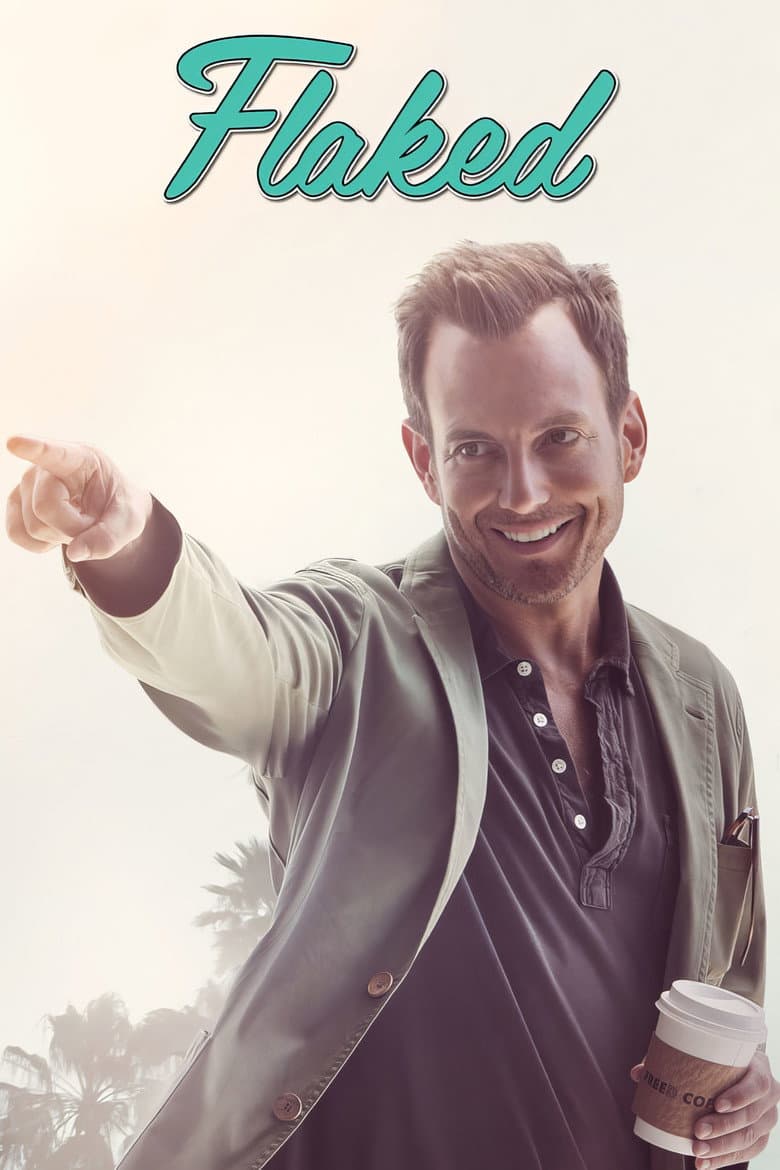
TV Show · 2016
In his funky California beach enclave, Chip's the go-to guy for personal insights. But he isn't quite as enlightened when it comes to his own baggage.

TV Show · 2018
When his secretary unexpectedly quits, an arrogant executive will do anything to bring her back.
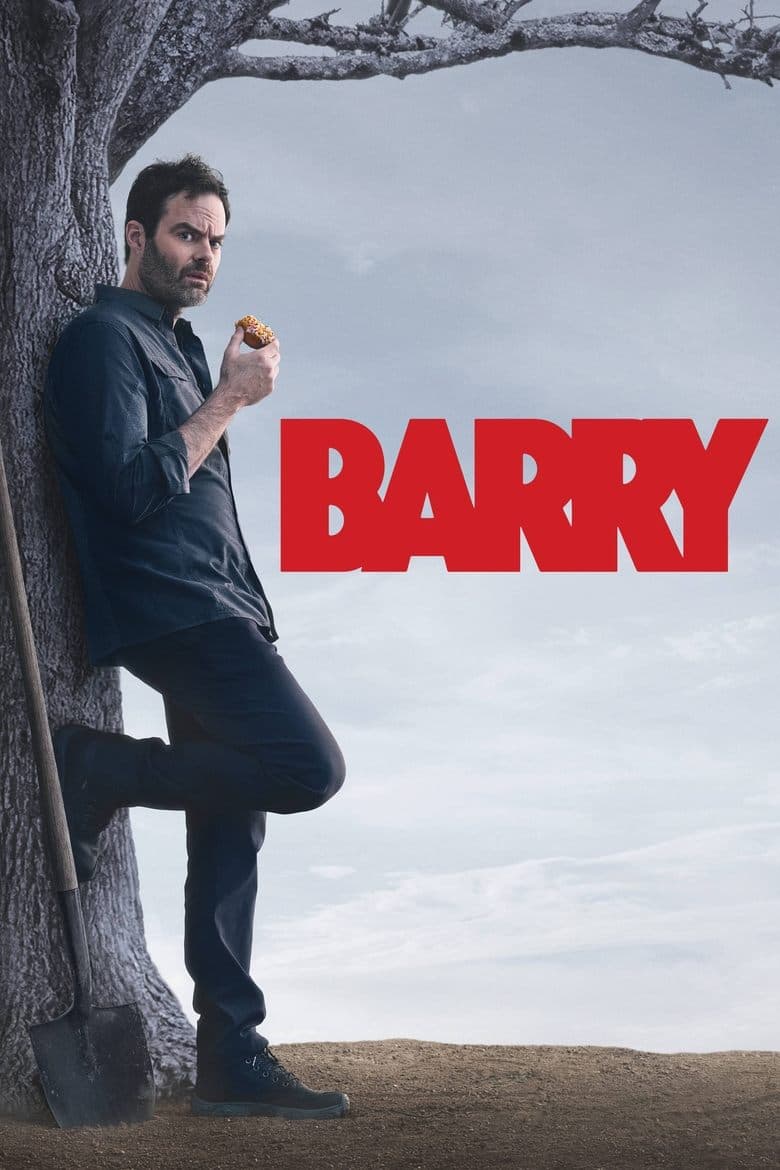
TV Show · 2018
A hit man from the Midwest moves to Los Angeles and gets caught up in the city's theatre arts scene.
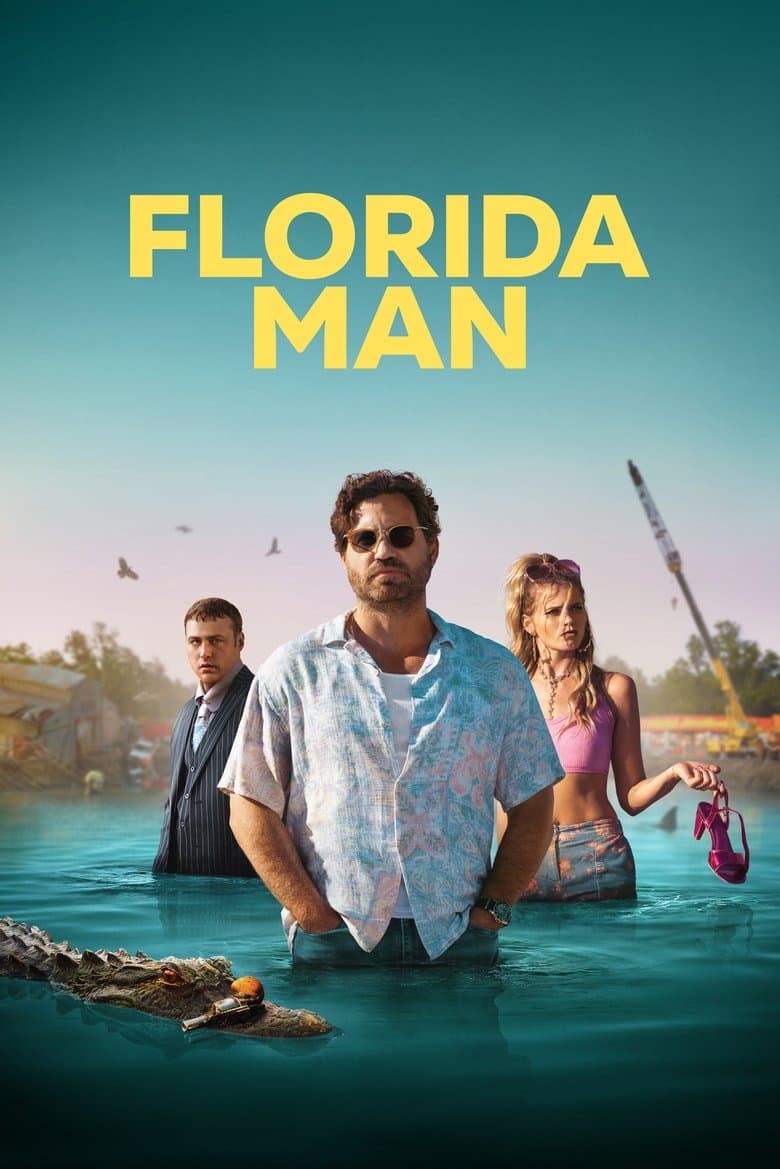
TV Show · 2023
A disgraced cop in debt is forced to return to his home state of Florida for a shady mission only to get swept up in a wild — and deadly — treasure hunt.

TV Show · 2019
To win back his ex-girlfriend, a nerdy teen starts selling ecstasy online out of his bedroom -- and becomes one of Europe's biggest dealers.
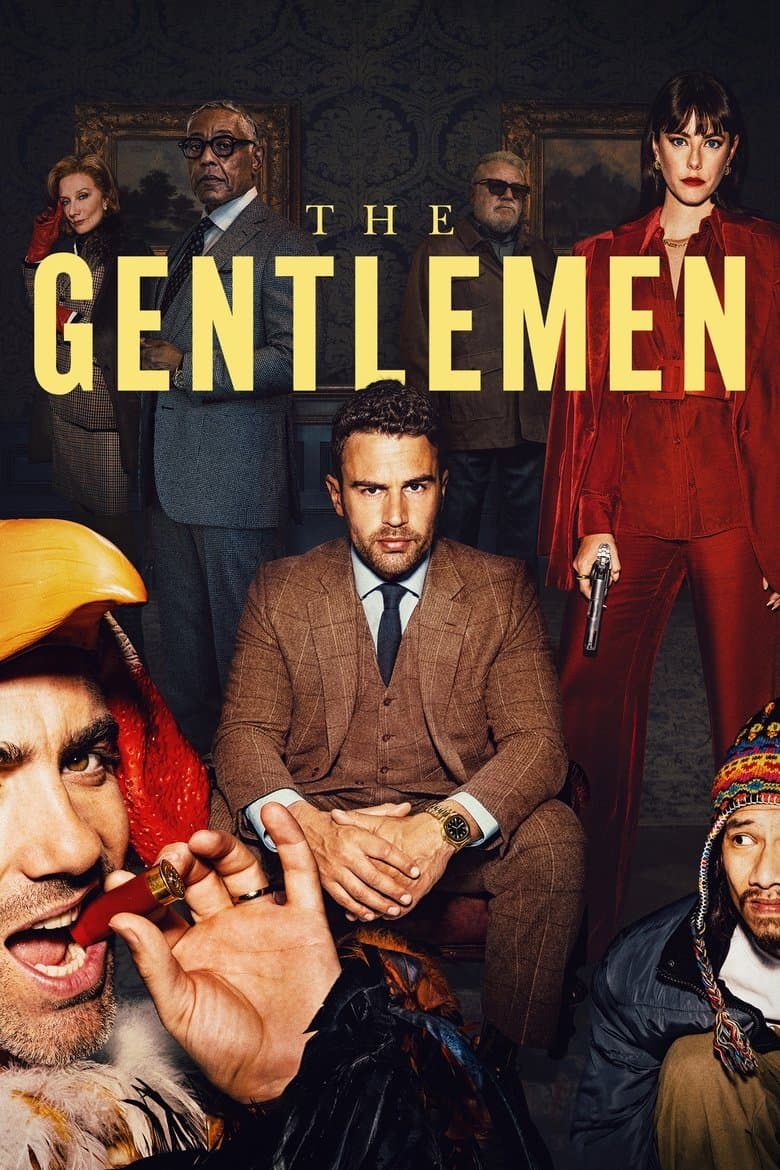
TV Show · 2024
When aristocratic Eddie inherits the family estate, he discovers that it's home to an enormous weed empire — and its proprietors aren't going anywhere.
