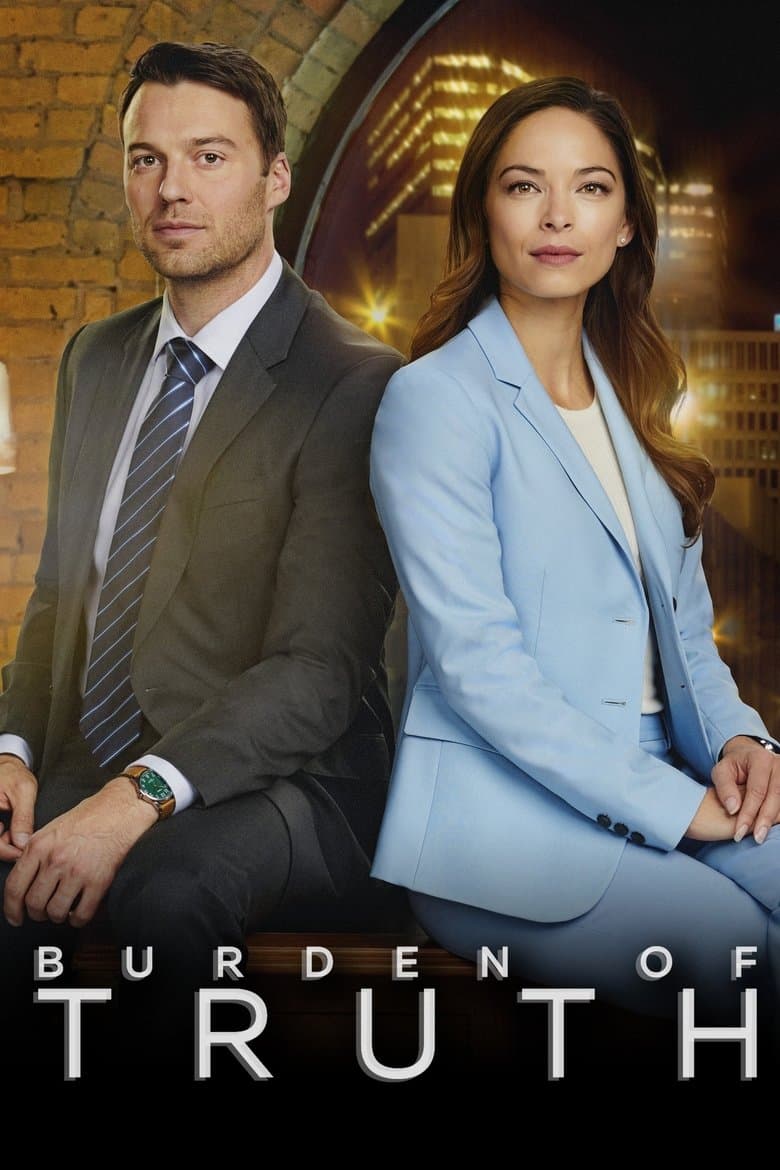
Started January 10, 2018 · Ended · Based on 4 seasons, 34 episodes through March 18, 2021 · TV-PG · 45 min
Burden of Truth follows Joanna Hanley, a skilled lawyer who leaves a big city firm and returns to Millwood, Manitoba. A group of teenage girls becomes sick, and Joanna first tries to protect the drug company that hired her. She changes sides after she sees signs of toxic waste, hidden family secrets, and a town split between jobs and justice. The show uses legal cases, crime twists, family pain, and romance, with a serious but emotional tone.
Across four seasons, Joanna and Billy defend people who face large companies, police, courts, child services, and a mining project. The stories include pollution that harms girls, a lesbian Indigenous teenager accused of murder, children taken from their mother, and a young trafficking survivor seeking money and safety. The show often presents Indigenous people as harmed by unfair systems and gives women, Indigenous characters, and queer characters important roles. Season four adds stolen land, pressure on working mothers, and a fight against a mine, while the main story ends with Joanna leaving law and choosing a new family life.
Community feedback
Was our 60% Woke rating accurate?
Breakdown
These are the editorial factors and ratings behind our score for Burden of Truth.
Woke representation / casting
Joanna is an Asian woman who leads the legal work, and several Indigenous characters hold major roles across the four seasons. Luna, Owen, Dee, and other Indigenous characters are played by Indigenous actors, and the show keeps adding them to major cases. The cast also includes a young lesbian couple and many women with power in law, police work, and public life. The setting makes much of this believable, but the creator openly described a diversity and representation goal, so the pattern is audience-visible.
52%
Woke political dialogue
The lawyers repeatedly talk about unfair systems, who gets heard in court, and how power protects companies and officials. Season 3 links child removal to the overrepresentation of Indigenous children and failed family services. Season 4 talks about stolen or misused Indigenous land, harm passed through generations, and pressure on working mothers. The show presents these points as problems that need repair, but the dialogue stays inside legal drama rather than becoming constant political speeches.
44%
Identity-driven story themes
Each season gives a major case to people with less power against companies or public systems. Season 2 keeps Luna, an Indigenous lesbian, at the center of a murder case while her family history shapes the story. Season 3 centers a mother whose children are taken and links the case to the over-removal of Indigenous children. Season 4 follows land loss and a young trafficking survivor, so identity and group history shape the later stories more than the early mystery.
56%
Western institutional / cultural critique
The show repeatedly presents companies, courts, police, schools, and child services as systems that can protect power or harm families. Season 1 blames industrial pollution and the town’s choice between jobs and sick girls. Season 3 treats family services and bad science as causes of wrongful child removal. Season 4 links a mining project to land loss, trafficking, and threats, while the story sides with a lawyer who challenges the mine.
46%
Woke character or canon changes
Not relevant. The series is an original legal drama, so it does not change established characters, canon, or real historical figures.
0%
Anti-woke backlash and complaints
Not present. No anti-woke complaints, boycott, or review-bombing were found in the supplied X pass or the web coverage reviewed. Public criticism focused on writing, pacing, and later-season quality.
0%
Creator track record context
Brad Simpson’s cached context shows a mixed record, but his title interview stresses Indigenous justice, representation, and hiring Indigenous actors. Writer Mary Galloway has a strong cached Indigenous and queer work record. Writer Julie Puckrin and producer Kyle Irving add milder diversity or Indigenous advocacy context. Many other credited writers and directors have low or unclear cached scores, so the team record is mixed rather than dominant.
40%
Production
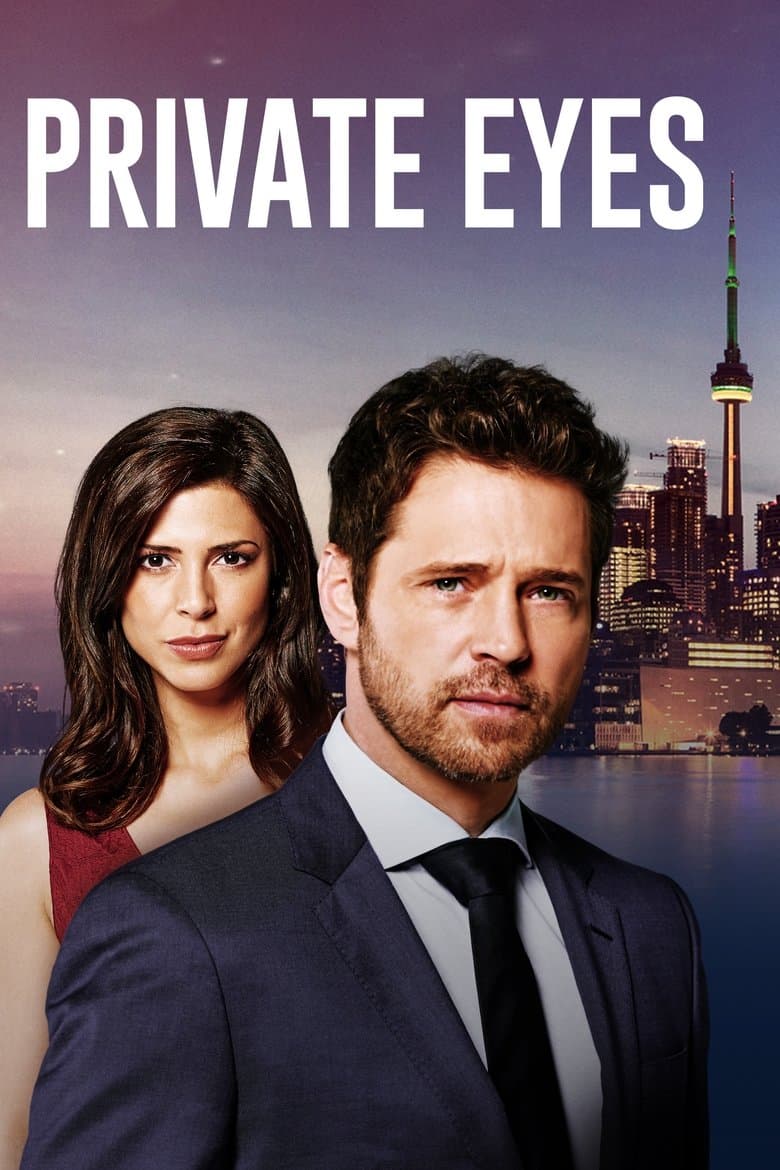
TV Show · 2016
Ex-pro hockey player Matt Shade irrevocably changes his life when he teams up with fierce P.I. Angie Everett to form an unlikely investigative powerhouse.
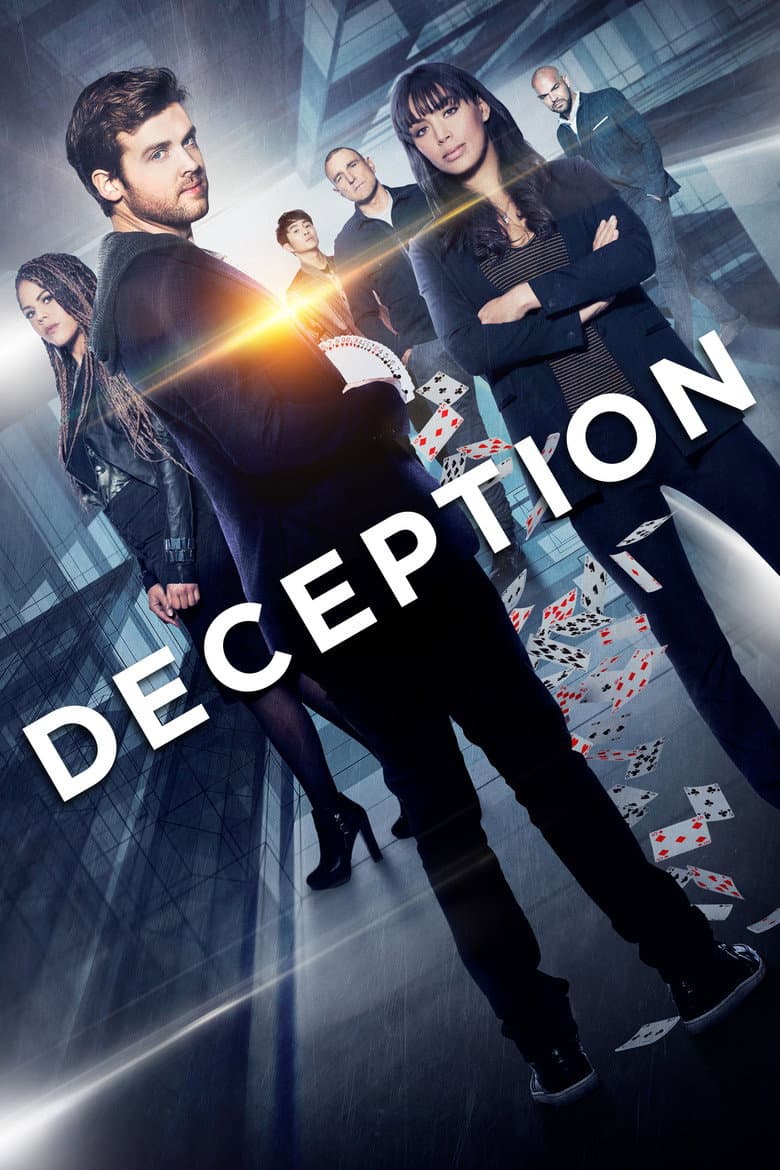
TV Show · 2018
Cameron Black is the world's greatest illusionist. At least, that's what people used to call him—before his greatest secret was exposed and his career destroyed.
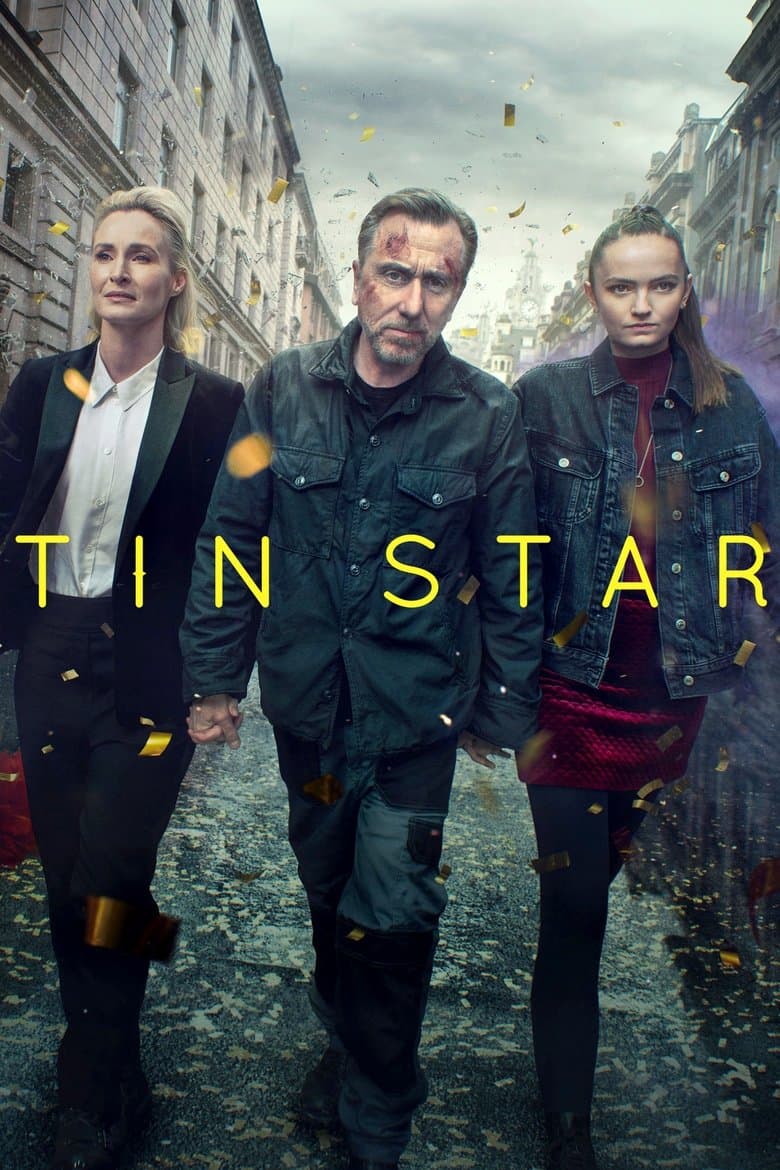
TV Show · 2017
The story of Jim Worth, an expat British police officer starting a new life with his family as police chief in Little Big Bear, an idyllic town near the Rocky Mountains.
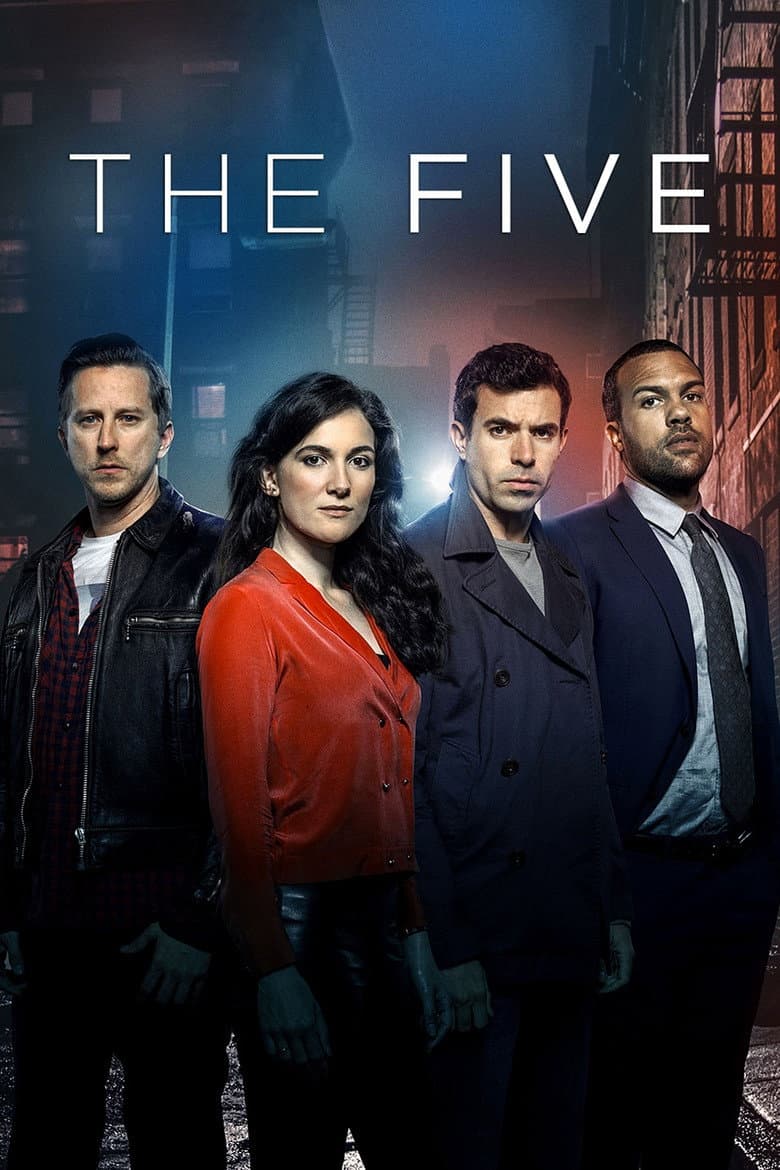
TV Show · 2016
When they were twelve years old, Mark, Pru, Danny and Slade were out together in the park. Mark’s five-year-old brother, Jesse, was annoying them.
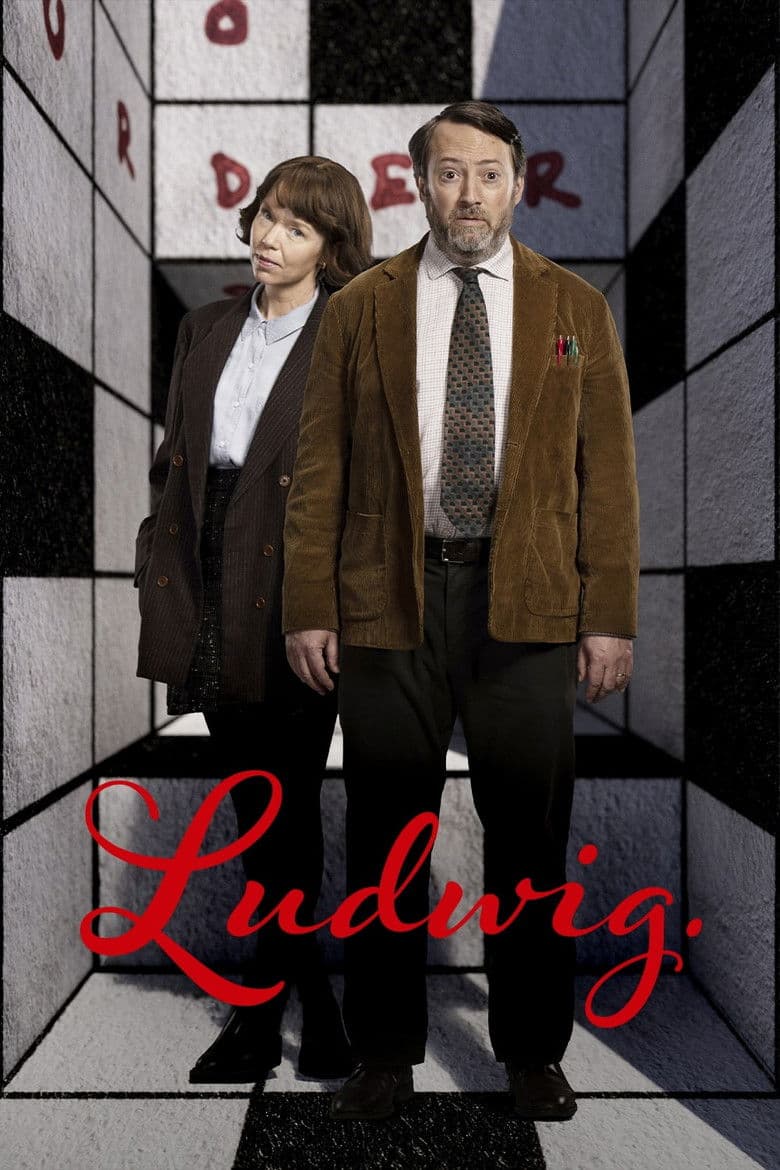
TV Show · 2024
John Taylor lives in quiet solitude, designing puzzles for a living, under the nom-de-plume of 'Ludwig'. When his identical twin, James, disappears off the face of the earth, John…
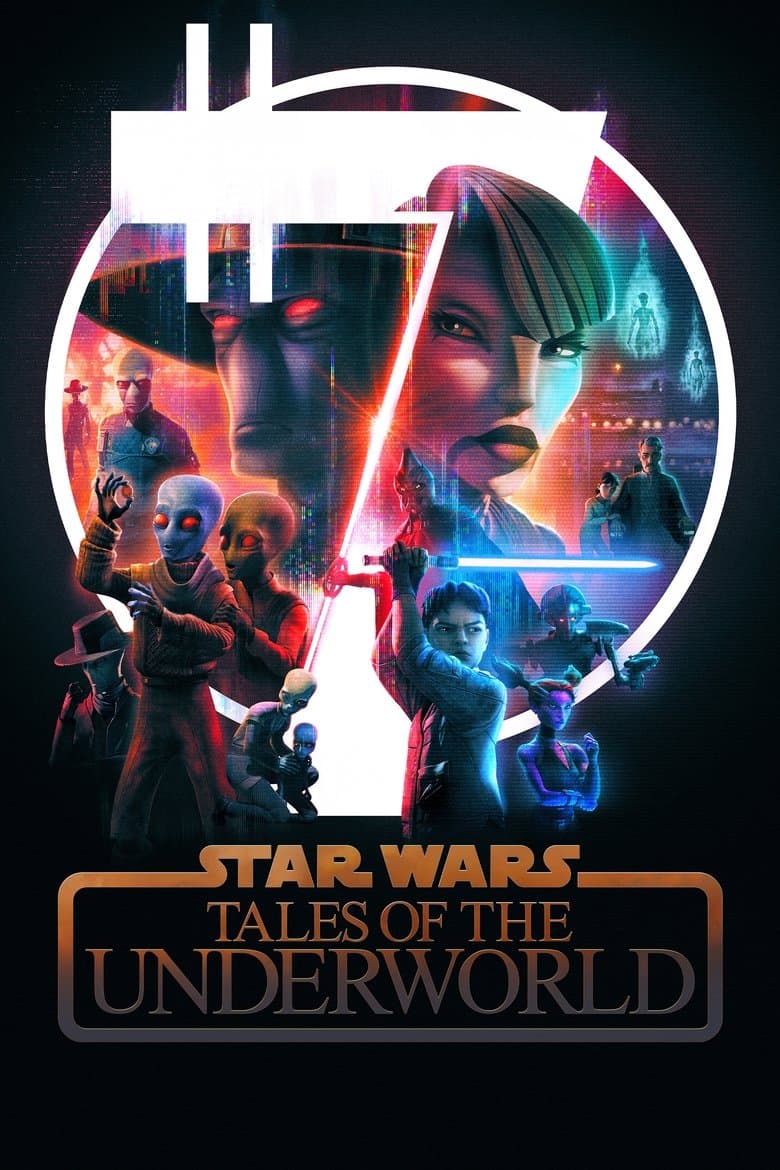
TV Show · 2025
Two outlaws must navigate the galaxy's dangerous underworld as they chart their destinies.
