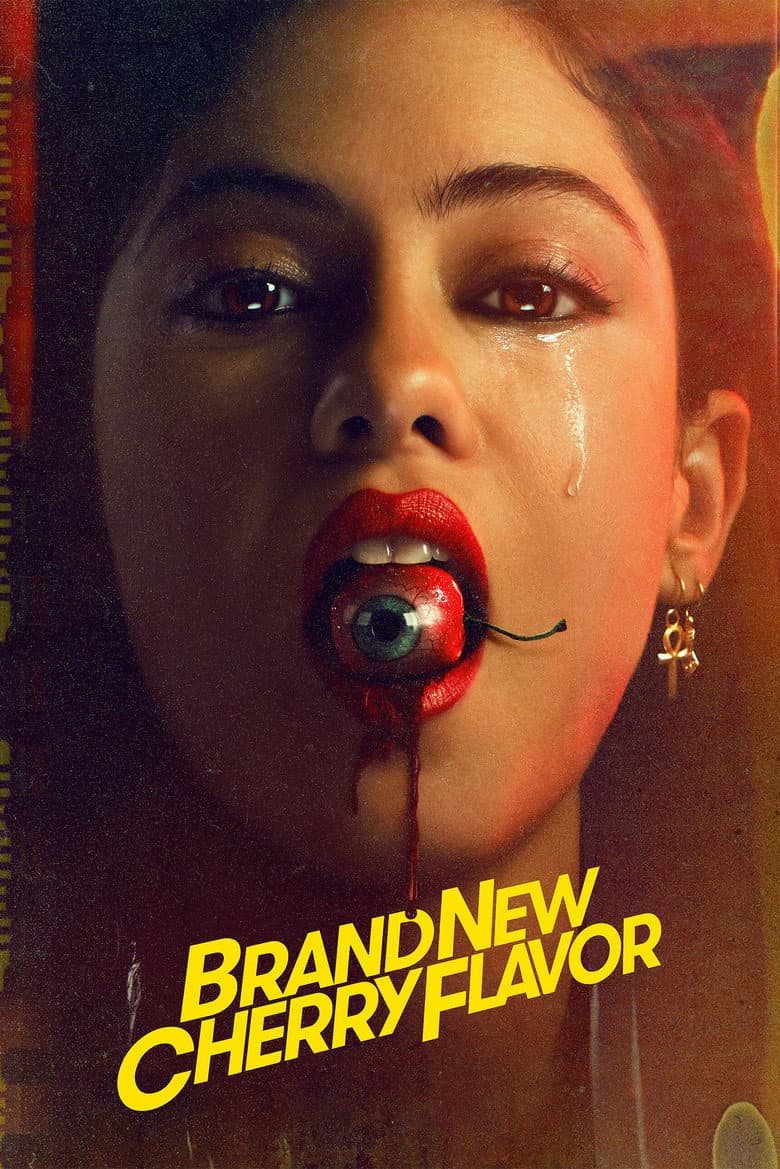
Started August 13, 2021 · Ended · Based on 1 season, 8 episodes through August 13, 2021 · TV-MA
Lisa Nova arrives in early 1990s Los Angeles with a short horror film and a dream of directing her first feature. A powerful producer promises to help her, then tries to control her after she refuses his sexual advance and takes her movie away. Lisa turns to Boro, a strange witch who offers revenge for a price paid in blood, kittens, and pain. The season becomes a bright, grimy, and dreamlike trip through Hollywood, magic, murder, and body horror.
The show's clearest woke element is its story about a young woman facing male power in the film business. Lou's abuse, the loss of Lisa's movie, and her revenge drive the plot from the first episode through the finale. The story gives Lisa and Boro strong control over men who use or threaten them, while also showing that their power hurts innocent people and destroys their own allies. Lisa's former romance with Mary adds a smaller same-sex relationship, but queer identity is not the main subject.
Community feedback
Was our 46% Woke rating accurate?
Breakdown
These are the editorial factors and ratings behind our score for Brand New Cherry Flavor.
Woke representation / casting
Not present. Lisa is a Brazilian filmmaker, and the cast reflects a mixed Los Angeles setting. The show does not frame its casting as a diversity goal.
0%
Woke political dialogue
The show includes Lou's claim that everyone is both predator and prey after Lisa rejects his advance. Lisa's talks with Lou return to his sexual pressure and control of her movie. The dialogue stays personal and does not become a broad political speech.
14%
Identity-driven story themes
The season follows Lisa after a powerful male producer makes a sexual move and takes control of her movie when she refuses. Lisa's revenge against Lou drives all eight episodes and links Hollywood success to male power and abuse. The story gives Lisa and Boro unusual power over men who harm them, while showing that their choices also hurt others. Lisa's past relationship with Mary adds a smaller same-sex story.
48%
Western institutional / cultural critique
Hollywood is shown as a system where a powerful man can steal a young woman's work, punish her rejection, and use violence. Several episodes show Lou's power and control over the film business. The story treats that world as corrupt and predatory, while Lou's claim that everyone is both predator and prey is shown as self-serving. The critique mainly targets Hollywood power rather than family, church, or capitalism.
42%
Woke character or canon changes
Not relevant. The adaptation changes Boro from a man in the novel to a woman, but no evidence shows that choice was made for a woke or DEI purpose.
0%
Anti-woke backlash and complaints
One forum post called the revenge setup a woke message about a Weinstein-like producer. The complaint said Lou was punished too harshly for a sexual advance and that Lisa had too much power for too little experience. The reaction was fringe and did not become a large public controversy.
12%
Creator track record context
Lenore Zion and Nick Antosca have low cached scores and are mainly known for horror work without a clear activist record. The writing team includes people whose other work contains queer, feminist, race, or marginalization themes. Those backgrounds add some context, but the key creators did not publicly frame this show as an activist project. The title's story provides stronger evidence than the crew's biographies.
31%
Production
TV Show · 2021
A single mother enters a world of twisted mind games when she begins an affair with her psychiatrist boss while secretly befriending his mysterious wife.
TV Show · 2016
Kyle Barnes has been plagued by possession since he was a child. Now an adult, he embarks on a spiritual journey to find answers, but what he uncovers could mean the end of life…
TV Show · 2022
An archivist takes a job restoring damaged videotapes and gets pulled into the vortex of a mystery involving the missing director and a demonic cult.
TV Show · 2024
A mysterious event traps people on a rural Georgia farm, forcing them to unite against an unknown, deadly force. A young boy named Arlo becomes central to uncovering the truth.
TV Show · 2021
Interconnected phone conversations chronicle the mysterious story of a group of strangers whose lives are thrown into disarray in the lead-up to an apocalyptic event.
TV Show · 2023
At the brink of going to hell, Yee-jae must cycle through twelve separate lives and twelve separate deaths in this reincarnation drama.
TV Show · 2020
A unique story told over two distinct halves, "Summer" follows Sam, a man drawn to a mysterious island off the British coast where he encounters a group of islanders set on…
TV Show · 2022
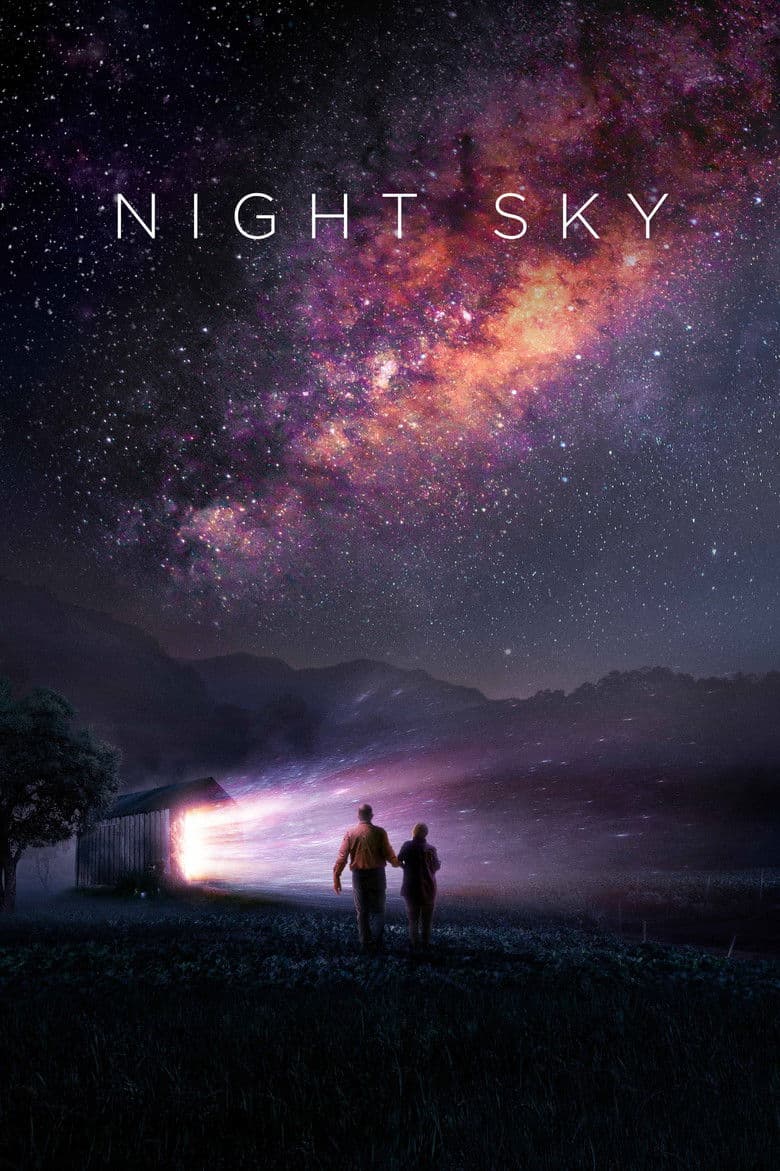
Irene and Franklin York, a retired couple, have a secret: a Chamber buried in their backyard that miraculously leads to a strange, deserted planet.
