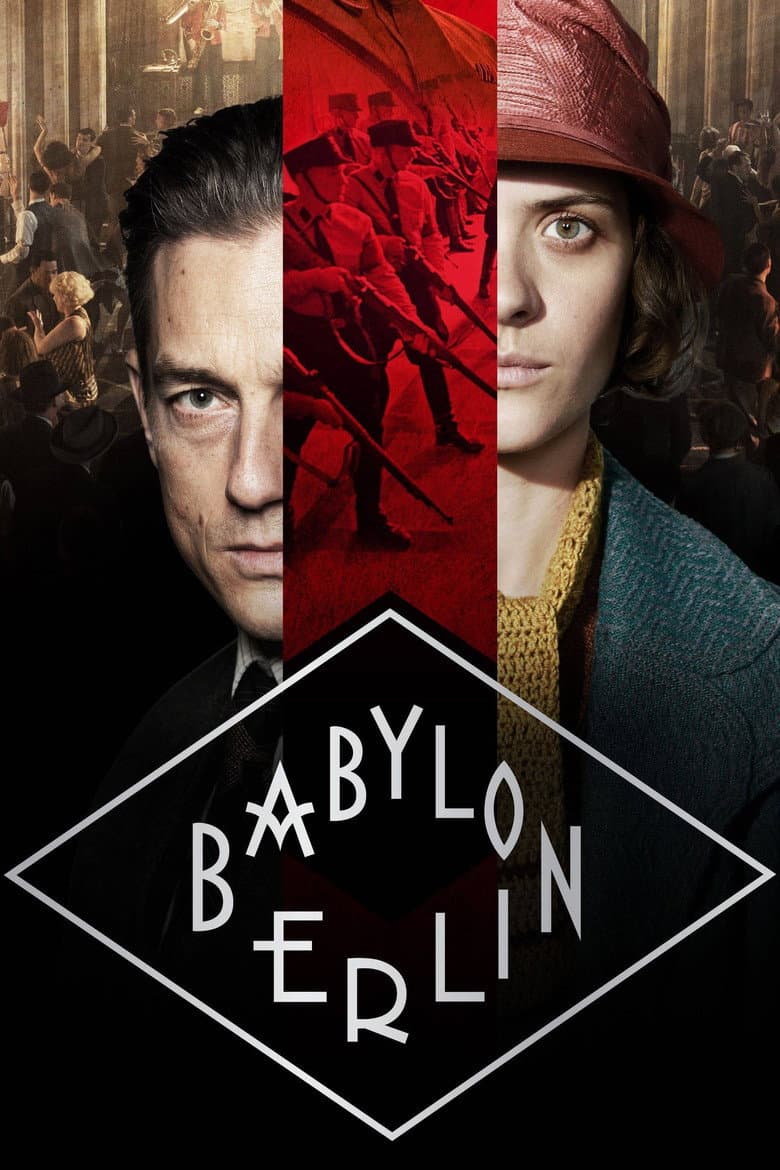
Started October 13, 2017 · Returning Series · Based on 4 seasons, 40 episodes through November 12, 2022 · TV-MA · German
In 1929, police detective Gereon Rath leaves Cologne for Berlin after the First World War has left him with shaking hands, guilt, and a drug habit. He is pulled into a case about secret weapons, stolen Russian gold, pornography, and political plots. Charlotte Ritter works as a poor police typist and cabaret sex worker while trying to become a homicide detective. Across four seasons, the pair face murder, gang wars, corrupt officials, and the rise of the Nazis as Berlin moves from loud nightlife to fear and poverty. The tone is stylish, tense, violent, and often tragic.
The show gives Charlotte a long story about a woman entering a male police world and proving her skill. It repeatedly shows women working, investigating, leading, and choosing sexual lives outside old rules. Queer life appears in drag cabaret, open gay characters, and male relationships, while the story treats this nightlife as part of Berlin’s freedom. The show also favors democracy and social freedom over Nazi, military, and rigid traditional power, but these ideas come through the period story rather than modern speeches.
Community feedback
Was our 57% Woke rating accurate?
Breakdown
These are the editorial factors and ratings behind our score for Babylon Berlin.
Woke representation / casting
Not present. The main cast shows a mostly German population that fits Berlin in 1929 to 1931, with period-appropriate Jewish, Russian, and other European roles. The show does not use a modern diversity-first cast pattern or present casting as an identity statement.
0%
Woke political dialogue
Charlotte says the police department does not want women and still argues for her place. A cabaret song calls for women to take men’s places in public power. The rest of the political talk mainly covers historical parties, class, democracy, war, and the Nazi rise, so the identity message is present but limited.
28%
Identity-driven story themes
Charlotte’s long arc centers on a poor woman pushing into police work in a male-run department. The show repeatedly presents women who work, investigate, lead, or choose sexual relationships outside old rules. Queer life appears in cabaret scenes and in Gräf’s relationship with Fred Jacoby. These themes recur across the series but share space with crime, war trauma, and political plots.
50%
Western institutional / cultural critique
The show repeatedly shows police shooting workers, military leaders plotting against civilian rule, and business figures backing anti-democratic plans. The story presents the loss of democracy and abuse of power as dangers to ordinary people. These ideas are tied to real Weimar events and do not become a broad modern attack on capitalism, Christianity, or family life. The criticism is therefore mild.
30%
Woke character or canon changes
The show changes Charlotte from the novels’ educated police worker into a poor typist and sex worker who fights for a detective role. The change makes her climb through a male-run department a major part of the series. The show also makes Gräf’s homosexuality open and gives him a male partner, while the novels handle his sexuality later and more harshly. These changes affect gender roles and sexuality in recurring character arcs.
55%
Anti-woke backlash and complaints
A 2020 Doorbraak opinion piece called the show propaganda and attacked its “woke clichés” and handling of history. Some online comments also use “too woke” as a complaint, but they give little detail. Mainstream coverage focused more on history, crime, and production quality. The backlash appears limited and fringe.
22%
Creator track record context
Tom Tykwer has a modest record of socially focused work and public statements. Volker Kutscher writes about authoritarian right-wing movements and criticizes right-populist politics. Achim von Borries has an anti-authoritarian historical focus but no strong DEI record. The other cached key creators have little documented activist history. The result is a mild liberal and anti-right context, not a strong activist profile.
24%
Production
TV Show · 2021
A detective in a small Pennsylvania town investigates a local murder while trying to keep her life from falling apart.
TV Show · 2020
Grace and Jonathan Fraser are living the only lives they ever wanted. Overnight a chasm opens in their lives: a violent death and a chain of terrible revelations.
TV Show · 2018
A troubled war veteran is assigned to protect a controversial politician who may be the target of a terror plot.
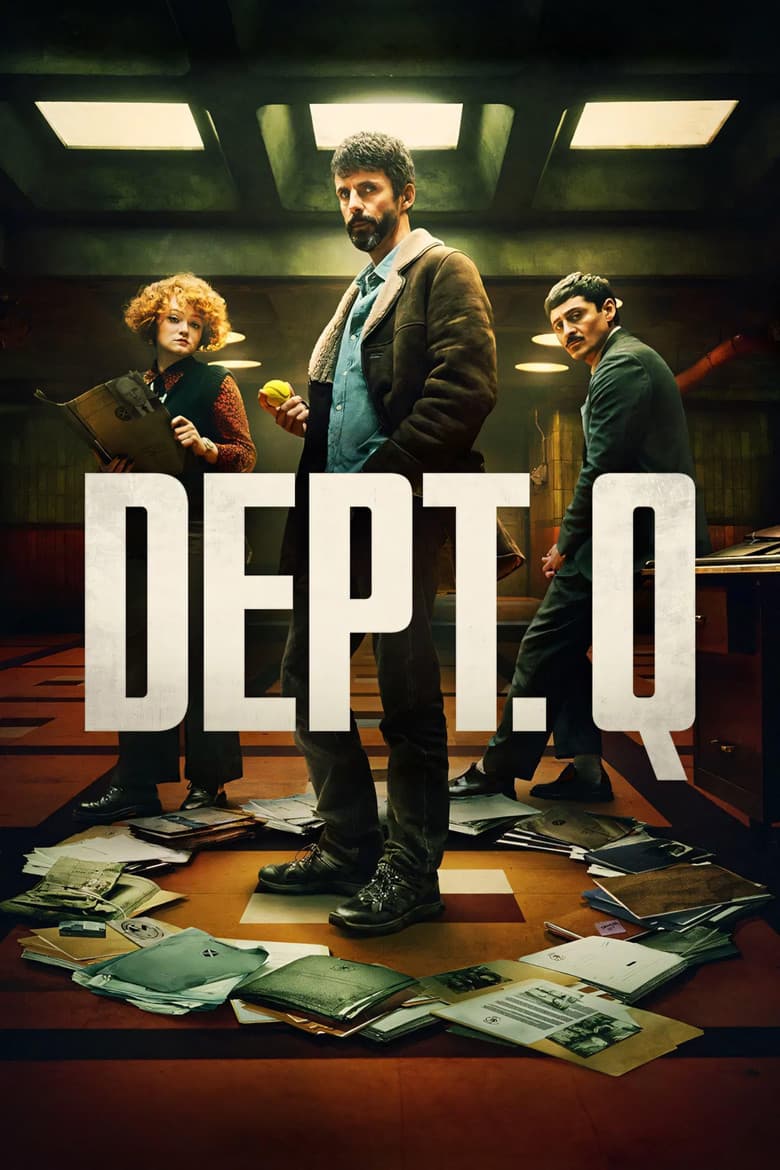
TV Show · 2025
A brash but brilliant cop becomes head of a new police department, where he leads an unlikely team of misfits in solving Edinburgh's cold cases.
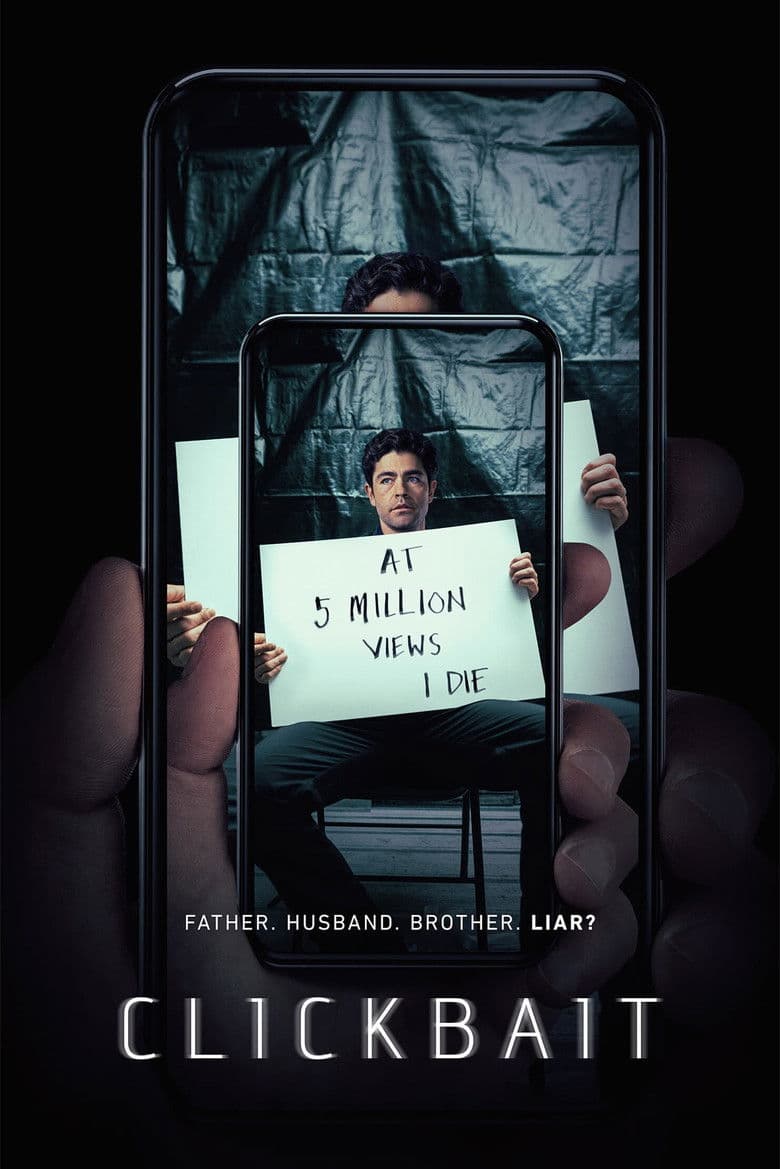
TV Show · 2021
When family man Nick Brewer is abducted in a crime with a sinister online twist, those closest to him race to uncover who is behind it and why.
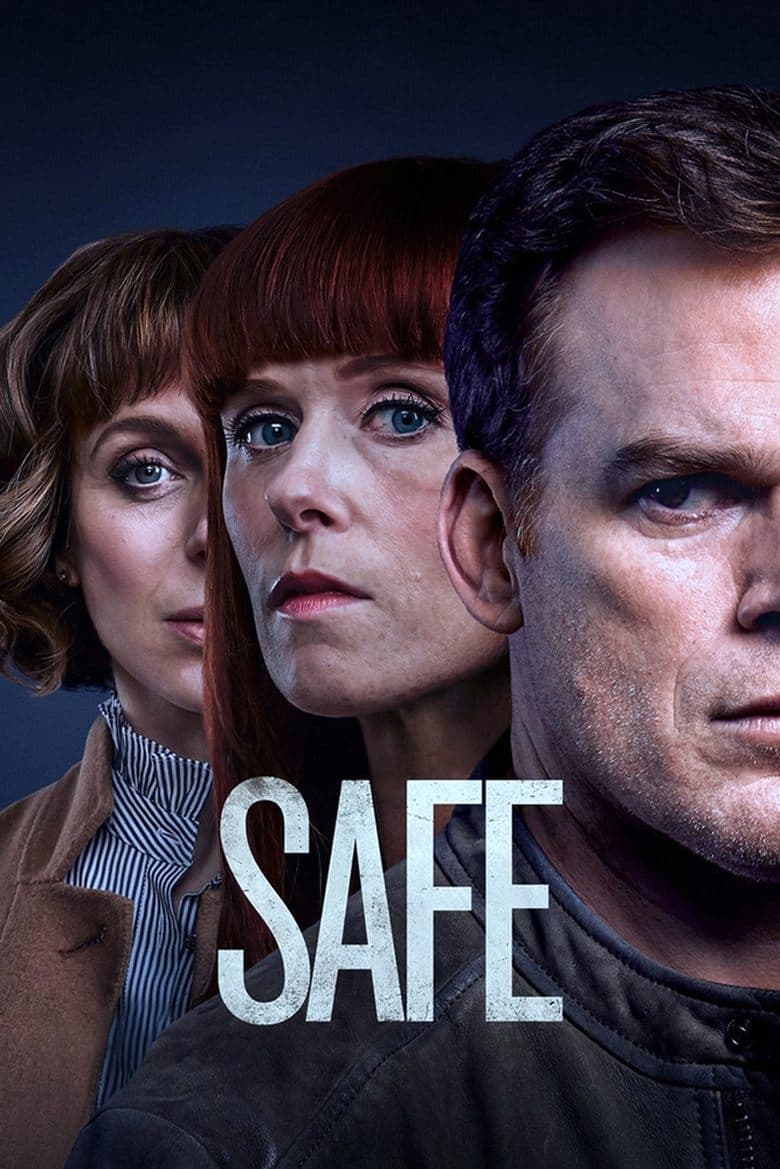
TV Show · 2018
After his daughter goes missing, a widower begins uncovering the dark secrets of the people closest to him.
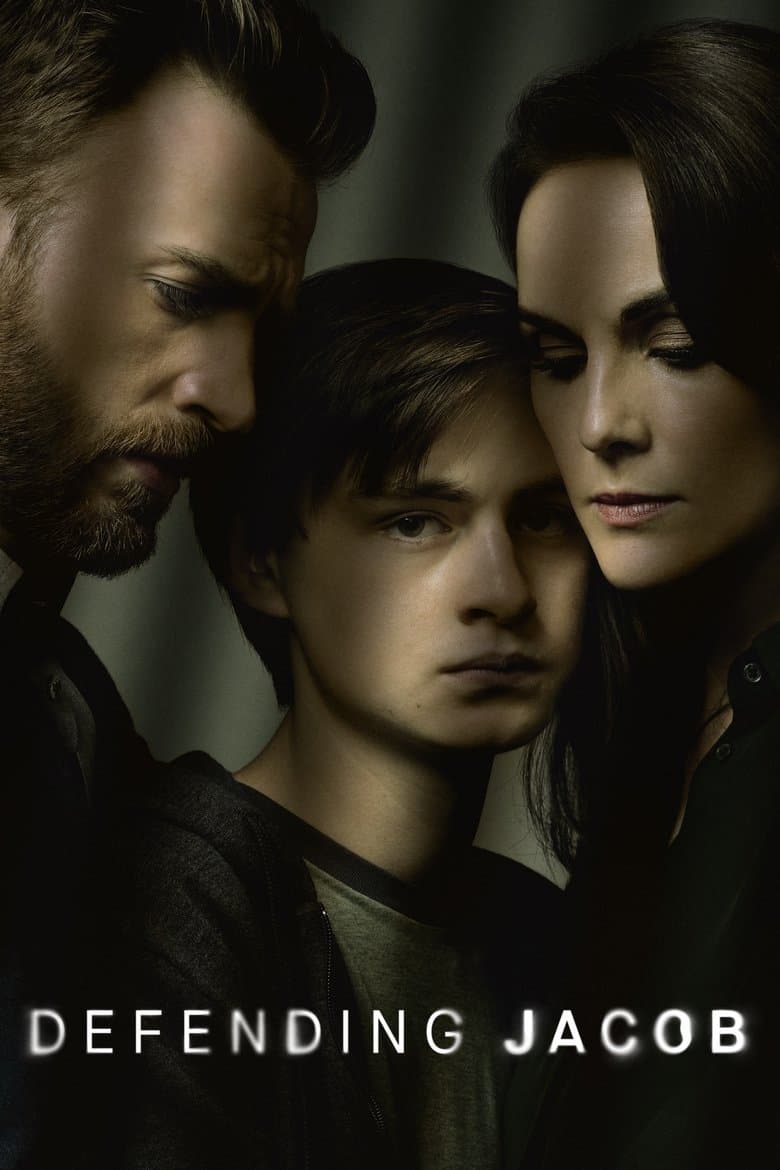
TV Show · 2020
A family's lives are irreparably disrupted when the 14-year-old son is accused of murdering a fellow classmate.
TV Show · 2022
A prisoner on death row in the US, a vicar in a quiet English town, and a maths teacher trapped in a cellar cross paths in the most unexpected way.
