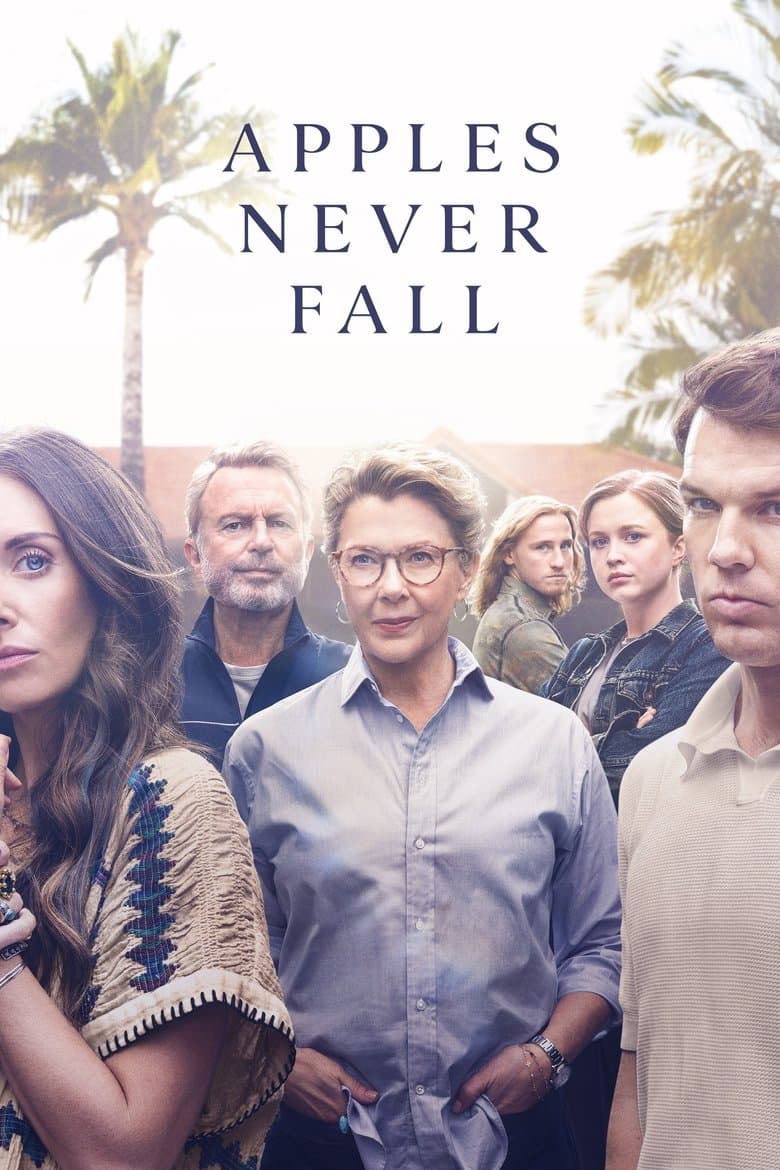
Started March 14, 2024 · Ended · Based on 1 season, 7 episodes through March 14, 2024 · TV-MA
Apples Never Fall is a seven-episode mystery drama set in West Palm Beach, Florida. Joy and Stan Delaney have sold their tennis school after years of running it and raising four adult children. Joy disappears after a troubled young woman named Savannah has stayed with the family, so the children begin to question their father and their parents’ marriage. The story moves between the present search and the past, and its tone is tense, sad, and focused on family secrets.
The show gives clear space to Brooke, a physical therapist who is engaged to a woman and later has an affair with Savannah. That relationship is most important in Brooke’s own episode, while the larger story stays focused on Joy’s loneliness, Stan’s temper, and the family’s habit of ignoring the mother who holds them together. The series often shows women carrying family work while a controlling man sets the rules, and it treats that pattern as harmful. One short scene also presents climate change as a serious threat during an environmental fundraiser, but the show does not turn the mystery into a political story.
Community feedback
Was our 47% Woke rating accurate?
Breakdown
These are the editorial factors and ratings behind our score for Apples Never Fall.
Woke representation / casting
The main Delaney family is mostly white and fits a modern Florida setting. Brooke is prominently engaged to a woman, and the show gives that relationship a full family subplot. The diverse detectives and side characters do not form a repeated one-of-each pattern.
24%
Woke political dialogue
A fundraiser speech calls climate change the challenge of our time and warns that Palm Beach may be underwater. The moment lasts for one event and does not shape the mystery or family conflict. The season has no repeated partisan or activist debate.
10%
Identity-driven story themes
Brooke’s engagement to Gina and her affair with Savannah make same-sex relationships part of a central family subplot. Brooke’s episode spends much of its time on that relationship, her doubts, and her choices. The season’s main themes remain family neglect, marriage, anger, and secrets, so the identity theme is important but not the main premise.
34%
Western institutional / cultural critique
The show repeatedly presents Stan’s temper, control, and pressure on his children as damaging. The story also centers Joy’s family work and her feeling that her children treat her as a helper instead of a person. Several episodes ask the family to notice how women are ignored, while the story treats father-led competition as harmful.
38%
Woke character or canon changes
The novel gives Brooke a husband named Grant, but the series makes her engaged to Gina. The series also gives Brooke an affair with Savannah, changing a straight relationship path into a same-sex one. This is a clear identity-driven adaptation choice, but it changes one character’s story rather than the whole family.
42%
Anti-woke backlash and complaints
Not present. Public discussion did not show a clear anti-woke complaint against the television series. The one diversity complaint found targeted the source novel, while viewers mainly discussed writing, twists, and book changes.
0%
Creator track record context
The cached notes give the showrunner and Moriarty low scores and show no strong activist record. Writer Gianna Sobol has queer short-film work, director Chris Sweeney hosts an LGBTQ podcast, and producer Annette Bening supports LGBTQ rights. Producer David Heyman has spoken about diversity in film training, while most other cached crew notes are low or neutral.
33%
Production
TV Show · 2022
When a man wakes up in the Australian outback with no memory, he must use the few clues he has to discover his identity before his past catches up with him.
TV Show · 2019
A Philadelphia couple are in mourning after an unspeakable tragedy creates a rift in their marriage and opens the door for a mysterious force to enter their home.
TV Show · 2026
A desperate father searching for his runaway daughter gets caught up in a murder case — and stumbles upon secrets which could destroy his family for good.
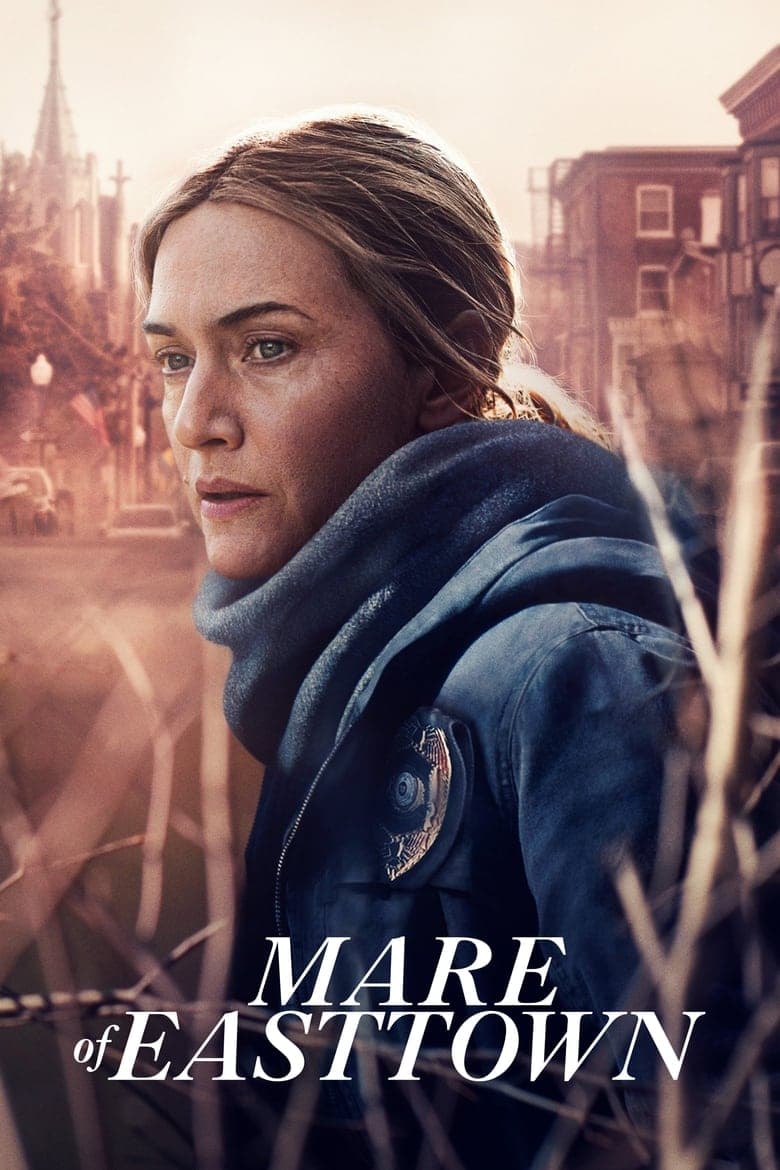
TV Show · 2021
A detective in a small Pennsylvania town investigates a local murder while trying to keep her life from falling apart.
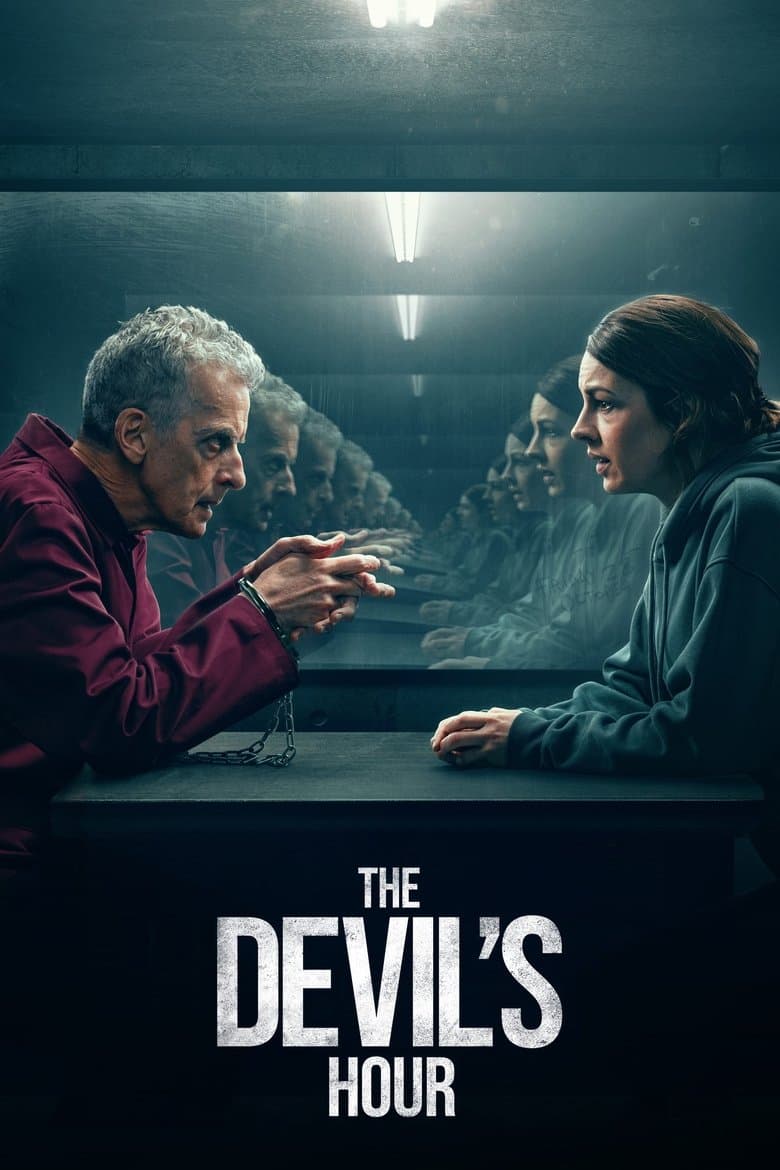
TV Show · 2022
Lucy wakes every night at exactly 3:33am. Nothing in her life has made sense for a long time. But the answers are out there, somewhere, at the end of a trail of brutal murders.
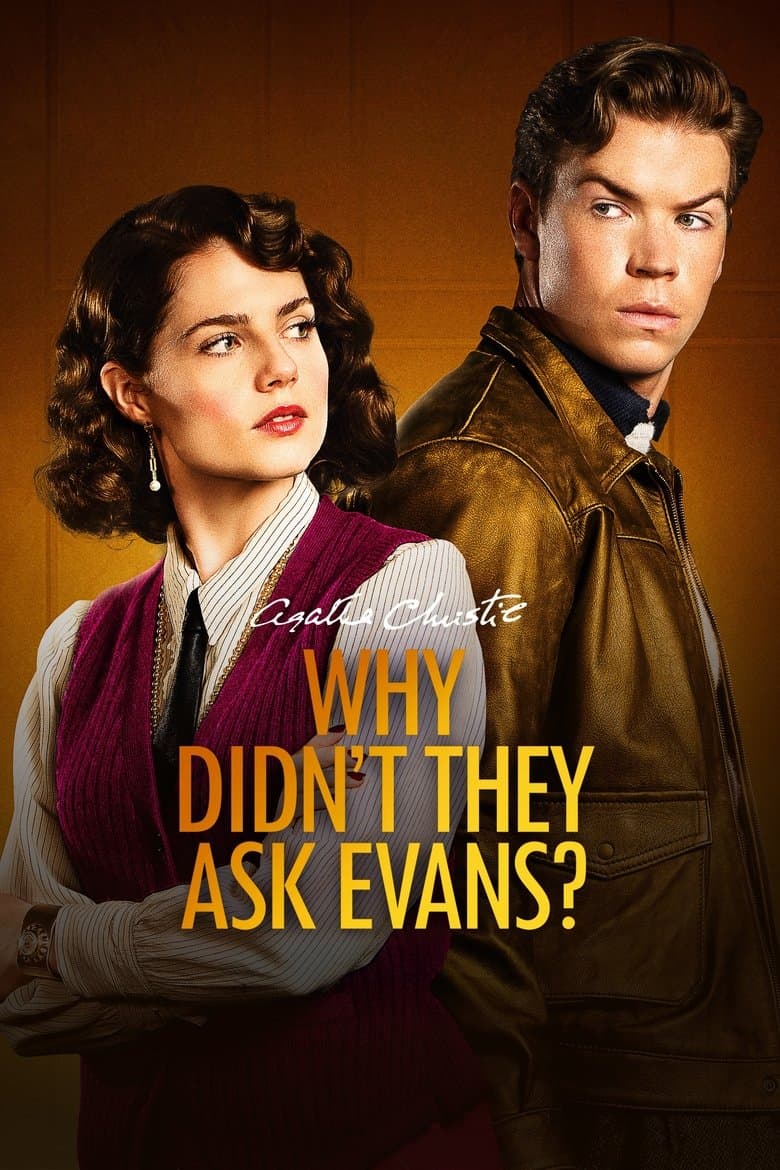
TV Show · 2022
A dying man's enigmatic last words send vicar's son, Bobby Jones, and his socialite friend, Lady Frankie Derwent, on a crime-solving adventure.
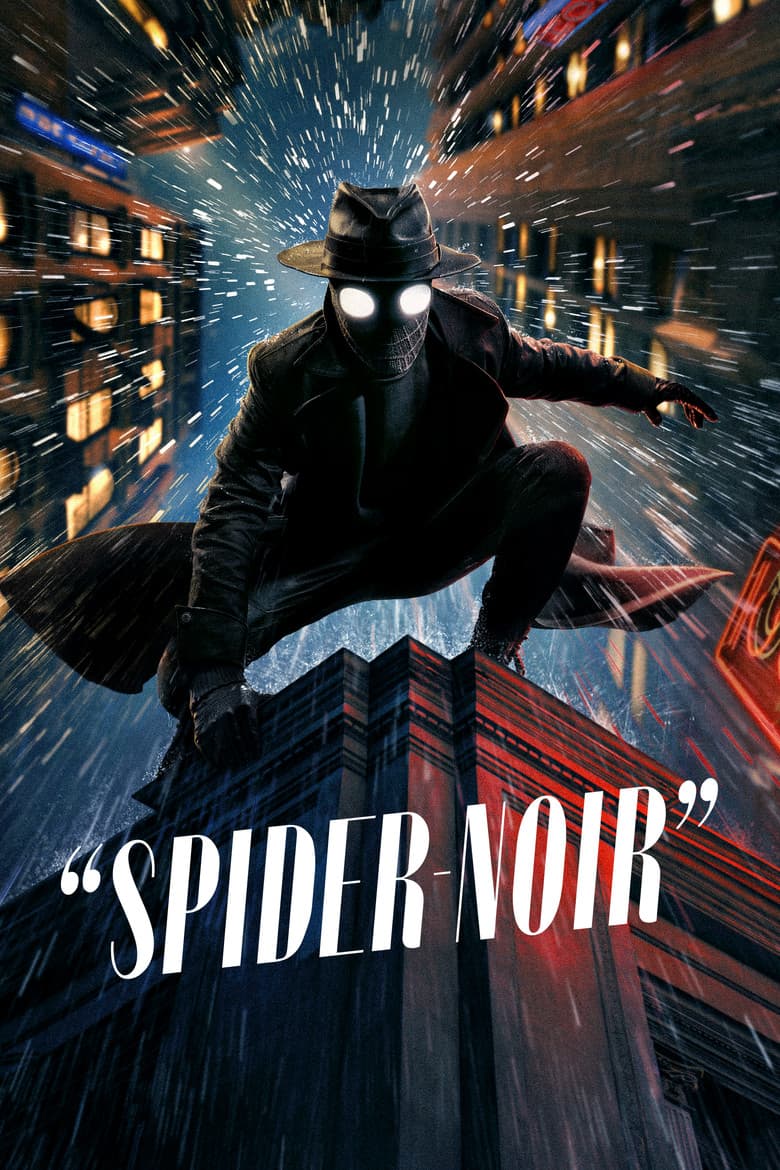
TV Show · 2026
Ben Reilly, an aging and down on his luck private investigator in 1930s New York, is forced to grapple with his past life as the city's one and only superhero.
TV Show · 2025
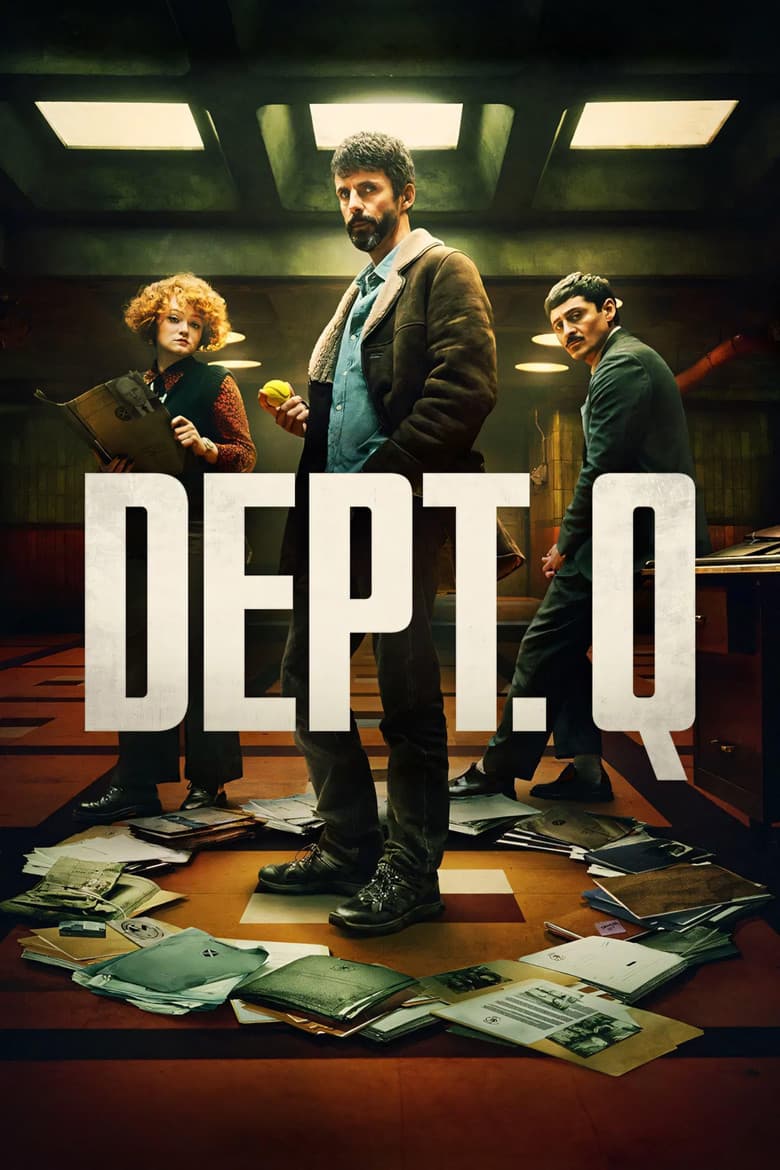
A brash but brilliant cop becomes head of a new police department, where he leads an unlikely team of misfits in solving Edinburgh's cold cases.
