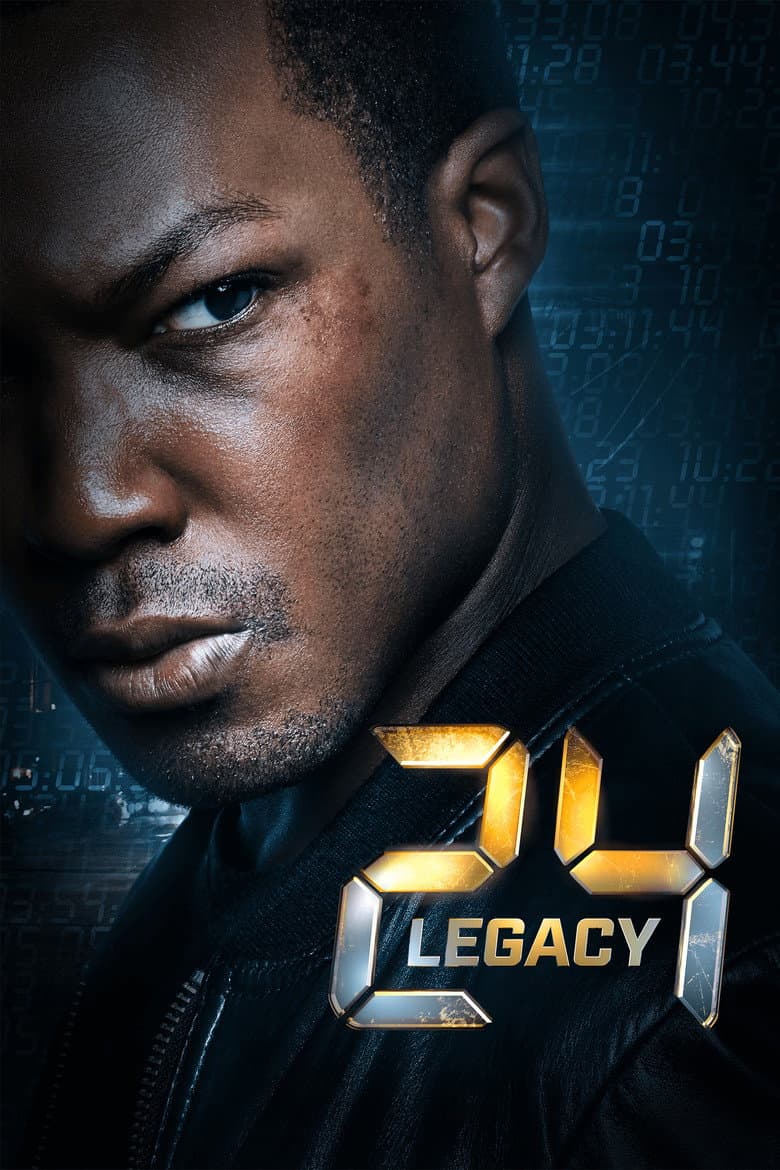
Started February 5, 2017 · Canceled · Based on 1 season, 12 episodes through April 17, 2017 · TV-14 · 42 min
Eric Carter is a former Army Ranger who returns to Washington, D.C., with his wife, Nicole, after a secret mission kills terrorist leader Ibrahim Bin-Khalid. Terrorists soon hunt the Rangers and their families because a stolen drive lists sleeper cells hidden in the United States. Eric joins forces with former CTU chief Rebecca Ingram while a presidential campaign, a gang feud, and a school terror plot pull the story in different directions. The season moves at a fast, violent pace and uses a ticking clock, torture, betrayals, and sudden reversals.
The show gives a black soldier the lead and places a black woman beside him as an active partner who fights, warns, and makes her own choices. It also gives a woman the former CTU chief role, a half-Latino candidate a serious run for president, and a gay CTU analyst a continuing work and relationship story. Several episodes question racial profiling, the treatment of Muslims, secret government violence, and the use of a child to pressure terrorists. These ideas sit inside the action plot, but they return often enough to make identity and institutional trust visible parts of the season.
Community feedback
Was our 46% Woke rating accurate?
Breakdown
These are the editorial factors and ratings behind our score for 24: Legacy.
Woke representation / casting
The show puts a Black Army Ranger at the center and gives him a black wife and Black brother in major roles. It also gives a woman the former CTU chief job, a half-Latino man a serious presidential campaign, and a gay man a regular CTU job. Interviews and promotion openly stressed the importance of a hero of color and a cast that looks like America today. The modern Washington setting makes the mix possible, but the repeated identity focus is easy to notice.
44%
Woke political dialogue
Characters directly discuss whether Islam is a religion of peace and whether a Muslim campaign aide is being framed because of her faith. Characters also debate secret government killings, torture, black sites, and the moral cost of using a child as leverage. These talks appear in several plot lines, but they are tied to the terror investigation and presidential story. The season presents different sides instead of turning the action into a long activist speech.
27%
Identity-driven story themes
The story uses Eric's race when he relies on white police reacting to a black man with a gun. The story follows a gay CTU analyst whose former partner fears losing a promotion if their relationship becomes known. The season gives Muslim characters different roles, including an innocent aide who defends Islam and young people pulled into terrorism. These identity threads recur across the season, but the main story remains a violent race to stop an attack.
38%
Western institutional / cultural critique
The story briefly treats racial profiling of a black veteran and unlawful government actions as serious wrongs. Those moments are visible, but they mainly help Eric's plan or the terror plot. The season does not build a wider attack on Christianity, family life, or ordinary Western culture.
17%
Woke character or canon changes
Not relevant. The show adds new characters instead of changing Jack Bauer or another established character. Its new black lead and new supporting cast are part of a spin-off story, not a changed version of an old character.
0%
Anti-woke backlash and complaints
A Townhall column accused the show of fake diversity and a left-wing agenda, and it objected to the black hero and identity-focused casting. A few X posts made similar complaints about diversity and the choice of a black lead. The complaints had small reach and no sustained boycott or review-bombing campaign. The backlash is real but fringe.
18%
Creator track record context
Manny Coto and Evan Katz have low recorded scores and a mainstream action-thriller record. Howard Gordon has a moderate score and usually writes about terrorism, power, and American policy rather than identity politics. Leigh Dana Jackson has a higher score for racial equity and representation work, while Zakiyyah Alexander has a moderate score for race and immigrant identity. The mixed record gives the show some context, but it does not point to a strongly activist creative team.
29%
Production

TV Show · 2021
Facing an existential threat that could bring down the Crime Lab, a brilliant team of forensic investigators must welcome back old friends and deploy new techniques to preserve…
TV Show · 2022
A prisoner on death row in the US, a vicar in a quiet English town, and a maths teacher trapped in a cellar cross paths in the most unexpected way.
TV Show · 2018
A troubled war veteran is assigned to protect a controversial politician who may be the target of a terror plot.
TV Show · 2021
A detective in a small Pennsylvania town investigates a local murder while trying to keep her life from falling apart.
TV Show · 2020
Grace and Jonathan Fraser are living the only lives they ever wanted. Overnight a chasm opens in their lives: a violent death and a chain of terrible revelations.

TV Show · 2024
A rising politician and his mute wife's tense marriage begins to unravel after a call from a kidnapper turns their lives upside down.

TV Show · 2024
A young boy growing up in the suburbs of 1980s Brisbane faces the harsh realities of life — and the looming dangers that threaten his family.
TV Show · 2018
After his daughter goes missing, a widower begins uncovering the dark secrets of the people closest to him.
