Movie review
February 11, 2016 · 109 min · PG · Kids · Animation · Comedy · Adventure · Family
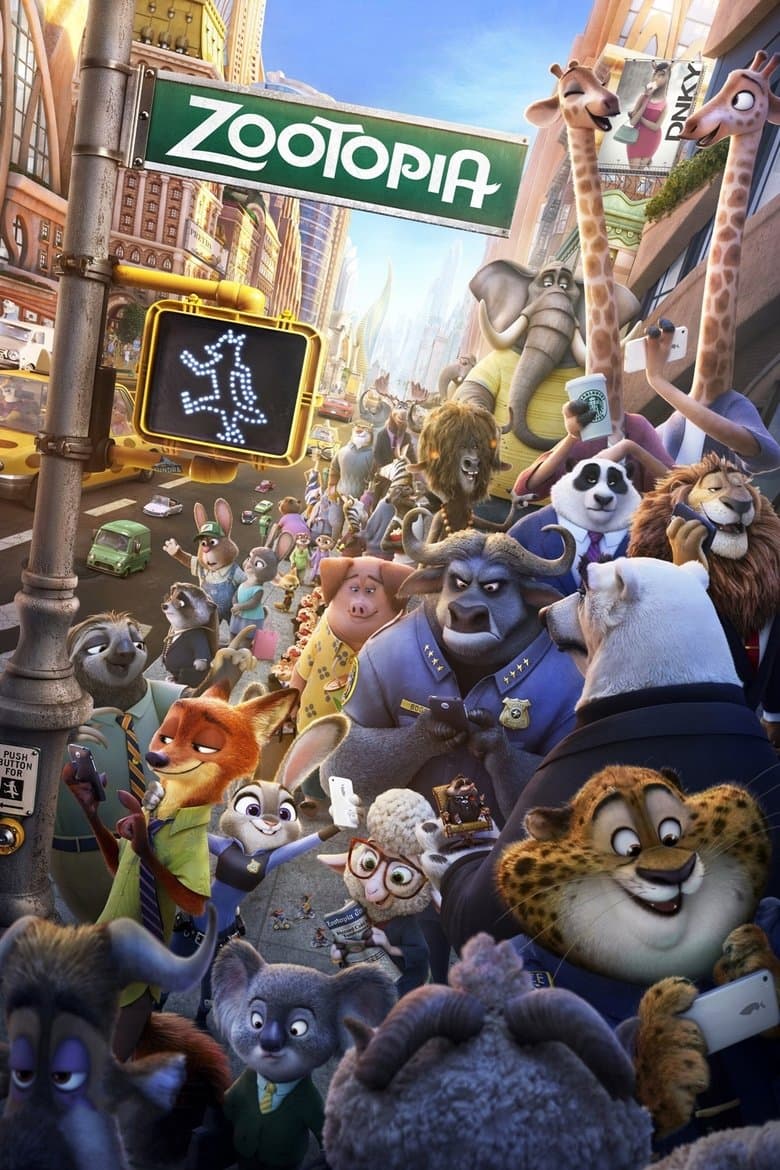
Zootopia is an animated adventure film set in a modern animal city where prey and predator mammals live together in harmony. The story follows Judy Hopps, a determined rabbit who becomes the first bunny cop, and Nick Wilde, a cynical con-artist fox. Together, they must solve a mysterious case of missing predator animals who are suddenly turning wild and aggressive. Set in a colorful, high-tech animal metropolis, the movie has a lighthearted and comedic buddy-cop tone. Viewers will clearly notice strong social-justice themes, as the plot is a direct allegory for real-world systemic prejudice and racial profiling. The film features ideas like privilege, microaggressions, and the policing of language, such as when Judy says only bunnies can call each other "cute". It also critiques political fearmongering, showing how a villain uses systemic bias to turn the public against a minority predator group.
Community feedback
Was our 71% Woke rating accurate?
Breakdown
These are the editorial factors and ratings behind our score for Zootopia.
Woke representation / casting
Judy Hopps serves as a strong female-empowerment lead who overcomes institutional barriers and a skeptical, male-dominated police force to prove her superior competence. The film also features a confirmed gay married couple, Bucky and Pronk, who live next door as bickering neighbors. This background representation adds to the movie's focus on modern diversity.
48%
Woke political dialogue
The dialogue contains noticeable activist-style language and direct references to modern social-justice ideas. The movie explicitly addresses microaggressions, such as when Judy tells a colleague that only other bunnies can call each other cute, which mirrors real-world discussions about language policing. Characters also debate biological differences versus systemic bias.
55%
Identity-driven story themes
The core plot is a clear allegory for real-world systemic prejudice and racial profiling. The entire narrative revolves around the conflict between predator and prey, serving as a direct metaphor for majority and minority groups. The story explores how stereotypes are learned, how systemic bias impacts marginalized groups, and how institutions enforce prejudice.
62%
Western institutional / cultural critique
The movie presents a critique of institutional systems, showing the police force as initially biased, dismissive of small animals, and prone to profiling. It also targets political leadership by showing how those in power use systemic fear and division to manipulate the public and maintain control over minority groups.
45%
Woke character or canon changes
Not present in this title.
0%
Anti-woke backlash and complaints
Conservative viewers and anti-woke commentators complained that the film is overly preachy and serves as a heavy-handed progressive lecture. Critics of the movie argue that the predator-prey dynamic is used to push modern identity politics and privilege-checking narratives, making the family film feel like a corporate diversity seminar.
38%
Creator track record context
The creative team has a moderate collective track record when it comes to social themes. Some key figures, like director Byron Howard and producer Bradford Simonsen, have high scores due to their active involvement in diverse representation and queer-inclusive projects. Other writers and producers have focused strictly on traditional family animation.
35%
Production
Movie · 2016
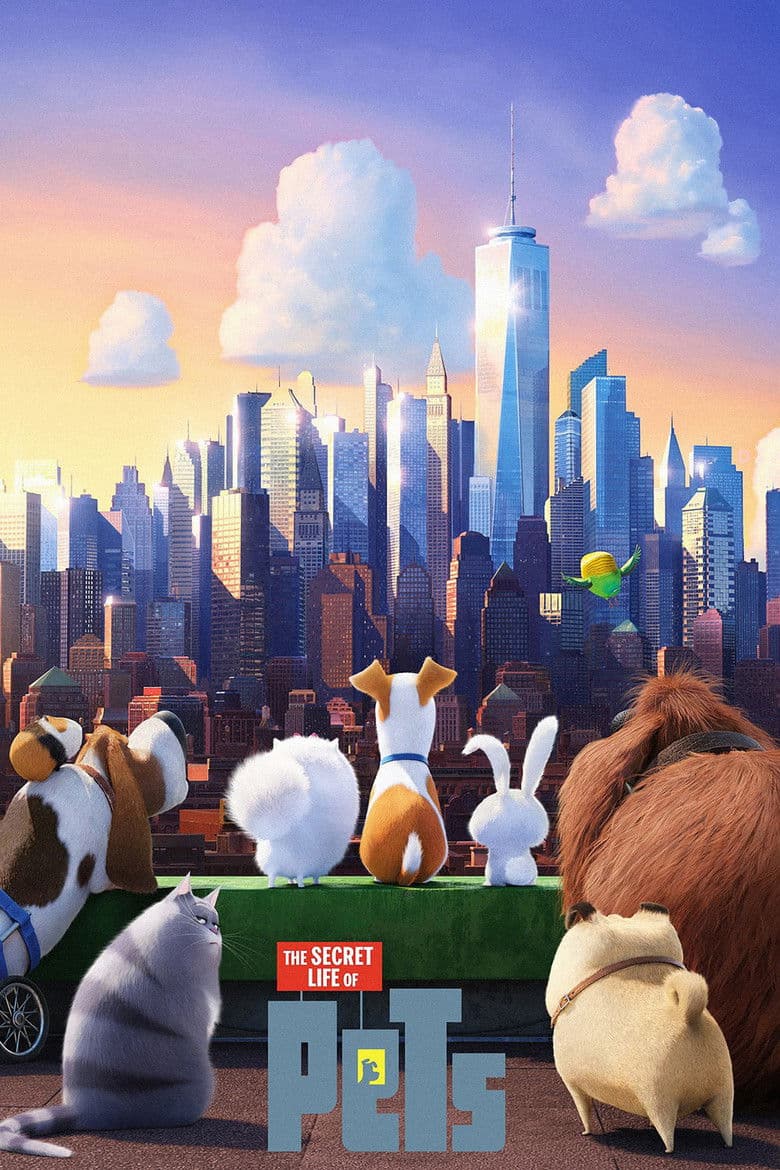
The quiet life of a terrier named Max is upended when his owner takes in Duke, a stray whom Max instantly dislikes.
Movie · 2024
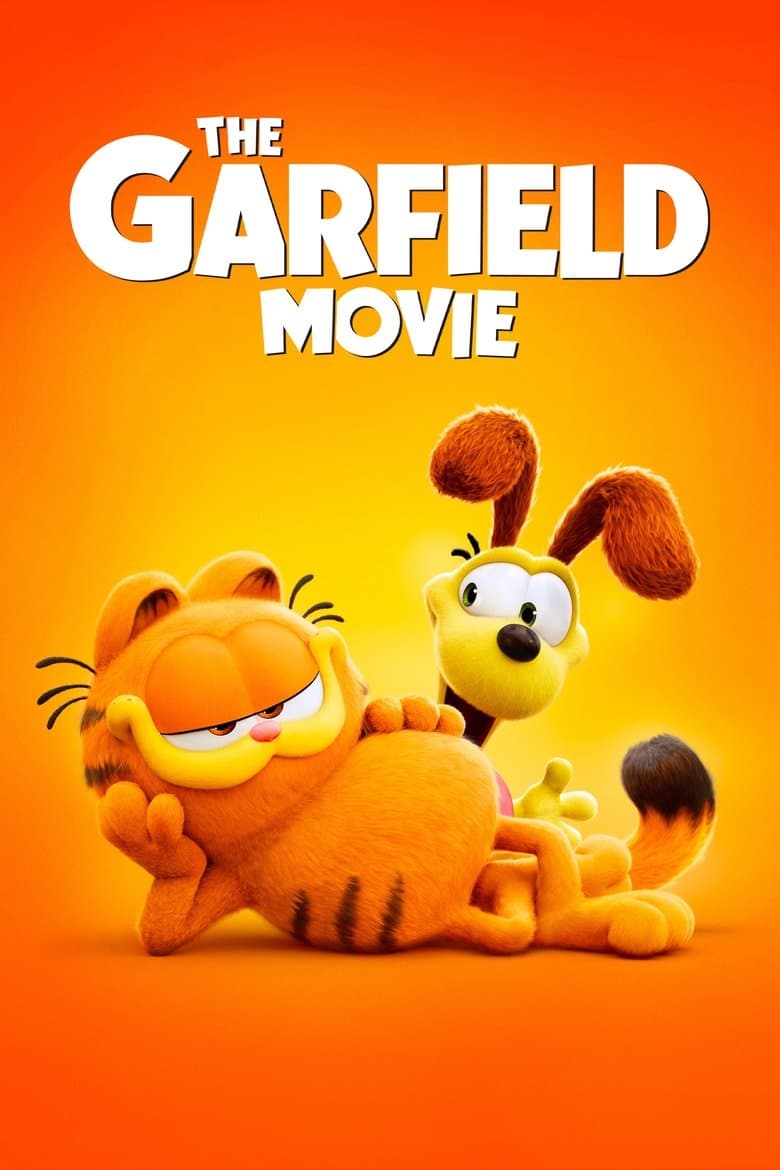
Garfield, the world-famous, Monday-hating, lasagna-loving indoor cat, is about to have a wild outdoor adventure!
Movie · 2022
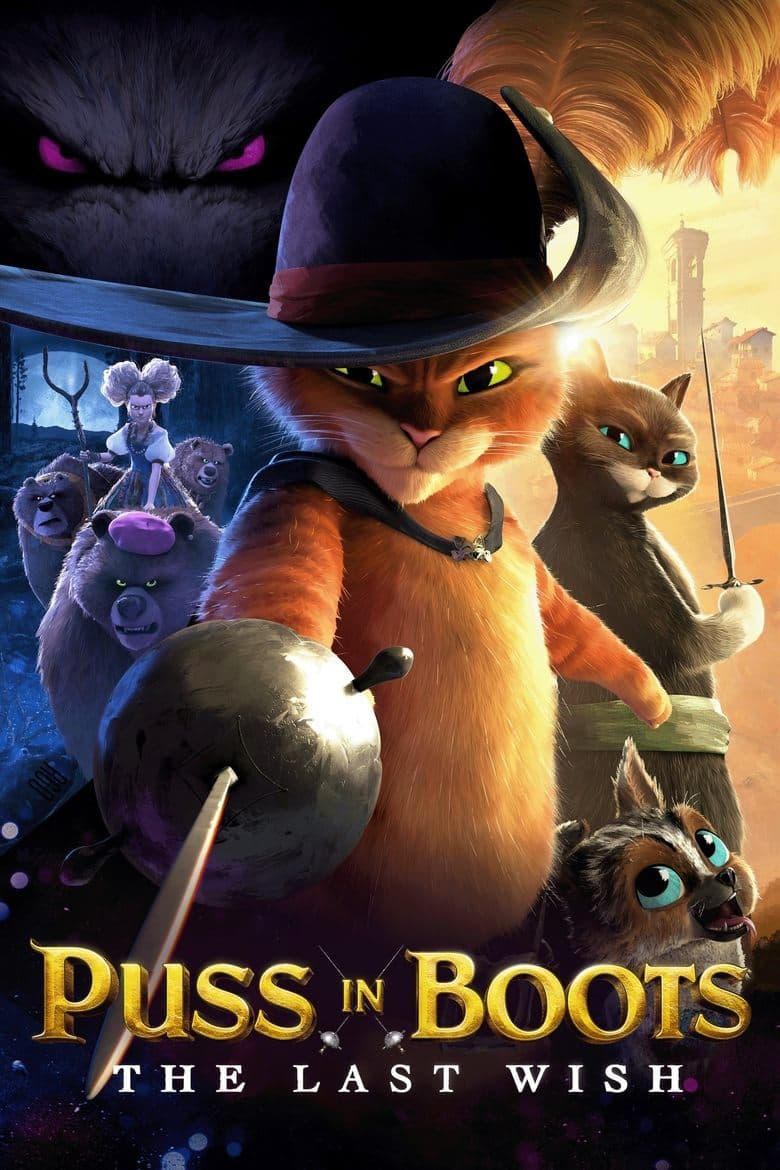
Puss in Boots discovers that his passion for adventure has taken its toll: He has burned through eight of his nine lives, leaving him with only one life left.
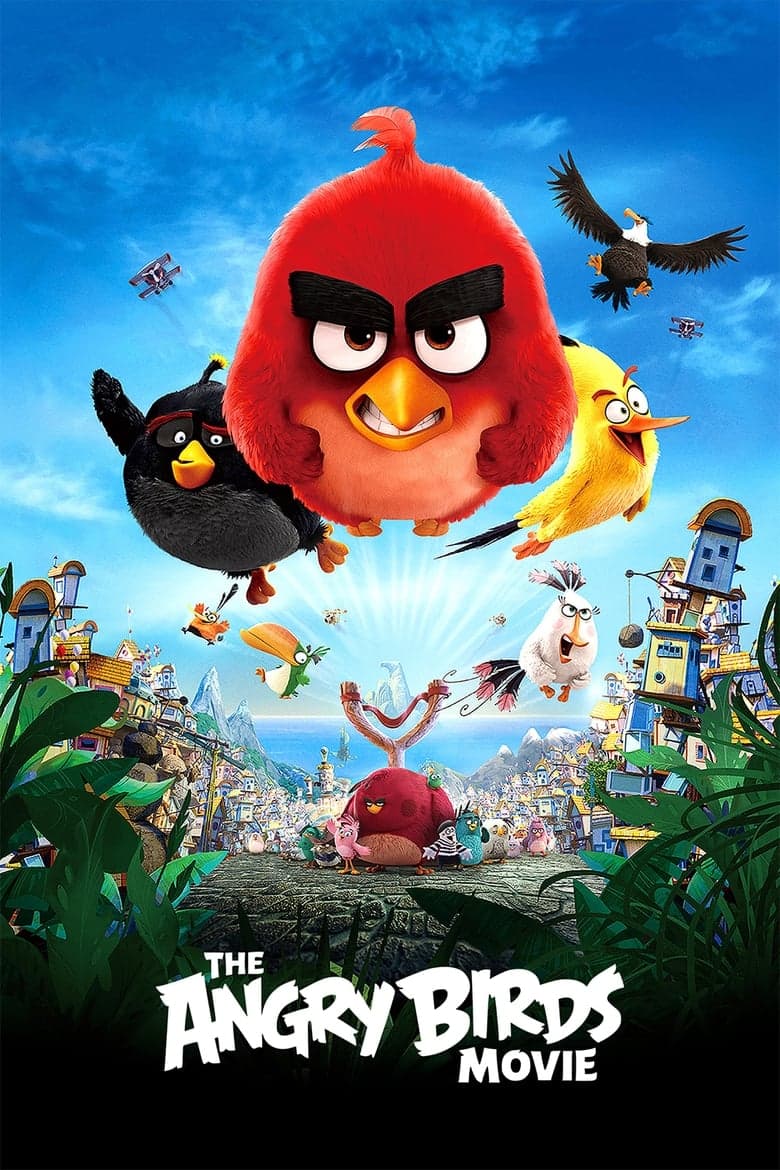
Movie · 2016
An island populated entirely by happy, flightless birds or almost entirely. In this paradise, Red, a bird with a temper problem, speedy Chuck, and the volatile Bomb have always…
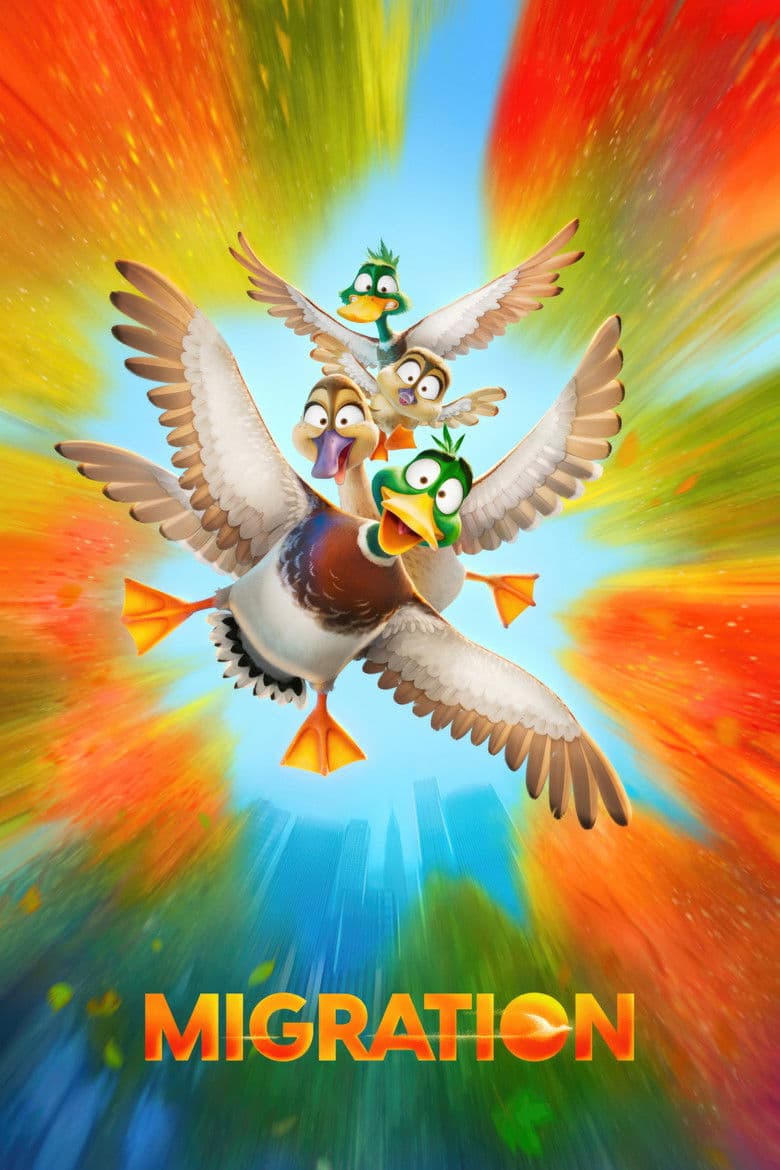
Movie · 2023
After a migrating duck family alights on their pond with thrilling tales of far-flung places, the Mallard family embarks on a family road trip, from New England, to New York City…
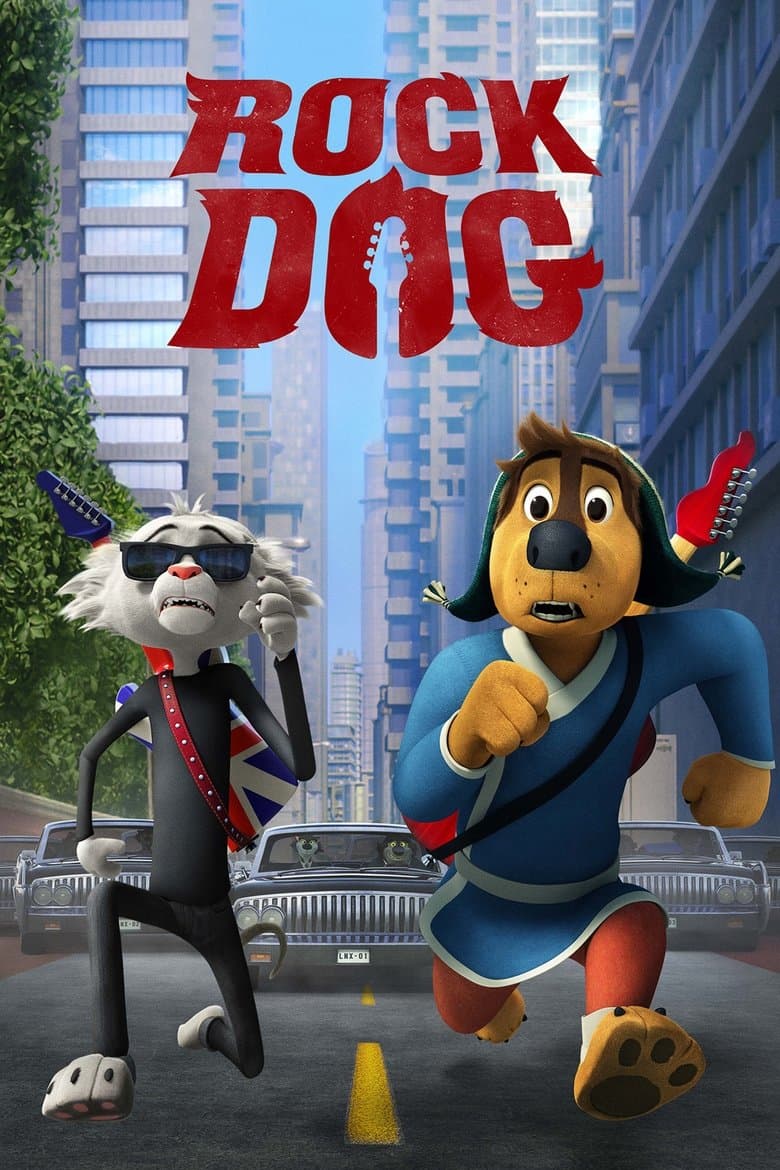
Movie · 2016
When a radio falls from the sky into the hands of a wide-eyed Tibetan Mastiff, he leaves home to fulfill his dream of becoming a musician, setting into motion a series of…
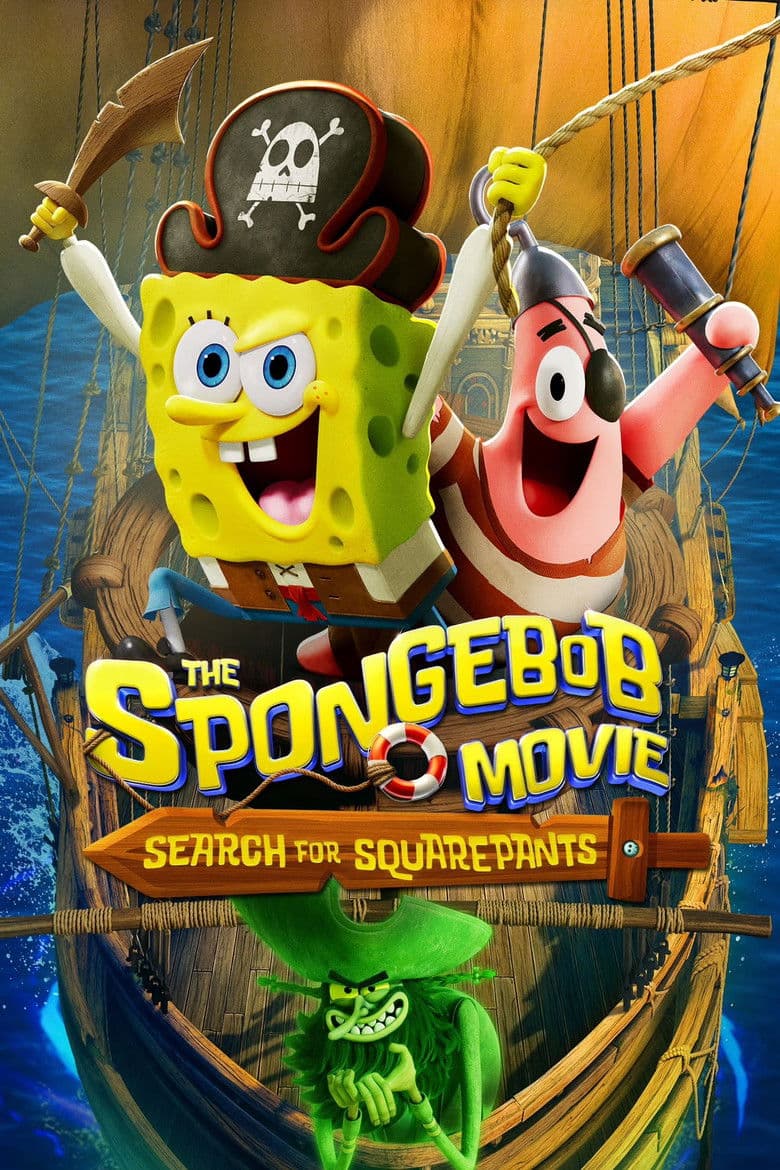
Movie · 2025
Desperate to be a big guy, SpongeBob sets out to prove his bravery to Mr. Krabs by following The Flying Dutchman – a mysterious swashbuckling ghost pirate – on a seafaring…
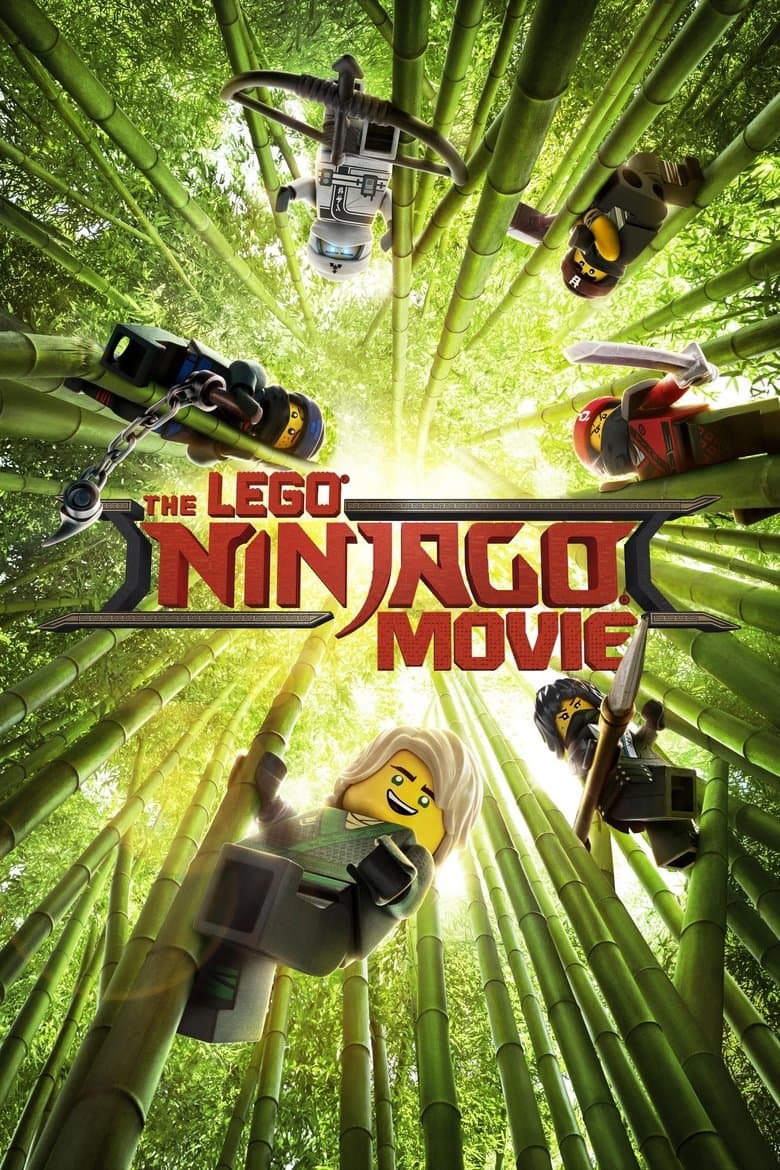
Movie · 2017
Six young ninjas are tasked with defending their island home of Ninjago. By night, they’re gifted warriors using their skill and awesome fleet of vehicles to fight villains and…
