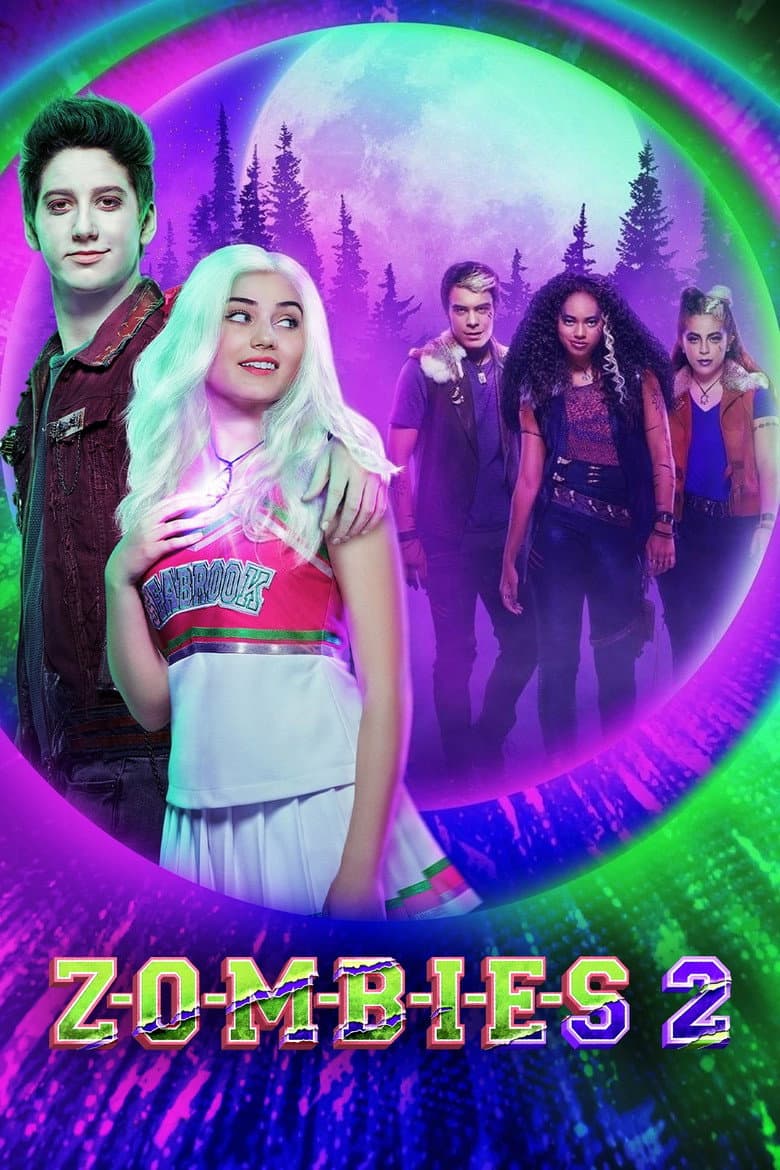
Zed, a teenage zombie, wants to take Addison, his human girlfriend, to the school dance called Prawn. Their town of Seabrook is trying to live peacefully after humans and zombies made peace. A pack of werewolves enters town to find a magic moonstone that keeps their group alive. Fear brings back anti-monster laws, while Zed and Addison face jealousy, danger, and a new fight over who belongs. The movie is a bright, song-filled fantasy romance with jokes, dancing, and a gentle adventure.
The film makes acceptance of outsiders its main message. Zed first judges the werewolves even though he once suffered unfair treatment from humans, and Addison keeps trying to welcome them. The story treats different groups as identities that should be respected, and it presents old rules that exclude monsters as wrong. It also says that people should keep their own ways instead of changing to fit a social norm. These ideas drive the laws, school election, romance trouble, and final team-up, so viewers will notice them throughout the movie.
Community feedback
Was our 71% Woke rating accurate?
Breakdown
These are the editorial factors and ratings behind our score for Z-O-M-B-I-E-S 2.
Woke representation / casting
The film gives prominent roles to black girls such as Willa, the werewolf pack leader, and Eliza, a zombie friend who pushes for equality. The leading cast is also visibly mixed across several racial backgrounds. These choices fit a present-day American high school, so they are not a clear story mismatch. No title-specific casting statement frames the mix as a diversity campaign.
22%
Woke political dialogue
The film repeatedly uses short speeches and songs about equality, diversity, belonging, and changing unfair laws. Zed runs for student president to open the school dance to zombies and other monsters. Characters call for protest, boycott, and a hunger strike when the rules return. The message stays tied to the fantasy conflict, but it returns during the election, the dance dispute, and the ending.
48%
Identity-driven story themes
The central conflict treats zombies and werewolves as outsider groups who face fear, labels, and rules that limit them. Zed becomes prejudiced against the werewolves after humans once treated him unfairly, and he must learn to stop repeating that pattern. Addison searches for where she belongs and is praised for helping newcomers keep their own identity. The ending says that different groups should join together without giving up their customs. Acceptance, anti-stereotyping, and belonging shape the main plot.
68%
Western institutional / cultural critique
Seabrook’s city council brings back anti-monster laws after one frightening sighting. The rules keep zombies out of the school dance and treat the werewolves as a public threat. The story calls those rules unfair and lets young characters challenge the adults who made them. The school election and final dance turn that challenge into a continuing fight over who gets full access to the community. The critique targets fictional exclusion rules, not Christianity, family life, capitalism, or a real Western institution.
43%
Woke character or canon changes
Not relevant. The sequel adds a new werewolf group, but it does not change an established character or real historical event to make an identity point.
0%
Anti-woke backlash and complaints
One IMDb user review complained that the werewolf casting was an inclusivity choice and said Disney’s liberal message hurt the story. Another user called the diversity and social-justice allegory heavy-handed. These are isolated audience comments, not a large campaign or news controversy. The supplied X search found no anti-woke reaction, boycott talk, or major account pile-on.
15%
Creator track record context
Paul Hoen has the strongest track record, with inclusive youth stories such as Andi Mack and the wider Z-O-M-B-I-E-S franchise. Joseph Raso has similar but milder context through Seed and Sneakerella. David Light has progressive community ties and public comments about inclusion and compassion. Amber Horn and Danielle Aufiero have records of inclusive casting work. Mary Pantelidis has no similar activist pattern in the supplied context.
64%
Production
Movie · 2019
A young woman who has faded to the point of becoming invisible must find her way back with the help of the one man who can see her.
Movie · 2024
Maddie's dream guy is days away from marrying her best friend when a wish for true love made on an ancient stone in Ireland magically alters her fate.
Movie · 2018
Ram is a photographer and nature lover who travels all around India capturing moments. On a chance visit to his hometown Tanjavur, he goes into his school and begins to walk down…
Movie · 2019
Kat is an aspiring singer-songwriter who dreams of making it big. However, her dreams are stalled by her reality: a conniving and cruel stepfamily and a demoralizing job working…
Movie · 2020
A peculiar girl transforms into a cat to catch her crush's attention. But before she realizes it, the line between human and animal starts to blur.
Movie · 2016
12-year-old Conor encounters an ancient tree monster who proceeds to help him cope with his mother's terminal illness and being bullied in school.
Movie · 2026
After Matt's dreams of a picturesque Italian wedding are shattered when his fiancée leaves him at the altar, he embarks on his planned honeymoon across Italy alone, immersing…
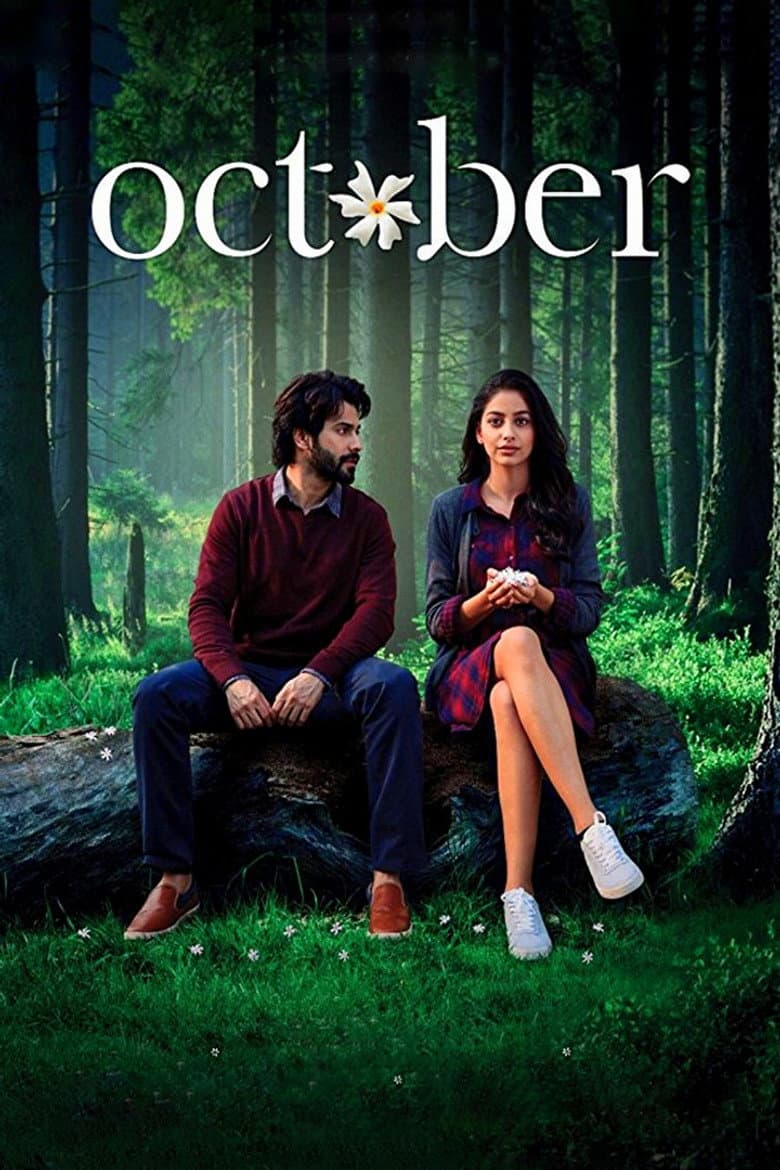
Movie · 2018
Dan, a 21-year-old carefree boy is always surrounded by a bunch of friends and fellow hotel interns who feed off each other's everyday moments, their ups and downs.
