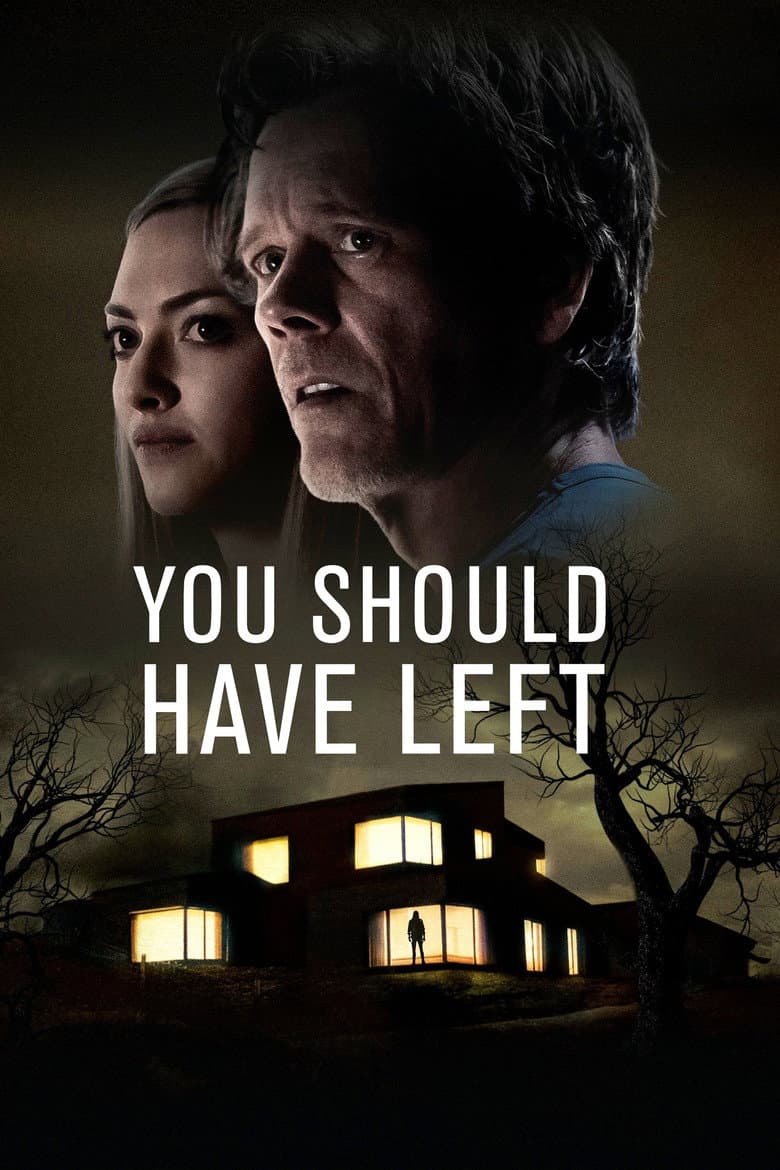
Theo Conroy is a rich retired banker who travels to Wales with his much younger wife, Susanna, and their young daughter, Ella. Their marriage is already breaking under Theo's jealousy, Susanna's affair, and the shadow of his first wife's death. The family rents a clean modern house in the lonely countryside, but its rooms bend space and time. The movie builds a slow and tense mood with dark dreams, shifting halls, and sudden scares as Theo loses control.
Theo's fear of losing Susanna makes him watch her closely, insult her, and decide where she may go after he learns about the affair. Susanna pushes back against him, but the story stays with Theo and his effort to protect Ella. The house forces Theo to admit that he watched his first wife drown even though he could have saved her. The main themes are guilt, honest confession, family harm, and the price of refusing to leave a hateful marriage.
Community feedback
Was our 19% Woke rating accurate?
Breakdown
These are the editorial factors and ratings behind our score for You Should Have Left.
Woke representation / casting
Not present. The small cast centers on a white straight American family and a few Welsh locals. The film does not build an identity-based cast pattern.
0%
Woke political dialogue
Not present. The characters do not discuss elections, parties, public policy, social causes, or activist ideas. Their talk is about marriage, guilt, fear, and the house.
0%
Identity-driven story themes
Not present. The story follows a straight marriage and one man's guilt. The film does not turn Theo's crimes into a claim about men as a group. It has no race, gender identity, or queer plotline.
0%
Western institutional / cultural critique
Theo's jealousy and need for control run through much of the marriage story. Theo insults Susanna, orders her out, and refuses to let her take Ella after her affair is exposed. The film also mocks his age and his fear that a younger man can replace him. The ending punishes him for letting his first wife die, but it treats this as his own guilt rather than a wider attack on men or marriage.
31%
Woke character or canon changes
Not relevant. The film changes the book's husband from a writer to a banker and adds the death of a first wife. Those changes build guilt and suspense rather than an identity-driven message.
0%
Anti-woke backlash and complaints
Not present. Mainstream reviews and sampled audience posts complain about slow pacing, familiar scares, the ending, and the age gap. They do not accuse the film of pushing woke, DEI, or identity politics.
0%
Creator track record context
David Koepp's cached score is 11, and Daniel Kehlmann's is 20. Jason Blum's cached score is 28, while the other named creators range from 0 to 24. Their records show mild political signals at most. No strong group pattern points to identity-first work.
16%
Production

Movie · 2019
When a huge hurricane hits her hometown in Florida, Haley ignores evacuation orders to look for her father. After finding him badly wounded, both are trapped by the flood.
Movie · 2026
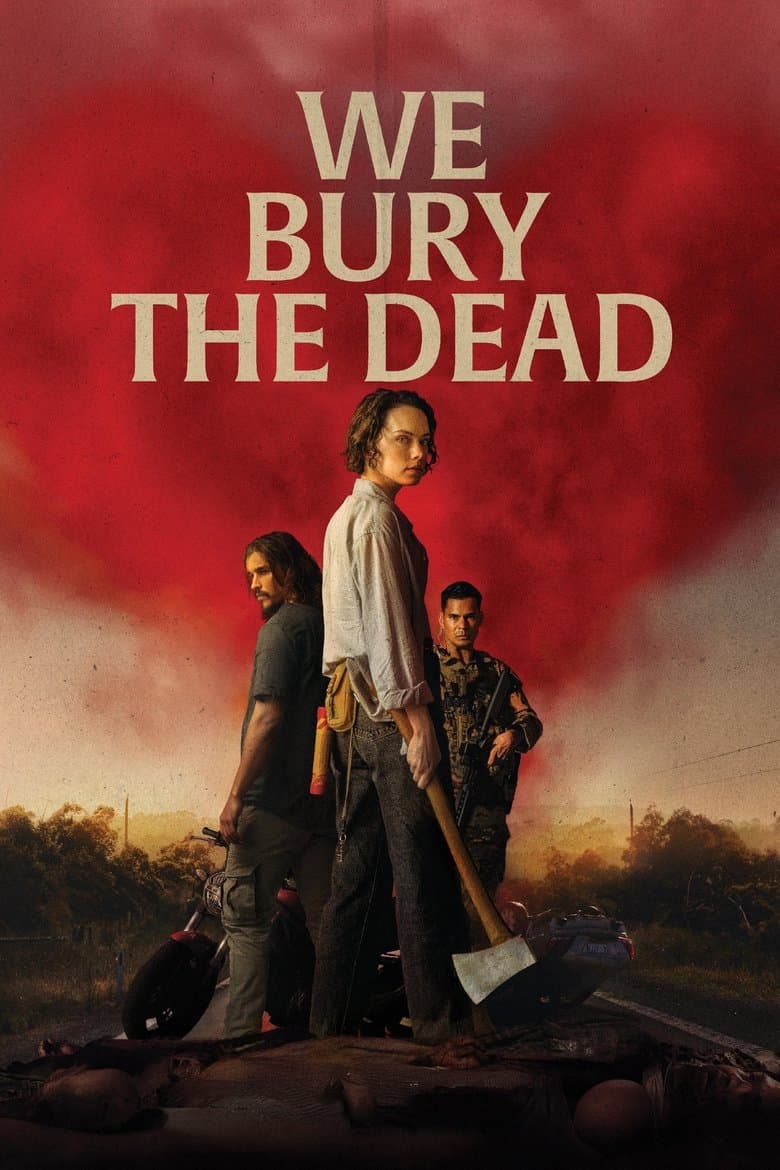
After a catastrophic military disaster reanimates the dead, Ava searches for her missing husband amidst an increasingly hostile world.

Movie · 2025
Four years after defeating The Grabber, Finney Blake is struggling with life after captivity. When his younger sister Gwen begins receiving calls in her dreams from the Black…

Movie · 2016
An evening of drunken prank calls becomes a nightmare for a pair of teenagers when a mysterious stranger turns their own game against them.

Movie · 2024
Nothing is what it seems when a twisted one-night stand spirals into a serial killer’s vicious murder spree.
Movie · 2021
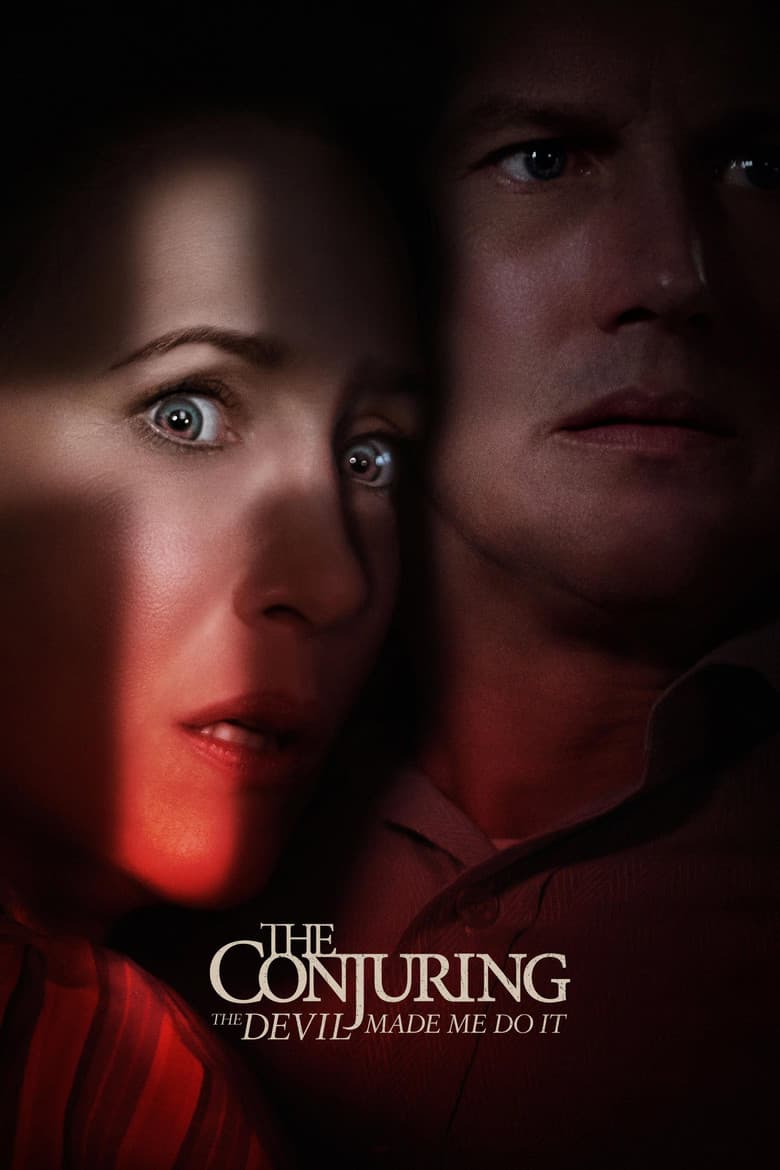
Paranormal investigators Ed and Lorraine Warren encounter what would become one of the most sensational cases from their files.

Movie · 2025
A collection of Halloween-themed videotapes unleashes a series of twisted, blood-soaked tales, turning trick-or-treat into a struggle for survival.
Movie · 2018
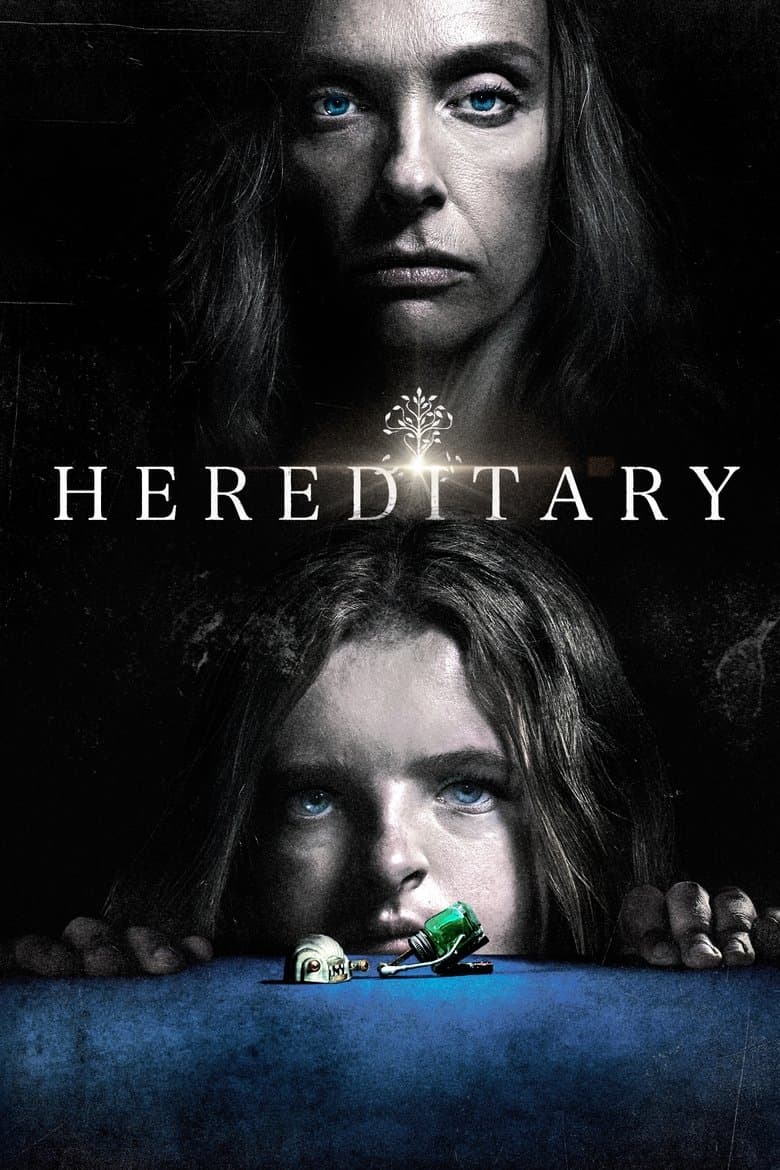
Following the death of the Leigh family matriarch, Annie and her children uncover disturbing secrets about their heritage.
