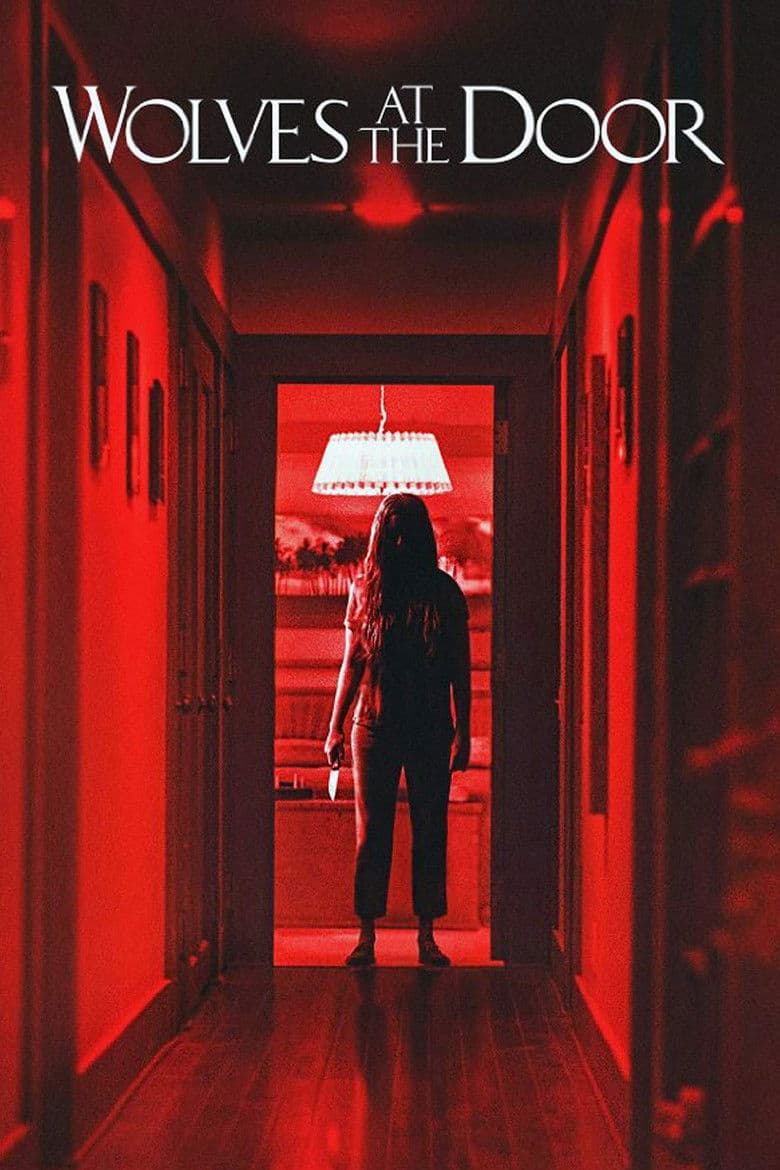
The film follows Sharon, a pregnant woman, and three close friends during a farewell night in the Hollywood Hills in 1969. Sharon hosts the group in her elegant home after dinner, while Abigail plans to leave Los Angeles and return to Boston. Strangers begin watching the house from outside. The night turns into a grim home invasion as the friends are trapped, hunted, and killed one by one.
The movie turns a real murder case into a short, harsh horror story about fear, helplessness, and senseless violence. The friends have different bonds and worries, but the film gives them little time to grow before the attack begins. Abigail tries to escape and fight back, while Sharon’s pregnancy raises the danger and sadness of the night. The killers remain mostly hidden, and the ending uses Charles Manson interviews to connect the made-up attack to the real Tate murders. The film’s strongest idea is that a peaceful home can become deadly without warning.
Community feedback
Was our 2% Woke rating accurate?
Breakdown
These are the editorial factors and ratings behind our score for Wolves at the Door.
Woke representation / casting
Not present. The four central friends are portrayed as versions of real people from the 1969 Tate murders. The film does not present their casting as a diversity or identity message.
0%
Woke political dialogue
Not present. A police officer names runaways, hippies, radicals, and dropouts as possible criminals. The brief line gives period color and does not become a modern political message.
0%
Identity-driven story themes
Not present. The story centers on fear, betrayal, random violence, and a cult attack. It does not build its conflict around race, sexuality, or a present-day identity cause.
0%
Western institutional / cultural critique
Not present. The police and rich Hollywood setting appear as story background. The film does not make a repeated case against Western institutions, family, religion, or traditional social norms.
0%
Woke character or canon changes
Not relevant. The film uses made-up versions of Sharon Tate and her friends. It does not recast or reshape them to make an identity point.
0%
Anti-woke backlash and complaints
Not present. The supplied X search found no anti-woke reaction. News and user reviews complain about exploitation, weak writing, and poor taste, not woke or left-wing messaging.
0%
Creator track record context
The cached creator scores are low across the listed crew. Leonetti has spoken about the need for change after Hollywood sexual-harassment cases and praised Get Out for its anti-racism message. Hamada has taken part in AAPI mentorship work. These mild signals come from creator background, not from the film’s story or marketing.
12%
Production

Movie · 2019
When a huge hurricane hits her hometown in Florida, Haley ignores evacuation orders to look for her father. After finding him badly wounded, both are trapped by the flood.
Movie · 2017
In a small town in Maine, seven children known as The Losers Club come face to face with life problems, bullies and a monster that takes the shape of a clown called Pennywise.
Movie · 2025
When Polly receives a mysterious box, it comes with one rule: place inside something she needs, something she hates, and something she loves.
Movie · 2017
Though Kevin has evidenced 23 personalities to his trusted psychiatrist, Dr. Fletcher, there remains one still submerged who is set to materialize and dominate all the others.

Movie · 2025
A collection of Halloween-themed videotapes unleashes a series of twisted, blood-soaked tales, turning trick-or-treat into a struggle for survival.
Movie · 2026
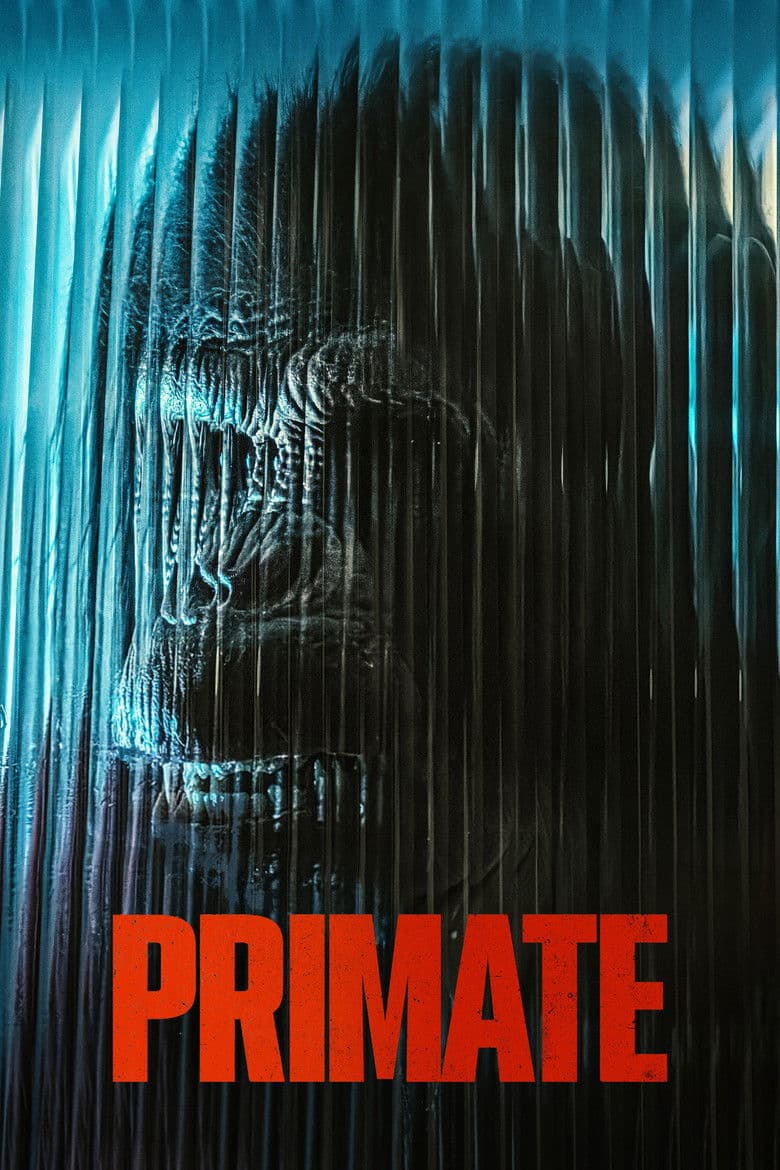
College student Lucy and her friends spend their vacation at her family's home in Hawaii, which includes her pet chimpanzee, Ben.

Movie · 2017
Two sisters on Mexican vacation are trapped in a shark observation cage at the bottom of the ocean, with oxygen running low and great whites circling nearby, they have less than…

Movie · 2022
Finney Blake, a shy but clever 13-year-old boy, is abducted by a sadistic killer and trapped in a soundproof basement where screaming is of little use.
