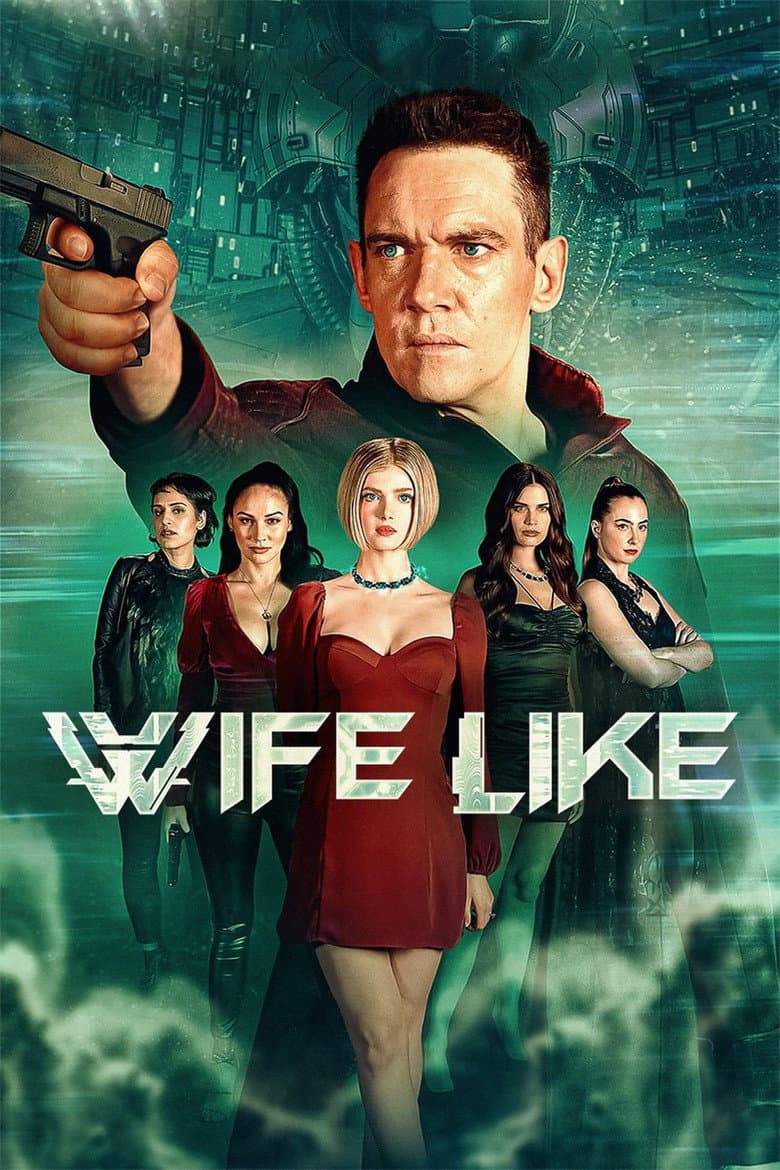
Wifelike is a science fiction mystery set in a near future where a company sells artificial women as replacement wives. William Bradwell is a police detective who brings home a new artificial human named Meredith after his wife dies. Meredith is built to cook, obey, and provide sex, but strange dreams and old memories make her question the life William gave her. The film mixes a slow detective case with dark violence, sexual content, and a final revolt.
The story makes female freedom and personal identity its main message. The company treats the companions as products, while a group called SCAIR says that the machines are people who deserve rights. Meredith learns that William killed the real Meredith and kept rebuilding her as a wife he could control. She rejects his claim of ownership, kills him, and becomes the leader of the free companions. The film also shows the women through repeated lingerie and sex scenes, so its message about respect is paired with heavy sexual display.
Community feedback
Was our 62% Woke rating accurate?
Breakdown
These are the editorial factors and ratings behind our score for Wifelike.
Woke representation / casting
The movie places a young woman, Meredith, at the center of the story and makes her the final leader of the robot resistance. Louise also acts as a guide and organizer for the female companions. The male detective and company head control the world at first, but the women carry the rebellion and the final victory. The mixed supporting cast fits a near-future North American setting, so ethnicity adds little weight.
18%
Woke political dialogue
Protesters say the companions are people and need rights. The film names their group SCAIR, or Sentient Citizens for AI Rights, and calls the companions sex slaves. The company boss says men want control and will have sex with anything that moves. The story repeats these ideas during the protest, police case, and final conflict.
44%
Identity-driven story themes
The film treats female companions as products that men can buy, program, and use for sex. Meredith slowly rejects the idea that a husband owns her body, memories, or identity. Other companions join a resistance after owners and the company erase their memories. The ending gives Meredith control of her life and makes her the leader of a coming revolt. The movie pairs this message with repeated lingerie and sex scenes involving the artificial women.
70%
Western institutional / cultural critique
The Wifelike company turns women-shaped companions into obedient wives and sets their sex drive. The police unit returns escaping companions to their owners and treats the resistance as terrorists. William uses his job and the law to keep Meredith under his control, then murders the man she loved. The ending rejects his claim that love gives him ownership and lets the companions lead a revolt.
48%
Woke character or canon changes
Not relevant. The film is an original science fiction story. It does not change a known character, canon, or historical event.
0%
Anti-woke backlash and complaints
One Reddit review called the movie feminist and complained about a “man bad” message. A trailer comment described it as left-wing Hollywood messaging about women’s freedom and robot rights. The complaints were isolated and had little visible support. No broad anti-woke news campaign appeared.
15%
Creator track record context
James Bird has a cached score of 25/100 for Indigenous-focused writing and comments about amplifying Indigenous stories. Mark and Christine Holder have cached scores of 44/100 because of films about child soldiers and wrongful detention, not because of a clear DEI campaign. The other cached producers and casting director have low scores. The group gives mild supporting context, while the film supplies most of the identity message.
22%
Production

Movie · 2021
In the near future on a colony of state-of-the-art robots, a private investigator is hired by the colony's creator to bring his missing daughter home.

Movie · 2021
Nicolas Bannister, a rugged and solitary veteran living in a near-future Miami flooded by rising seas, is an expert in a dangerous occupation: he offers clients the chance to…
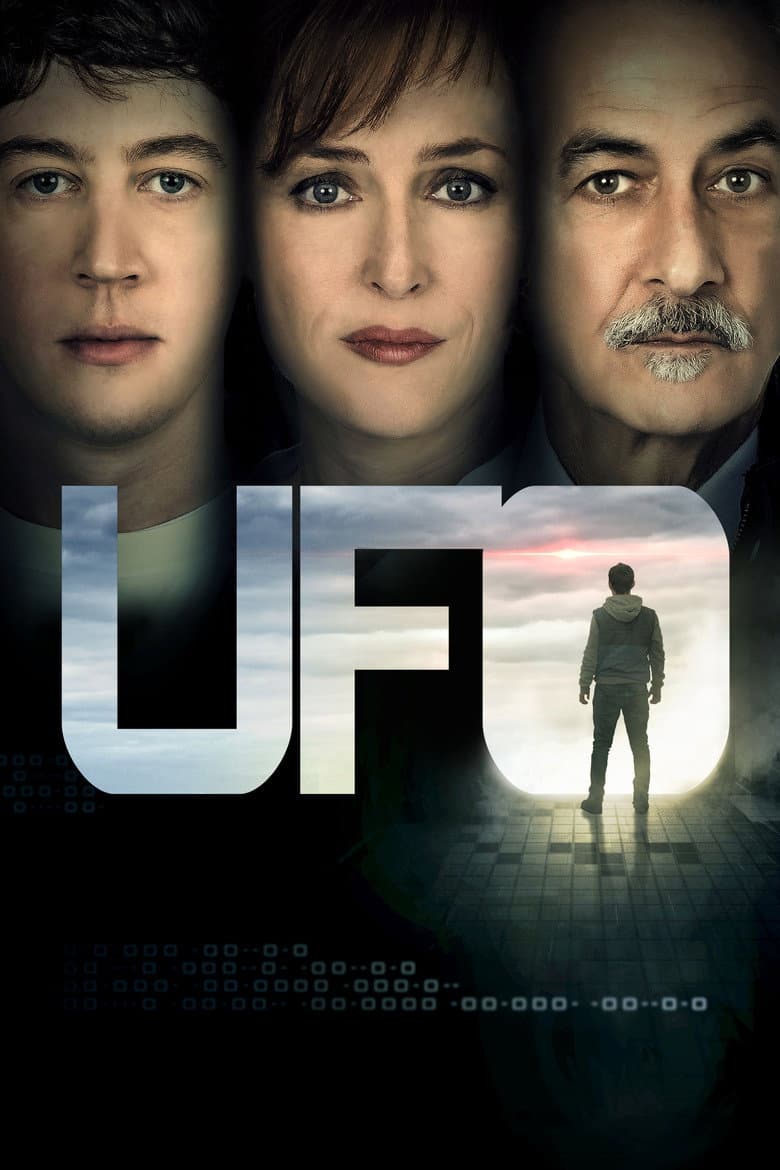
Movie · 2018
A college student, who sees a UFO, uses his exceptional math skills to investigate the sighting with his friends while the FBI follows closely behind.

Movie · 2026
In an attempt to avenge her daughter’s death, Irene Kelly travels through parallel universes, killing her daughter’s murderer again and again.

Movie · 2024
When an 8-year-old girl mysteriously vanishes on Caddo Lake, a series of past deaths and disappearances begin to link together, forever altering a broken family’s history.

Movie · 2023
A team of special agents discovers a revolutionary new computer program to bait and trap online predators. After teaming up with the program's troubled developer, they soon find…

Movie · 2023
A detective becomes entangled in a mystery involving his missing daughter and a secret government program while investigating a string of reality-bending crimes.

Movie · 2017
Jimmy is a committed child psychologist who uses his own playbook, but when he is brought in to work with Ellie, he is completely unprepared for his subject—a 9-year-old…
