
Wiener-Dog follows a small dachshund as she moves through several homes in New York and Ohio. A young boy gets her after surviving cancer, but his tense parents soon send her to a vet clinic. The dog then travels with Dawn Wiener, stays with a bitter film teacher, and ends with an old woman and her granddaughter. The tone is a dark, strange comedy about bad choices, loneliness, death, and the way people treat animals.
The film includes a short stop with a couple who both have Down syndrome and a brief meeting with Mexican hitchhikers. These roles add visible disability and ethnic diversity, but they stay inside one short road story and do not drive the main conflict. A mother says that her family does not believe in God, and another story mocks a school for film and its teachers. The movie spends most of its time on death, lonely people, bad choices, family tension, and failed dreams instead of modern identity politics.
Community feedback
Was our 17% Woke rating accurate?
Breakdown
These are the editorial factors and ratings behind our score for Wiener-Dog.
Woke representation / casting
The film gives visible supporting roles to a couple with Down syndrome and to Mexican hitchhikers. Those roles appear during one short road story and do not lead the main plot. The cast is not presented as a diversity-first message, so the identity signal stays small.
16%
Woke political dialogue
Not present. The film has no recurring lines about DEI, race, gender identity, or activist politics. Its brief talk about God, sex, and death does not become a political message.
0%
Identity-driven story themes
Not present. The main stories follow the dog's owners through illness, loneliness, drugs, failed work, and death. The film does not make identity politics or group struggle the center of any character arc.
0%
Western institutional / cultural critique
The first family says that it does not believe in God, creating a brief anti-religion exchange. The school story mocks film teachers, school managers, and commercial rules. These attacks are broad and bitter, but they are not tied to current activist politics or identity groups.
12%
Woke character or canon changes
Not relevant. The film reuses Dawn Wiener from Welcome to the Dollhouse, but the new actress does not change Dawn's race, gender, sexuality, or role. The other story changes are new plot material, not identity changes to established canon.
0%
Anti-woke backlash and complaints
Not present. The separate X pass found no anti-woke reaction or specific complaints. Other public discussion focused on the dog's suffering, graphic ending, bleak tone, and unusual structure rather than woke, DEI, or identity-politics claims.
0%
Creator track record context
Todd Solondz usually handles identity and social issues through bleak satire rather than advocacy. Christine Vachon has a strong history of queer and identity-focused films. Megan Ellison and David Hinojosa show little recorded activist focus, and the casting and script staff have no strong public activist profile in the supplied context. This mixed background gives a moderate context signal, but title-related evidence does not show that the film was built around activism.
30%
Production
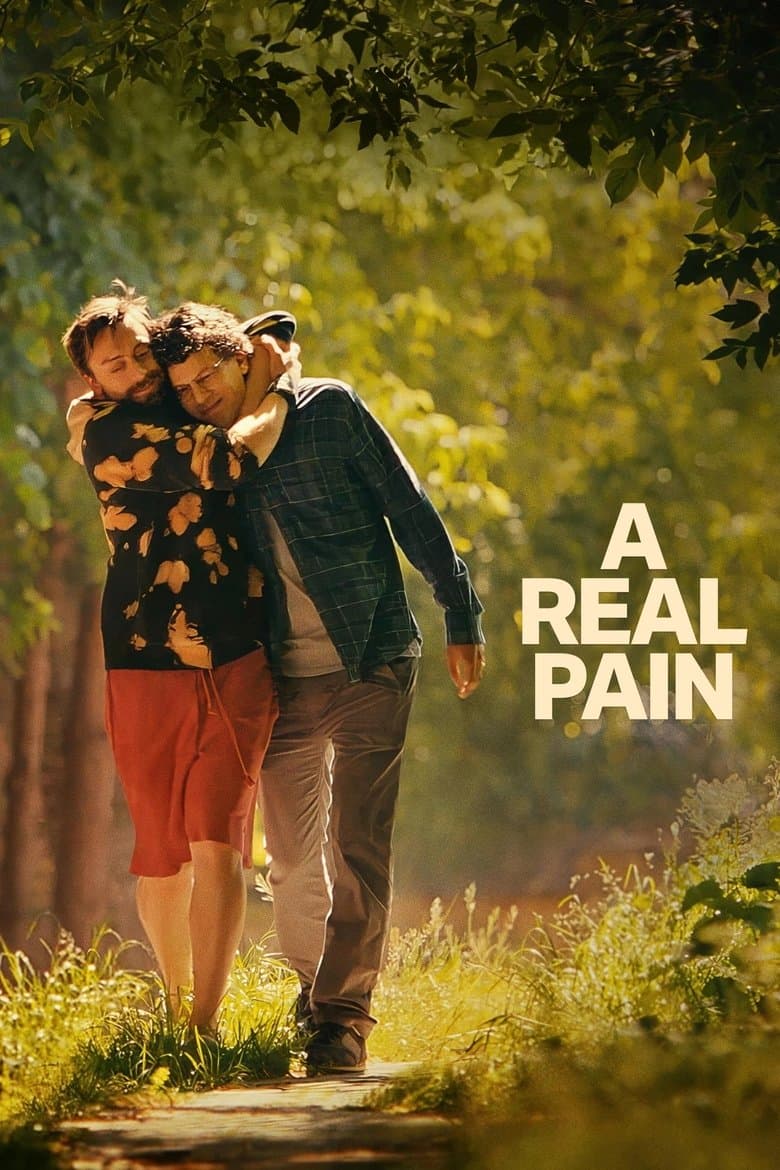
Movie · 2024
Mismatched cousins David and Benji reunite for a tour through Poland to honor their beloved grandmother. The adventure takes a turn when the pair's old tensions resurface against…
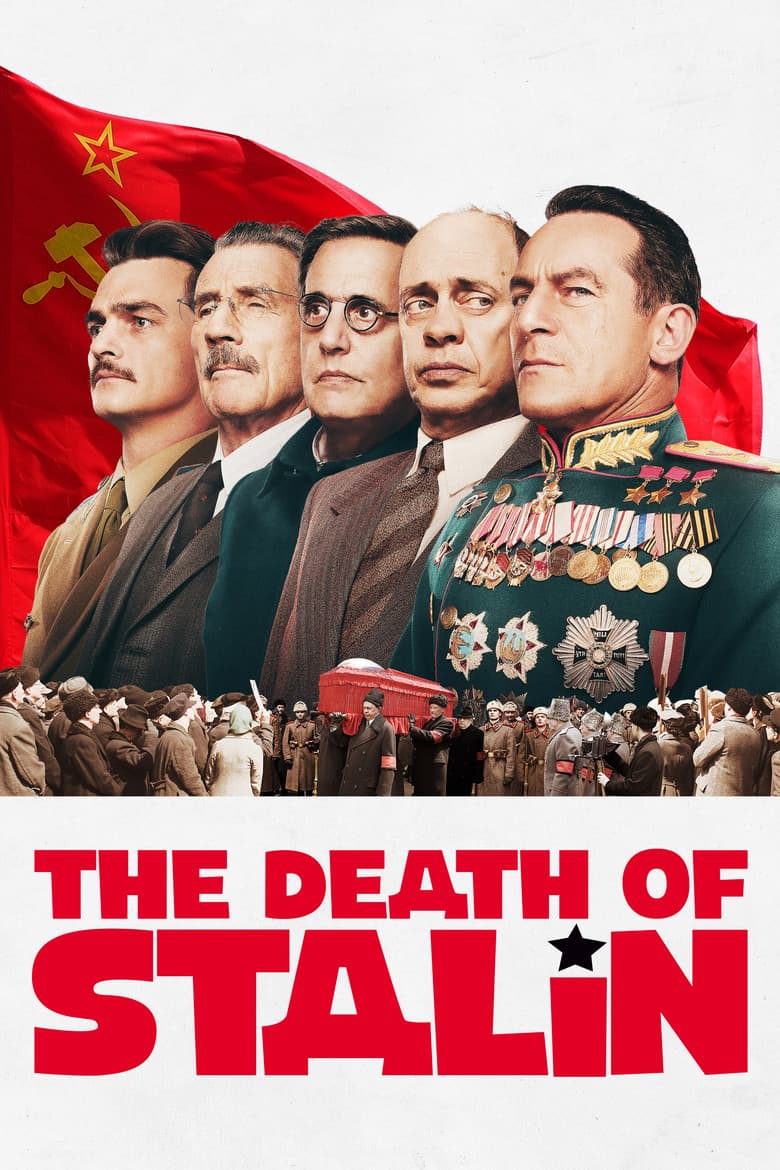
Movie · 2017
When dictator Joseph Stalin dies, his parasitic cronies square off in a frantic power struggle to become the next Soviet leader.
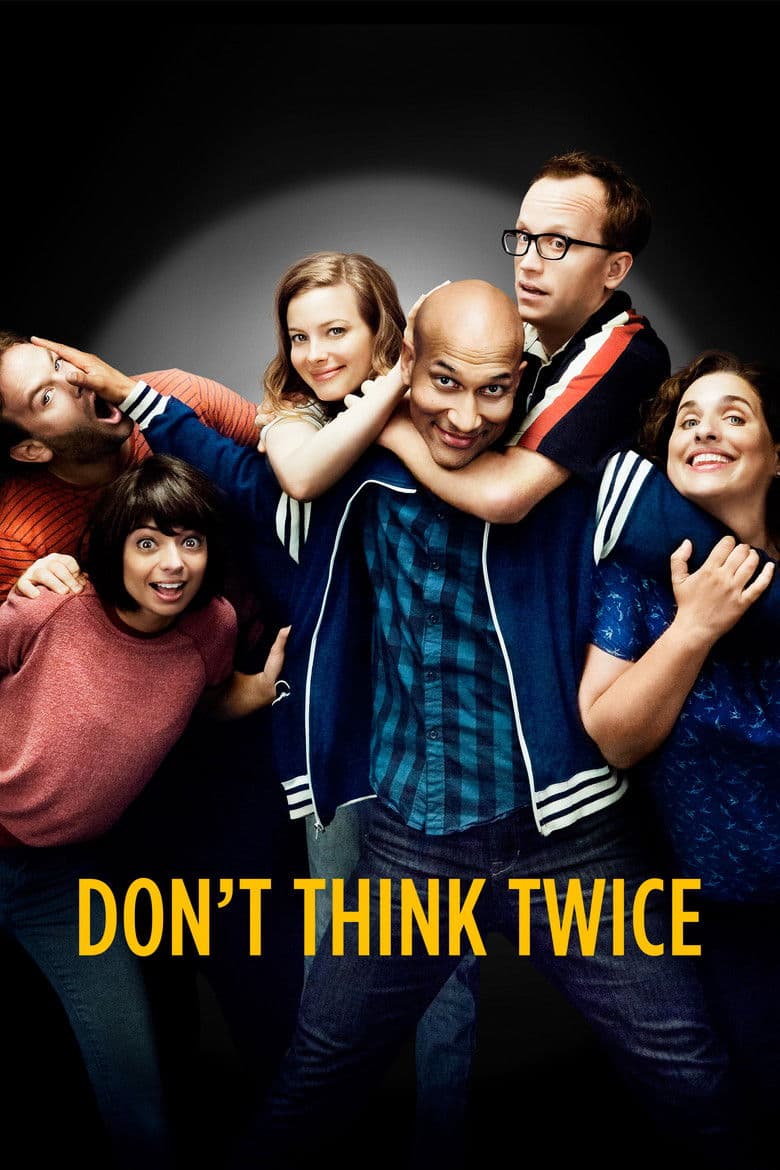
Movie · 2016
An improv group deals with several crises, including the loss of their lease and one member hitting the big time.

Movie · 2023
Single mom Flora is at a loss about what to do with her rebellious teenage son, Max. Her efforts to keep him out of trouble lead to a beat-up acoustic guitar, a washed-up LA…
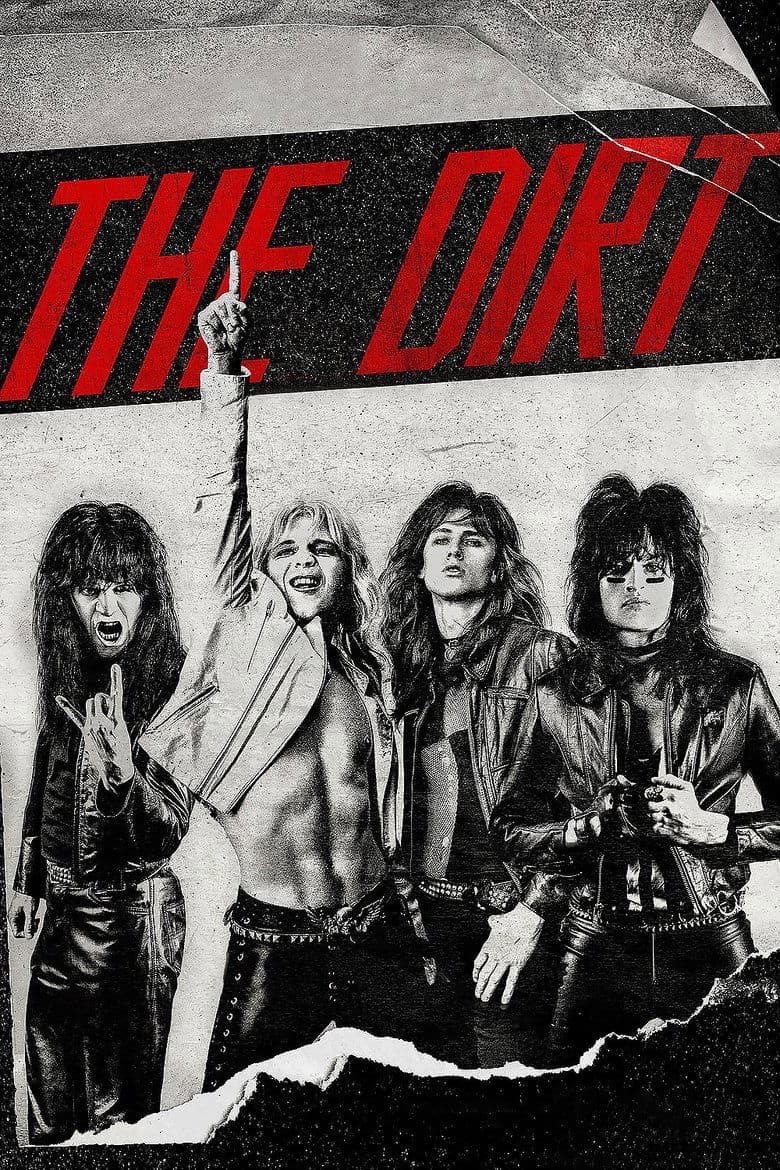
Movie · 2019
The story of Mötley Crüe and their rise from the Sunset Strip club scene of the early 1980s to superstardom.

Movie · 2019
An unlikely friendship between two neighbors becomes an unexpectedly emotional journey when the younger man is diagnosed with terminal cancer.
Movie · 2017
Steve Coogan and Rob Brydon embark on a road trip along the coast of Spain.

Movie · 2020
Four stagnant high school teachers decide to test out a theory that maintaining a constant level of intoxication will improve their overall lives.
