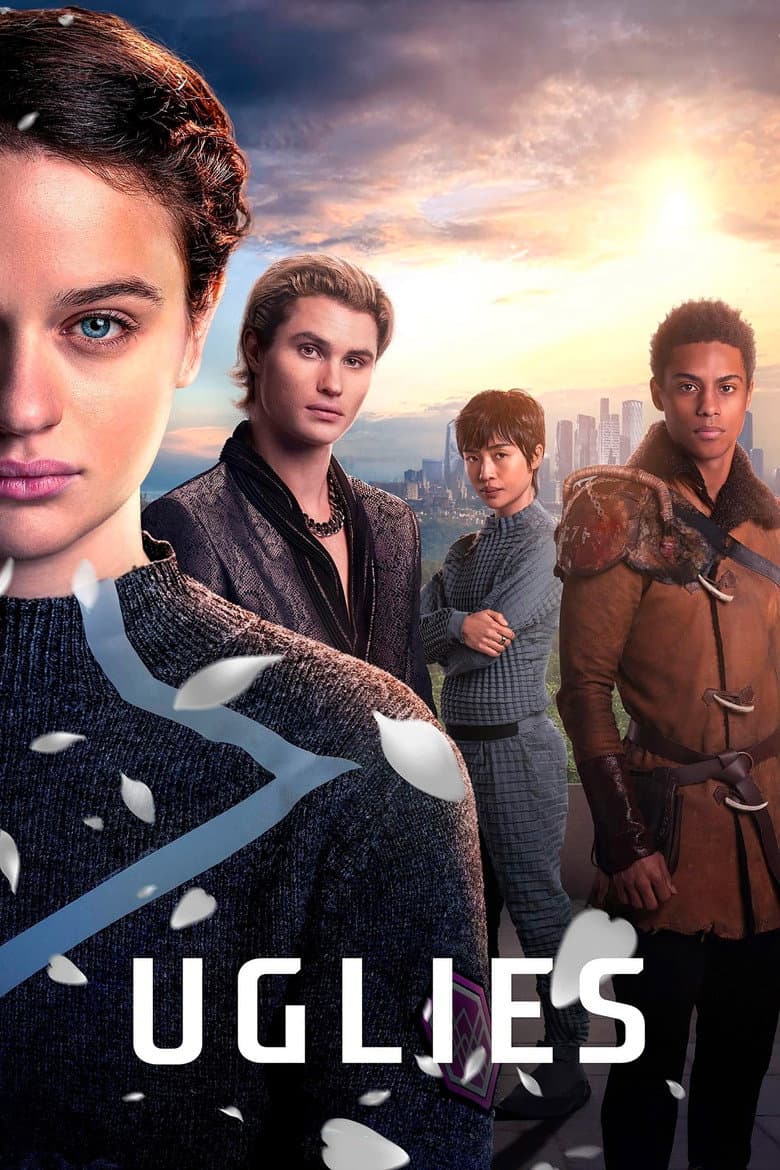
Uglies follows Tally Youngblood, a teenager who is waiting for her sixteenth birthday surgery. In her future city, every teenager must be changed into a perfect-looking Pretty before joining adult society. Tally wants the operation until her friend Shay runs away to a hidden rebel settlement called the Smoke. Tally then crosses ruined land, faces armed agents, and learns that the surgery also damages the brain and weakens free will. The film uses bright science fiction, chase scenes, romance, and a bleak story about control.
The film makes self-acceptance and rejection of forced beauty the center of its message. Tally, Shay, David, and the Smoke fight a system that promises peace by making people look alike and think alike. The main group has a visibly mixed cast, with a black rebel leader, a black scientist, an Asian rebel, a Latino rebel, and a white girl hero in leading roles. The story also links beauty pressure to filters, perfect faces, and social control. These ideas recur through the plot, but the film does not make race, sexuality, or current party politics part of the conflict.
Community feedback
Was our 38% Woke rating accurate?
Breakdown
These are the editorial factors and ratings behind our score for Uglies.
Woke representation / casting
The film puts a clearly mixed cast in its main rebel group, with Black, Asian, Latino, and white performers in important roles. David is a black leader of the Smoke, and Maddy is a black scientist who helps make the cure. Shay is played by an Asian actress, while Croy is played by a Latino actor. Laverne Cox plays Dr. Cable, the powerful woman who runs the surgery system. The story does not make race or gender part of the conflict, so the representation comes mainly from the visible casting pattern.
35%
Woke political dialogue
Not present. Characters criticize forced surgery, government control, and the brain damage caused by the operation. The film does not use recurring activist or identity-politics dialogue.
0%
Identity-driven story themes
The film makes self-acceptance and resistance to forced beauty the center of Tally’s journey. Tally learns that the surgery damages the brain and weakens personal choice. The Smoke presents life without surgery, friendship, and free choice as better than a perfect face. The film links this message to filters, body pressure, and the need to look perfect online. This is a recurring identity-driven story theme, but it is not centered on race, sexuality, or queer identity.
43%
Western institutional / cultural critique
Not present. The movie attacks a fictional beauty system in its future setting. It does not make a recurring modern critique of Western institutions, capitalism, patriarchy, Christianity, or traditional family life.
0%
Woke character or canon changes
Not relevant. The film adapts Scott Westerfeld’s book and keeps its core story about Tally and the forced Pretty surgery. The visible race and gender casting choices are not presented as new identities for established characters.
0%
Anti-woke backlash and complaints
A few audience posts called the adaptation “woke-washed” or “woke-ifying.” One user review also objected to the mixed-race casting and called the film woke. The wider reaction focused on weak writing, cheap effects, and the fact that the “ugly” characters still look like models. The anti-woke reaction was scattered and fringe.
10%
Creator track record context
The cached record is mixed. Scott Westerfeld has spoken about the need for more representation, and Vanessa Taylor has spoken about gender fairness in Hollywood. Joey King has supported LGBTQ youth, Black Lives Matter, and gun control, while Jordan Davis has backed stories about black characters and women’s experiences. McG and most of the other listed producers and writers have no strong activist or identity-politics record. This gives some supporting context, but it is not a strong creator-wide pattern.
29%
Production
Movie · 2019
Stranded at a summer camp when aliens attack the planet, four teens with nothing in common embark on a perilous mission to save the world.
Movie · 2023
65 million years ago, the only 2 survivors of a spaceship from Somaris that crash-landed on Earth, must fend off dinosaurs to reach the escape vessel in time before an imminent…
Movie · 2022
A mysterious force knocks the moon from its orbit around Earth and sends it hurtling on a collision course with life as we know it.
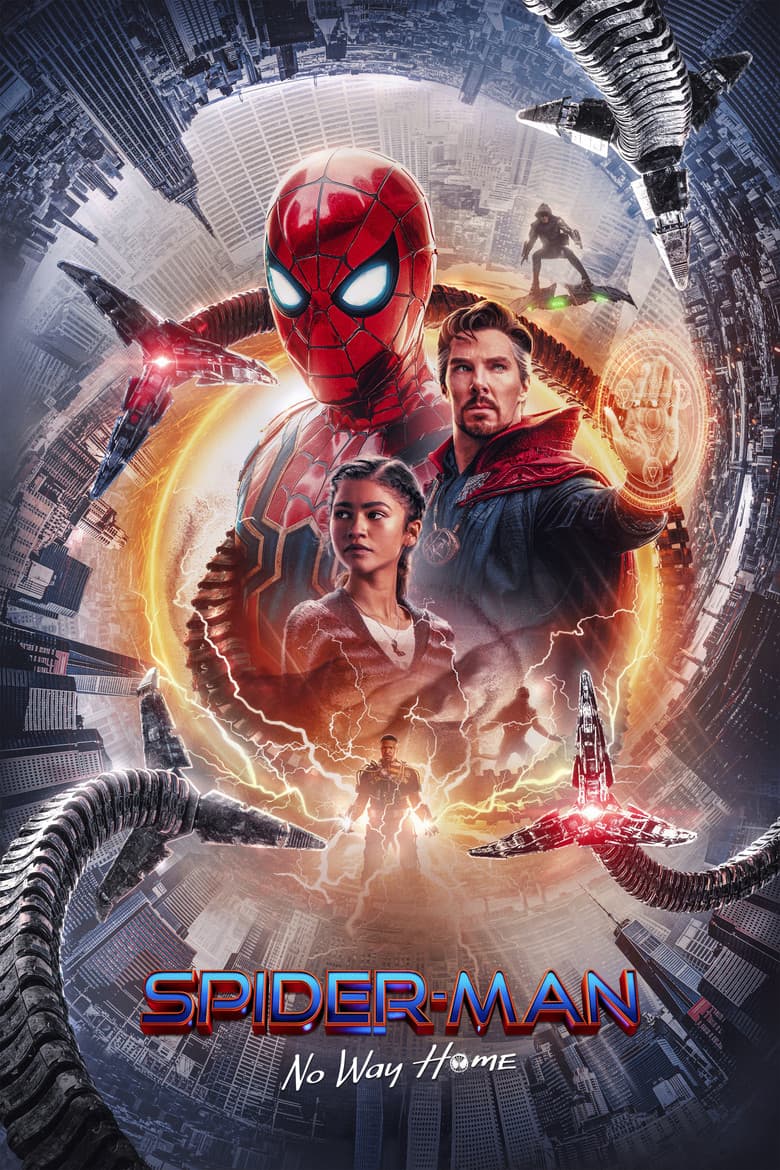
Movie · 2021
Peter Parker is unmasked and no longer able to separate his normal life from the high-stakes of being a super-hero.
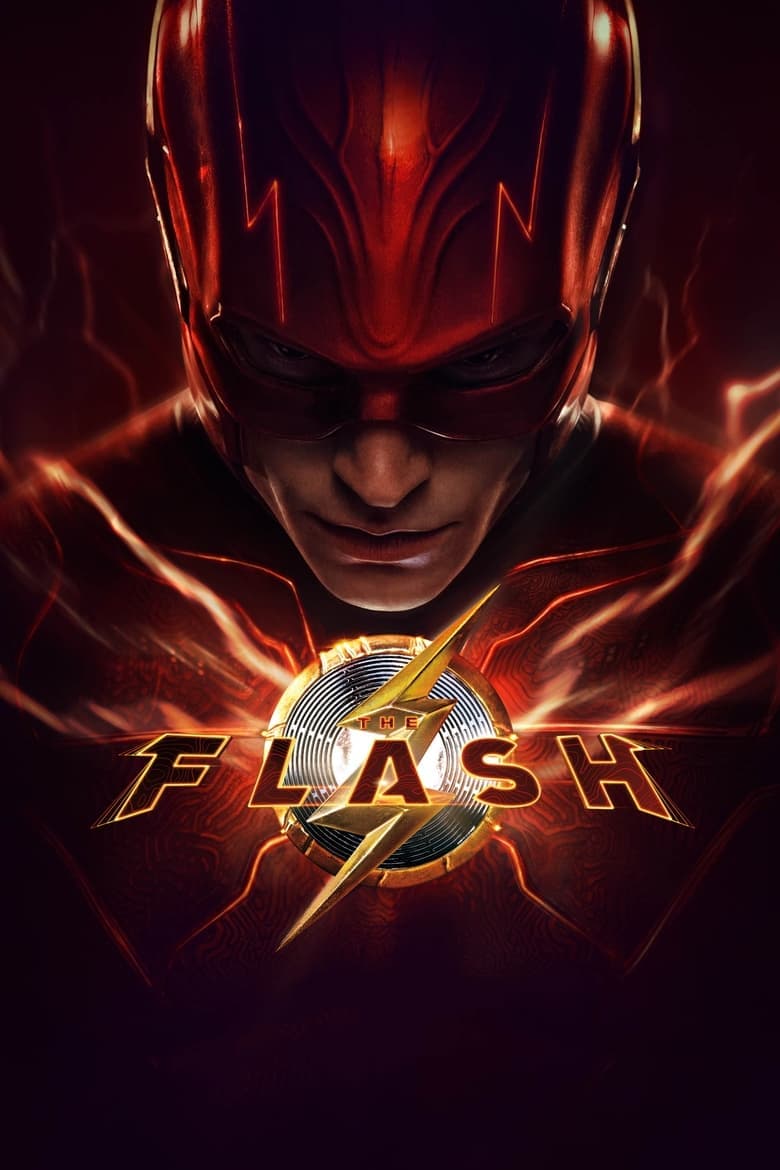
Movie · 2023
When his attempt to save his family inadvertently alters the future, Barry Allen becomes trapped in a reality in which General Zod has returned and there are no Super Heroes to…
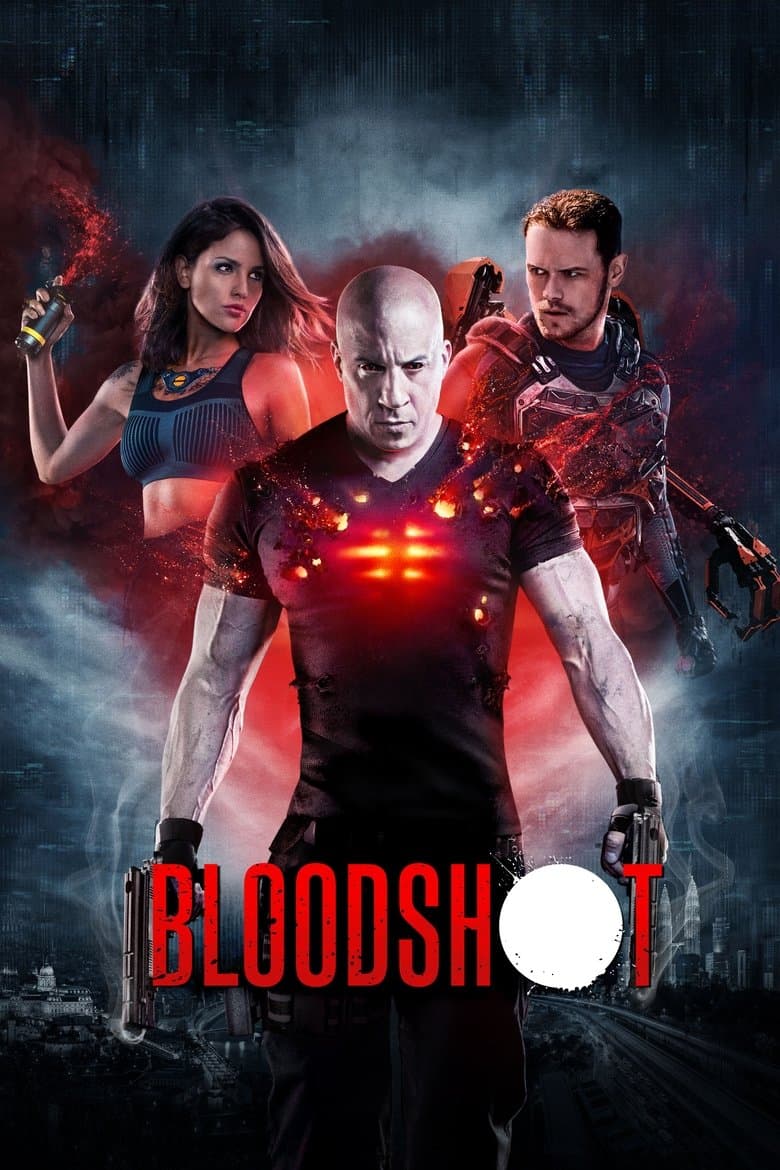
Movie · 2020
After he and his wife are murdered, marine Ray Garrison is resurrected by a team of scientists. Enhanced with nanotechnology, he becomes a superhuman, biotech killing…
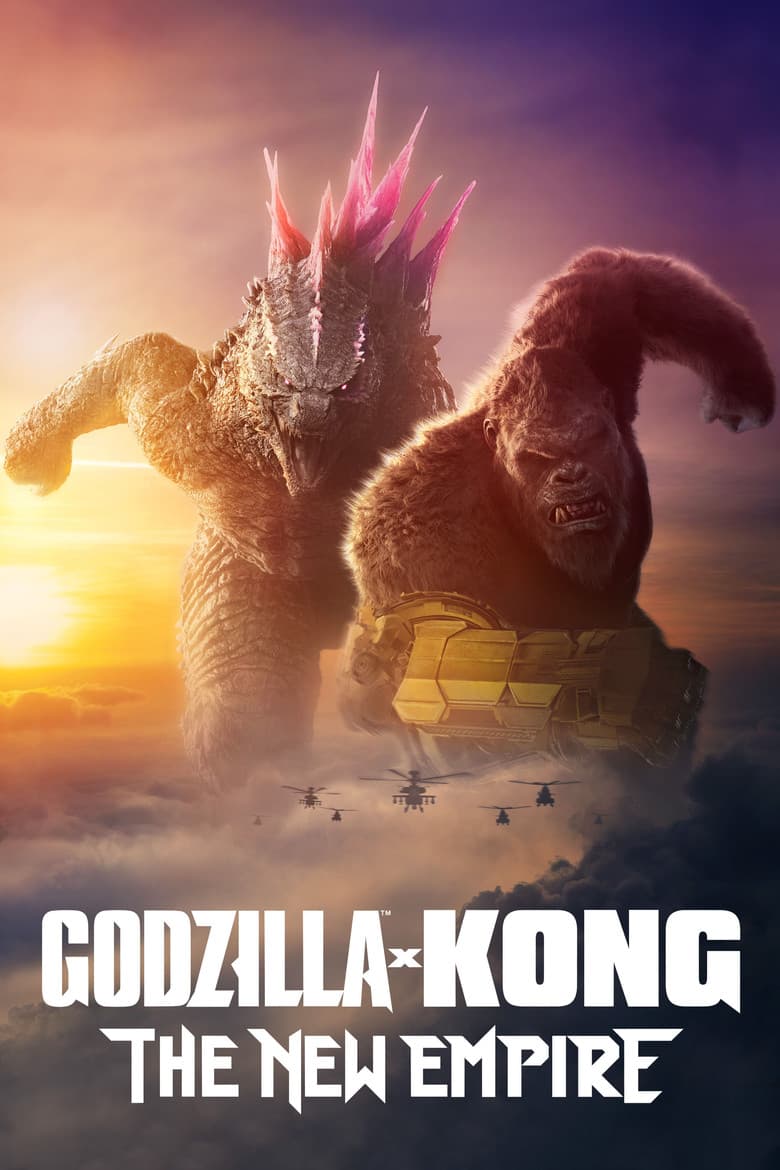
Movie · 2024
Following their explosive showdown, Godzilla and Kong must reunite against a colossal undiscovered threat hidden within our world, challenging their very existence – and our own.
Movie · 2026
The evil Empire has fallen, and Imperial warlords remain scattered throughout the galaxy. As the fledgling New Republic works to protect everything the Rebellion fought for, they…
