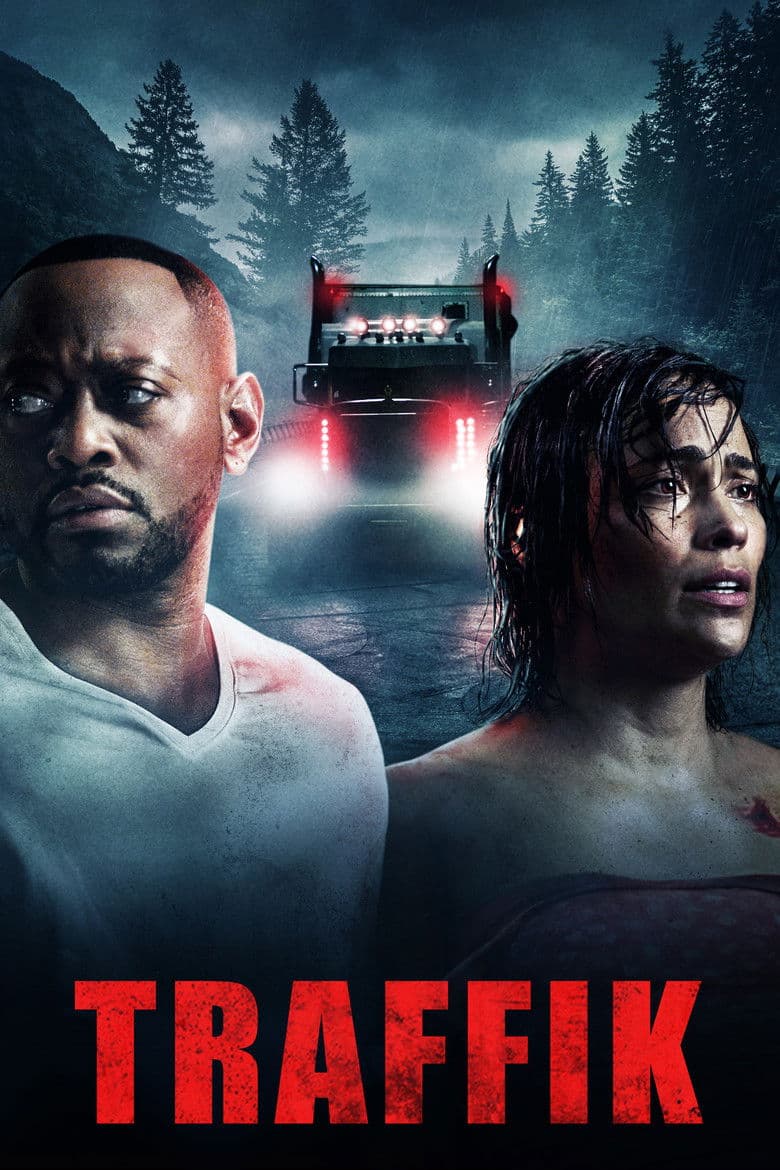
Brea is a newspaper reporter who travels with her boyfriend, John, to a quiet mountain home near Lake Tahoe. Their weekend changes when a frightened woman slips a phone into Brea’s bag at a gas station. The phone reveals photos tied to a biker gang that runs a human trafficking ring. The couple and their friends face a violent fight for survival in a tense and grim thriller.
The story centers on women being kidnapped, sold, and abused, while Brea refuses to hand over the evidence. Brea uses her reporting skills, quick thinking, and courage to survive after John is killed. The film presents Brea as a strong black female hero and places women’s safety and female survival at the center of the plot. It also shows a female sheriff helping the traffickers, so the story is about a specific criminal ring rather than claiming that all men or all police are the problem.
Community feedback
Was our 44% Woke rating accurate?
Breakdown
These are the editorial factors and ratings behind our score for Traffik.
Woke representation / casting
Brea is a black female newspaper reporter and the main hero. John is also Black, and Malia is Latina, so several major roles center women or minority characters. The present-day California setting can support this cast, but title interviews connect the story to black and Latina women and to female empowerment. The pattern is visible in the main group, but the whole cast is not built around diversity messaging.
43%
Woke political dialogue
Not present. The characters talk about the trafficking ring, fear, work, and survival. The film does not use recurring modern identity, DEI, or activist lines.
0%
Identity-driven story themes
Human trafficking is the film’s central threat, and the victims are mainly women who are treated as goods by the gang. Brea refuses to give up the evidence and later uses her mind and courage to escape and expose the ring. The story repeatedly presents female survival, female danger, and the message that women should refuse to be victims. It also gives Brea the final victory while most male protectors die, which makes the gender focus hard to miss.
52%
Western institutional / cultural critique
Not present. The film has a corrupt sheriff who says she is only a small part of a larger system. The police later arrest her and rescue the women, so the story does not attack Western institutions as a whole. It does not make family, Christianity, or traditional social rules a target.
0%
Woke character or canon changes
Not relevant. Traffik is an original thriller with no established characters or real historical story to change.
0%
Anti-woke backlash and complaints
Not present. The supplied X pass found no anti-woke reaction. Wider coverage and audience posts focused on weak suspense, harsh violence, and the film’s treatment of trafficking, not claims that it pushes DEI or identity politics.
0%
Creator track record context
Deon Taylor’s cached creator score is 45/100, while Mark Burg’s is 11/100. Taylor’s title interviews stress trafficking awareness, women’s safety, and the experiences of black and Latina women. Paula Patton also used female empowerment language around Brea’s survival. Burg adds little activist context, so the overall creator signal is moderate rather than strong.
35%
Production
Movie · 2021
Rescued as a child by the legendary assassin Moody and trained in the family business, Anna is the world’s most skilled contract killer.

Movie · 2017
With the Third Reich at its peak in 1942, the Czech resistance in London plans the most ambitious military operation of WWII – Anthropoid.

Movie · 2024
When a Delta Force special ops mission goes terribly wrong, Air Force drone pilot Reaper has 48 hours to remedy what has devolved into a wild rescue operation.
Movie · 2018
A gritty crime saga which follows the lives of an elite unit of the LA County Sheriff's Dept. and the state's most successful bank robbery crew as the outlaws plan a seemingly…

Movie · 2025
When the girl of his dreams is kidnapped, everyman Nate turns his inability to feel pain into an unexpected strength in his fight to get her back.

Movie · 2022
A disgraced ex-cop seeks solace by moving to the woods, but his quiet life comes to an end when a private eye recruits him to investigate the murder of an eccentric TV star's wife.
Movie · 2023
During the war in Afghanistan, a local interpreter risks his own life to carry an injured sergeant across miles of grueling terrain.
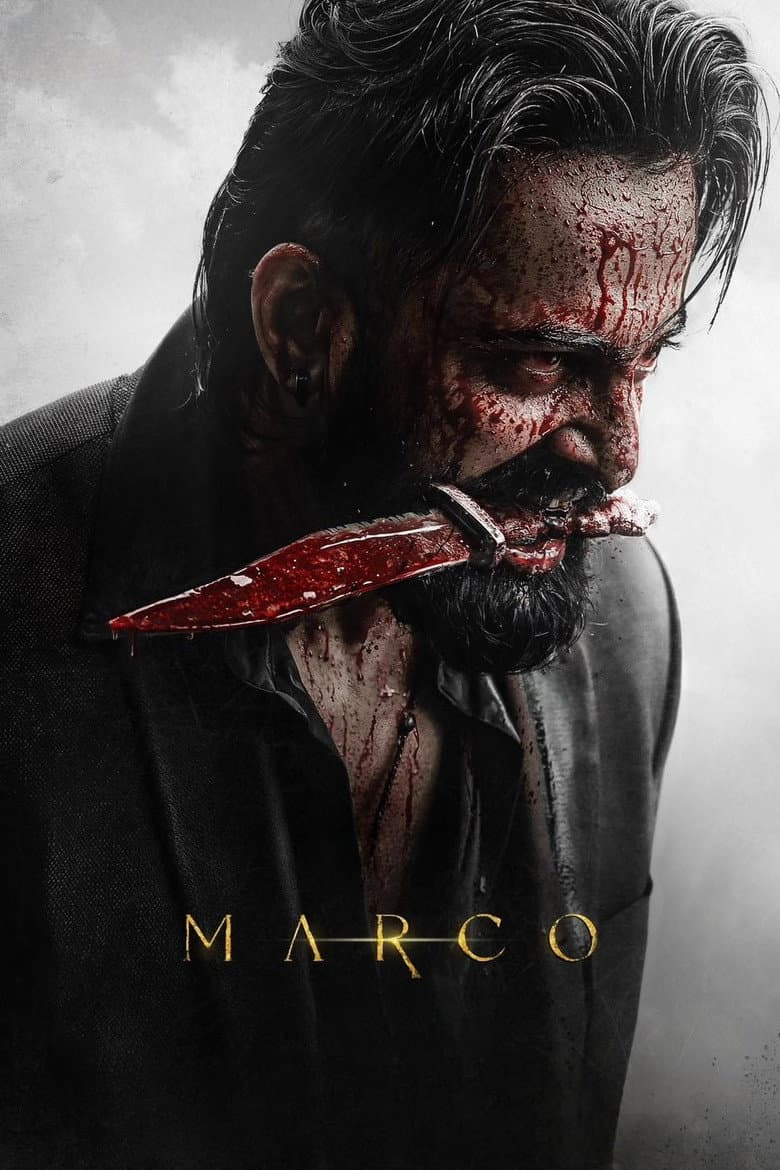
Movie · 2024
The adoptive son of the Adattu family, Marco, sets off on a ruthless quest for vengeance after his brother is brutally murdered, finding only betrayal, loss and unimaginable…
