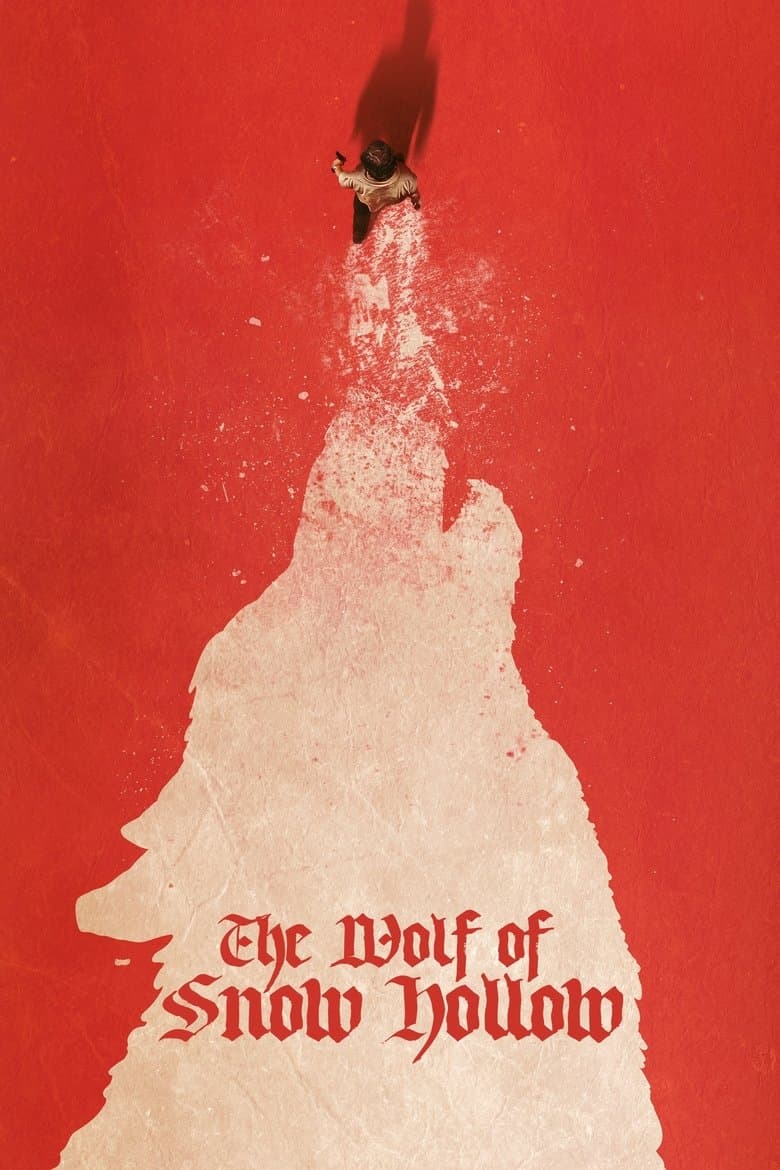
John Marshall is a deputy sheriff in the snowy Utah town of Snow Hollow. He is a recovering alcoholic who is raising his teenage daughter while his sick father remains the town sheriff. A series of brutal killings during full moons makes the town fear that a werewolf is hunting its people. The movie mixes bloody horror with dry jokes and follows John as his anger and poor choices make the case harder.
The film repeatedly connects the wolf to male anger and the harm that men can cause when they lose control. John insults women, fights coworkers, and uses his police job badly, while Officer Julia Robson stays calm and capable. Several scenes talk directly about toxic masculinity and about violence against women. These ideas matter to the story, but the film also spends much of its time on addiction, family strain, police work, and the mystery of the killer.
Community feedback
Was our 43% Woke rating accurate?
Breakdown
These are the editorial factors and ratings behind our score for The Wolf of Snow Hollow.
Woke representation / casting
Not present. The film uses a mostly white cast in a modern Utah town and does not present diversity-first casting as a message. Julia is a capable female officer, but the film does not frame her casting as an identity statement.
0%
Woke political dialogue
John asks Julia whether women have dealt with toxic masculinity since the Dark Ages. John explains that the werewolf myth can excuse violence against women. Other scenes use lines about male anger, women's safety, and disrespect. The dialogue returns to this idea, but it does not become a long political debate.
38%
Identity-driven story themes
The film uses the wolf as a picture of male anger and loss of control. John repeatedly insults women, fights coworkers, and fails his family because he cannot control himself. Julia stays calm and capable while the female victims show the harm caused by men's violence. This message is important, but the movie also spends much time on addiction, family strain, police work, and the murder mystery.
48%
Western institutional / cultural critique
The sheriff's office is often shown as clumsy, cruel, and unable to handle the killings. John abuses his authority by firing people, starting fights, and shooting recklessly. The film links this bad police behavior to male anger and pressure. It does not attack Christianity, capitalism, or Western society as a whole.
27%
Woke character or canon changes
Not relevant. The film is an original story set in Snow Hollow. It does not change an established character, source story, or real historical figure.
0%
Anti-woke backlash and complaints
One Reddit commenter said the film added woke moments while criticizing its treatment of women. The comment was isolated and did not identify a broad DEI or political campaign. Most other audience discussion focused on the ending, tone, and plot. A separate X search found no anti-woke posts about the film.
5%
Creator track record context
Jim Cummings has a low recorded woke score and no known activist record. Most listed producers also have low recorded scores, while Natalie Metzger has queer inclusion work and Kathleen Grace has a feminist public record. The group gives a mild context signal, but it is not a strong identity-politics brand.
18%
Production
Movie · 2022
Finney Blake, a shy but clever 13-year-old boy, is abducted by a sadistic killer and trapped in a soundproof basement where screaming is of little use.

Movie · 2024
Nothing is what it seems when a twisted one-night stand spirals into a serial killer’s vicious murder spree.
Movie · 2018
Laurie Strode comes to her final confrontation with Michael Myers, the masked figure who has haunted her since she narrowly escaped his killing spree on Halloween night four…
Movie · 2024
A group of criminals kidnap a teenage ballet dancer, the daughter of a notorious gang leader, in order to obtain a ransom of $50 million, but over time, they discover that she is…
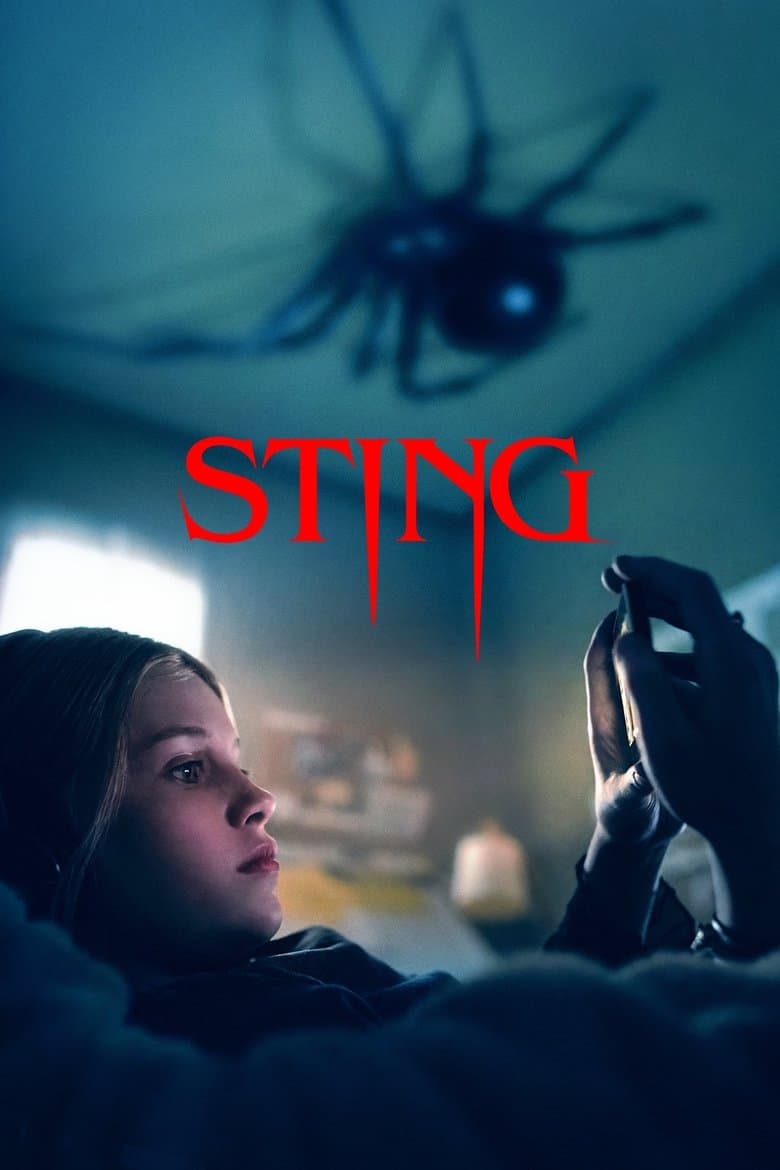
Movie · 2024
After raising an unnervingly talented spider in secret, 12-year-old Charlotte must face the truth about her pet and fight for her family's survival.
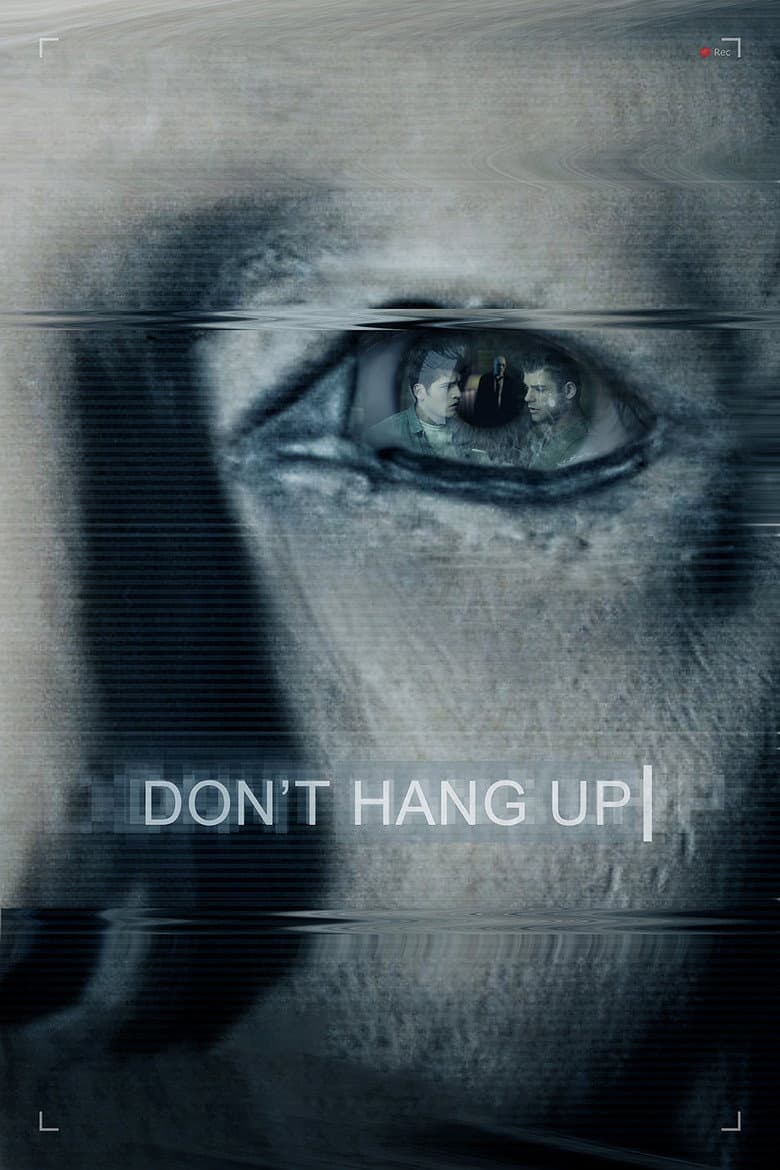
Movie · 2016
An evening of drunken prank calls becomes a nightmare for a pair of teenagers when a mysterious stranger turns their own game against them.
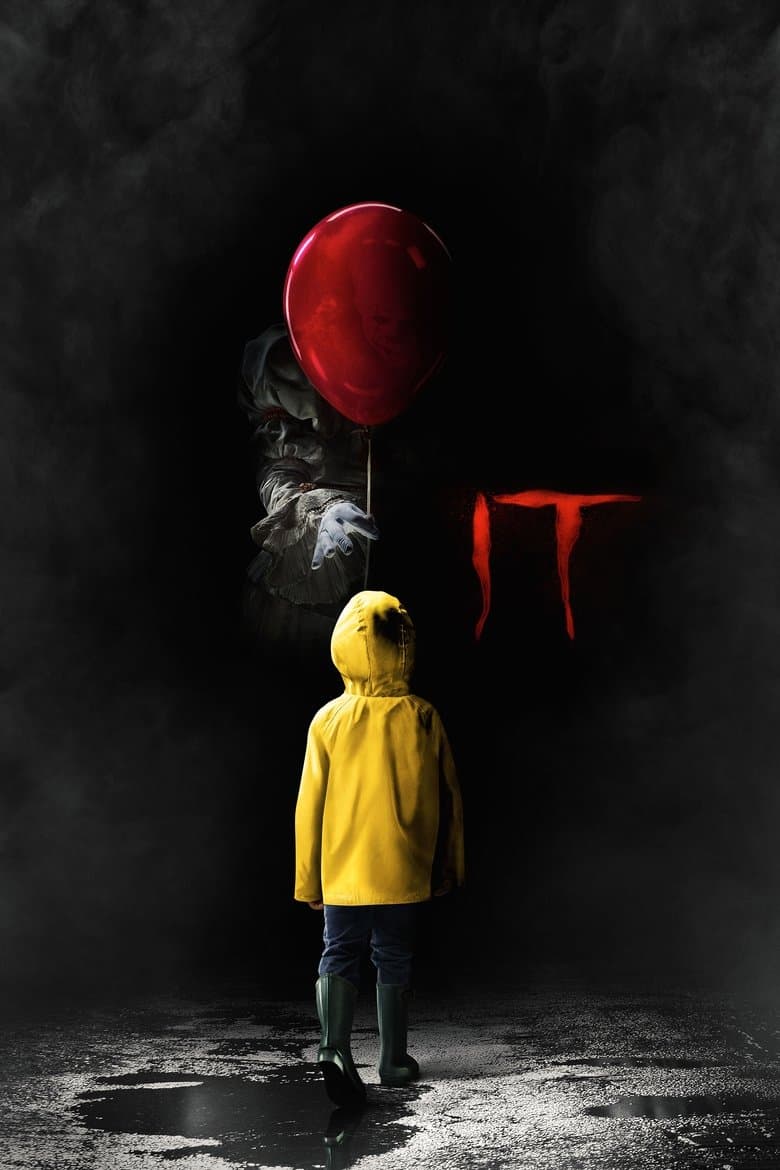
Movie · 2017
In a small town in Maine, seven children known as The Losers Club come face to face with life problems, bullies and a monster that takes the shape of a clown called Pennywise.
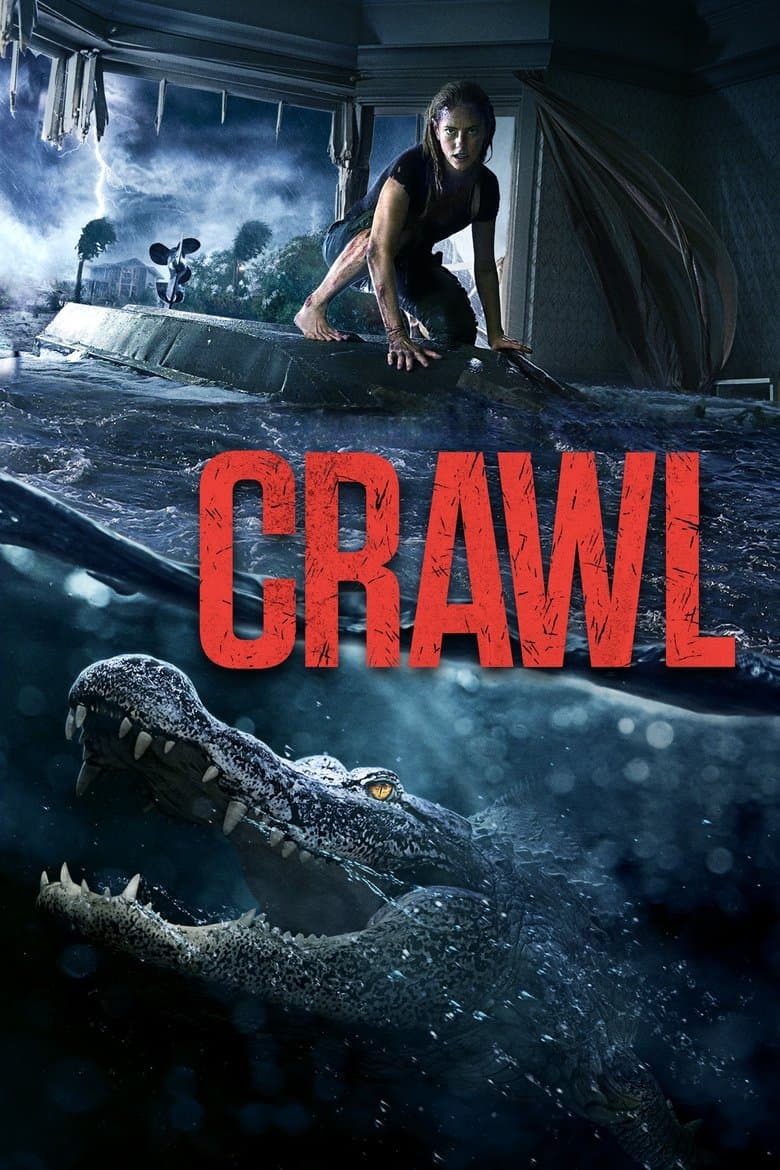
Movie · 2019
When a huge hurricane hits her hometown in Florida, Haley ignores evacuation orders to look for her father. After finding him badly wounded, both are trapped by the flood.
