
Beth is an American new mother living in London who travels to Split, Croatia, for a short trip with her best friend Kate. Kate wants a wild night out, but Beth feels tired, tied to her baby, and unsure about her marriage. After Beth wakes with no memory of the night, Kate has vanished and the local police begin to suspect Beth. Beth works with Zain, a Syrian taxi driver, to follow the clues through a bright tourist city that slowly turns tense and threatening.
The film gives its strongest message to female friendship, motherhood, and a woman’s right to choose her own life. Beth’s search reveals that Kate was killed after a police officer reacted badly to her refusal of sex. The story also shows that the officer had been accused by other women, while the police moved him instead of removing him. Beth rejects blame from her husband and takes control of the final confrontation. The thriller presents men who think they deserve sex, sexual violence, and police failure as connected problems.
Community feedback
Was our 38% Woke rating accurate?
Breakdown
These are the editorial factors and ratings behind our score for The Weekend Away.
Woke representation / casting
The film gives the main supporting ally role to Zain, a Syrian refugee and former nurse who helps Beth solve the case. His identity is stated on screen and he is shown as honest, skilled, and kind. His backstory explains why he is in Croatia, so the choice fits the story rather than looking like a random diversity pattern. The two central women are expected for a thriller about female friends.
12%
Woke political dialogue
Beth confronts Pavic after learning that he killed Kate after she rejected him. Beth says men call women “sluts” when they will not sleep with them. Kovac then explains that other women had accused Pavic of assault, but the department moved him instead of removing him. The film makes this a clear gender-focused message, but the dialogue is concentrated near the climax.
25%
Identity-driven story themes
The film centers a new mother who feels she gave up work and parts of her old life after having a baby. Beth and Kate’s friendship keeps returning to the question of who Beth was before marriage and motherhood. The murder plot links Kate’s sexual choices to a man’s anger, police judgment, and violence against women. Beth ends the story by rejecting her unfaithful husband and choosing to protect herself and her child.
36%
Western institutional / cultural critique
The local police first treat Beth as a likely killer and dismiss the missing-person report. The film later reveals that a police officer had faced claims of assault from several women and was moved instead of fired. The husband also blames Beth’s unhappiness for his affair before Beth rejects his excuse. These repeated failures make male entitlement and police protection of a bad officer an important part of the story.
35%
Woke character or canon changes
Not relevant. The film adapts Sarah Alderson’s modern novel and does not change a known character, canon, or real historical figure for an identity message.
0%
Anti-woke backlash and complaints
Not present. Audience and news discussion centers on plot twists, weak logic, the ending, and the treatment of sexual violence. No clear anti-woke or anti-DEI complaint appears in the reviewed coverage.
0%
Creator track record context
Kim Farrant’s cached context includes public comments about sexism in filmmaking, female-director underrepresentation, patriarchal gender norms, and women’s sexual freedom. Sarah Alderson has no widely documented activist or identity-politics advocacy. Most of the other listed producers and casting directors have little or no public activist record, although Andy Noble has EDI committee work. This gives the title moderate supporting context that matches its gender-focused story without making the creator history the main message.
30%
Production

Movie · 2019
A woman grieving over the death of her daughter loses grip of reality when she begins to think her girl may still be alive.

Movie · 2025
Violet, a widowed mother on her first date in years, arrives at an upscale restaurant where she is relieved that her date, Henry, is more charming and handsome than she expected.
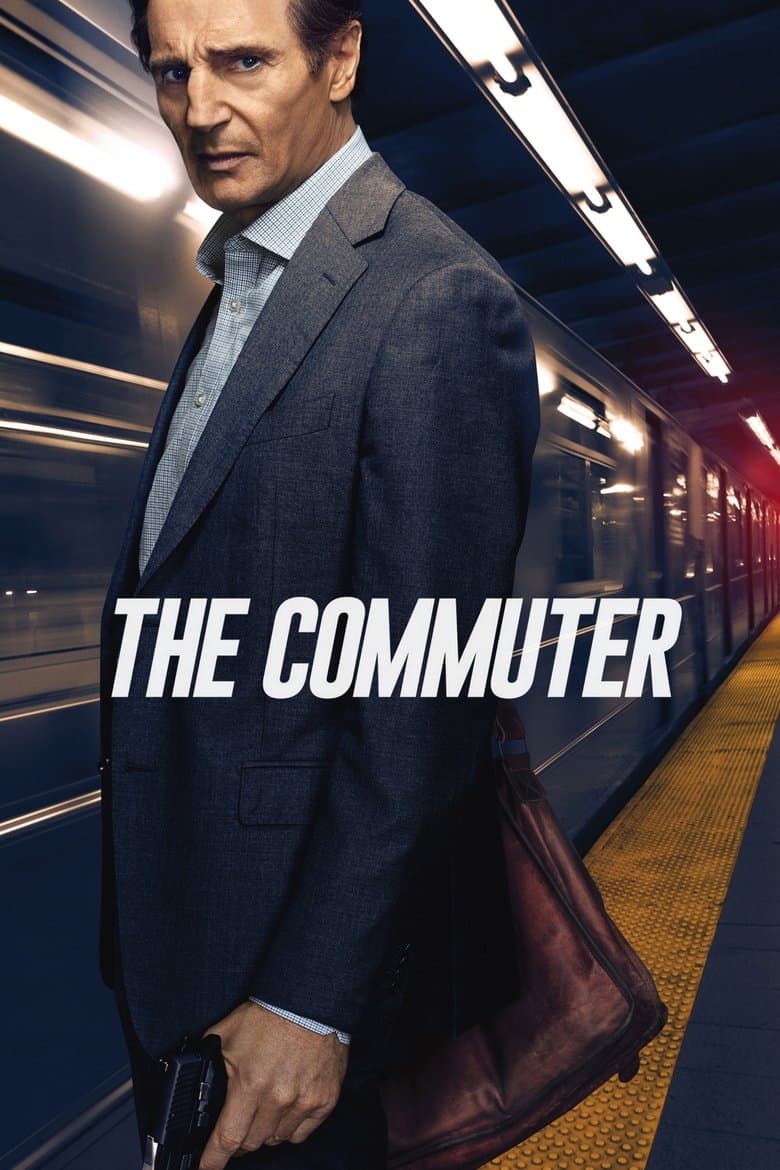
Movie · 2018
A businessman, on his daily commute home, gets unwittingly caught up in a criminal conspiracy that threatens not only his life but the lives of those around him.

Movie · 2017
Master car thieves square off against French gangsters in the South of France with money, women and lives all on the line.

Movie · 2016
A young American woman takes a job as a nanny in a remote English village, soon discovering that the family's eight-year-old son is a life-sized doll that comes with a list of…
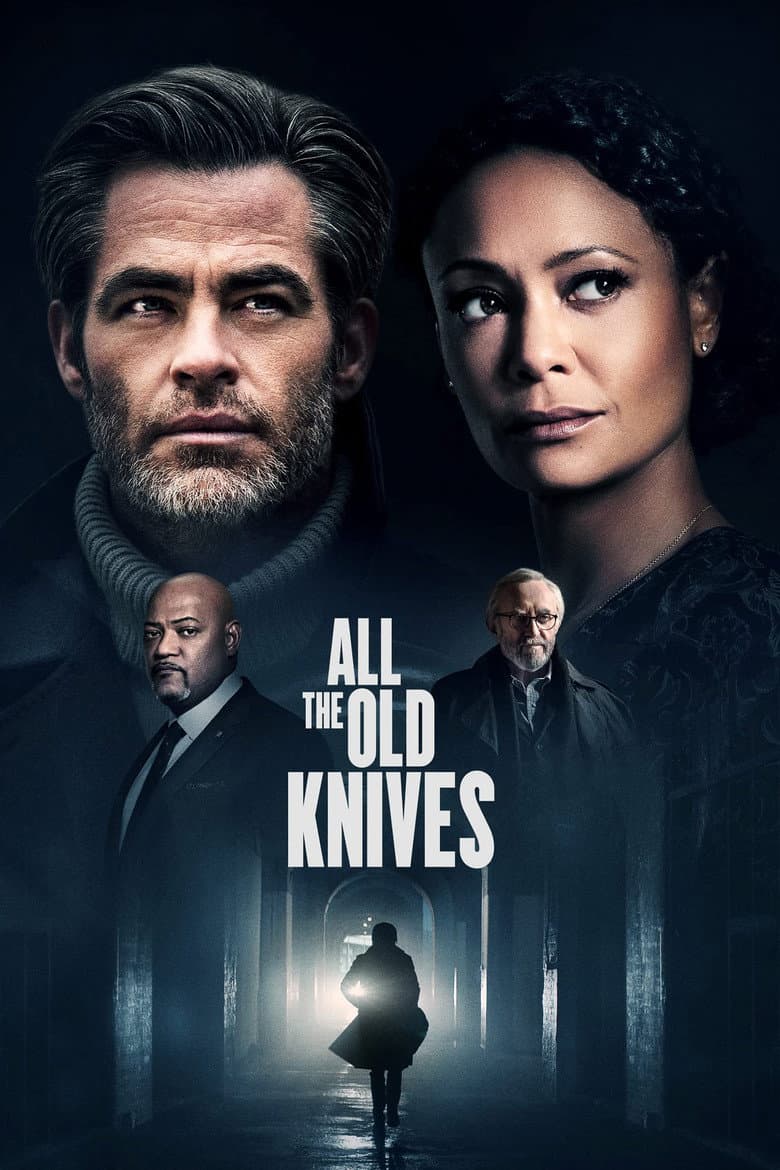
Movie · 2022
When the CIA discovers one of its agents leaked information that cost more than 100 people their lives, veteran operative Henry Pelham is assigned to root out the mole with his…
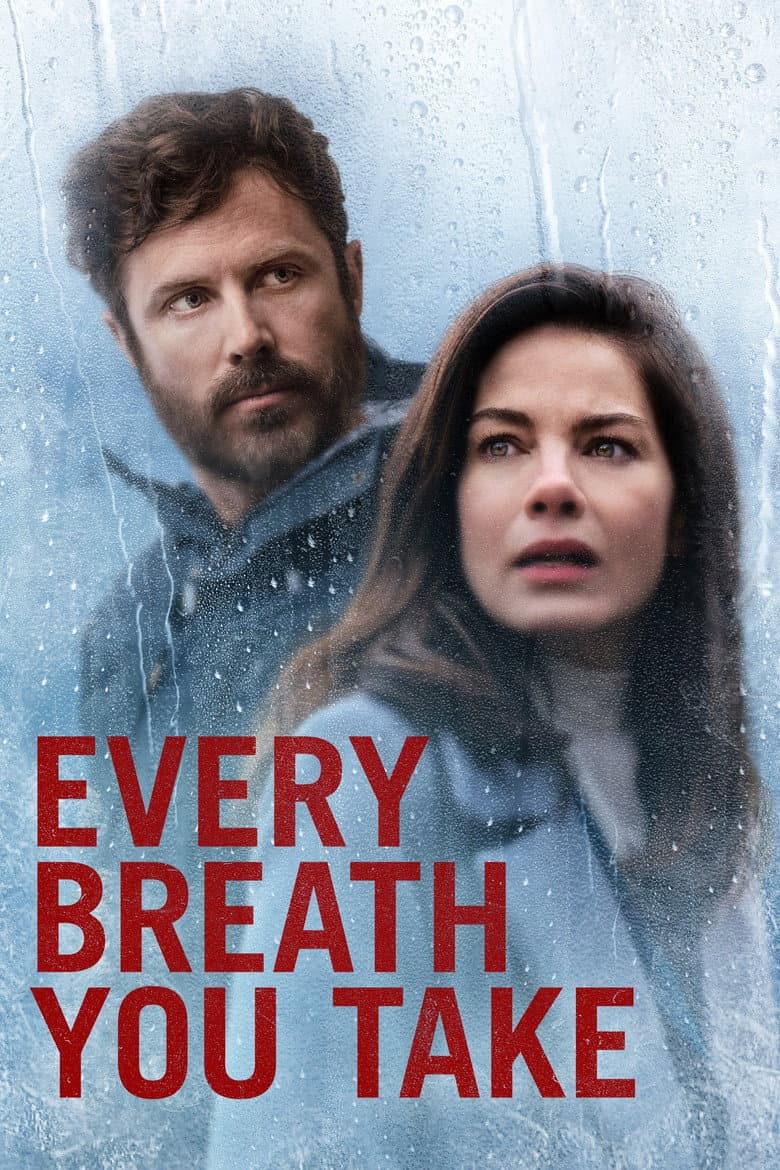
Movie · 2021
A psychiatrist, whose client commits suicide, finds his family life disrupted after introducing her surviving brother to his wife and daughter.
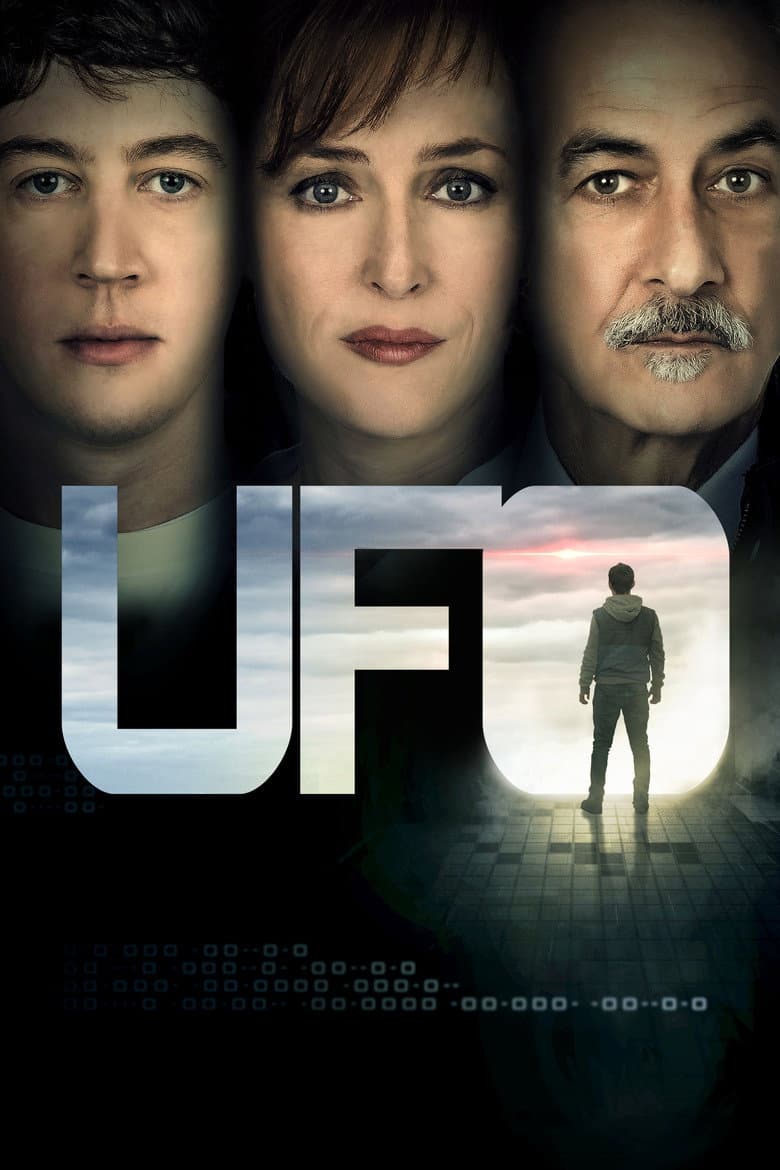
Movie · 2018
A college student, who sees a UFO, uses his exceptional math skills to investigate the sighting with his friends while the FBI follows closely behind.
