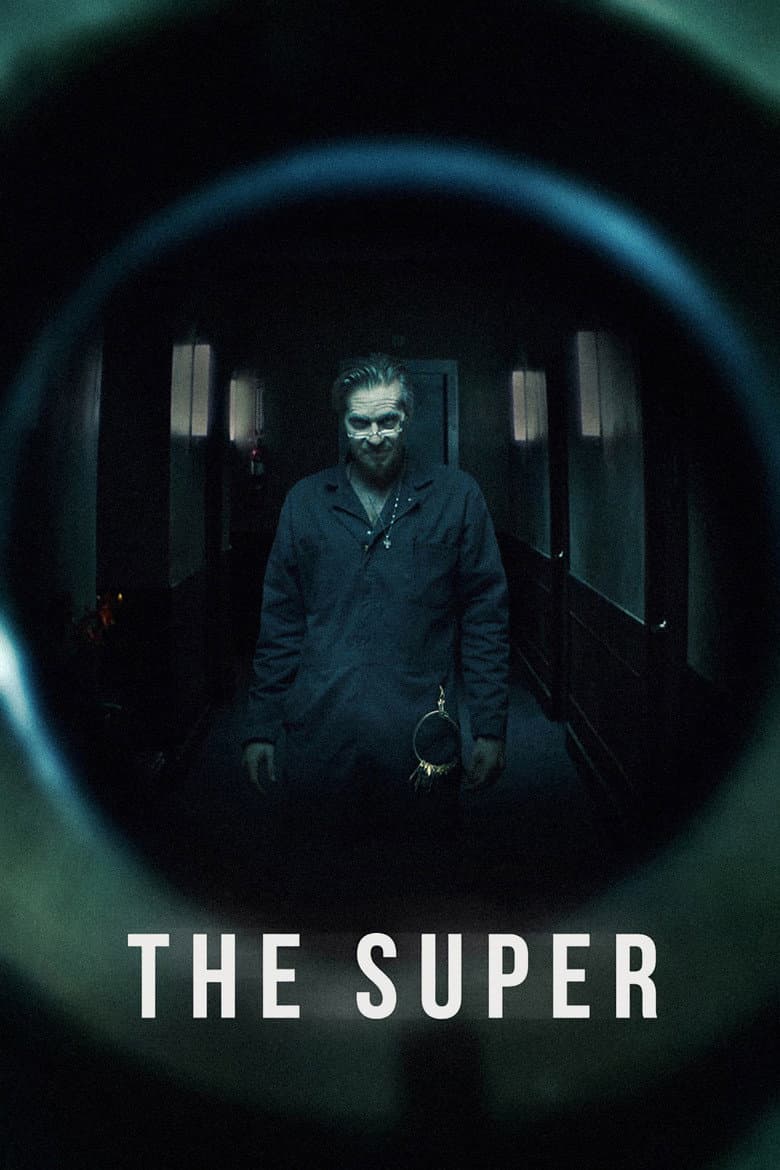
Phil Lodge is a former New York police officer who takes a job as the superintendent of a large Manhattan apartment building. He moves into a rough basement room with his teenage daughter Violet and his young daughter Rose after the death of his wife. Tenants begin to vanish, and Phil suspects that Walter, a strange maintenance worker, is behind the killings. Dark halls, hidden rooms, bloody attacks, and a late supernatural twist give the movie a grim horror tone.
The movie has little direct political or identity messaging. It presents a black teenage daughter and a white younger daughter as twin sisters, which creates a visible casting mismatch because the story gives no reason for their different skin colors. The building also contains Black, Latino, and South Asian workers and tenants, but the movie does not frame that mix as a diversity message. The story instead centers on grief, family guilt, a dead child, and a father who is led into murder.
Community feedback
Was our 22% Woke rating accurate?
Breakdown
These are the editorial factors and ratings behind our score for The Super.
Woke representation / casting
The film presents Phil as a white father with a black teenage daughter and a white younger daughter who are said to be twins. The story gives no reason for the twins to have different skin colors, so the family casting stands out. The building also has Black, Latino, and South Asian workers or tenants, but that mix is believable for modern New York. The marketing and interviews do not frame the cast as a diversity or empowerment project.
24%
Woke political dialogue
Violet says that removing old rent-controlled tenants would let the building raise prices. The line gives the mystery a brief anti-gentrification and anti-landlord angle. The idea is not repeated and does not grow into a larger political speech. The rest of the dialogue concerns family grief, police work, occult danger, and murder.
21%
Identity-driven story themes
Not present. The story centers on grief, family guilt, a dead child, and supernatural murder. It does not make identity politics, gender politics, queer life, or representation a main theme.
0%
Western institutional / cultural critique
Management treats an old rent-controlled tenant as a burden because she pays very little rent. Violet links the loss of such tenants to higher prices. This brief subplot points to landlord greed and housing pressure in New York. The movie does not expand the point into a wider attack on capitalism, religion, family life, or Western institutions.
21%
Woke character or canon changes
Not relevant. The film is an original apartment-building horror story. It does not retell known characters, an established franchise, or real historical events.
0%
Anti-woke backlash and complaints
Not present. The separate X check found no anti-woke reaction, and other reviewed posts discuss plot holes, the confusing ending, and weak scares. No reliable report ties this title to DEI, identity politics, or left-wing backlash.
0%
Creator track record context
Stephan Rick and John J. McLaughlin are mainly linked to thrillers, crime stories, and drama, with no clear activist record. Most producers also have commercial genre or television backgrounds. Casting director Avy Kaufman has worked on some queer-focused and diverse projects, but no public statement connects that work to this movie. The wider creative record therefore gives only a mild signal.
12%
Production
Movie · 2018
A man recently released from a mental institute inherits a mansion after his parents die. After a series of disturbing events, he comes to believe it is haunted.

Movie · 2016
A deaf woman is stalked by a psychotic killer in her secluded home.

Movie · 2024
A grieving woman in a secluded forest encounters a killer who injects her with a paralytic drug. As her body shuts down, her fight for survival begins.

Movie · 2017
Though Kevin has evidenced 23 personalities to his trusted psychiatrist, Dr. Fletcher, there remains one still submerged who is set to materialize and dominate all the others.
Movie · 2025
When Polly receives a mysterious box, it comes with one rule: place inside something she needs, something she hates, and something she loves.
Movie · 2021
The Blind Man has been hiding out for several years in an isolated cabin and has taken in and raised a young girl orphaned from a devastating house fire.
Movie · 2018
Following the death of the Leigh family matriarch, Annie and her children uncover disturbing secrets about their heritage.

Movie · 2024
A group of criminals kidnap a teenage ballet dancer, the daughter of a notorious gang leader, in order to obtain a ransom of $50 million, but over time, they discover that she is…
