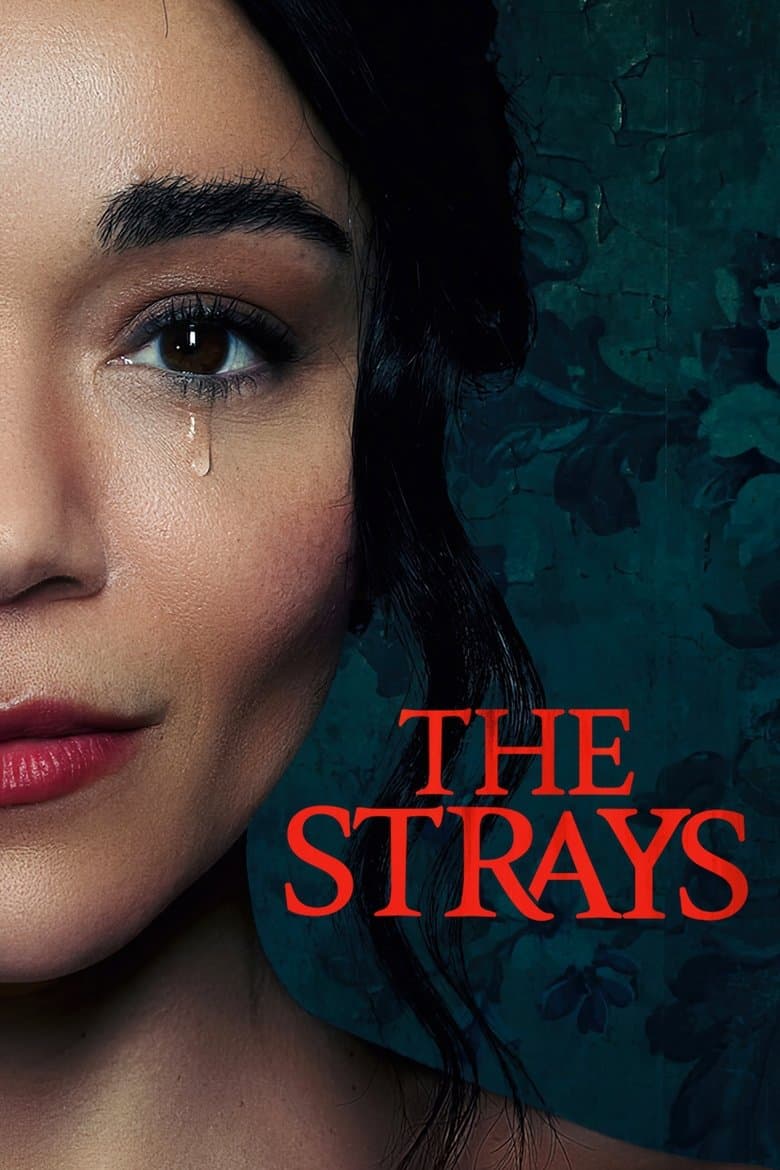
Neve is a deputy headmistress who lives with her white husband and two children in a neat English country town. She has built a rich, calm life after leaving a poor London home, but two dark-skinned young people from her past begin following the family. Neve hides her old name, old accent, and much of her black identity while she tries to protect her new life. The film uses a cold, uneasy thriller style with family fear and a sharp final turn.
The story makes race and class part of nearly every major choice. Neve changes her hair, voice, clothes, and manners so that her mostly white neighbors will accept her. The film shows her shame about her background, her daughter’s wish to wear natural styles, and the hurt caused by a mother who abandons her first children. It connects that pain to colorism, social status, family trauma, and the pressure to fit into white middle-class life.
Community feedback
Was our 76% Woke rating accurate?
Breakdown
These are the editorial factors and ratings behind our score for The Strays.
Woke representation / casting
The central cast is built around a mixed-race black woman, her two darker-skinned first children, and her lighter-skinned new family. That pattern makes race and family identity visible in every major role. The casting fits the story because the plot depends on the characters having different skin tones and backgrounds. Interviews also present the film as a black British story with a cast of actors of colour, which adds a clear representation focus.
33%
Woke political dialogue
Neve’s son says the family is black when she objects to Ian hiring a black woman. A neighbor tells Neve she is “practically one of us.” Another adult calls Mary’s braids “ethnic.” Neve calls the visitors “dodgy” and says they are from out of town. These lines return around race and belonging, but the film does not stop for a long political speech.
40%
Identity-driven story themes
Neve’s attempt to erase her Black past is the film’s main story. She changes her name, accent, hair, clothes, and behavior to pass inside a mostly white middle-class town. The film links that choice to colorism, shame, social class, family trauma, and the damage done to the children she left behind. The story keeps race and belonging at the center while asking viewers to rethink who is a victim and who is a threat.
78%
Western institutional / cultural critique
The film treats the mostly white suburb as a place where Neve must copy the right accent, clothes, hair, and manners to belong. It shows housing trouble, school status, and small racist insults as pressures on her old and new lives. Her charity gala for poor people in Africa adds a picture of polite wealth and social distance. The story criticizes this form of respectability and racial exclusion, but it does not attack Christianity or openly argue for socialism.
50%
Woke character or canon changes
Not relevant. The film is an original story inspired by a family account. It does not change a known character or retell a named historical event.
0%
Anti-woke backlash and complaints
One small Medium review called the film’s race-horror message a “woke narrative” and said it treats rejecting a black past as a moral problem. The same review appeared twice on X through a tiny account. A few Reddit users made similar complaints about the film pushing a race message. No wider anti-woke campaign was found.
23%
Creator track record context
Martello-White’s earlier work often deals with race, mixed identity, and black British life. Goligher has backed many queer and socially focused films. Brazzini often supports identity-aware dramas and stories about people on the edges of society. Watson’s record is more varied and has little public activist focus.
54%
Production
Movie · 2016
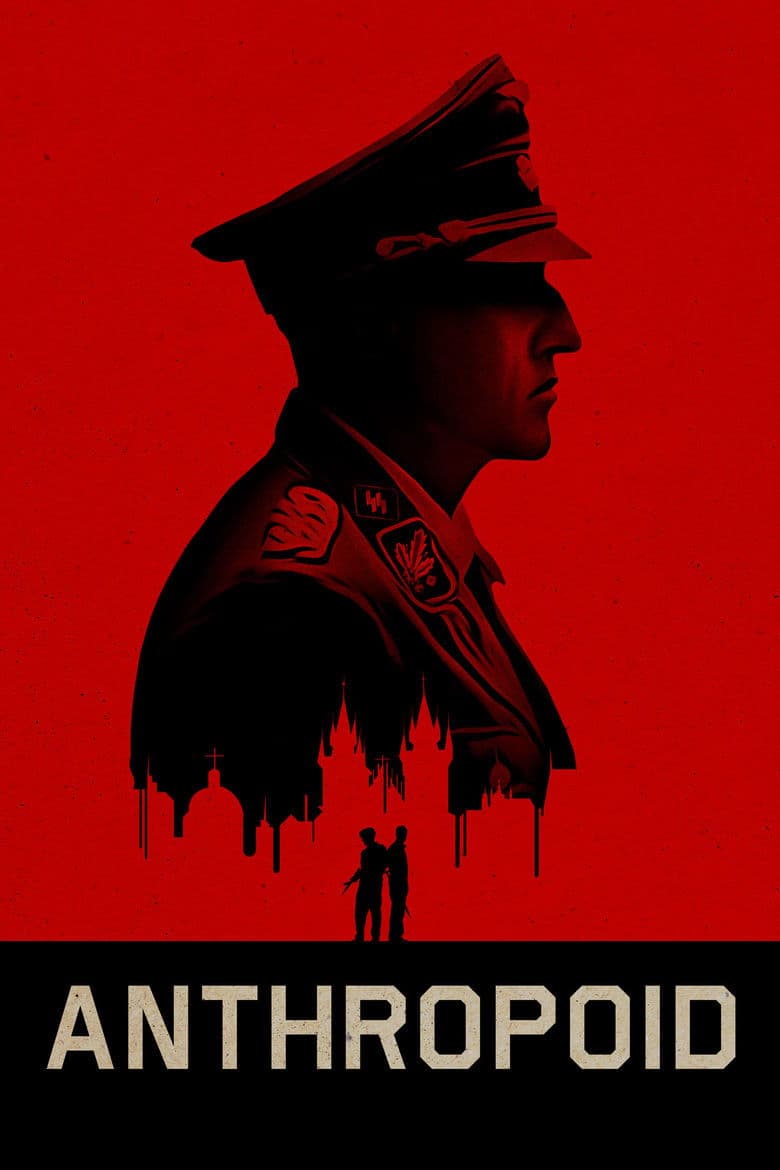
In December 1941, Czech soldiers Jozef Gabčík and Jan Kubiš parachute into their occupied homeland to assassinate Nazi officer Reinhard Heydrich.

Movie · 2022
For best friends Becky and Hunter, life is all about conquering fears and pushing limits. But after they climb 2,000 feet to the top of a remote, abandoned radio tower, they find…
Movie · 2025
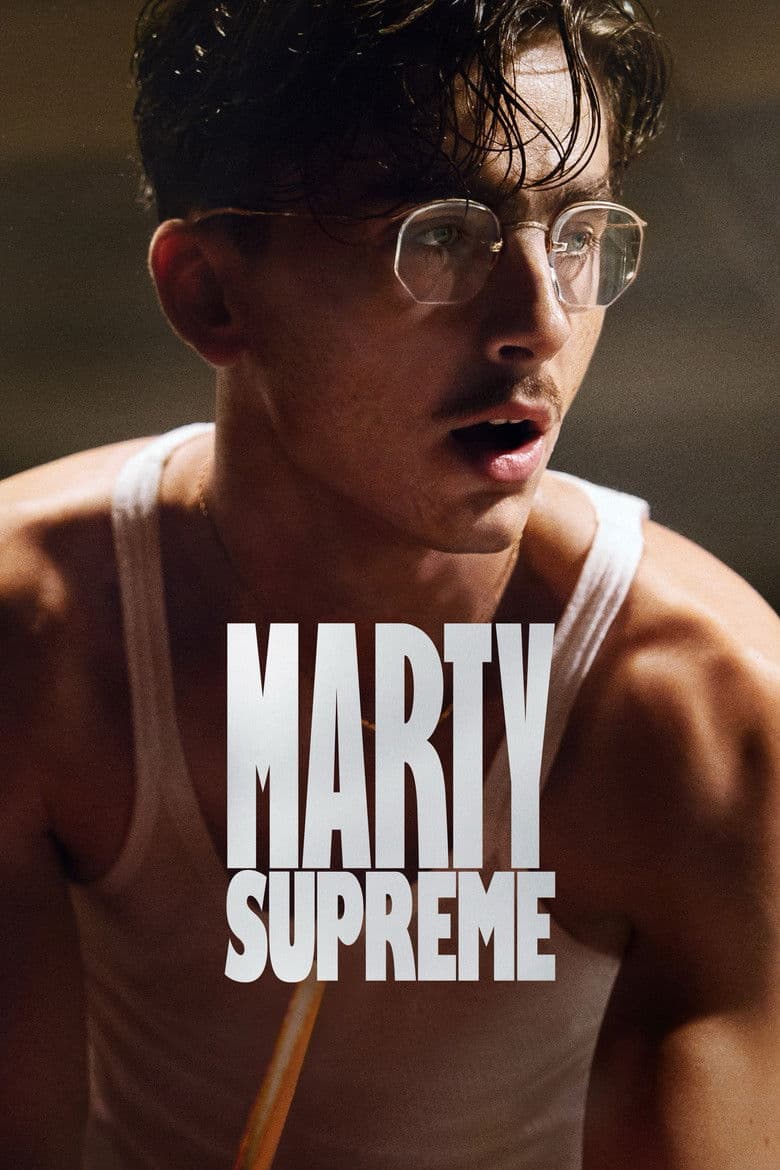
Marty Mauser, a young man with a dream no one respects, goes to hell and back in pursuit of greatness.

Movie · 2024
Nothing is what it seems when a twisted one-night stand spirals into a serial killer’s vicious murder spree.
Movie · 2021
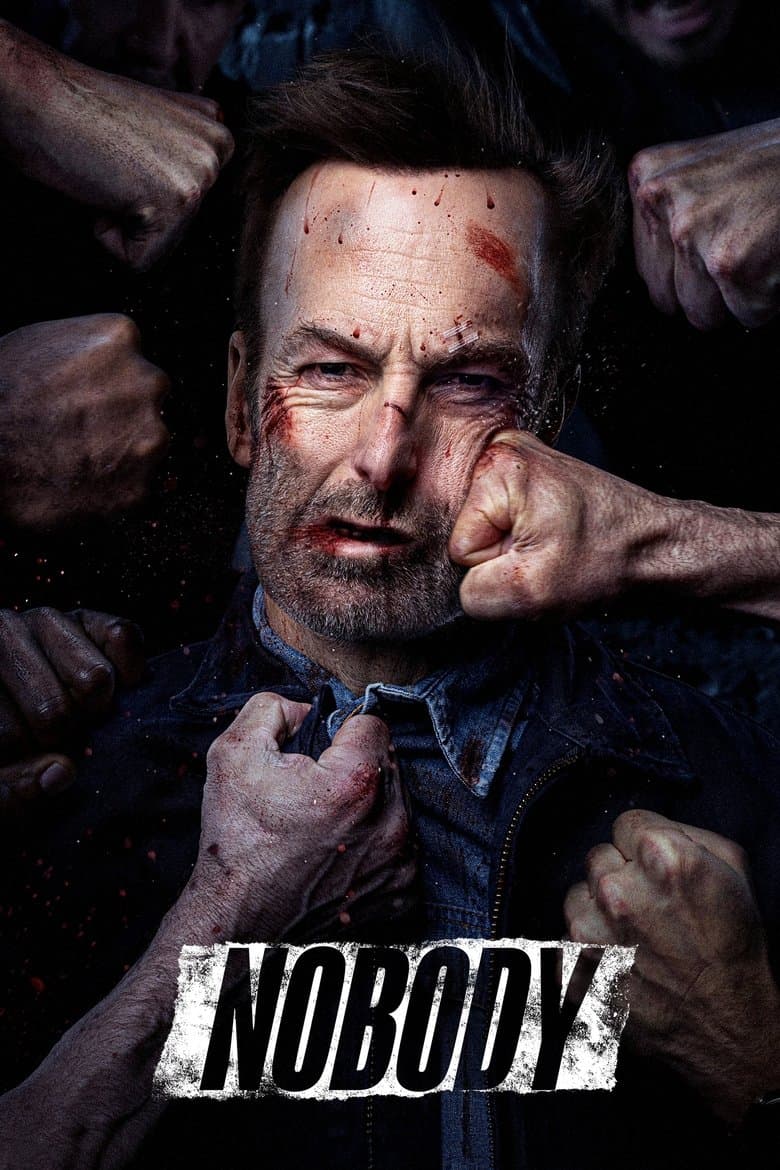
Hutch Mansell, a suburban dad, overlooked husband, nothing neighbor — a "nobody." When two thieves break into his home one night, Hutch's unknown long-simmering rage is ignited…
Movie · 2016
When Krisha returns to her estranged family for Thanksgiving dinner, past demons threaten to ruin the festivities.
Movie · 2023
During the war in Afghanistan, a local interpreter risks his own life to carry an injured sergeant across miles of grueling terrain.
Movie · 2025
Seasoned deep-sea divers battle the raging elements to rescue their crewmate trapped hundreds of feet below the ocean's surface.
