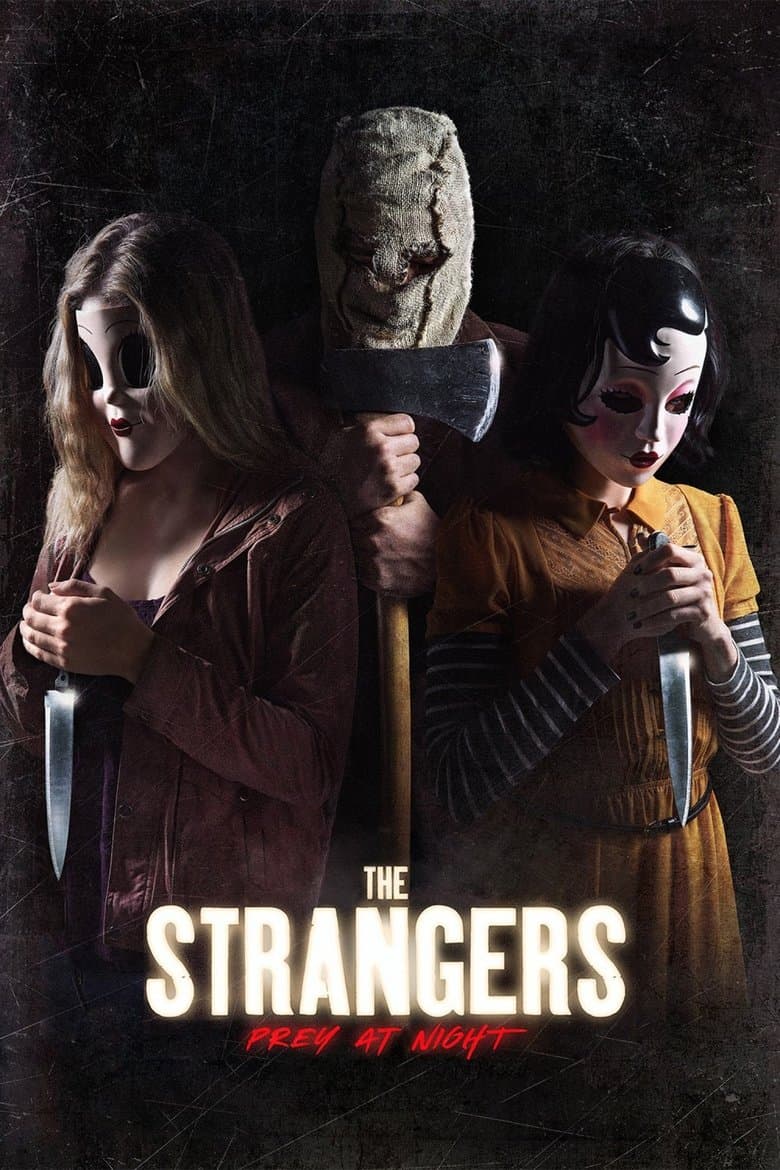
Kinsey is a troubled sixteen-year-old who is being sent to boarding school after a year of serious trouble. Her parents, Cindy and Mike, take her and her older brother Luke to a quiet trailer park owned by relatives. The park is empty, and three masked killers begin hunting the family after dark. The movie uses bright lights, old pop songs, long silences, sudden attacks, and bloody fights to create a loud and dreamlike slasher tone.
The story follows a family that is already arguing about money, trust, rules, and Kinsey's future before the killings start. The danger forces Kinsey and Luke to protect each other after their parents are murdered. Kinsey becomes the main survivor and fights the killers with a gun, a vehicle, fire, and quick choices. The movie treats family love and survival as its main ideas, while the masked strangers kill without a clear reason beyond the thrill of the hunt.
Community feedback
Was our 1% Woke rating accurate?
Breakdown
These are the editorial factors and ratings behind our score for The Strangers: Prey at Night.
Woke representation / casting
Not present. The two women in the family and the two male family members fit a normal horror-family setup. Kinsey survives and fights back, but the movie does not link her strength or the cast to a wider identity message.
0%
Woke political dialogue
Not present. The family argues about boarding school, money, and teenage behavior. No character gives political or activist speeches.
0%
Identity-driven story themes
Not present. The story centers on masked killers and a family trying to live. It does not make race, gender, sexuality, or group identity part of the conflict.
0%
Western institutional / cultural critique
Not present. The film shows family arguments and a failed emergency call, but it does not attack modern institutions or traditional social roles. The police officer appears briefly and is killed, which serves the horror plot.
0%
Woke character or canon changes
Not relevant. The sequel moves the action to a trailer park and changes the family, but those are ordinary sequel choices. It does not make a woke or identity-driven change to an established character or canon.
0%
Anti-woke backlash and complaints
Not present. Available complaints focus on weak scares, poor decisions, and the change from the first film's home invasion style. No meaningful anti-woke or right-leaning campaign against the movie was found.
0%
Creator track record context
Available background records for the director, writers, casting team, script supervisor, and producers range from 0 to 15, with most under 10. Producer David Dinerstein worked on Summer of Soul, a film about black music history. That is a mild identity-related context, and it is not tied to this movie. The director and writers are mainly linked to horror, crime, and action stories.
5%
Production

Movie · 2017
Two sisters on Mexican vacation are trapped in a shark observation cage at the bottom of the ocean, with oxygen running low and great whites circling nearby, they have less than…
Movie · 2026
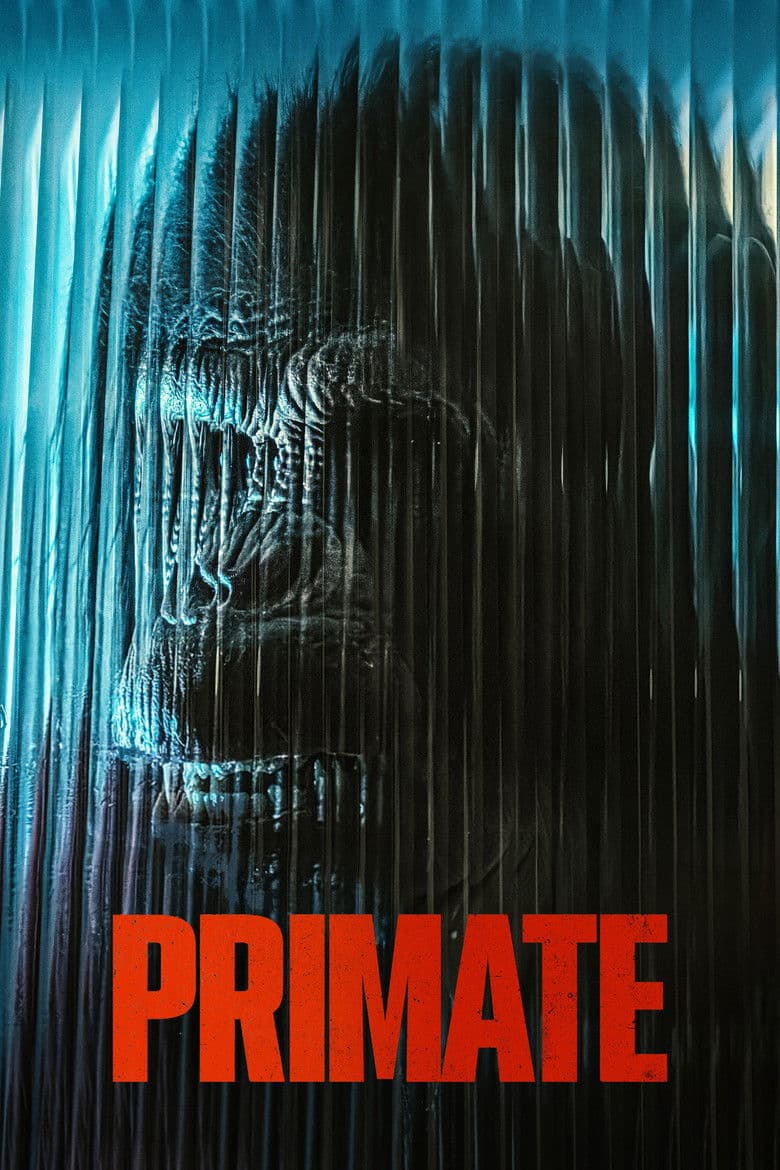
College student Lucy and her friends spend their vacation at her family's home in Hawaii, which includes her pet chimpanzee, Ben.
Movie · 2021
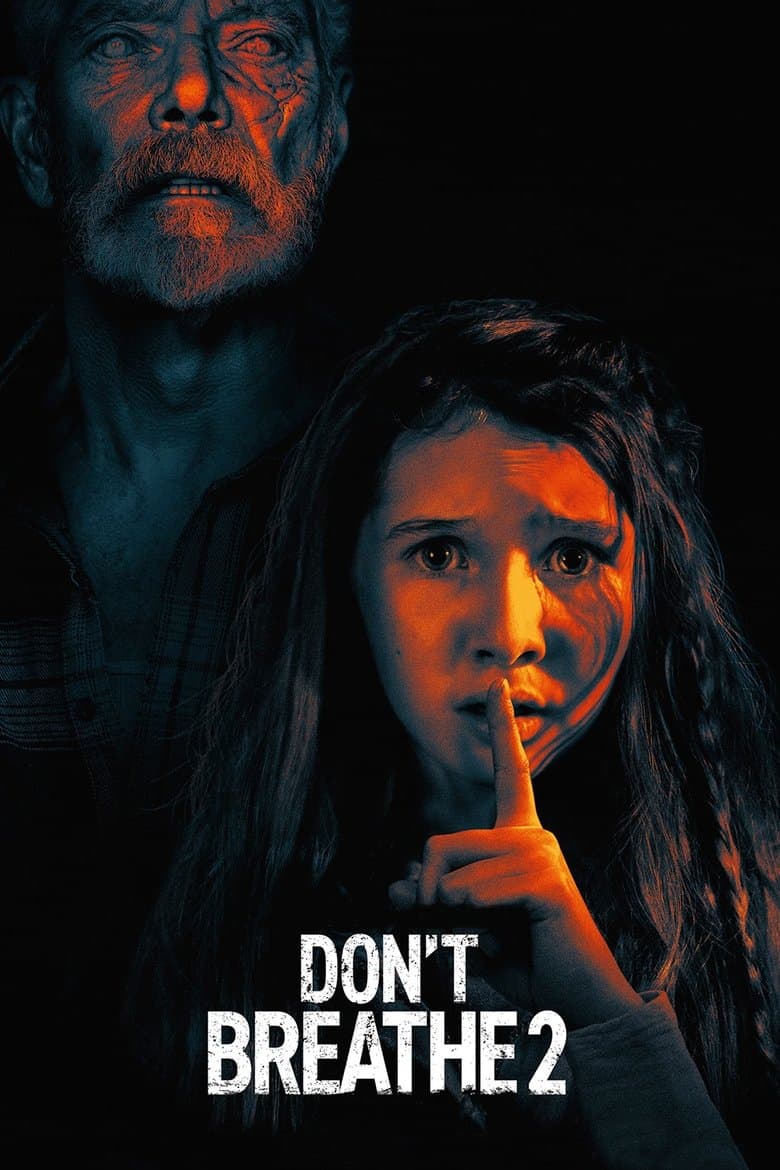
The Blind Man has been hiding out for several years in an isolated cabin and has taken in and raised a young girl orphaned from a devastating house fire.
Movie · 2018
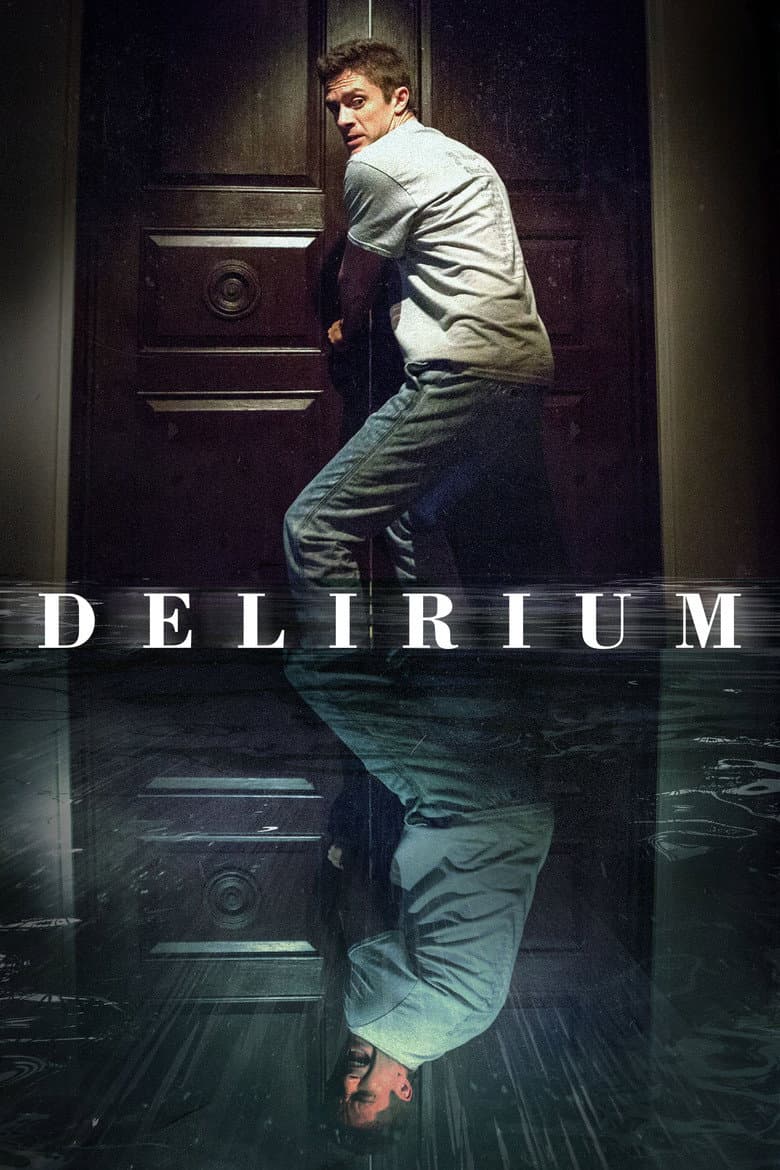
A man recently released from a mental institute inherits a mansion after his parents die. After a series of disturbing events, he comes to believe it is haunted.
Movie · 2016
An evening of drunken prank calls becomes a nightmare for a pair of teenagers when a mysterious stranger turns their own game against them.
Movie · 2019
When a 12-year-old boy goes missing at a local park, a detective investigates the case to help the boy's family find answers.
Movie · 2025
When Polly receives a mysterious box, it comes with one rule: place inside something she needs, something she hates, and something she loves.

Movie · 2025
A collection of Halloween-themed videotapes unleashes a series of twisted, blood-soaked tales, turning trick-or-treat into a struggle for survival.
