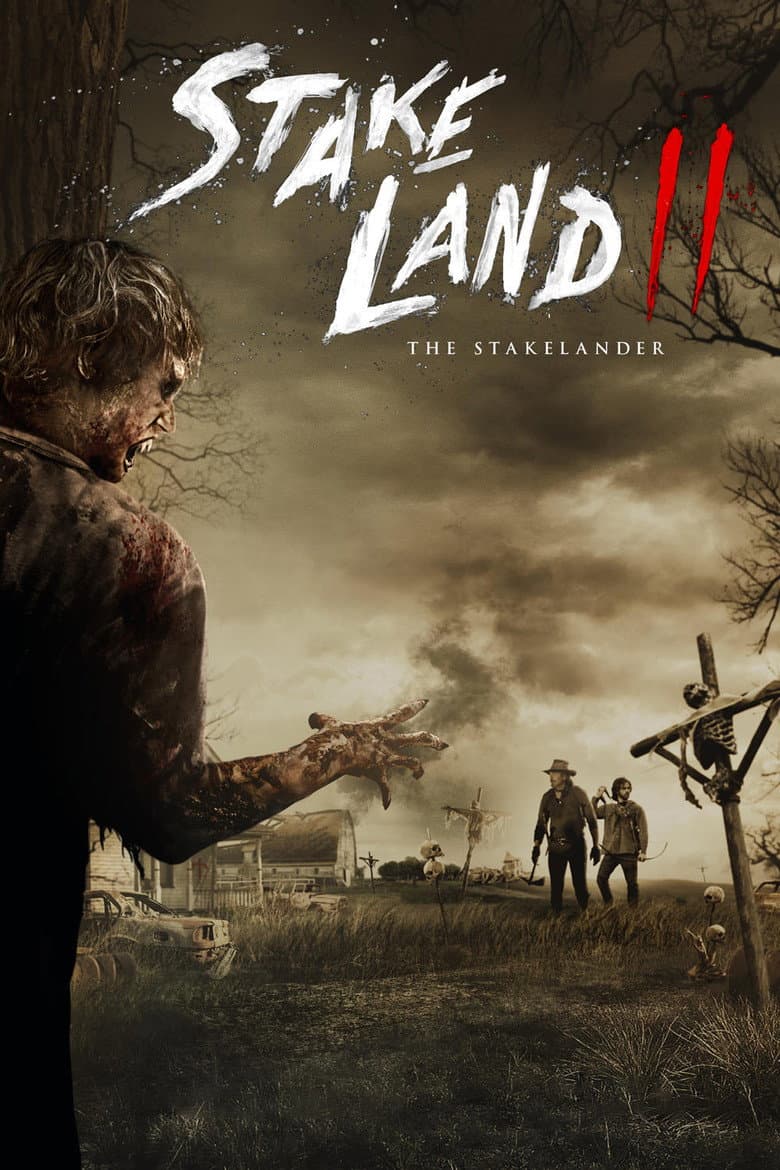
Martin lives with his wife and young daughter in New Eden, a small refuge in a vampire-ruined America. A Brotherhood cult and its vampire leader destroy the settlement, so Martin travels through the badlands to find Mister, the hunter who once trained him. Martin wants revenge, but Mister wants him to let go of the past. The movie has a bleak, violent action-horror tone with brief moments of hope.
The clearest woke element is a visible interracial male couple, Bat and Doc Earl, who run a survivor compound and fight beside Martin and Mister. The movie shows their love and gives both men useful jobs, including doctor and defender, but their relationship stays a small side part of the revenge plot. The story also presents the Brotherhood's Christian language as part of a violent cult, with talk of God, sin, a messiah, and heretics. The film does not turn these ideas into a modern political speech, so its identity and cultural signals remain limited.
Community feedback
Was our 32% Woke rating accurate?
Breakdown
These are the editorial factors and ratings behind our score for The Stakelander.
Woke representation / casting
Bat and Doc Earl form an interracial male couple in the survivor settlement. Doc Earl is a black veterinarian who works as the settlement's doctor, and Bat helps protect the base. These are visible supporting roles, but the movie does not frame the casting as a diversity campaign, and the main story stays with Martin and Mister.
19%
Woke political dialogue
Not present. The movie has religious cult prayers and threats about God, sin, a messiah, and heretics. It does not use modern identity, gender, DEI, or activist political lines.
0%
Identity-driven story themes
Bat and Doc Earl are shown as a male couple who live together and fight beside the main heroes. The couple says they love each other before the final battle. Their relationship gives the survivor group warmth and support, but it does not drive Martin's revenge. Martin's bond with Mister remains the main emotional thread.
24%
Western institutional / cultural critique
The Brotherhood uses Christian words such as God, sin, messiah, heretics, and Jesus. The movie links that group to vampire worship, torture, killing, and attacks on safe settlements. Survivors take over a former convent and build a safer community outside the Brotherhood's control. The story does not connect this religious critique to current party politics, capitalism, patriarchy, or other modern causes.
29%
Woke character or canon changes
Not relevant. The sequel makes Martin older and gives him a wife and daughter, but it does not make a woke race, gender, sexuality, or hero-role change to an established character.
0%
Anti-woke backlash and complaints
A horror review complained that the male couple felt inserted to make the film look liberal. That complaint directly targeted the movie's gay representation. X searches found no anti-woke reaction, and no broad news backlash was found.
17%
Creator track record context
Robert Olsen and Dan Berk have low creator scores and are known mainly for genre films. Nick Damici also has a low score and talks about horror craft and strong male friendship rather than activism. Most producers have low scores, but Badie Ali and Hamza Ali have stronger recent activism and representation-focused work through Watermelon Pictures. That producer context raises the score slightly, but it does not show that this film was built around an activist message.
26%
Production
Movie · 2024
When a kind of rabies that transforms people into aggressive creatures spreads across the planet, Manel isolates himself at home with his cat, relying on his wits to survive; but…
Movie · 2018
After losing his parents, a priest travels to China, where he inherits a mysterious ability to turn into a dinosaur.
Movie · 2025
During the Vietnam War, a recon unit ventures to an isolated jungle valley to uncover the fate of a missing platoon.
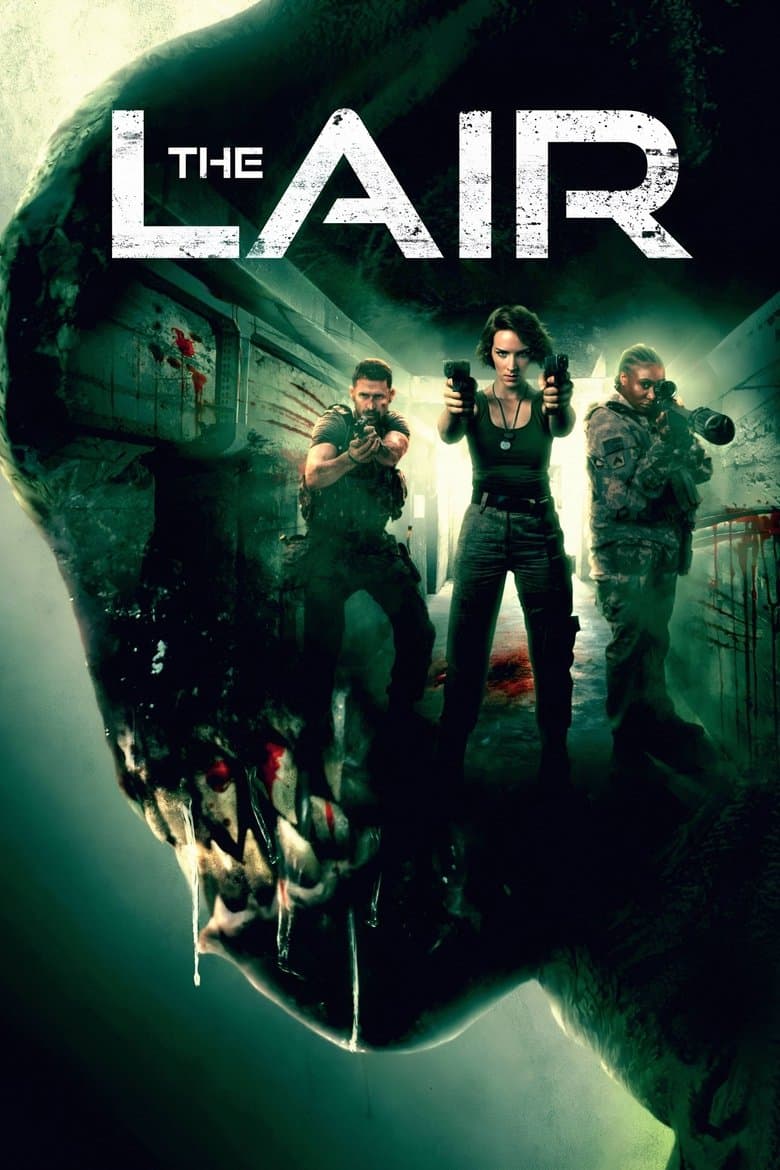
Movie · 2022
Royal Air Force pilot Lt. Kate Sinclair is on her final flight mission when her jet is shot down over one of the most dangerous rebel strongholds in Afghanistan.
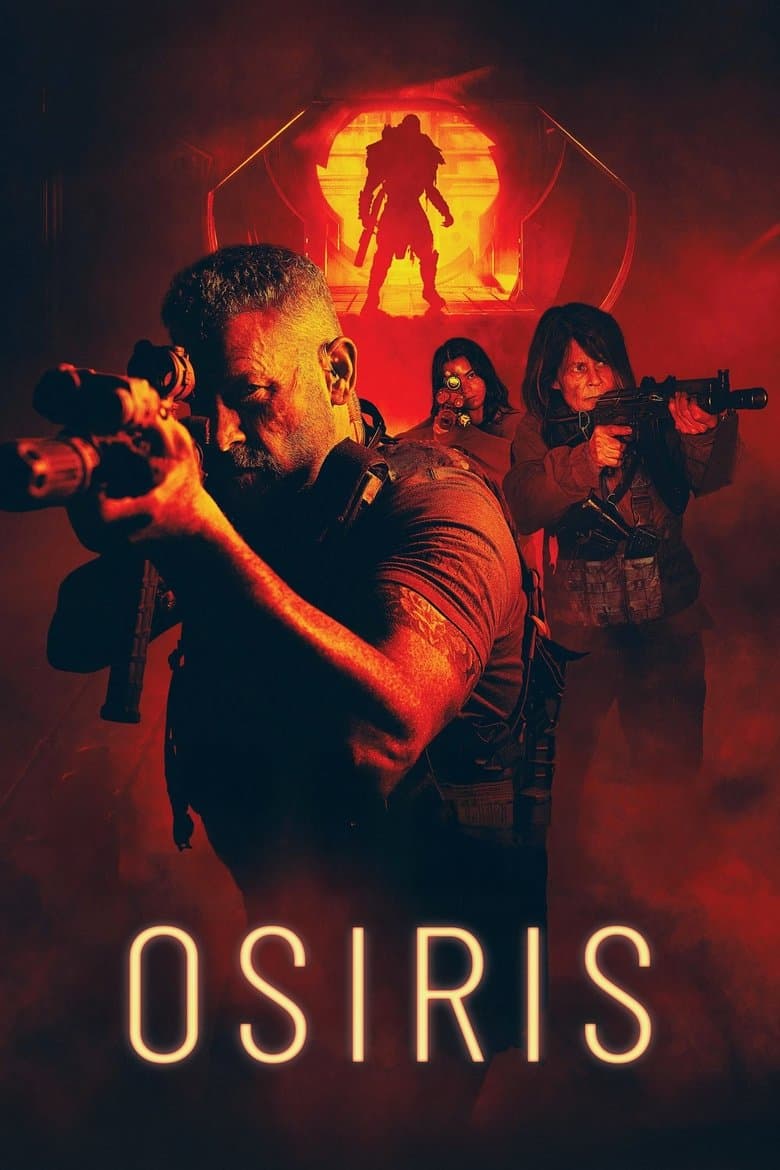
Movie · 2025
Special Forces commandos on a mission are abducted mid-operation by a mysterious spacecraft. Upon waking aboard, they find themselves prey to a relentless alien race in a fight…
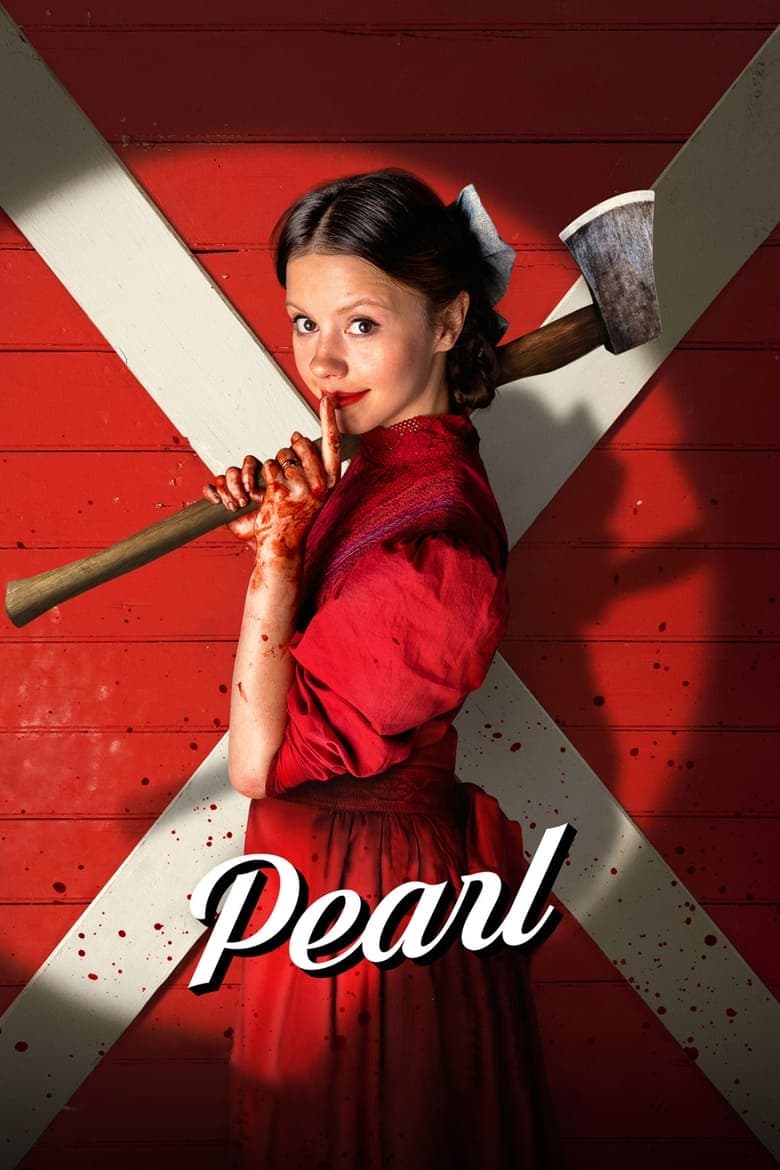
Movie · 2022
Trapped on her family’s isolated farm, Pearl must tend to her ailing father under the bitter and overbearing watch of her devout mother.
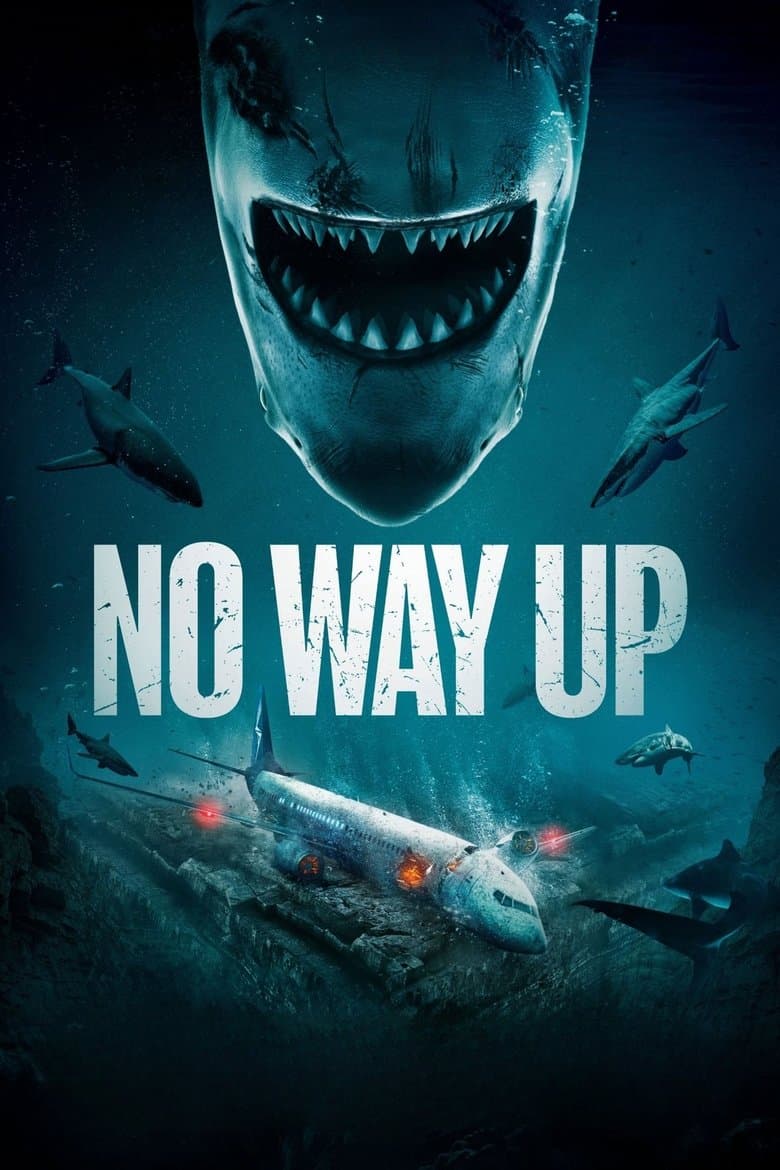
Movie · 2024
Characters from different backgrounds are thrown together when the plane they're travelling on crashes into the Pacific Ocean.
Movie · 2026
After breaking the mysterious "One Wish Willow" to win his crush's heart, a hopeless romantic finds himself getting exactly what he asked for but soon discovers that some desires…
