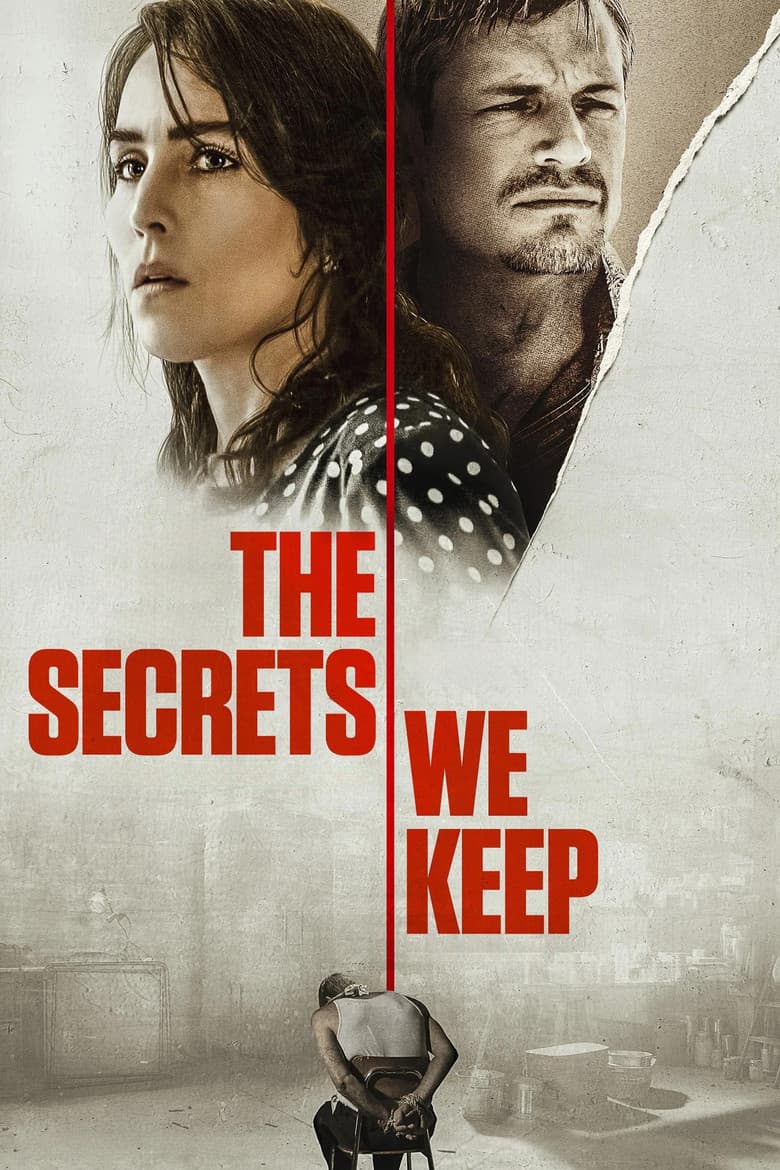
In the late 1950s, Maja lives with her American husband, Lewis, and their young son in a quiet suburb. Maja is a Romani survivor of wartime abuse who thinks a new neighbor is the German soldier who hurt her and killed her sister. She kidnaps him and hides him in the family basement while Lewis tries to learn whether she has found a war criminal or an innocent man. The film keeps a tense, grim mood as the couple's safe home turns into a place of fear, doubt, and revenge.
The film puts Maja's Romani identity at the center of the story, and her memories of the persecution of Roma people drive the plot. Maja is also the person who takes control of the investigation and the violence, while Lewis struggles to follow her choices. The story asks whether a survivor can heal through revenge, and it gives no easy answer about memory, justice, or forgiveness. These themes are serious and important, but they appear as part of a historical thriller rather than a modern activist campaign.
Community feedback
Was our 31% Woke rating accurate?
Breakdown
These are the editorial factors and ratings behind our score for The Secrets We Keep.
Woke representation / casting
The film centers Maja, a Romani woman who rebuilt her life in a 1950s American suburb. Rapace and Adler said the role changed from Jewish to Romani so the film could bring attention to Roma history. Maja also holds the main active role while her American husband becomes her helper and doubter. The film has one clear identity-centered lead choice, but it does not build a broad diversity-first cast.
31%
Woke political dialogue
Not present. The dialogue deals with war crimes, memory, marriage, and revenge. It does not use modern identity, DEI, or activist slogans.
0%
Identity-driven story themes
Maja's Romani identity shapes her memories, her family history, and her decision to take revenge. The film returns to the Nazi persecution of Roma people through flashbacks and her talks with Lewis. The story also centers a woman's attempt to control the fate of the man she believes harmed her. The film treats these issues as a personal war story about trauma, memory, and forgiveness, not as a current identity-politics message.
34%
Western institutional / cultural critique
Not present. The story shows a 1950s suburb and a family hiding a crime. It does not attack modern Western institutions, traditional family life, Christianity, or conservatives.
0%
Woke character or canon changes
Not relevant. The film has no established franchise characters or named historical figures whose identity is changed.
0%
Anti-woke backlash and complaints
Not present. The supplied X research found no anti-woke posts about the film. Web, Reddit, and audience pages mainly discuss pacing, plot logic, violence, and the ending. No meaningful complaint says the film pushes DEI, identity politics, or left-wing messaging.
0%
Creator track record context
Yuval Adler has a mild political track record built around conflict and security stories, with no clear public DEI persona. Ryan Covington has a small public record and no known activist pattern. Noomi Rapace has a stronger feminist public profile, and she produced the film and helped push Maja's change from Jewish to Romani. That context matches the film's focus on a female survivor and Roma history, but it does not show a broad activist campaign around the movie.
29%
Production

Movie · 2019
In New York, former convict Pete Koslow, related to the Polish mafia, must deal with both Klimek the General, his ruthless boss, and the twisted ambitions of two federal agents…

Movie · 2016
Irish Commandant Pat Quinlan leads a stand off with troops against French and Belgian Mercenaries in the Congo during the early 1960s.

Movie · 2023
In 1988, American video game salesman Henk Rogers discovers the video game Tetris. When he sets out to bring the game to the world, he enters a dangerous web of lies and…

Movie · 2024
While serving as a juror in a high profile murder trial, family man Justin Kemp finds himself struggling with a serious moral dilemma…one he could use to sway the jury verdict and…

Movie · 2017
The story of the kidnapping of 16-year-old John Paul Getty III and the desperate attempt by his devoted mother to convince his billionaire grandfather Jean Paul Getty to pay the…

Movie · 2017
A newly-released prison gangster is forced by the leaders of his gang to orchestrate a major crime with a brutal rival gang on the streets of Southern California.

Movie · 2021
A head chef balances multiple personal and professional crises at a popular restaurant in London.

Movie · 2021
A truffle hunter who lives alone in the Oregon wilderness must visit Portland to find the mysterious person who stole his beloved foraging pig.
