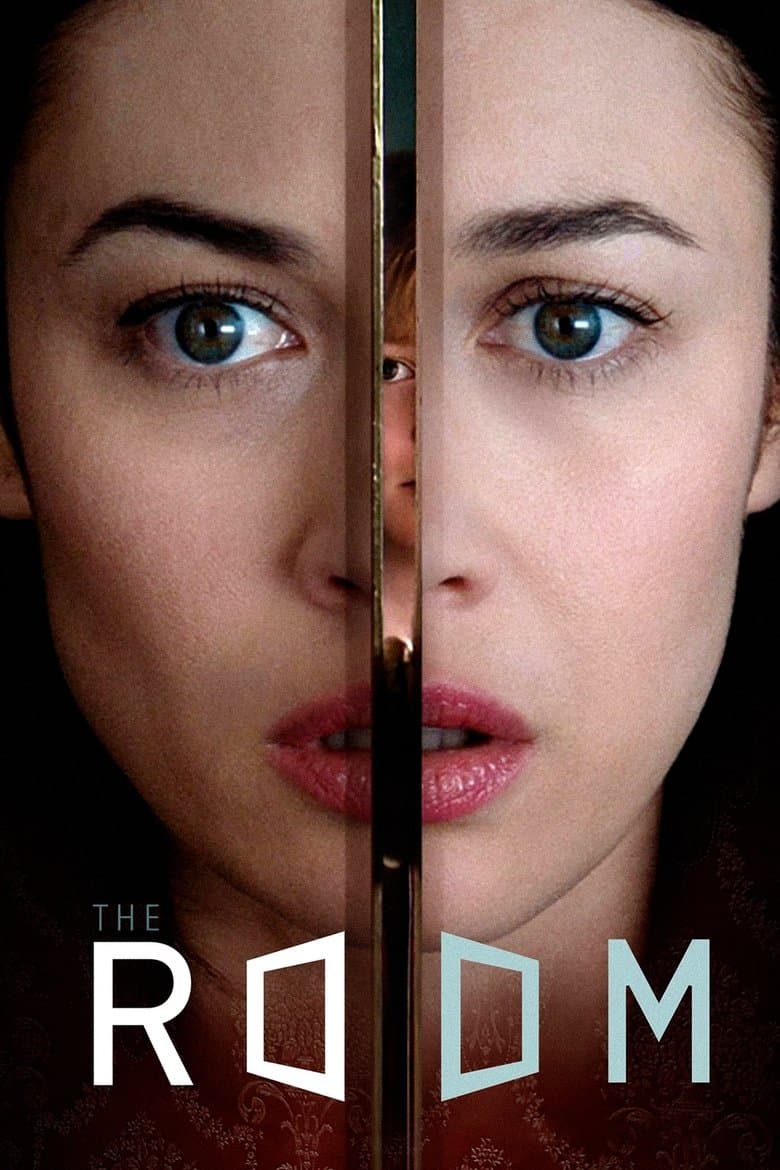
Kate and Matt leave the city for a worn house in the country after two painful miscarriages. They find a hidden room that can make almost anything they ask for, from money and food to a child. Kate creates Shane, but the room's gifts cannot live outside the house, and the couple's fear and guilt turn their new home into a trap. The film starts as a quiet mystery and grows into dark body horror about a family losing control.
The film centers on grief, parenthood, and the danger of getting everything without effort. Kate's wish gives her a child but also creates a fight over who gets to decide what the family should be. Matt first pushes for a baby and then rejects Shane, while Kate tries to protect a child who is not normal. Shane's need for freedom turns the parents' wish into a violent struggle, and the ending leaves Kate facing another pregnancy.
Community feedback
Was our 20% Woke rating accurate?
Breakdown
These are the editorial factors and ratings behind our score for The Room.
Woke representation / casting
Not present. The film does not show diversity-first casting, race or gender swaps, or public identity framing around its roles. Kate's central role is part of the family story, not an empowerment campaign.
0%
Woke political dialogue
Not present. The dialogue deals with wishes, grief, money, family, and survival. It does not use activist or identity-politics language.
0%
Identity-driven story themes
The film gives Shane a short arc about rejecting a life and identity imposed by his parents. Shane wants to leave the house and define his own life, while Kate and Matt try to control him. The idea is tied to child freedom and family trauma, not to race, sex, sexuality, or a current group struggle. This makes the identity-driven element mild and secondary to the horror plot.
14%
Western institutional / cultural critique
The film attacks materialism by showing money, luxury, and food lose their value when they come too easily. The director also linked the wish room to overconsumption, waste, and the gap between richer and poorer parts of the world. The family conflict adds a mild picture of male pressure over a woman's choice about having a child. The film does not target a named Western institution or call for a political program.
24%
Woke character or canon changes
Not relevant. The film is an original story about a wish-granting room. It borrows the old idea of dangerous wishes, but it does not change a known character, canon, or real historical figure.
0%
Anti-woke backlash and complaints
Not present. The separate X pass found no anti-woke posts or named complaints. Wider coverage focused on the horror idea, family conflict, and streaming success rather than DEI or identity politics.
0%
Creator track record context
The director and most writers have little or no documented activist record. Sabrina B. Karine has a modest women-centered record. Several producers support gender and diversity work through their wider film careers. This gives the creator context a low score.
18%
Production

Movie · 2018
A filmmaker discovers a box of video tapes depicting two students' disturbing film project featuring a local horror legend, The Peeping Tom.
Movie · 2016
In the middle of a routine patrol, officer Daniel Carter happens upon a blood-soaked figure limping down a deserted stretch of road.
Movie · 2018
After suspecting that their police officer neighbor is a serial killer, a group of teenage friends spend their summer spying on him and gathering evidence, but as they get closer…
Movie · 2018
A family is forced to live in silence while hiding from creatures that hunt by sound.
Movie · 2017
A service which creates holographic projections of late family members allows an elderly woman to spend time with a younger version of her deceased husband.
Movie · 2021
A small-town Oregon teacher and her brother, the local sheriff, discover a young student is harbouring a dangerous secret that could have frightening consequences.
Movie · 2017
The widow of a wise professor stumbles upon one of his inventions that's able to record and play a person's memory.
Movie · 2017
Two brothers return to the cult they fled from years ago to discover that the group's beliefs may be more sane than they once thought.
