Movie review
August 18, 2016 · 102 min · PG · Kids · Animation · Adventure · Family
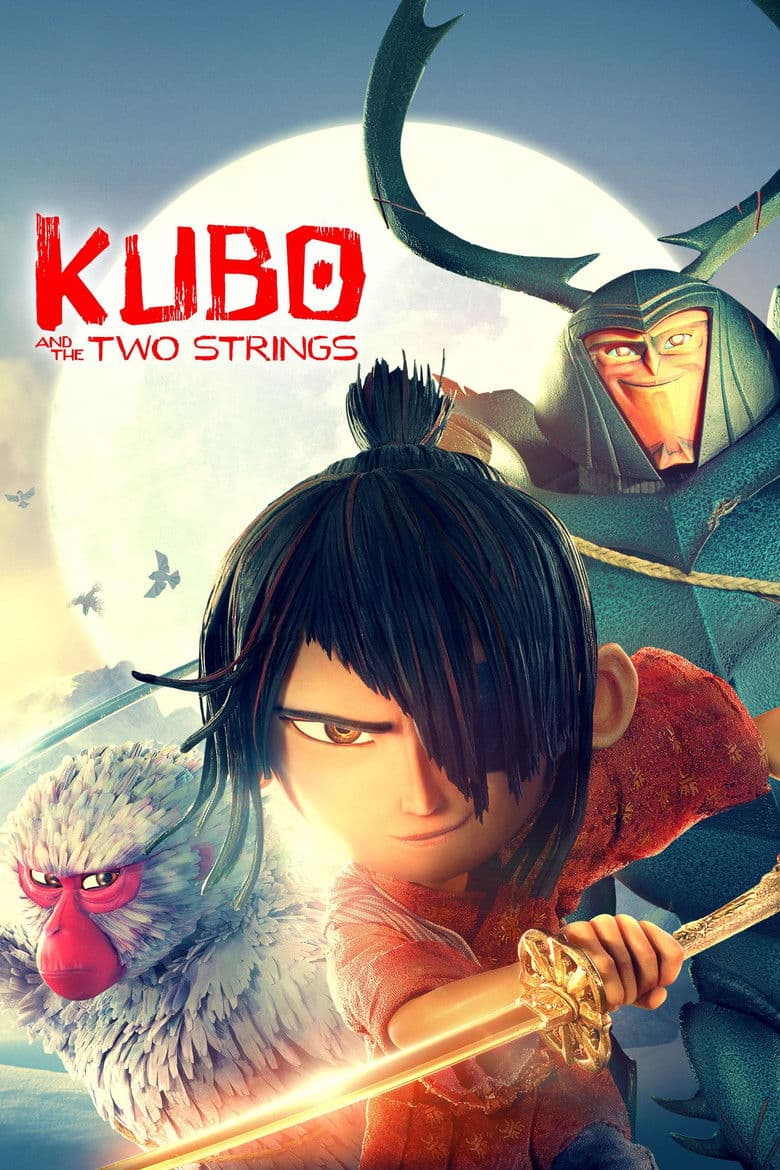
In a fantasy version of feudal Japan, one-eyed boy Kubo plays a magical shamisen and brings origami stories to life for his village. He cares for his sick mother and lives under a rule that he must never stay out after dark. When he breaks that rule, his mother’s twin sisters and his grandfather, the Moon King, hunt him. Kubo then goes on a quest for his late samurai father’s armor. A snow-monkey guardian and a beetle-samurai join him as he learns hard family secrets.
The film is not built around modern identity politics. Its real focus is grief, parental love, memory versus forgetting, and the power of stories. Cold immortal perfection stands against human feeling and compassion. Kubo’s missing eye is a wound caused by the villain, not a lecture about disability. The story ends with memory and storytelling defeating control, not with race, gender, or activism as the main point.
Community feedback
Was our 4% Woke rating accurate?
Breakdown
These are the editorial factors and ratings behind our score for Kubo and the Two Strings.
Woke representation / casting
Not present. Characters and setting are Japanese feudal and mythic, matching that world. Lead voices were largely white stars, with Japanese-ancestry actors mainly in smaller village roles. This is production whitewashing debate, not audience-visible DEI quota casting or identity-first hero swaps.
0%
Woke political dialogue
Not present. Dialogue centers on family, quest, memory, and storytelling with no modern activist, DEI, identity-politics, or systemic-oppression rhetoric.
0%
Identity-driven story themes
Not present. Core themes are grief, parental love, memory versus forgetting, humanity versus immortal perfection, and the power of stories. Kubo’s missing eye is a plot injury by the villain, not disability-politics messaging.
0%
Western institutional / cultural critique
Not present. Antagonists are celestial family seeking perfection and control of Kubo’s eye, not modern critique of Western institutions, patriarchy, capitalism, Christianity, or conservative norms.
0%
Woke character or canon changes
Not relevant. Original Laika story pitched by Shannon Tindle, not an identity rewrite of established IP or historical figures.
0%
Anti-woke backlash and complaints
Not present. Documented controversy was representation criticism of white lead voice casting for an Asian-set story. That is pro-DEI complaint and does not count. No meaningful anti-woke campaign claims the story pushes DEI or identity politics.
0%
Creator track record context
Cached creator scores point to a craft-focused director profile for Travis Knight. Writer Chris Butler and producer Arianne Sutner add a moderate lift from LGBTQ-linked or studio pipeline signals. The overall slate is not framed as a radical activist team. Those creator signals do not show up as content inside the film itself.
18%
Production
Movie · 2016
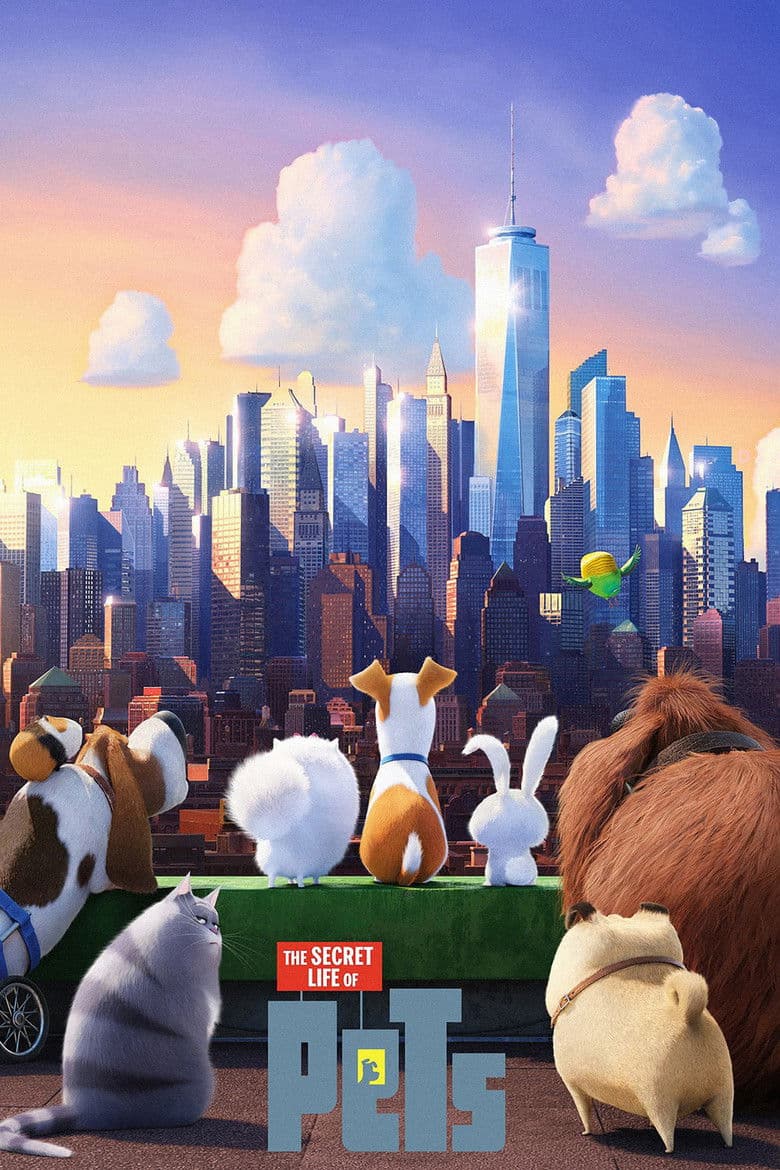
The quiet life of a terrier named Max is upended when his owner takes in Duke, a stray whom Max instantly dislikes.
Movie · 2017
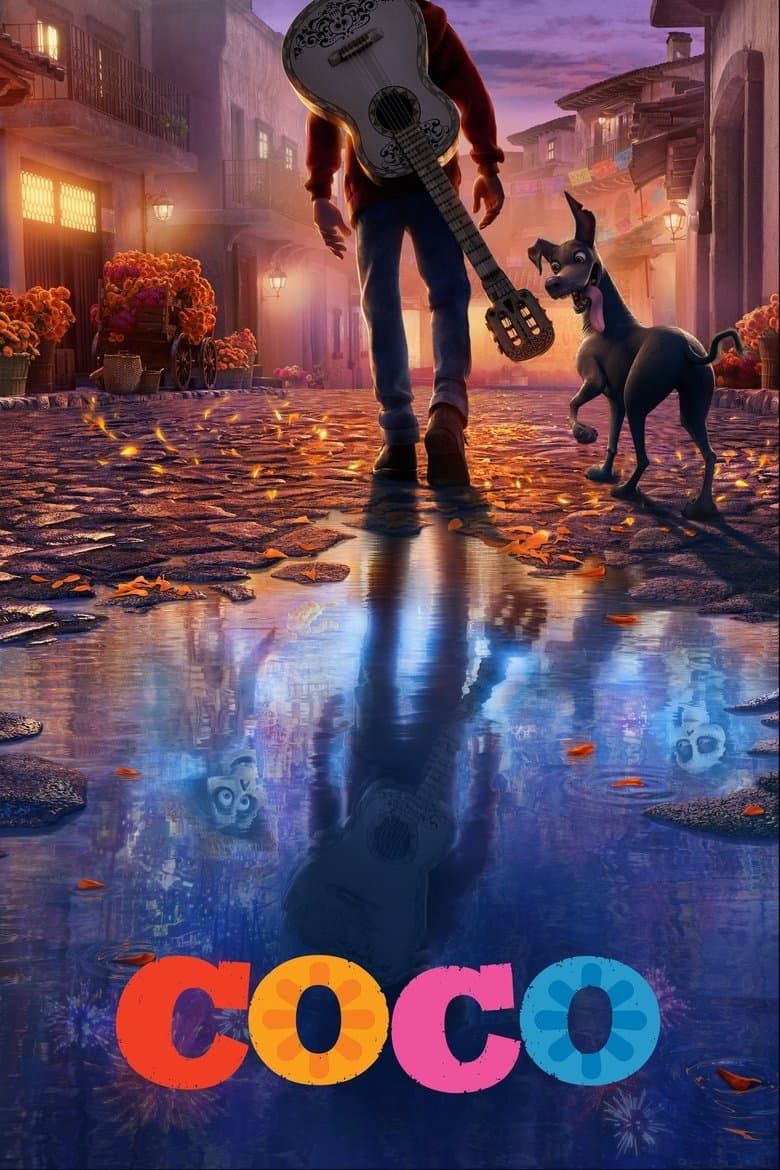
Despite his family’s baffling generations-old ban on music, Miguel dreams of becoming an accomplished musician like his idol, Ernesto de la Cruz.
Movie · 2016
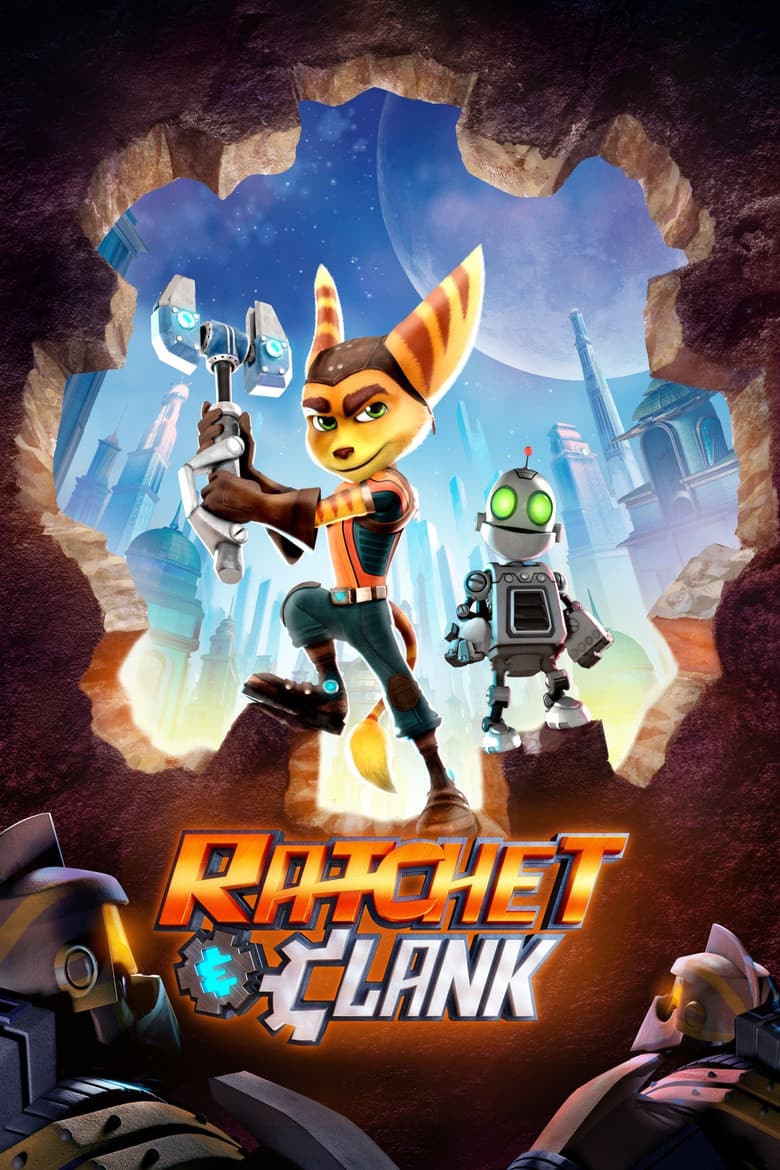
When the galaxy comes under the threat of a nefarious space captain, a mechanic and his newfound robot ally join an elite squad of combatants to save the universe.
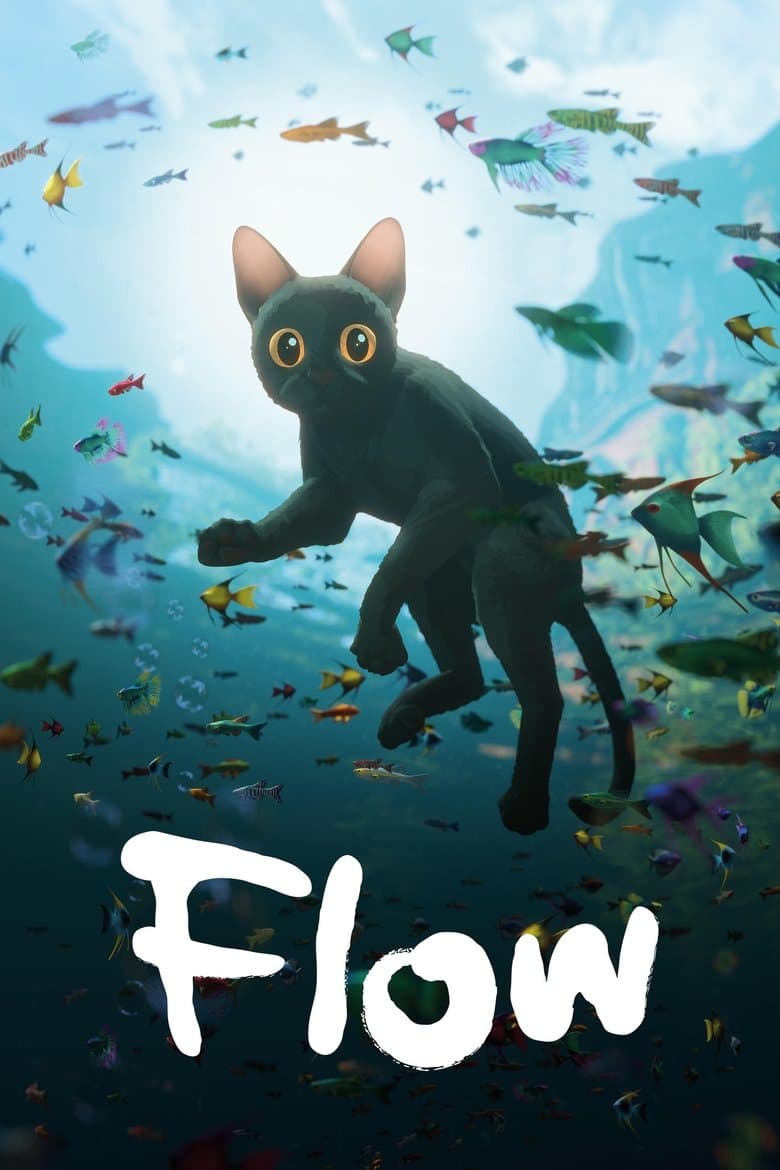
Movie · 2024
A solitary cat, displaced by a great flood, finds refuge on a boat with various species and must navigate the challenges of adapting to a transformed world together.
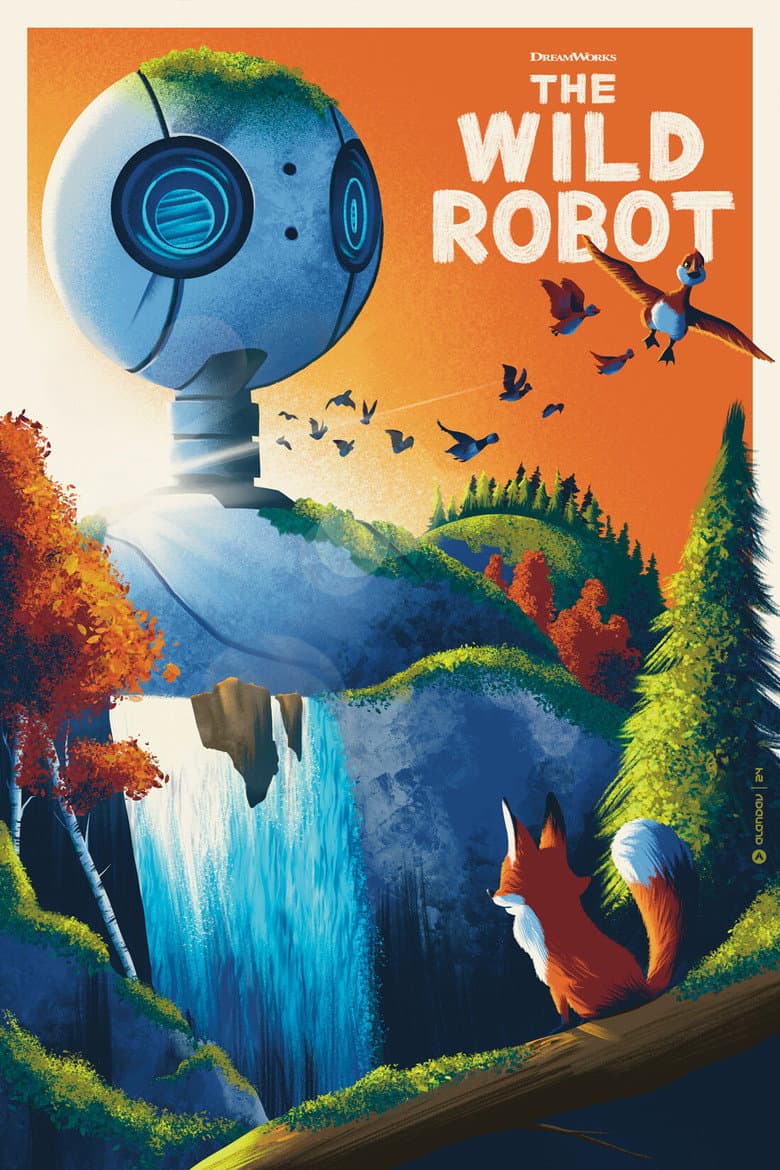
Movie · 2024
After a shipwreck, an intelligent robot called Roz is stranded on an uninhabited island. To survive the harsh environment, Roz bonds with the island's animals and cares for an…
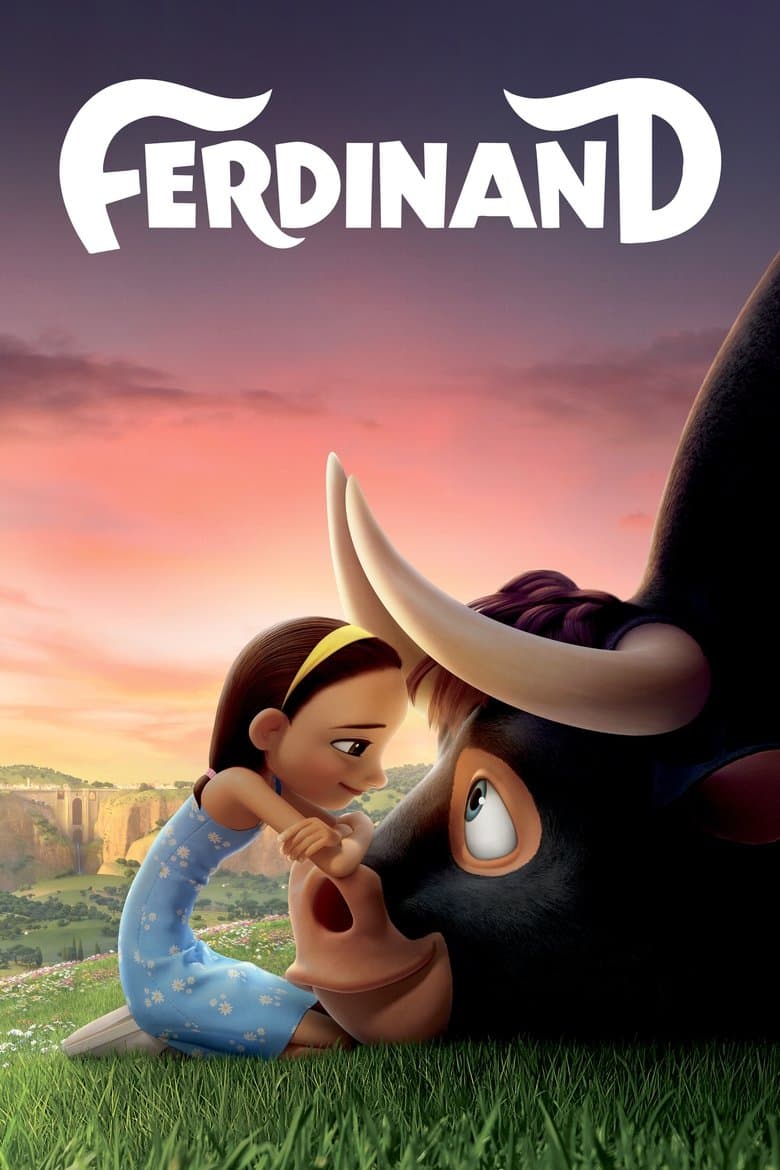
Movie · 2017
Ferdinand, a little bull, prefers sitting quietly under a cork tree just smelling the flowers versus jumping around, snorting, and butting heads with other bulls.
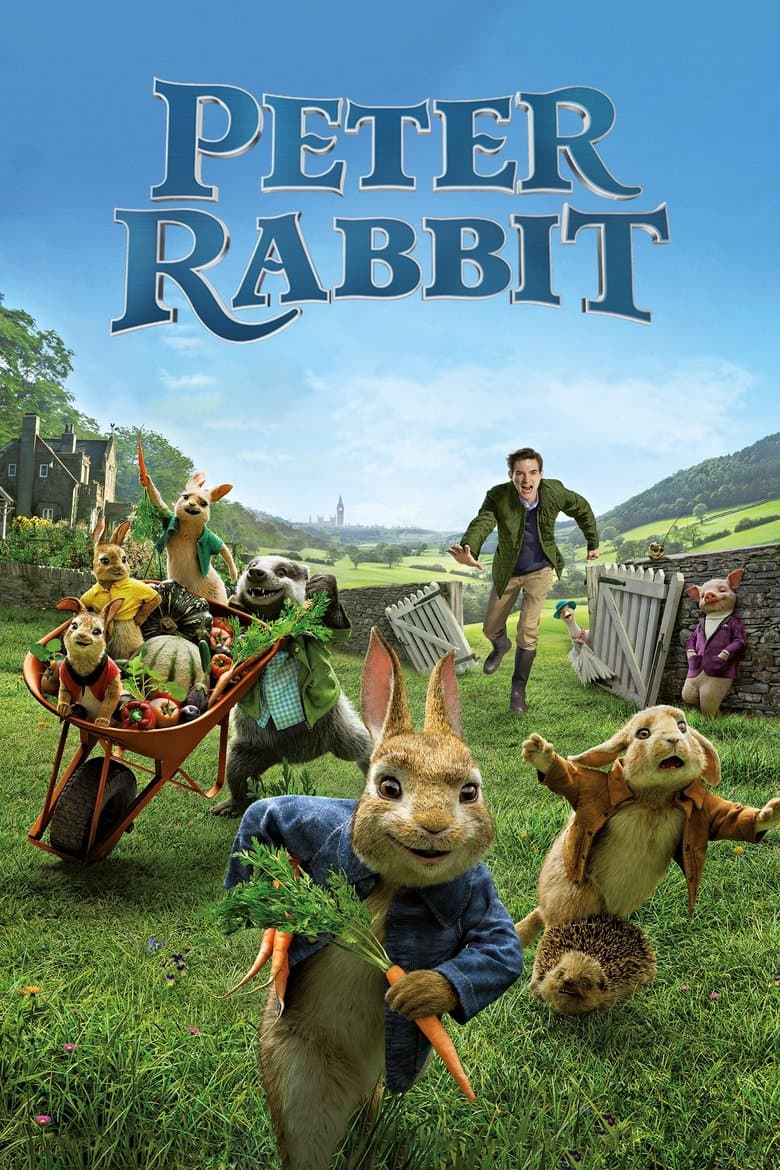
Movie · 2018
Peter Rabbit's feud with Mr. McGregor escalates to greater heights than ever before as they rival for the affections of the warm-hearted animal lover who lives next door.
Movie · 2020
When his best friend Gary is suddenly snatched away, SpongeBob takes Patrick on a madcap mission far beyond Bikini Bottom to save their pink-shelled pal.
