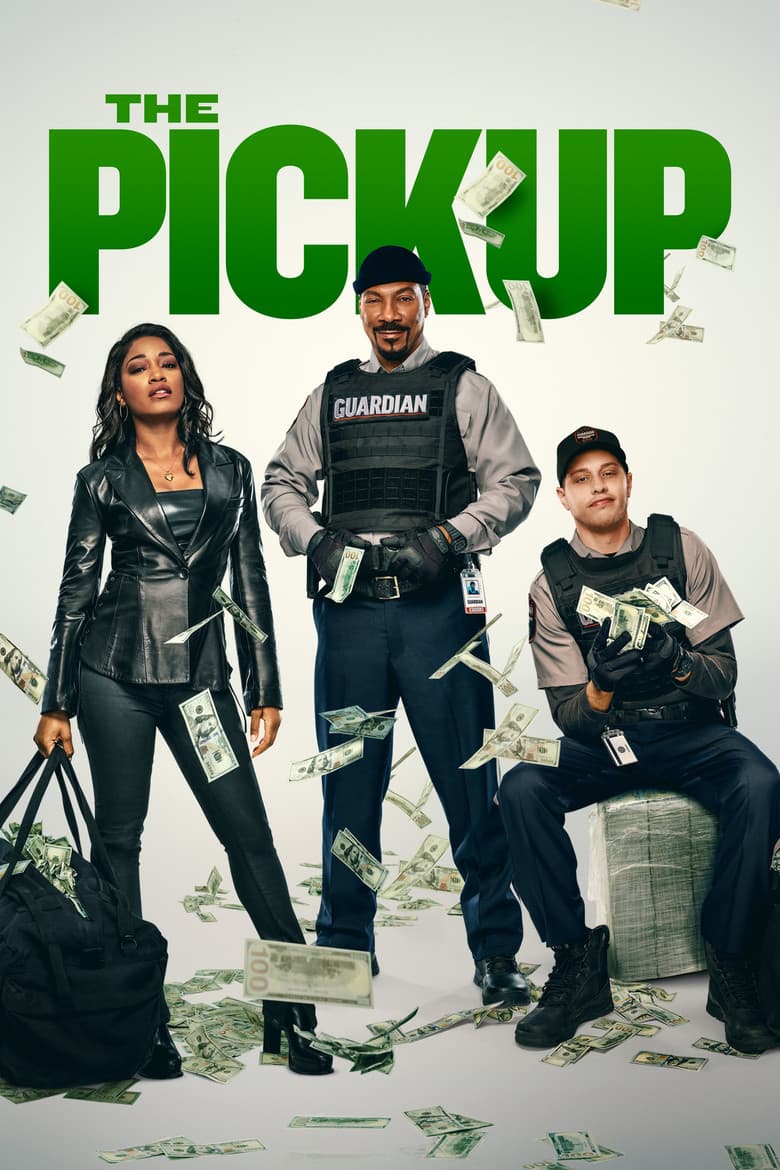
The Pickup follows Russell, a veteran armored truck driver who wants to finish work in time for his 25th wedding anniversary. He is paired with Travis, a young rookie who hopes to become a police officer and often acts without thinking. Zoe, a clever robber, tricks Travis into sharing work details and then forces both men into a plan to steal $60 million from a casino. The movie mixes gunfights, car chases, crude jokes, and a softer story about marriage, loyalty, revenge, and second chances.
The clearest woke-related material comes from Zoe's role as a highly skilled black woman who leads the robbery and controls the men around her. Her reason for the crime is tied to workplace injustice because a casino refused to fairly help her father after he died saving workers in a fire. The story treats the casino's greed and the wider capitalist system as morally broken, then presents Zoe's theft as personal justice. These ideas appear in a central backstory, but they do not turn the movie into a full political or identity-focused drama.
Community feedback
Was our 30% Woke rating accurate?
Breakdown
These are the editorial factors and ratings behind our score for The Pickup.
Woke representation / casting
The movie gives Keke Palmer a central role as Zoe, a highly skilled black woman who leads the robbery. The film also places Black, White, Latino, and Latina actors in prominent roles across the main group. The repeated identity-visible casting pattern is clear in the lead characters. Interviews also sell Palmer as the action leader, although they do not present the movie as a formal diversity campaign.
30%
Woke political dialogue
Zoe calls the capitalist system compromised when she explains why she wants to rob the casino. The film also links the casino to a decision to value money over a worker's life. The dialogue uses these points to make her crime sound understandable. The political language appears briefly and does not control the whole movie.
16%
Identity-driven story themes
Zoe designs the heist, tricks Travis for information, and controls the plan after the men fail. The story gives her a personal cause and asks viewers to see the robbery as revenge against a casino that harmed her family. Travis is often confused while Zoe takes command. Female control and male weakness are visible themes, but identity politics is not the movie's main subject.
23%
Western institutional / cultural critique
Zoe says the casino treated money as more valuable than her father's life after he died saving workers in a fire. The casino also refused to give the family proper worker benefits. The film uses that corporate failure to turn the heist into revenge and to make Zoe's crime look partly like justice. The critique drives her plan but does not become a broad attack on every Western institution.
29%
Woke character or canon changes
Not relevant. The film is an original heist comedy with no known legacy characters or source canon being changed.
0%
Anti-woke backlash and complaints
Not present. The supplied X pass found no anti-woke complaints about the film. Wider coverage also did not report woke, DEI, identity-politics, or left-wing backlash.
0%
Creator track record context
The director's record centers on commercial action comedies, including films with Black casts and some representation themes. The two writers are known mainly for mainstream comedy and have no strong public activist profile. Most producers have ordinary commercial records, while casting director Mary Vernieu has spoken about representation and diverse role models. The overall creator context is mild rather than a strong activist signal.
17%
Production
Movie · 2019
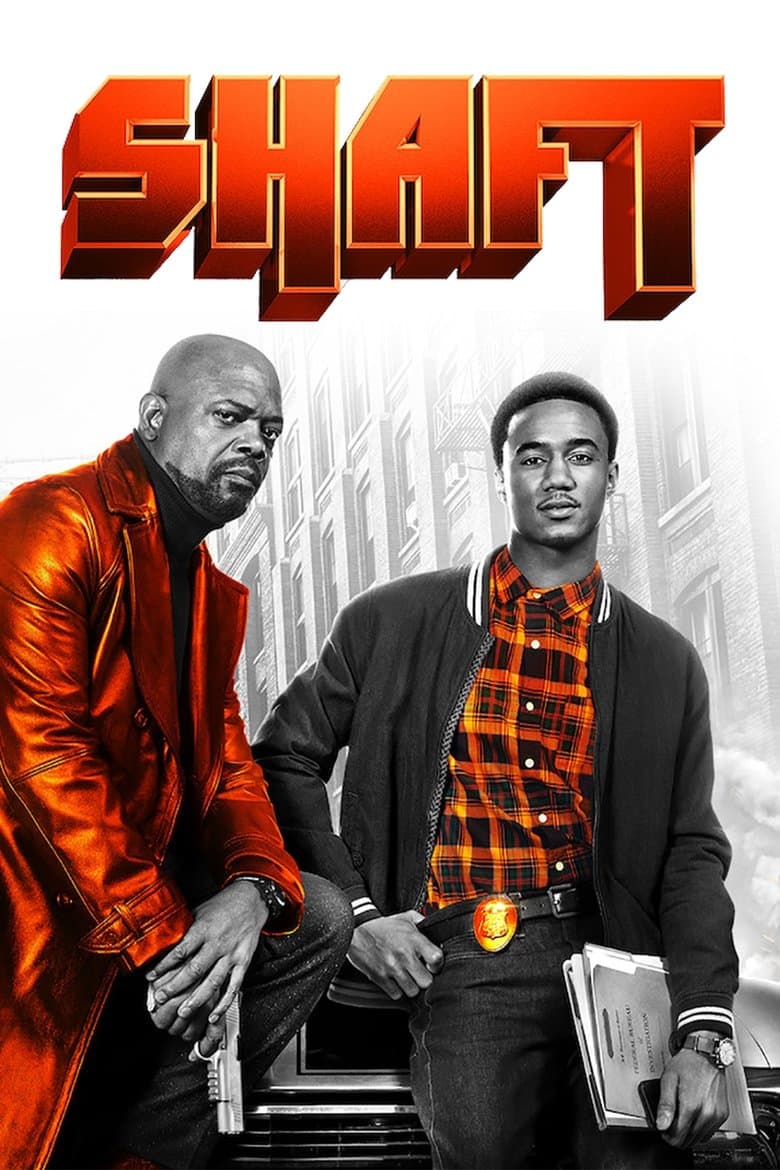
JJ, aka John Shaft Jr., may be a cyber security expert with a degree from MIT, but to uncover the truth behind his best friend’s untimely death, he needs an education only his dad…

Movie · 2020
American expat Mickey Pearson has built a highly profitable marijuana empire in London. When word gets out that he’s looking to cash out of the business forever it triggers plots…
Movie · 2020
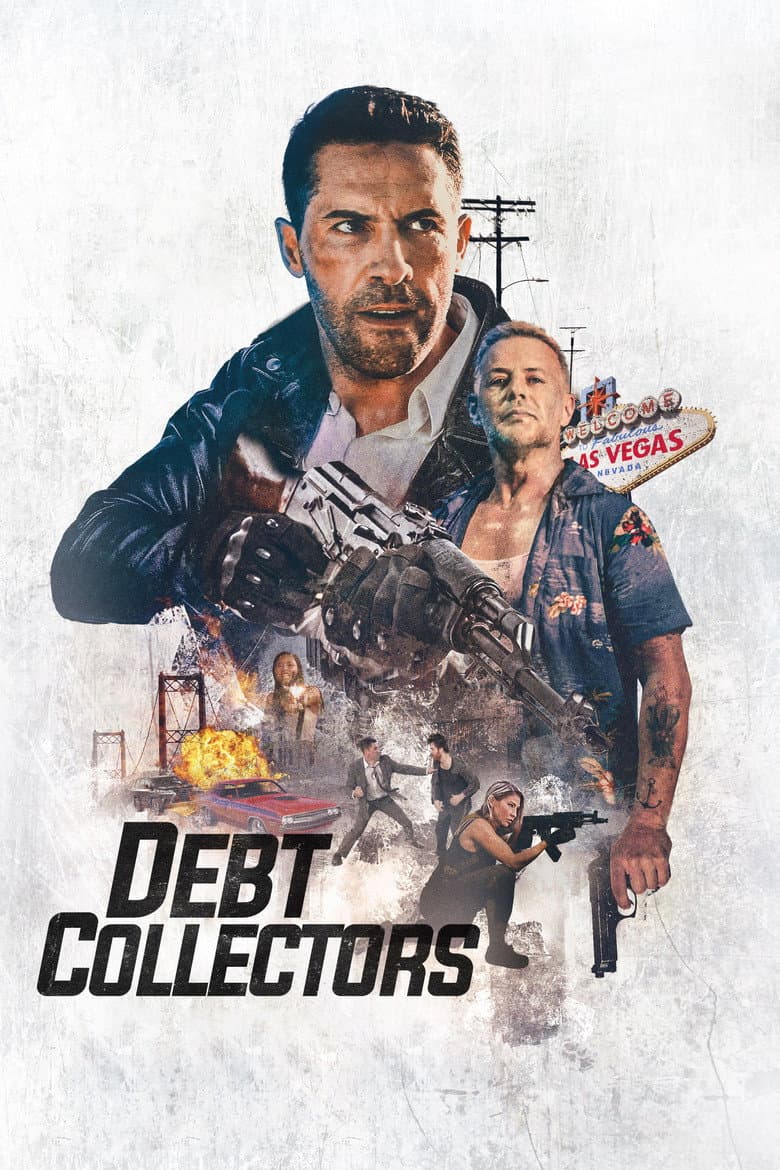
A pair of debt collectors are thrust into an explosively dangerous situation, chasing down various lowlifes while also evading a vengeful kingpin.
Movie · 2024
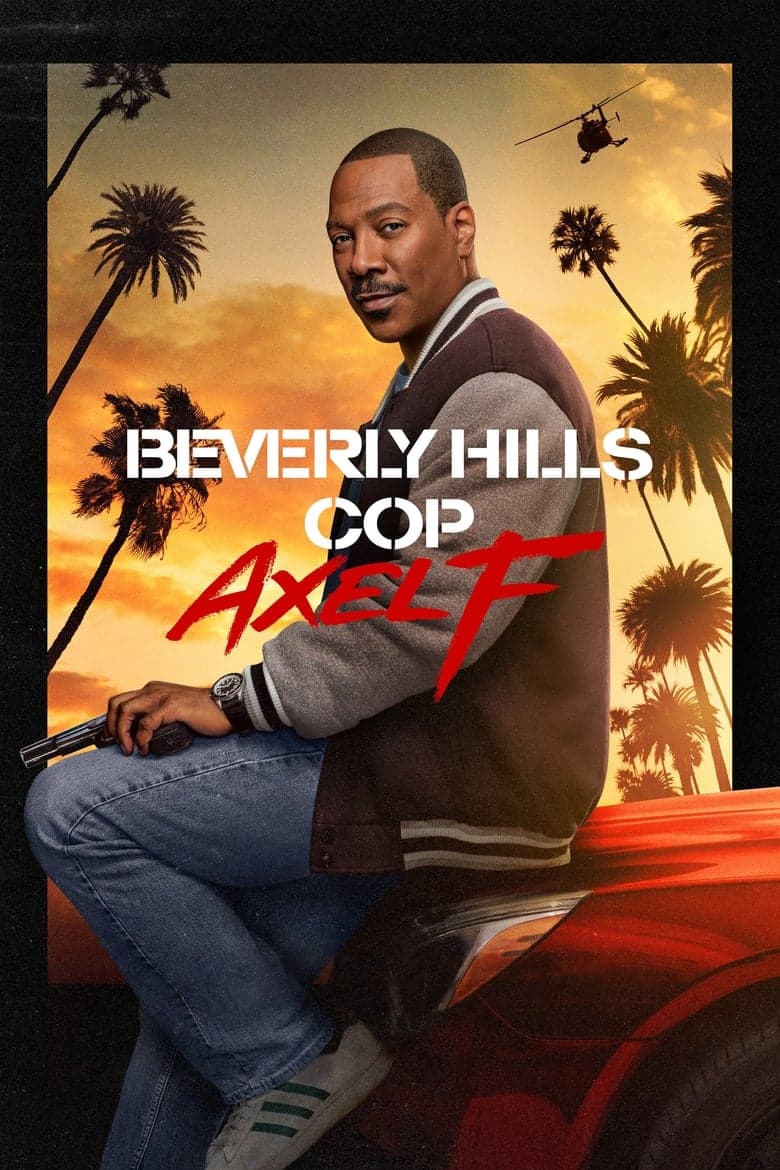
Forty years after his unforgettable first case in Beverly Hills, Detroit cop Axel Foley returns to do what he does best: solve crimes and cause chaos.

Movie · 2025
When a job goes horribly wrong, an ex-cop and family man who moonlights as a mob henchman has one night to get his family out of the city.
Movie · 2019
Asim Noyan swindles people with his lies and games. Asim Noyan and his gang, who no one else has been able to catch, get into a ruse again.

Movie · 2020
An ordinary guy suddenly finds himself forced to fight a gladiator-like battle for a dark website that streams the violence for viewers.
Movie · 2024
After their late former Captain is framed, Lowrey and Burnett try to clear his name, only to end up on the run themselves.
