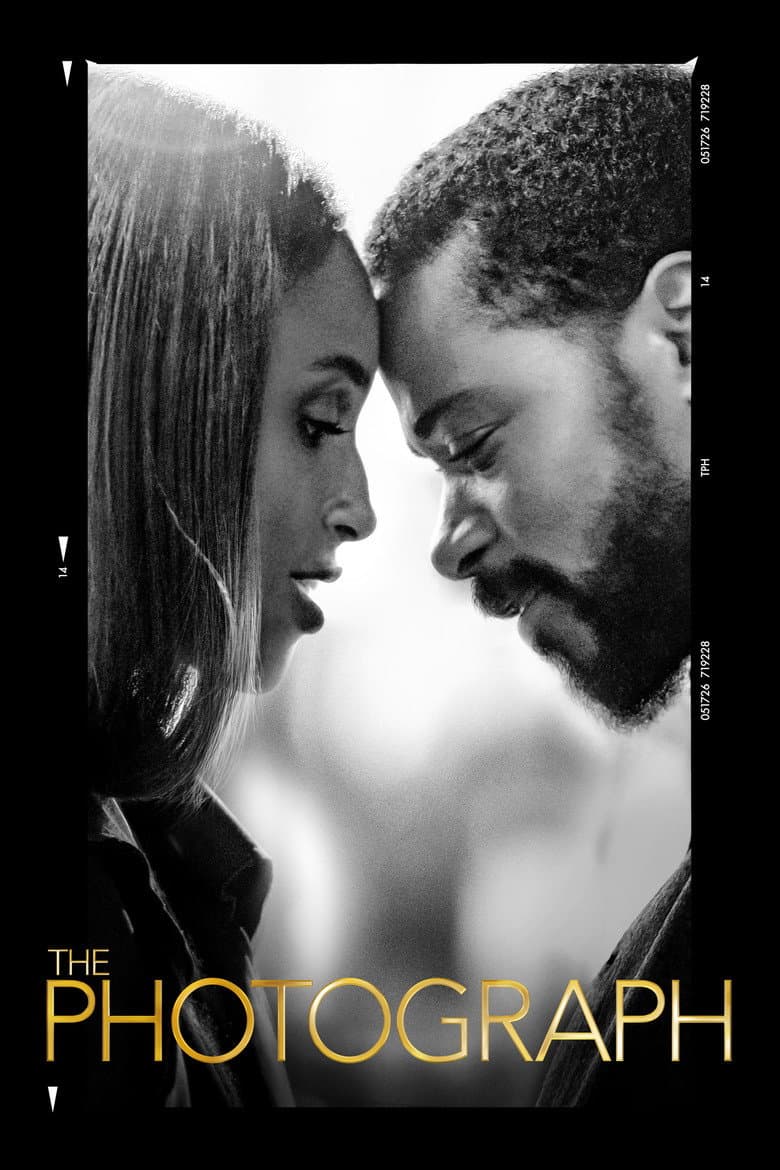
The Photograph follows Mae Morton, a New York museum curator whose mother, Christina, has just died. Mae receives a letter and a hidden photograph, then starts asking questions about the mother who left her with hurt and anger. Her search brings her close to Michael Block, a journalist who is writing about Christina and slowly falls in love with Mae. The story moves between present-day New York and 1980s Louisiana, where Christina leaves a hard home life to build a career as a photographer. The tone is quiet, warm, and romantic, with grief and family regret under the love story.
The film centers black characters in both its present-day and past love stories. Mae works at a museum, and Christina is a determined photographer who chooses her own work even when it strains her relationship. Christina says that cooking for a man cannot be her greatest accomplishment, and another scene jokes about women who depend on fathers or future husbands for jobs. Those gender-role ideas and the repeated focus on Black love are clear parts of the story, but the film does not turn them into a large political campaign.
Community feedback
Was our 58% Woke rating accurate?
Breakdown
These are the editorial factors and ratings behind our score for The Photograph.
Woke representation / casting
The film gives its two love stories to Black couples and fills most major roles with black actors. Mae is a museum curator, and Christina is a photographer whose career drives the past story. The film’s publicity calls it a celebration of black love and highlights young Black talent. The casting fits the modern American setting, but the repeated black-centered design and identity framing are easy to notice.
42%
Woke political dialogue
Christina says her greatest accomplishment each day cannot be cooking dinner for a man. Christina argues that she needs a career and a life beyond her small town. A friend jokes that some women get jobs through their fathers and leave after they marry. These lines appear in a short part of the mother’s story, so the message is noticeable but not constant.
35%
Identity-driven story themes
Mae’s search for her mother is tied to two Black love stories across generations. Christina’s main conflict comes from choosing between a settled relationship and her wish to become a photographer. The story treats her desire for work and self-direction as valid, then links Mae’s healing to understanding that choice. The theme is important to the family story, but the film stays focused on romance and grief instead of activist politics.
54%
Western institutional / cultural critique
Christina pushes back against the idea that a woman should stay home and cook for a man. Christina’s small-town relationship treats her career wish as a problem, while New York gives her room to grow. A friend mocks women who depend on fathers or future husbands for work. The film does not attack religion, capitalism, or Western institutions, so this critique remains limited.
24%
Woke character or canon changes
Not relevant. The film is an original story about Mae, Christina, and Michael. It does not change a known character, book, historical person, or established story.
0%
Anti-woke backlash and complaints
Not present. The available X pass found no anti-woke reaction. Other audience discussion focused on the romance, chemistry, pacing, and acting rather than woke or DEI complaints.
0%
Creator track record context
Stella Meghie has a strong record of centering black women and has spoken about diversity in hiring. Issa Rae has built work around black women’s lives and has backed diverse stories. Will Packer and James Lopez also carry representation-focused industry context. This matches the film’s black-centered cast and Black love framing, but the film itself is not strongly political.
64%
Production
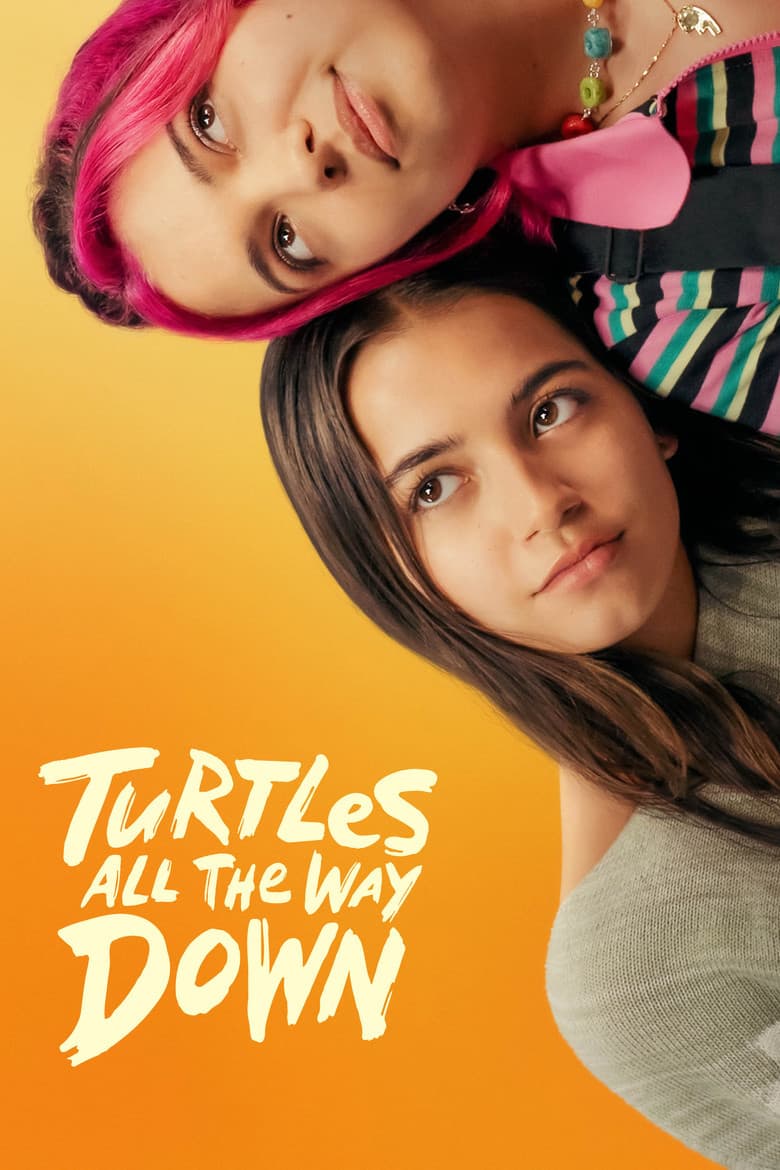
Movie · 2024
Aza confronts her potential for love, happiness, friendship, and hope while navigating an endless barrage of invasive, obsessive thoughts.

Movie · 2025
Heather is a young woman traveling Europe with friends before starting her perfectly planned life. A chance meeting with Jack sparks an unexpected romance that leads to deep…
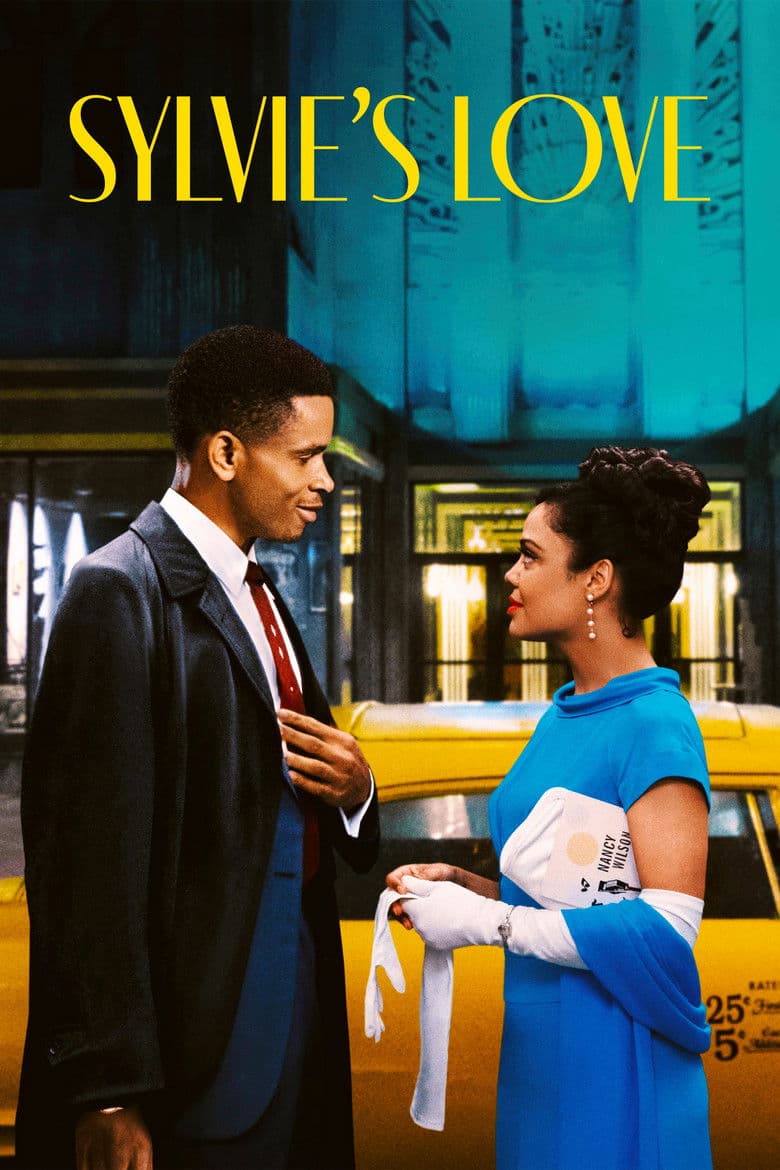
Movie · 2020
When a young woman meets an aspiring saxophonist in her father’s record shop in 1950s Harlem, their love ignites a sweeping romance that transcends changing times, geography, and…
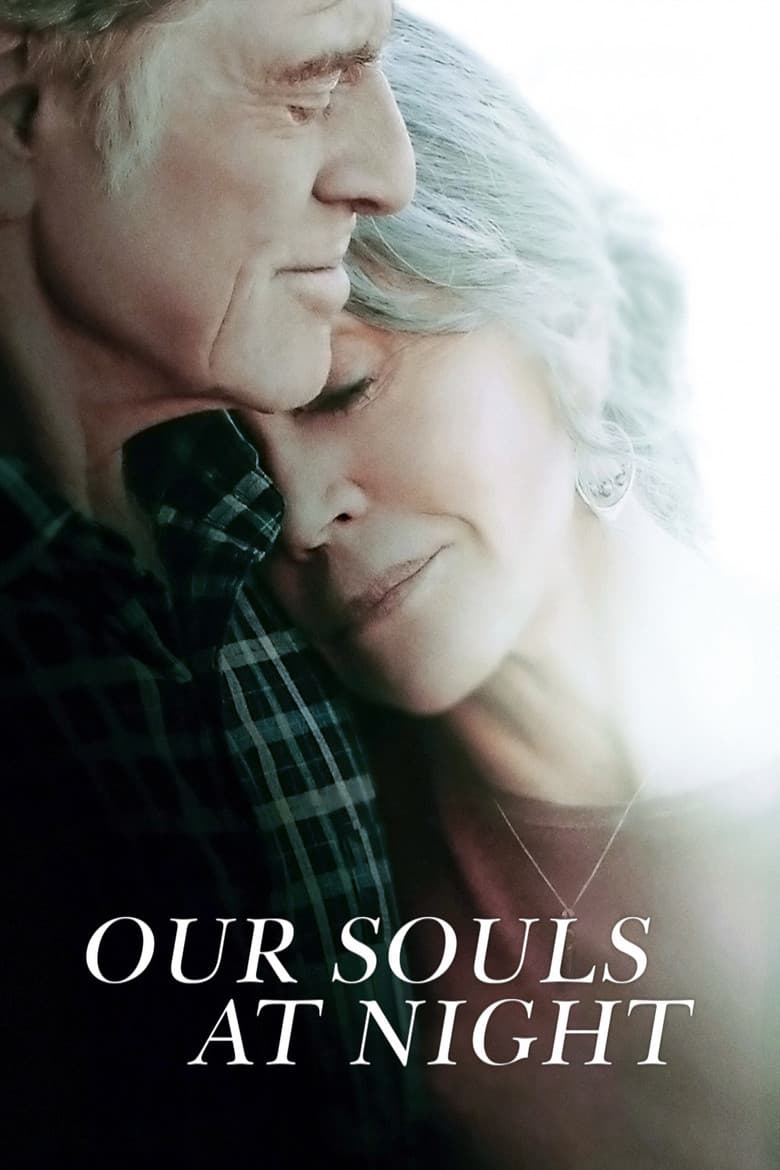
Movie · 2017
Addie Moore and Louis Waters, a widow and widower, have lived next to each other for years. The pair have almost no relationship, but that all changes when Addie tries to make a…

Movie · 2020
When illness strikes two people who are polar opposites, life and death bring them together in surprising ways.
Movie · 2022
A young couple's relationship clashes with the harsh realities of the California Gold Rush of 1850. Angel, experiencing love for the first time and facing demons unsurmountable…
Movie · 2017
Nothing is as it seems in this riveting World War 2 thriller as a wary soldier goes to investigate a mysterious German monarch at his secluded mansion, leading him into a web of…

Movie · 2025
Based on a true story, two down-on-their-luck musicians form a joyous Neil Diamond tribute band, proving it's never too late to find love and follow your dreams.
